
Freestanding Bathtub Material Comparisons: Stone Resin vs Copper, Cast Iron, Acrylic and More
Today’s bathtub choices are plentiful with a host of styles, shapes, sizes, and materials to choose. The choice often comes
Bathroom projects are one of the most common renovations in the U.S. and they’re also among the most misunderstood. Homeowners and first-time DIYers often underestimate how many decisions depend on size and layout first, not fixtures or finishes.
Pick the wrong footprint, and you’ll end up with a cramped shower, awkward toilet placement. Worse, you get a space that feels uncomfortable and under-utilized. That’s why 9 out of 10 home owners hire professionals for bathroom re-modeling.
Truth is, bathroom renovations are common. But, most of us may not know the standard sizes for half, full, and master baths or how much usable space we actually need. That’s why we’ll choose fixtures first without planning for clearances, codes, or traffic flow.
In this guide, we’ll walk you through the most common bathroom sizes and dimensions with real -world applications.
For the comfort, functionality, and value of your home, it’s good to understand bathroom sizes.
This year, here are the basic guidelines on bathroom sizes:
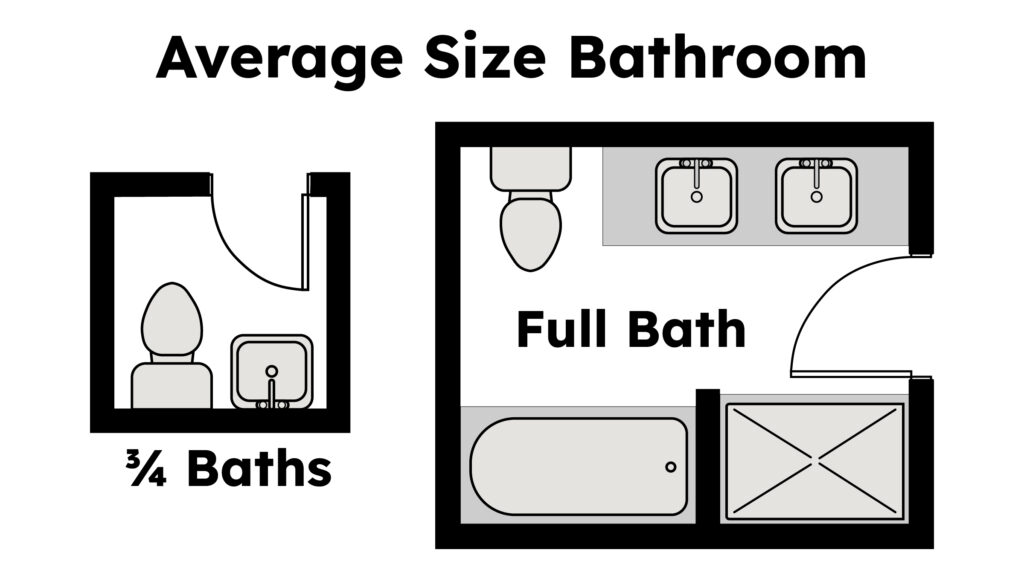
An average sized bathroom is anywhere between 36-40 square feet for an apartment or small home. With this size there’s both ¾ baths and full baths, giving you just about enough room for a shower, a bath, a modern sink and a toilet.
For a larger home, the average size fluctuates between 40-100 square feet depending on the size of the property.
Bathroom size determines what you can install, how comfortable the space feels, and whether the layout meets code and usability standards.
In general, the smallest bathroom size with just a sink and a toilet needs 15 square feet, while a full bath with a shower, and a bathtub, needs at least 40 square feet.
But, while minimum dimensions may meet code, well-designed bathrooms prioritize proper clearances, smooth movement, and long-term comfort.
Below are common bathroom size layouts ranging from small, medium, and large.
| Bathroom Type | Room Size (ft) | Square Footage | Recommended Fixtures |
| Small | 3×5 | 15 | Toilet + compact sink |
| 3×6 | 18 | Toilet + small vanity | |
| 4×4 | 16 | Toilet + corner sink | |
| 4×6 | 24 | Toilet + vanity | |
| 6×6 | 36 | Toilet + vanity + shower | |
| Medium | 7×7 | 49 | Toilet + vanity + tub/shower combo |
| 9×6 | 54 | Full bath (tub/shower combo) | |
| 6×10 | 60 | Tub/shower, vanity, toilet | |
| 9×7 | 63 | Larger vanity + tub/shower | |
| 8×8 | 64 | Full bath with storage | |
| 6×12 | 72 | Separate shower + tub | |
| 9×8 | 72 | Full bath, storage options | |
| Large / Master | 10×12 | 120 | Double vanity, separate shower + tub |
| 12×14+ | 168+ | Double vanity, freestanding tub, walk-in shower, storage |
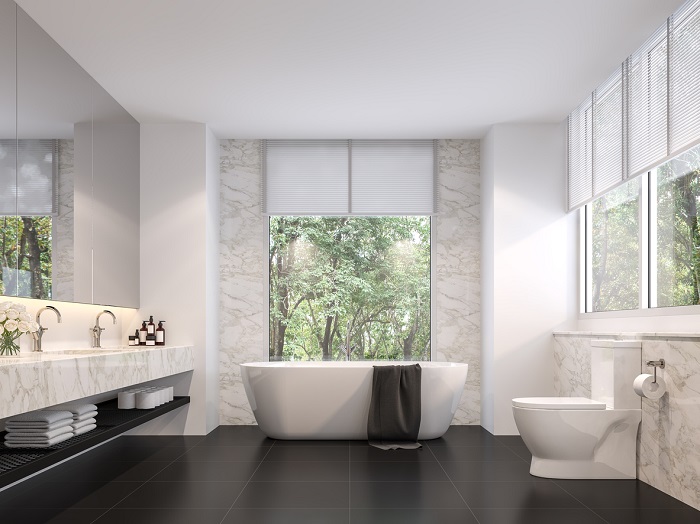
A master bathroom is typically a full bathroom, but larger than standard baths to provide extra space and comfort. It is usually connected to the master bedroom, which is what defines it as a “master” bathroom.
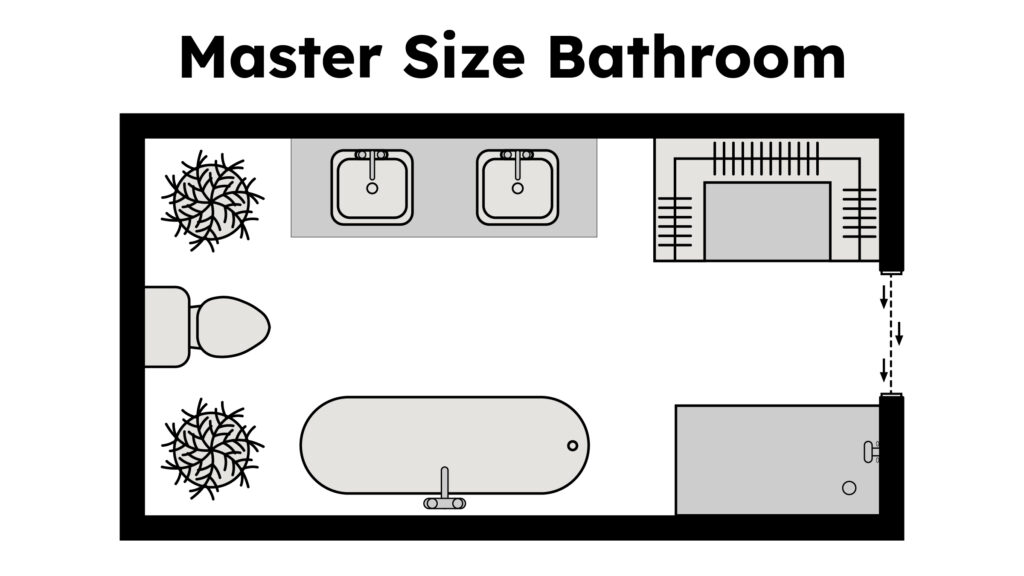
A small master bathroom is 5×8 or 40 square feet, whereas the typical average is anywhere between 40 square feet-100 square feet. A large master bathroom can go upwards of 110-200 square feet and beyond.
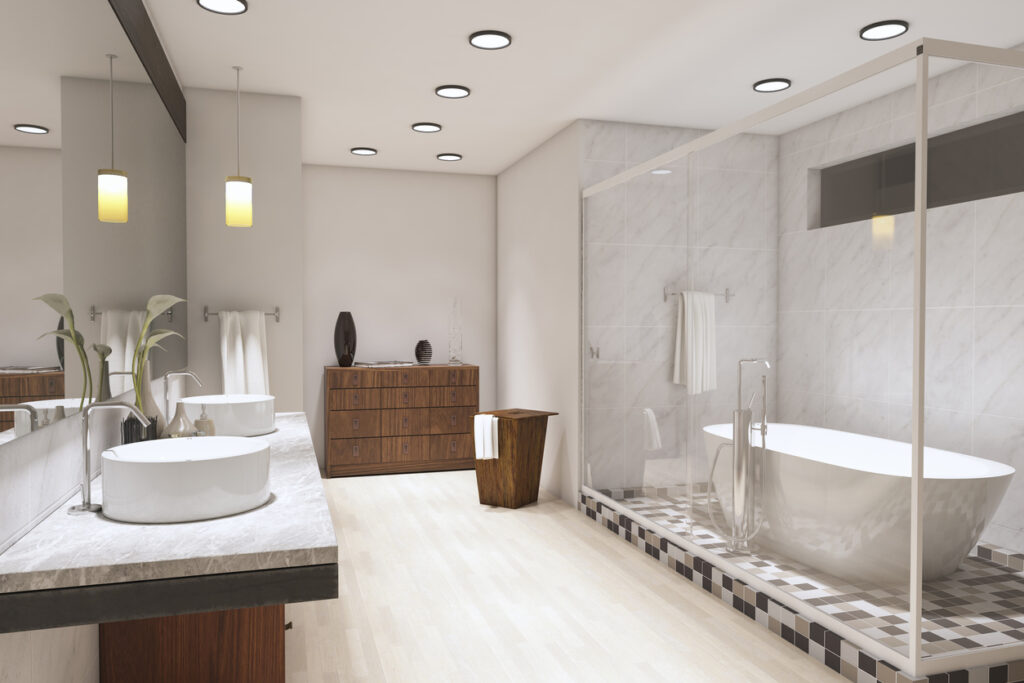
A full bathroom is a bathroom that includes a bathtub, a shower, a toilet, and a sink. To fit all these fixtures comfortably, a full bathroom typically requires 36–40 square feet, with a 5′ × 8′ layout being the most common minimum size. This allows enough space for basic clearance around each fixture while maintaining usability.
As you plan for your bathroom in 2026, here’s what you want to look at additionally if you want a full bathroom.
Besides comfort and usability, proper full bathroom dimensions impact home resale value. Buyers often prefer bathrooms that feel spacious and well-planned rather than cramped.
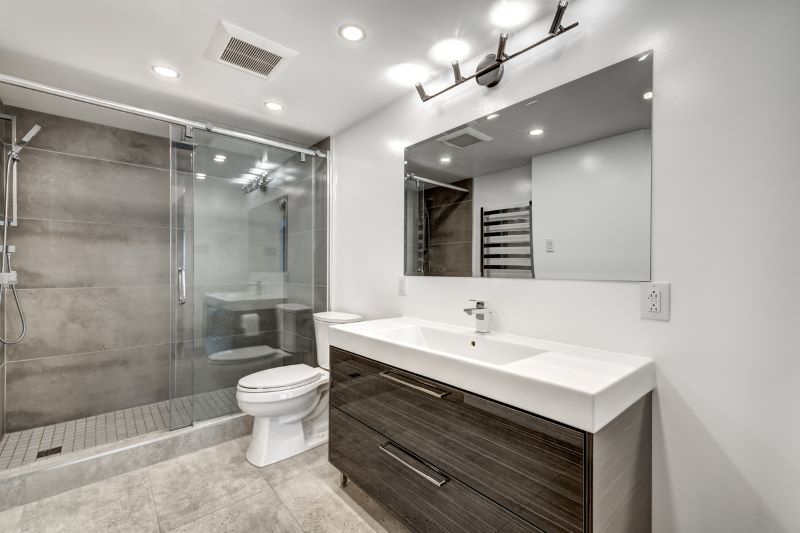
A bathroom with a shower is generally considered to be a ¾ bath, as it only has a sink, a shower and a toilet. The size of your shower will vary, but the smallest bathroom that typically can support this will be anywhere between 26-30 square feet.
Common small layouts include 9×3 ft or 8×4 ft. Medium ¾ baths are around 50 square feet, while larger layouts can reach 60 square feet or more, allowing for a more spacious shower, additional storage, or improved circulation.
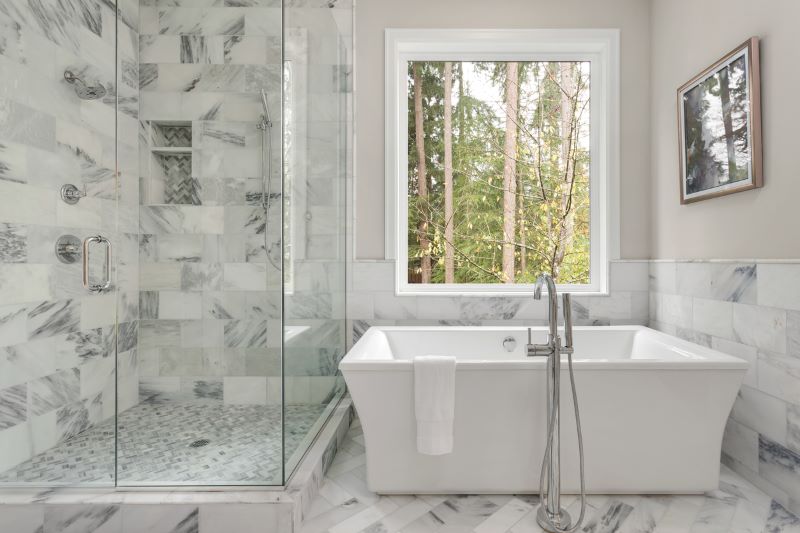
A bathroom with a walk-in shower is similar in size to a standard ¾ bath but requires more space to accommodate the larger shower.
The only difference is that these need to be much longer in length to support a larger shower compared to other designs that only need to support a typical box shower.
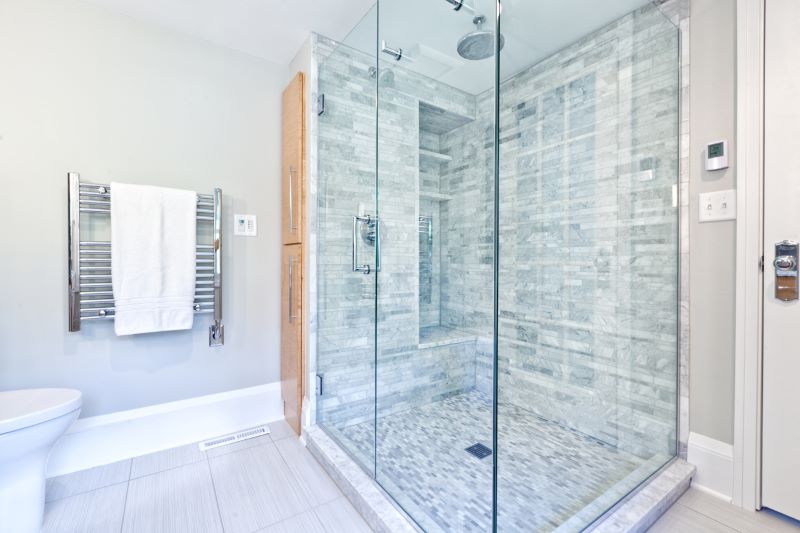
A small bathroom with a walk-in shower starts at around 36 square feet, with 8×4 being a typical size.
For the purposes of most walk-in showers, the length needs to be around 4 yards at least to support the walk-in shower. From this point, the dimensions are the same as a bathroom with a shower-medium sizes are around 50 square feet, large sizes are 60 square feet and beyond.
In most smaller apartments, you’ll find a bathroom with no shower or a half bathroom. These are generally considered powder rooms as they have exactly one sink and one toilet, with very little room for anything else.
Half bathrooms are typically compact by design, with 15 square feet being the practical minimum to fit a toilet and a small sink. Medium-sized powder rooms usually range between 18–20 square feet, offering slightly better clearance and comfort. On the larger end, half bathrooms generally top out around 26 square feet. Beyond this point, the space is large enough to support a shower, making it inefficient to remain a half bath.
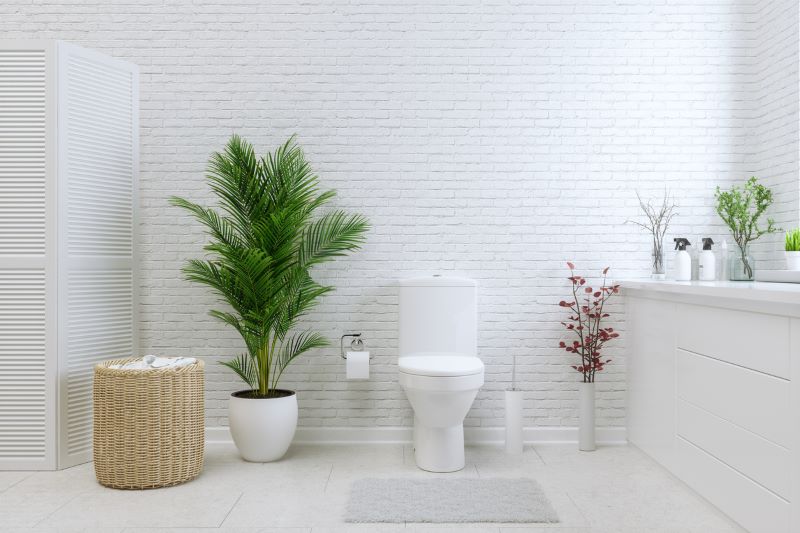
A quarter bathroom is the smallest type of bathroom. It contains only one fixture, typically a toilet or, less commonly, a standalone shower. Because it serves a very specific utility purpose, it requires significantly less space than other bathroom types.
The average size of a quarter bathroom is around 12 to 15 square feet, with 3×4 or 3×5 being common dimensions. These layouts are ideal for tight areas like under staircases, in basements, or as an addition to a garage or workshop. While compact, the design must still allow for enough clearance around the single fixture to meet code requirements and ensure comfort during use.
Because of their minimal footprint, quarter baths are an efficient way to add an extra toilet or shower without significantly increasing construction costs or sacrificing usable space elsewhere in the home.
Luxury bathrooms are designed to offer spa-like comfort, premium fixtures, and spacious layouts that go beyond standard bathroom sizing. These bathrooms often include double vanities, a freestanding soaking tub, a walk-in shower, and sometimes even separate water closets or lounge seating.
A small luxury bathroom typically starts at around 100 square feet, with 10×10 being a common entry point. Medium luxury bathrooms range between 120 to 160 square feet, offering more room for upgraded features and greater separation between zones. Large luxury bathrooms can exceed 200 square feet and often resemble private wellness suites, with custom finishes, oversized showers, and built-in storage or dressing areas.
Because of their size and complexity, luxury bathrooms require careful planning to balance comfort, function, and long-term value, making layout and proportions just as important as fixture selection.

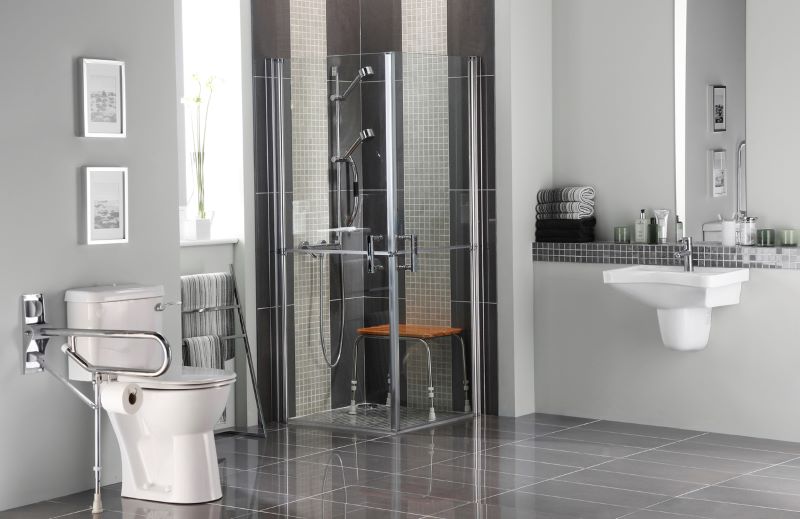
Handicapped bathrooms require at least 3×5 or 15 square feet to be considered a handicapped accessible bathroom. The size itself is not so important, more that the room is a diameter of 5 inches, allowing a wheelchair to move freely without being stuck. The doorway to this bathroom has to be at least 32-36 inches or 2.5 feet wide. The sink cannot be higher than 36 inches high with no more than 2 inches of counter space in between. Lastly, theHandicapped or wheelchair-accessible bathrooms are designed to allow safe, independent use, with clearance and maneuverability being more important than overall square footage.
The key requirement is a 60-inch (5-foot) turning radius, which allows a wheelchair to rotate freely without obstruction. This makes accessible bathrooms typically larger than standard baths, even if the fixture count is the same.
Key accessibility requirements include:
Accessible bathrooms prioritize clear floor space, proper reach ranges, and support features. This makes them safer and more functional to wheelchair users and for aging homeowners and anyone with limited mobility.toilet must be between 17-19 inches off the floor. The handle cannot be higher than 44 inches off the floor. Safety bars and other hand hold supports are also required for a handicap assisted bathroom.
A Jack-and-Jill bathroom is a shared bathroom located between two bedrooms, allowing access from both sides. These bathrooms are commonly used in family homes and are designed to maximize space efficiency while accommodating multiple users. They often include dual sinks and a shared bathing area, with locking doors or segmented layouts to maintain privacy.
A small Jack-and-Jill bathroom typically starts at around 40 square feet, with 5×8 being a common minimum layout. Medium-sized Jack-and-Jill bathrooms range between 50 to 80 square feet, providing space for double vanities or a separate toilet area. Larger layouts can exceed 90 square feet, allowing for improved traffic flow, added storage, and greater separation between functional zones.
A guest bathroom is designed primarily for visitors and is typically located near common living areas such as the living room, dining area, or hallway, rather than inside a bedroom. These bathrooms prioritize comfort, accessibility, and ease of use over size or luxury, with layouts that feel intuitive for first-time users.
Guest bathrooms benefit from clear sightlines, simple fixture controls, adequate lighting, and accessible layouts. Neutral finishes, easy-to-clean materials, and sufficient storage for towels and toiletries help create a welcoming experience without requiring master-bath-level square footage.
A basement bathroom is installed below the home’s main living level and often requires special plumbing considerations, such as a sewage ejector or macerating pump, additional venting, and careful drain placement.
These bathrooms are typically designed to be compact and efficient, making the most of limited space while still meeting local code requirements for drainage, ventilation, and ceiling height.
A small basement bathroom typically begins at around 15 to 25 square feet for a half bath. Medium basement bathrooms range from 30 to 50 square feet, accommodating a shower setup. Full basement bathrooms usually fall between 40 to 70 square feet, depending on layout constraints and mechanical requirements.
Basement bathrooms often require higher clearances for plumbing, moisture-resistant materials, proper ventilation, and adequate lighting to prevent humidity issues and maintain comfort. When properly planned, a basement bathroom adds significant functionality and value, especially in finished basements, guest suites, or rental spaces.
An ensuite bathroom is a private bathroom directly connected to a bedroom, providing exclusive access for the occupant. While a master bathroom is the most common type of ensuite, this category also includes bathrooms attached to guest bedrooms, secondary suites, or home offices converted into sleeping spaces. Ensuites prioritize privacy, convenience, and efficient use of space.
A small ensuite bathroom typically starts at around 35 to 50 square feet, suitable for a shower, sink, and toilet. Medium ensuite bathrooms range between 50 to 80 square feet, offering additional storage or larger fixtures. Large ensuite bathrooms can exceed 90 to 120 square feet, allowing for double vanities, walk-in showers, or soaking tubs.
When well designed, ensuite bathrooms enhance daily convenience and increase a home’s appeal by providing privacy without requiring the footprint of a full master bath
A wet room is a fully waterproofed bathroom where the shower is open, without a traditional enclosure or curb. Unlike a standard walk-in shower, the entire floor is designed to handle water, often sloping gently toward a drain.
Wet rooms provide a modern, minimalist look and are increasingly popular in contemporary US homes, particularly in remodels, accessible bathrooms, and luxury spaces. Properly designed wet rooms can also add both comfort and resale value to a home.
Small wet rooms are around 30–40 sq ft, fitting a compact shower, toilet, and sink. Medium layouts range from 50–70 sq ft, offering a larger shower, extra storage, and better circulation. Large wet rooms exceed 80 sq ft and can include spa-style features like freestanding tubs and double vanities.
At the design phase, ensure proper floor slope and full waterproofing to prevent water damage. Use non-slip flooring for safety and plan fixture placement to avoid splashing. Wet rooms work best with open layouts that balance style and functionality.
The right bathroom size is essential for both functionality and comfort. Bathrooms serve as a space for daily routines and relaxation, so ensuring the layout fits your needs is crucial.
Today, most bathroom update trends emphasize both style and efficiency. What you decide as your perfect bathroom should evaluate your lifestyle, household needs, and available space. Here are six key factors to consider when determining the best bathroom size for your home.
What’s the main purpose of the bathroom? For instance, a guest bathroom, typically used infrequently, can be smaller (around 30–50 square feet) and focus on essentials like a sink and toilet. A master bathroom, however, often requires more space (100–200 square feet) to include luxury features like a bathtub, shower, double sinks, and storage.
How many people will use the bathroom daily? Larger households need more space to support multiple users comfortably. Homes with more than four occupants typically benefit from at least two full bathrooms, with one designed larger to reduce congestion during peak morning and evening hours.
The layout and available space in your home will influence the bathroom’s size. If you’re remodeling, measure the area carefully to maximize functionality without compromising adjacent rooms. The National Kitchen and Bath Association (NKBA) recommends at least 36 square feet for a small bathroom, ensuring enough room for basic fixtures without feeling cramped.
The amenities you want will directly impact the size of your bathroom. Adding features like a soaking tub, walk-in shower, or additional storage will require more space. For instance, a standard bathtub needs about 13 square feet, while a walk-in shower requires 16–20 square feet. Planning for these features ensures your bathroom meets your expectations.
Your budget can determine not only the size but also the finishes and fixtures you can include. Larger bathrooms naturally require higher costs for flooring, plumbing, and fixtures. According to HomeAdvisor, the average bathroom remodel costs between $6,000 and $25,000, depending on size and customization.
The size and design of your bathroom can affect your home’s resale value. A well-designed master bathroom can add significant appeal to potential buyers, with real estate experts estimating that bathrooms account for 10–20% of a home’s value. Investing in the right size and layout can provide a substantial return when selling your home.
As we’ve seen, bathrooms come in many sizes, each designed to serve different needs, layouts, and lifestyles. Let’s answer the most common questions you may have when planning, remodeling, or evaluating bathroom spaces.
A standard full bathroom (containing a sink, toilet, and bathtub/shower) is typically 5 feet by 8 feet (40 sq. ft.). This layout is common because it allows for a standard 60-inch tub to fit perfectly along the back wall. For a primary “Master” bathroom, sizes usually start at 100 sq. ft. to accommodate double vanities and larger showers.
No, a 10×10 foot bathroom (100 sq. ft.) is considered a large, luxury-sized bathroom. It provides enough space for a four-piece suite: a toilet, a double vanity, a large walk-in shower, and often a freestanding soaking tub. It is significantly larger than the average guest bathroom.
For a “comfortable” feel, the width should be at least 5 to 6 feet.
Yes, but only for a Half-Bath (Powder Room). A 30 sq. ft. space (e.g., 5′ x 6′) is perfect for a toilet and a sink. It is generally too small for a full bathroom with a tub, as you would lack the required clearance for safe entry and exit from the shower. The absolute minimum for a full bath with a shower is typically 36–40 sq. ft.
For a standard modern home, a master bedroom suite (including the sleeping area, bathroom, and walk-in closet) typically averages 300 to 600 square feet in total.
Here is how that space is usually distributed:
Walk-in Closet: A functional walk-in closet typically requires at least 25 to 40 square feet for a single person, or 60 to 100 square feet for a shared “his and hers” space.
Sleeping Area (The Bedroom): A comfortable master bedroom is usually 200 to 250 square feet (e.g., 14′ x 16′). This provides enough room for a King-sized bed, two nightstands, and a dresser.
Master Bathroom: As noted previously, a luxury master bath usually starts at 100 square feet (e.g., 10′ x 10′), allowing for a double vanity, toilet, and separate shower or tub.
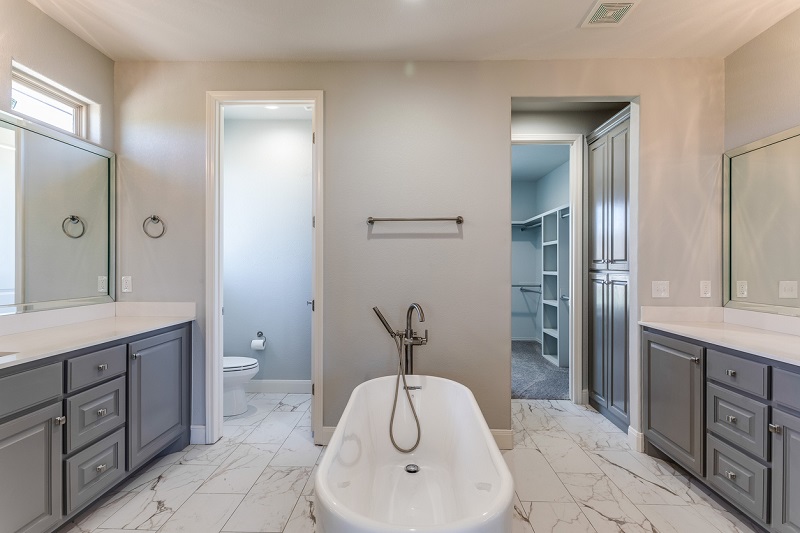
The smallest possible size for a full bath is 40 square feet. 40 square feet is the bare minimum that fits a bathtub, shower, toilet, and sink comfortably.
Here are some additional considerations when planning out your bathroom size:
Bathroom door sizes and clearances: Bathroom doors vary in size, but adding about 2 inches to the width and 2.5 inches to the height allows for proper framing and floor clearance, ensuring easy access and unobstructed movement.

Eric is the founder and president of Badeloft USA. He has been the president of Badeloft’s US division for over ten years and oversees all marketing and branding aspects of Badeloftusa.com.
His expertise lies in small business development, sales, and home and bathroom industry trends and information.
Contact us with any business related inquiries.
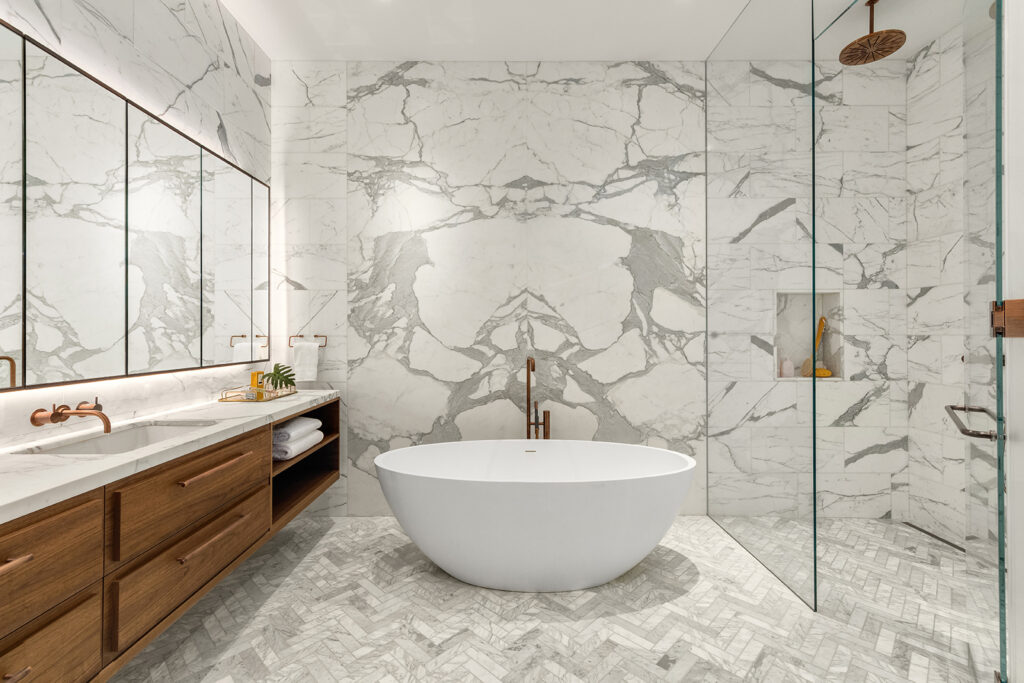
Free material samples and tub templates
Today’s bathtub choices are plentiful with a host of styles, shapes, sizes, and materials to choose. The choice often comes
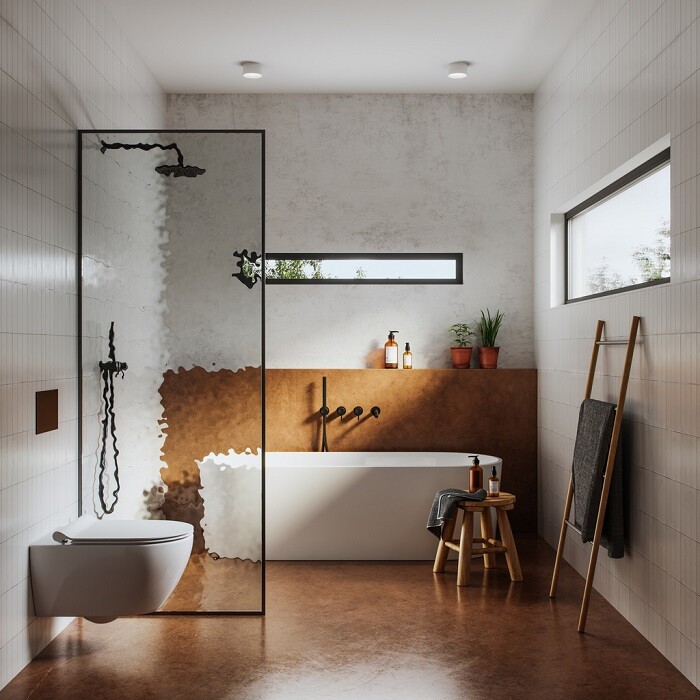
Does adding a bathtub to your home increase its resale value? The short answer is yes, with many US homeowners
Bathtubs are an important centerpiece for any bathroom. The style of your bathtub influences how the rest of your bathroom
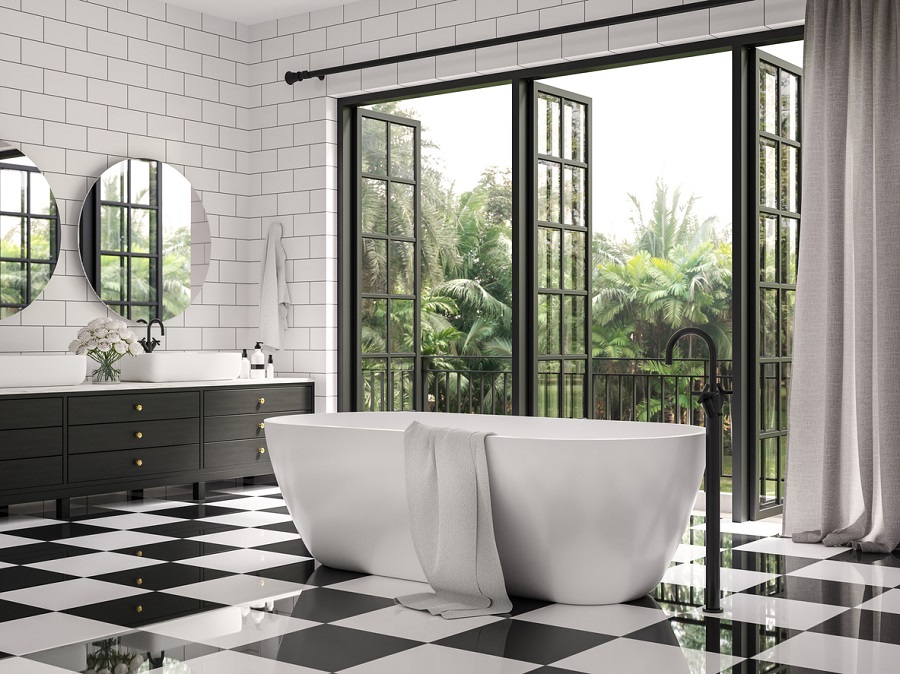
Tired of the traditional alcove tub and looking for something more distinctive? Standard bathtubs are no longer your only option.
"*" indicates required fields
"*" indicates required fields
Request your free material sample below. By submitting, you agree to receive occasional product updates and offers from Badeloft. Unsubscribe anytime.
"*" indicates required fields
I said FEET NOT SQUARE FEET!!!!!!!!!!! COME ON PEOPLE!
There’s a list of WxH dimensions… But it’s easy to guess your reading comprehension might be lacking.
Only problem McTrumpless is the dimensions are X/Y…not width and height….or Length/Depth would be a proper way to look at it…
I concur that his reading comprehension is most likely lacking
Are you all the same person?
Let’s go brandon!
I agree with much being said here
This is fantastic, well related info!
I have a room 5′ X 6’5″ Can a bathroom fit with a shower. How can it be laid out.