
40+ Luxury Bathroom Ideas for 2026 – Designs That Actually Make the Investment Worth It
Spring is peak bathroom renovation season – and with remodel costs up 15–20% this year, the pressure to get it
Sink bowls are quickly becoming a popular addition to many bathrooms today. Blending both modern sensibilities and a classic wash basin feel, sink bowls provide an affordable upgrade to any bathroom.
The decision that trips most people up is not the color or the size it is understanding how the different types, materials, and shapes interact with their specific bathroom. A sink bowl that looks perfect in a showroom can feel wrong on a low vanity, or high-maintenance in a household that does not want to think about sealing or polishing. This guide covers what actually matters for your situation.
A sink bowl refers to a circular or round sink design that is meant to emulate a wash basin. This basin is firmly attached to a vanity or counter with a faucet that is placed above it.
Sink bowls are popular additions to smaller bathrooms that are limited on space, but they can be implemented in any bath space. The advantage of a sink bowl is that it can provide a modern touch to your bathroom while still retaining a classic feel. Because the basin sits above the counter rather than recessed into it, sink bowls leave the countertop surface largely uninterrupted which reads as cleaner and more intentional than a standard undermount or drop-in setup, especially in smaller bathrooms where visual clutter compounds quickly. That raised profile is also what makes them a strong design statement in a powder room or primary bath, where the sink is often the first thing you notice when you walk in
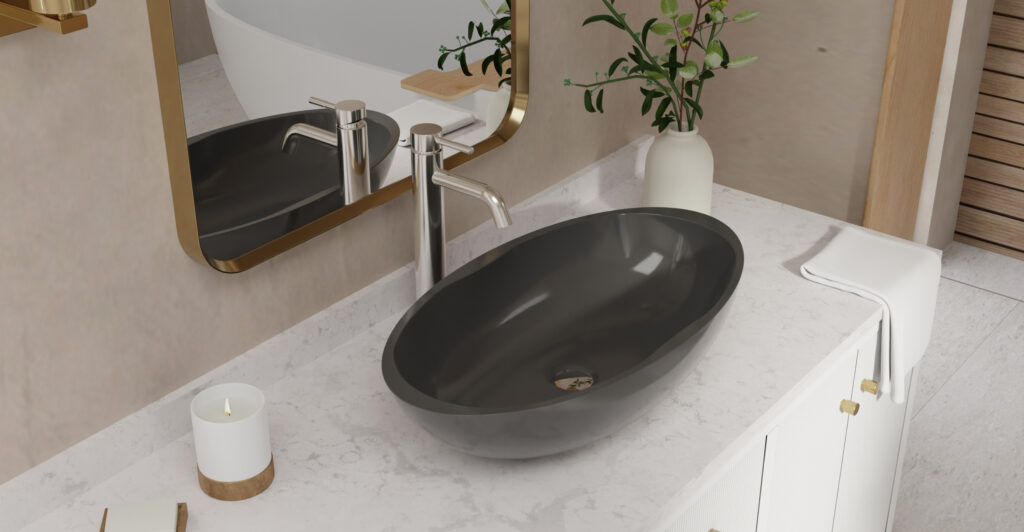
Sink bowls are available in a few different types to fit different users. Below are the primary sink bowl types and their uses.
| Material | Advantages | Drawbacks | Price Range |
| Glass | Highly customizable, good heat retention, affordable | Brittle, prone to chipping from heavy impacts, requires regular polishing | $80 to $600 |
| Copper | Excellent heat retention, easy to maintain, holds value over time, natural antimicrobial properties | Expensive, often requires custom fabrication | $250 to $1,200+ |
| Marble | Durable, good heat retention, minimal upkeep, retains value | Scratches easily with use, sensitive to acidic cleaners | $200 to $1,000+ |
| Stone Resin | Non-porous, highly durable, lightweight compared to natural stone, easy to install and shape | Fewer color variations than natural stone | $150 to $800 |
| Wood | Unique aesthetic, solid heat retention, eco-friendly, handles heavy impacts well | Degrades over time, cannot handle chemical cleaners | $200 to $900+ |
| Ceramic | Inexpensive, available in many colors and sizes, easy to clean | Prone to chipping and scratching, sensitive to high temperatures, lower long-term value | $40 to $400 |
| Concrete | Highly customizable shape and color, durable, strong visual presence | Heavy, requires sealing to prevent stains, can develop hairline cracks | $300 to $1,500+ |
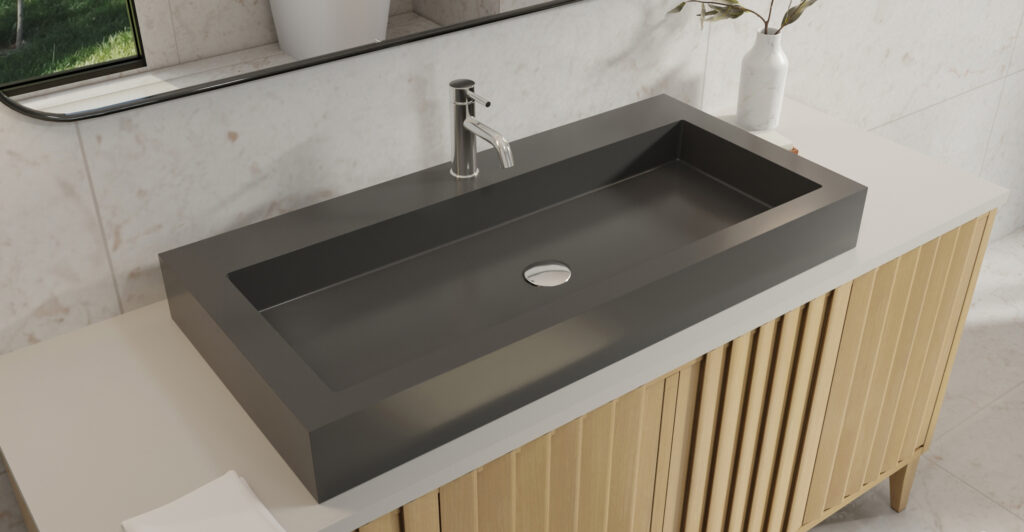
Sinks are available in a few shapes, chosen for either utility or aesthetic appeal. Here are the most common shapes for a sink bowl.
The shape should follow the overall design language of the bathroom. Round and oval bowls soften a bathroom full of straight lines and hard edges they work naturally in traditional or transitional spaces and pair well with brushed brass or matte black fixtures. Square bowls reinforce a clean, geometric aesthetic and tend to look sharpest in modern or minimalist bathrooms with consistent angular detailing throughout. Mixing a round bowl into a room of all-square tile and cabinetry, or vice versa, can look unintentional rather than considered.
Sink bowls are available in a range of sizes, depending on whether you are shopping for the bowl itself or a full vanity unit. The sizing listed below refers to the diameter of individual countertop sink bowls, not vanity lengths, which are a separate measurement
As a general rule, larger sink sizes complement larger bathrooms, while smaller sizes pair well with powder rooms and half baths.
| Size | Best For | Notes |
| 16 to 18 inches | Powder rooms, half baths, small vanities | Most popular size range; compact but functional |
| 19 to 22 inches | Standard bathrooms, guest baths | Good balance of size and counter space |
| 24 to 30 inches | Primary bathrooms, larger vanities | More washing area, deeper basin options |
| 36 inches and above | Double vanities, spa-style bathrooms | Trough-style sinks for shared use |
The right color can shift the entire mood of your bathroom. A well-chosen sink bowl color ties together your countertop, vanity, and wall finishes into a cohesive look.
Color choice becomes more consequential with a countertop bowl than with an undermount sink, because the bowl is fully visible above the counter and reads as part of the room’s design rather than just a functional fixture. A black bowl on a white vanity is a deliberate, high-contrast choice that draws the eye immediately, which is the point. A white bowl on a white vanity creates a softer, more unified look, with the bowl’s shape as the focal point rather than its color. If you are not sure, white or a warm neutral is the more forgiving starting point; black and matte finishes leave less room for error if the rest of the bathroom is not already cohesive.
Sink bowl design has come a long way from the basic raised bowl on a countertop. Here is what designers and homeowners are gravitating toward in 2026.
Textured and natural materials are leading the way. Rough-hewn stone, honed concrete, and hand-finished ceramic are replacing the polished glass bowls that dominated a few years ago. The emphasis now is on surfaces you can feel, where natural grain, subtle imperfections, and matte finishes create visual depth through light and shadow rather than shine.
Sculptural and irregular shapes are gaining ground. Triangular sinks that tuck into corners, asymmetrical organic forms, and wide shallow basins are all showing up in showrooms and design portfolios. These shapes go beyond decoration. Many are designed with ergonomics in mind, giving you a more comfortable hand-washing experience while making the sink feel like a piece of art.
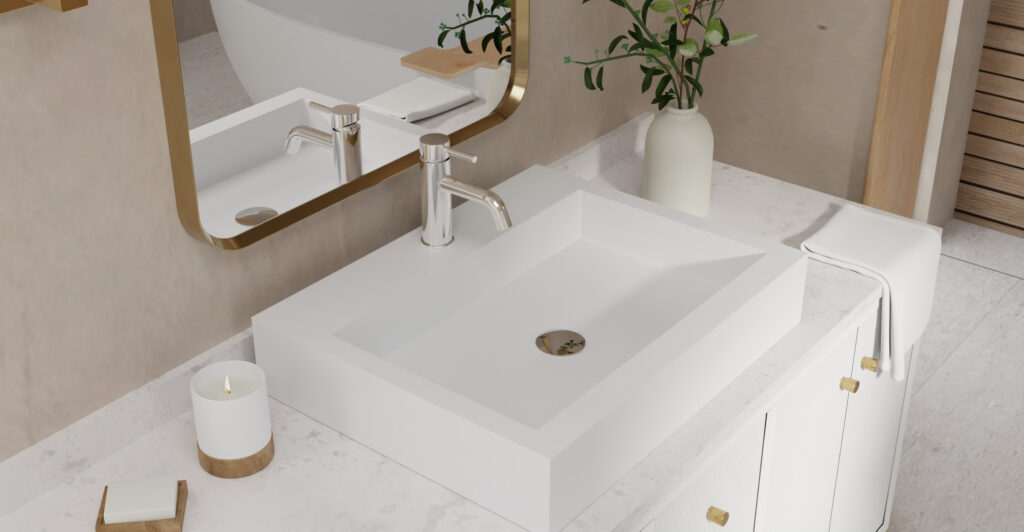
Semi-recessed designs are bridging the gap. One of the bigger shifts in 2026 is the rise of semi-recessed vessel sinks that sit partially inside the countertop rather than fully on top. This lowers the overall height, reduces splashing, and gives you a cleaner look at the vanity while keeping the visual presence that makes vessel sinks appealing in the first place.
Warm tones and earthy palettes are replacing cool grays. Sage green, terracotta, warm taupe, and soft clay tones are appearing across bathroom fixtures, and sink bowls are no exception. These colors pair well with the natural wood vanities and brushed brass or gold hardware that are trending at the same time.
Integrated sink and vanity units are growing. Rather than choosing a sink bowl and vanity separately, many homeowners are opting for integrated units where the basin and countertop are designed as a single piece. This simplifies installation, eliminates the gap between sink and counter where grime builds up, and creates a more seamless overall look.
Sink bowl prices vary widely depending on the material, size, and where you buy. Here is a general breakdown of what to expect in 2026.
| Cost Category | Price Range | Notes |
| Budget vessel sink (ceramic, basic glass) | $40 to $200 | Widely available at home improvement stores |
| Mid-range vessel sink (stone resin, tempered glass, quality ceramic) | $200 to $600 | Better durability and finish options |
| High-end vessel sink (natural stone, copper, artisan concrete) | $600 to $1,200+ | Custom or designer pieces |
| Professional installation | $250 to $500 | Includes plumbing hookup; varies by region |
| Faucet (if not included) | $50 to $400+ | Tall vessel faucets cost more than standard |
Keep in mind that vessel sinks need a compatible faucet. Standard basin faucets are often too short to clear the rim of a raised bowl, so plan on budgeting for a tall or wall-mounted faucet if your current one will not reach.
A sink bowl is one of the more impactful and accessible upgrades you can make to a bathroom. Done right, it elevates a functional fixture into something that sets the tone for the whole room. Start with the type that fits your storage situation, choose a material that matches how the bathroom actually gets used, and let the shape and color follow the design language already in the space. Browse Badeloft’s full collection of countertop sink bowls to find the right fit for your setup.

Eric is the founder and president of Badeloft USA. He has been the president of Badeloft’s US division for over ten years and oversees all marketing and branding aspects of Badeloftusa.com.
His expertise lies in small business development, sales, and home and bathroom industry trends and information.
Contact us with any business related inquiries.
Badeloft is dedicated to helping homeowners make informed decisions about their bathrooms. We adhere to strict editorial guidelines to ensure our content is accurate, trustworthy, and useful.
Request free stone resin and stainless steel material samples. Delivered to your door.
Spring is peak bathroom renovation season – and with remodel costs up 15–20% this year, the pressure to get it
It’s spring, tax refunds are landing, and if you’ve been putting off a bathroom upgrade, you’re in good company. A
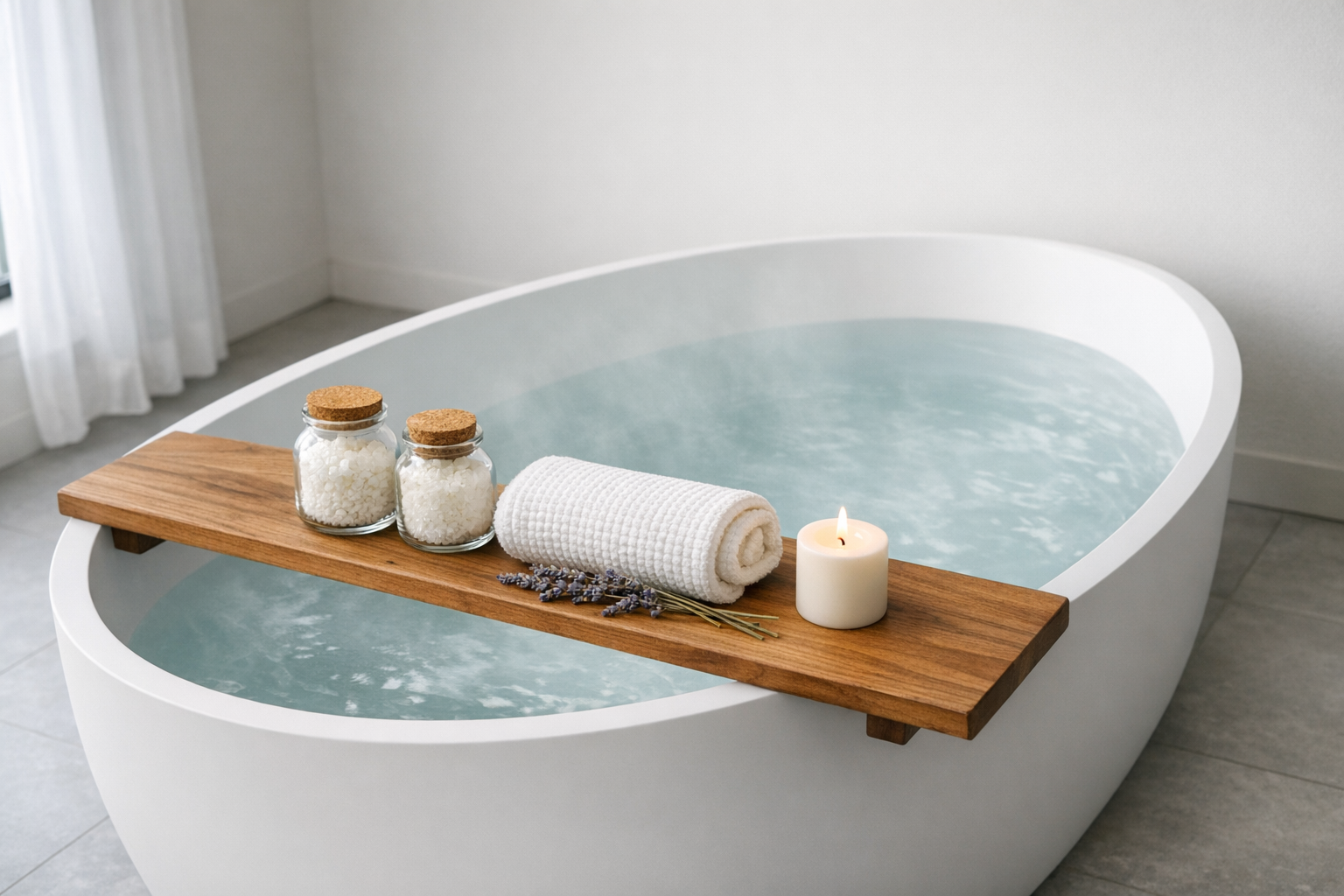
There is something almost ceremonial about drawing a bath. The sound of water filling a deep tub, the slow release
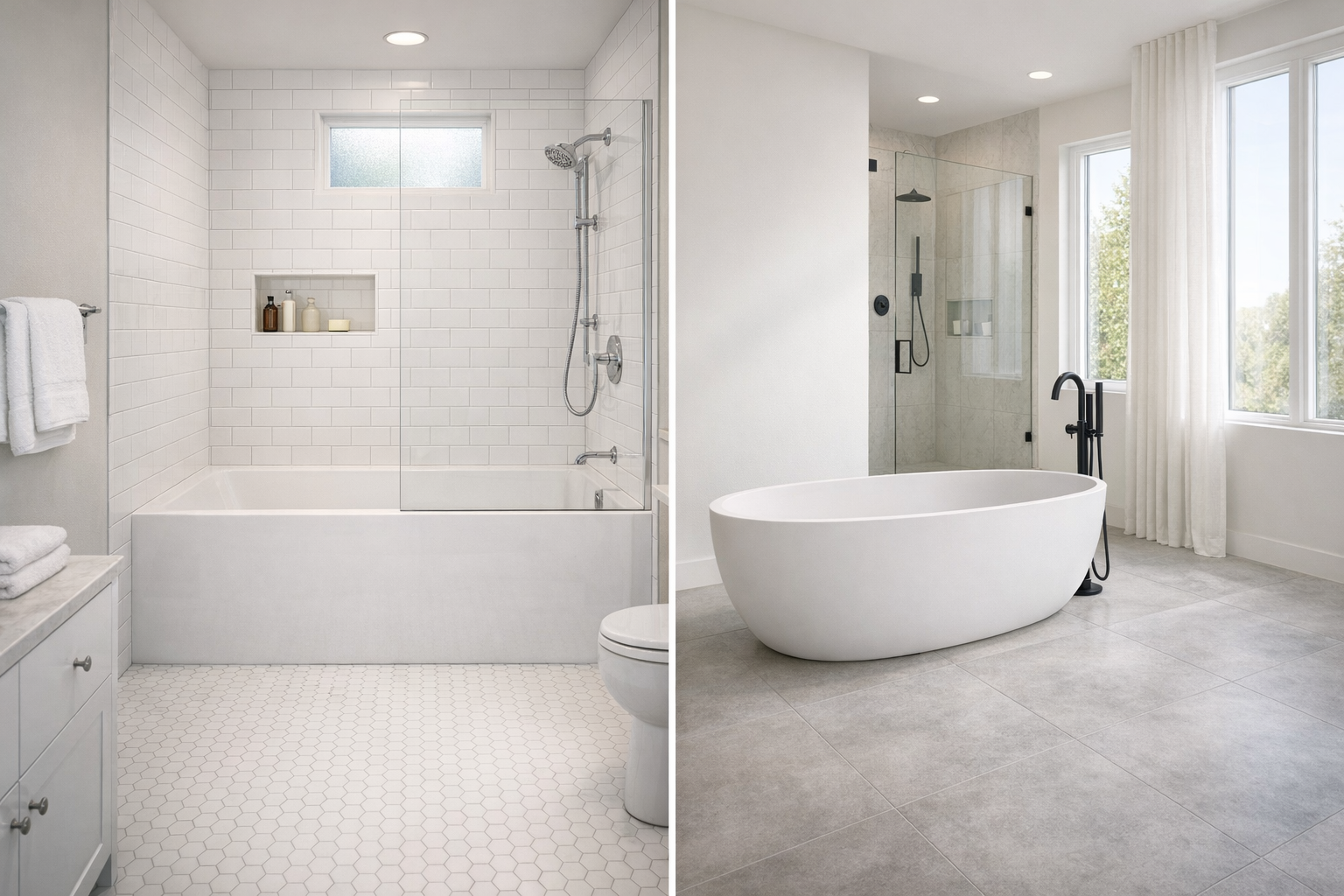
You’re planning a bathroom renovation and staring down one of the most common decisions homeowners face: do you keep a
Request your free material sample below. By submitting, you agree to receive occasional product updates and offers from Badeloft. Unsubscribe anytime.
"*" indicates required fields