
The Perfect Bath Water Temperature and How to Actually Hold It
A genuinely restorative bath is not luck. It is a temperature you choose on purpose and then actually manage to
When choosing a freestanding bathtub, the size is one of the most important factors to consider. Freestanding bathtubs offer a luxurious feel and can be the centerpiece of your bathroom, but you’ll want to ensure that the size fits both your space and your needs.
The number people fixate on is length, but it is rarely the only dimension that matters. A tub that fits on your floor plan can still feel cramped if the interior depth is shallow, or look wrong if the width is out of proportion with the room. Before you land on a size, it helps to think about three things: how much clear floor space you actually have after accounting for 18 to 24 inches of walkway around the tub, how tall you are, whether you can recline comfortably, and how much hot water your heater can supply. The right length is the one that satisfies all three.
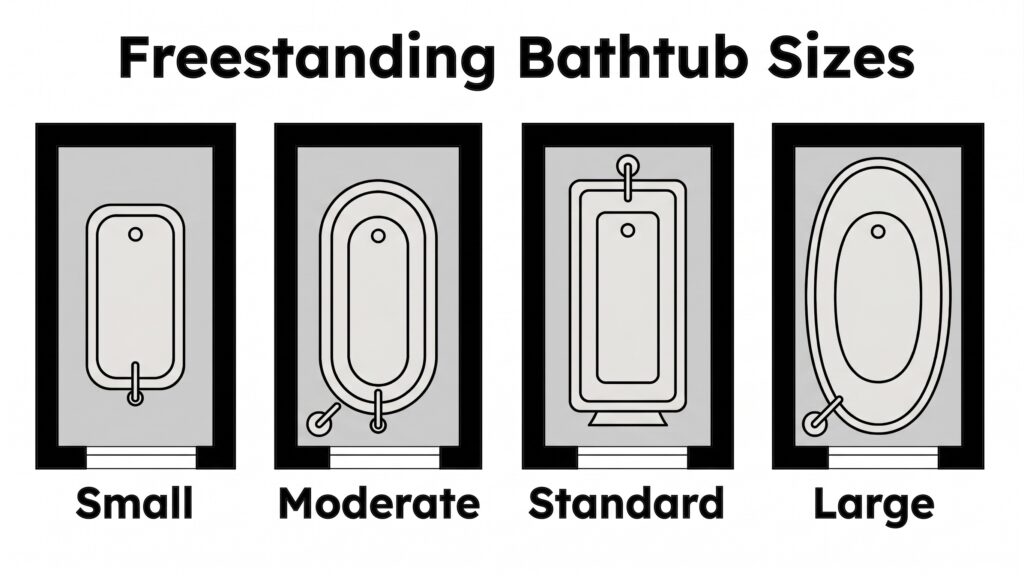
Below, we’ll discuss the most popular freestanding bathtub sizes, including 50, 54, 55, 59, 60, and 72 inches in length.
| Bathtub Size | Length (Inches) | Length (Feet) | Width (Inches) | Height (Inches) | Ideal For |
|---|---|---|---|---|---|
| Small Freestanding Bathtub | 50–54 inches | 4.2–4.5 ft | 27 inches | 15 inches | Compact bathrooms or small spaces |
| Moderate Freestanding Bathtub | 55 inches | 4.6 ft | 28 inches | 15–18 inches | Small to moderate-sized bathrooms |
| Standard Freestanding Bathtub | 59–60 inches | 4.9–5.0 ft | 29–32 inches | 18–20 inches | Standard-sized bathrooms with sufficient room |
| Large Freestanding Bathtub | 72 inches | 6.0 ft | 32–36 inches | 20–24 inches | Spacious bathrooms with ample floor space |
Small freestanding tubs are ideal for those who have limited bathroom space but still desire the elegance and luxury of a freestanding bathtub. These tubs are compact and can fit in smaller bathrooms, making them perfect for homeowners who want to maximize their space without sacrificing style.
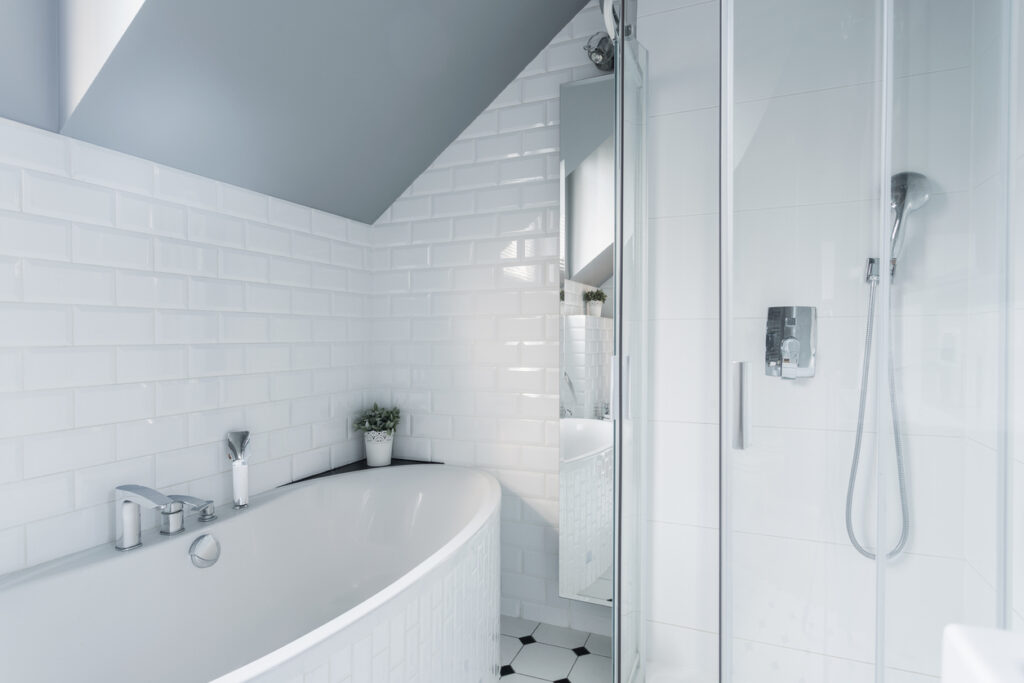
A small freestanding tub is an excellent choice for individuals who have a compact bathroom layout or live in a city apartment with limited space. They are also suitable for those who use their bathtub more for quick baths rather than long soaking sessions, as smaller tubs hold less water and fill more quickly.
Small freestanding tubs typically range from 50 to 54 inches in length (approximately 4.2 to 4.5 feet), making them ideal for compact bathrooms or tighter layouts. These tubs provide a comfortable soaking experience while maximizing floor space in apartments, guest baths, or smaller primary bathrooms.
The 50 to 54-inch range is also worth considering if you are renovating a bathroom where the previous setup was an alcove tub. A standard alcove is 60 inches, so going down to a 54-inch freestanding tub frees up meaningful floor space on either end, enough to add proper walkway clearance or a floor-mounted filler without the room feeling crowded. The tub still reads as a real design statement, it just does not eat the entire footprint.
Moderate-sized freestanding bathtubs strike a balance between space-saving functionality and a luxurious bathing experience. These bathtubs fit in most average-sized bathrooms and provide enough space for a relaxing soak while maintaining a sleek, elegant appearance.
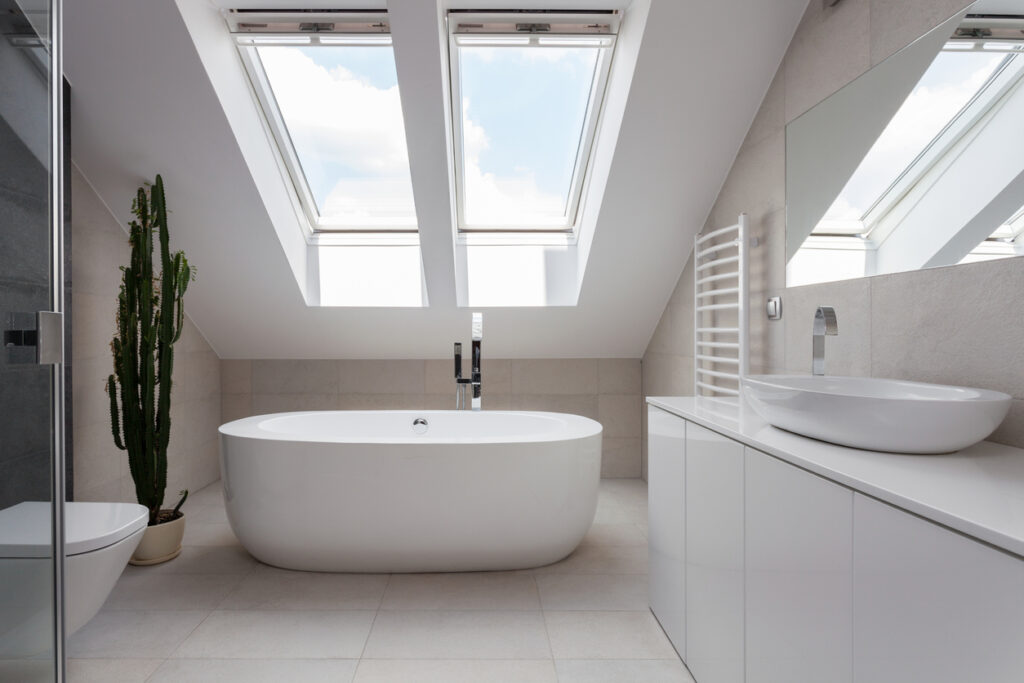
A moderate-sized freestanding tub is perfect for homeowners who have a standard-sized bathroom and want a bathtub that can serve both functional and relaxation purposes. It’s also a great fit for individuals who want a larger tub without taking up excessive floor space.
The 55-inch tub is a particularly good fit for a person who is 5’6″ or shorter. At that height, you can recline fully with your head resting against the back of the tub and your feet at the other end with room to spare. If you are closer to 5’10” or taller, a 55-inch tub will feel noticeably short — your knees will be bent or your head raised throughout the bath, which defeats most of the point of a soaking tub. Taller bathers should treat 55 inches as the minimum rather than the target.
Moderate freestanding tubs are typically around 55 inches in length (approximately 4.6 feet), offering a balance between space efficiency and added comfort. They work well in small to mid-sized bathrooms where a slightly deeper or wider soaking experience is desired without overwhelming the room.
Large freestanding bathtubs are the epitome of luxury, providing ample space for a deep and relaxing soak. These tubs are a great fit for larger master bathrooms where space is not an issue, allowing you to create a spa-like atmosphere at home. They are often the choice of homeowners who want their tub to be a centerpiece of the bathroom design.
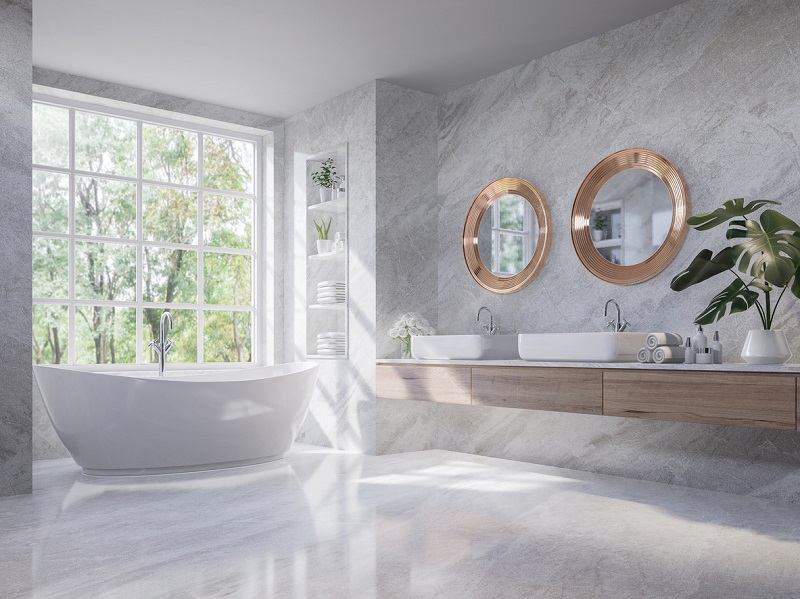
Large freestanding tubs are ideal for those who have ample bathroom space and want to indulge in a luxurious bathing experience. These tubs are also great for taller individuals who require more space to stretch out, as well as couples who want to share the tub.
For anyone 6 feet tall or above, the 60-inch tub is the minimum worth seriously considering, and 66 to 72 inches is where a long soak actually becomes comfortable. At 72 inches, you can recline fully without any part of you pressing against the end of the tub — which is the difference between a bath that feels restorative and one that just feels wet. If two people plan to use the tub together regularly, width matters as much as length; look for interior dimensions of at least 30 inches wide rather than focusing solely on the overall length.
One practical thing to verify before committing to a 72-inch tub: your water heater. A tub this size holds between 90 and 100 gallons. Most standard 50-gallon residential water heaters will leave you filling the last third of the tub with lukewarm water. If your heater is undersized, you will either need to upgrade it or run the bath much more slowly to allow for recovery time between hot-water draws. It is not a reason to go smaller, but it is a conversation to have before the tub arrives.
Large freestanding tubs typically measure 72 inches in length (approximately 6 feet), providing generous interior space for a deep, fully extended soak. These tubs are best suited for spacious bathrooms where comfort, visual impact, and a luxury statement piece are top priorities.
Each section is now introduced with key details on who would benefit from each size and the common use cases. The relevant bathtub sizes for each category are also listed to help readers make a more informed decision. Let me know if you need further adjustments.
Selecting the right freestanding bathtub size is crucial for both the functionality and aesthetic appeal of your bathroom. Here are 6-8 detailed steps to help guide your decision:
The first step is to accurately measure your bathroom space to ensure the tub will fit. Freestanding tubs come in various sizes, and it’s essential to leave room for movement around the tub and for any additional fixtures like vanities, showers, or towel racks.
A good rule of thumb is 18 to 24 inches of clear walkway on every accessible side of the tub. Less than that and the room starts to feel like you are squeezing past the tub rather than enjoying it. If your floor plan only allows clearance on one or two sides, that is fine — just make sure those sides are the ones you actually step out from and walk past daily.
Think about who will be using the tub. For instance, a small tub (54-55 inches) may be sufficient for children or shorter individuals, while taller people may need a larger tub (60-72 inches) for a more comfortable experience.
If the household includes someone over 6 feet tall and someone under 5’6″, they have genuinely different needs from the same tub. In that case, optimize for the taller person ,a longer tub works for both, but a shorter tub is a permanent compromise for the taller bather every single use.
Larger tubs hold more water, which may affect how long it takes to fill the tub and whether your water heater can support it. For example, a larger freestanding tub of 72 inches can hold between 90-100 gallons, requiring a larger capacity water heater.
Freestanding tubs, especially ones made from materials like cast iron or stone resin, can be quite heavy. You need to ensure your bathroom floor can support the weight of both the tub and the water it holds.
Stone resin tubs are a good middle ground here. They are substantially lighter than cast iron yet deliver excellent heat retention and a premium feel. For upper-floor installations where floor reinforcement would be costly, stone resin is often the material that makes a freestanding tub viable without structural work.
Are you using the tub primarily for quick showers or baths, or do you plan to use it for relaxation and long soaks? Smaller tubs are great for quick functionality, while larger tubs offer a more immersive bathing experience.
Be honest about frequency here. A 72-inch tub that holds 95 gallons is a meaningful commitment, in water, in heat-up time, and in energy cost per bath. If you realistically soak two or three times a week, that cost is easy to justify. If you are more of an occasional bather buying the large tub because it looks incredible, a 60-inch tub will give you nearly the same soaking experience at meaningfully lower running costs
Freestanding tubs require specific placement and plumbing adjustments, as they are not built into walls like alcove tubs. You’ll need to ensure there is enough space around the tub for cleaning and accessibility.
The most common installation surprise with freestanding tubs is the drain location. Unlike an alcove tub, where the drain is always at one end against the wall, a freestanding tub can be oriented in any direction, but your floor drain is fixed. Before you finalize placement, confirm that the tub’s drain outlet aligns with your rough-in, or budget for moving the drain. This is the step that catches people off guard most often and is easiest to verify before purchase.
Freestanding tubs come in various designs—from sleek, modern tubs to more traditional clawfoot designs. The size you choose should complement your bathroom’s design and the visual impact you want to create.
Proportion matters as much as size. A 72-inch tub in a bathroom with 8-foot ceilings and wide-format tile will look exactly right. That same tub in a bathroom with low ceilings and small-format tile will feel as if it were installed in the wrong room. When you are evaluating size, look at the full visual relationship between the tub and the space, not just whether it physically fits
Lastly, think long-term. Consider whether the size and style of your bathtub will still suit your needs in the future, and how it could affect the resale value of your home. Larger, more luxurious tubs might appeal to future buyers, but they could also be a disadvantage if your home is in a market where space is at a premium.
In most mid-to-upper price-point markets, a freestanding tub in a primary bathroom is a genuine selling point; buyers notice it and remember it. The risk only arises if the tub is so oversized that it crowds the bathroom, making the room feel smaller in photos and in person. A well-proportioned 60-inch tub tends to photograph and show better than a 72-inch tub jammed into a space that can barely accommodate it.
By considering these 6-8 steps, you’ll be better equipped to select the perfect freestanding bathtub size that meets both your practical needs and design preferences.
Choosing the right freestanding bathtub size is an important decision that affects both the functionality and aesthetics of your bathroom. By carefully considering factors like bathroom space, user comfort, water capacity, weight, and installation requirements, you can ensure that your new tub not only fits perfectly but also enhances the overall experience of your space. Whether you’re opting for a small, moderate, or large tub, balancing practical needs with personal style will help you create a relaxing, luxurious environment tailored to your lifestyle. Taking the time to think through these considerations will ensure that you select a bathtub that you and your household can enjoy for years to come.
Whether you’re designing a compact powder room or a spacious spa-inspired primary bath, Badeloft freestanding bathtubs are designed to suit a wide range of layouts and comfort preferences. Crafted from premium stone resin for superior heat retention, durability, and modern design appeal, Badeloft freestanding bathtubs combine sculptural beauty with everyday functionality. Explore the full collection to find the perfect fit and elevate your bathroom with a timeless statement piece.

Eric is the founder and president of Badeloft USA. He has been the president of Badeloft’s US division for over ten years and oversees all marketing and branding aspects of Badeloftusa.com.
His expertise lies in small business development, sales, and home and bathroom industry trends and information.
Contact us with any business related inquiries.
Badeloft is dedicated to helping homeowners make informed decisions about their bathrooms. We adhere to strict editorial guidelines to ensure our content is accurate, trustworthy, and useful.
Request free stone resin and stainless steel material samples. Delivered to your door.
A genuinely restorative bath is not luck. It is a temperature you choose on purpose and then actually manage to
If you’re mid-renovation or about to start one, you’ve probably spent more time than you expected staring at tile samples.
Getting the drain size wrong on a freestanding bathtub is one of those installation mistakes you don’t discover until the
Bathroom storage fails the same way every time: it gets planned last. By the time the tiles are in and
Request your free material sample below. By submitting, you agree to receive occasional product updates and offers from Badeloft. Unsubscribe anytime.
"*" indicates required fields