
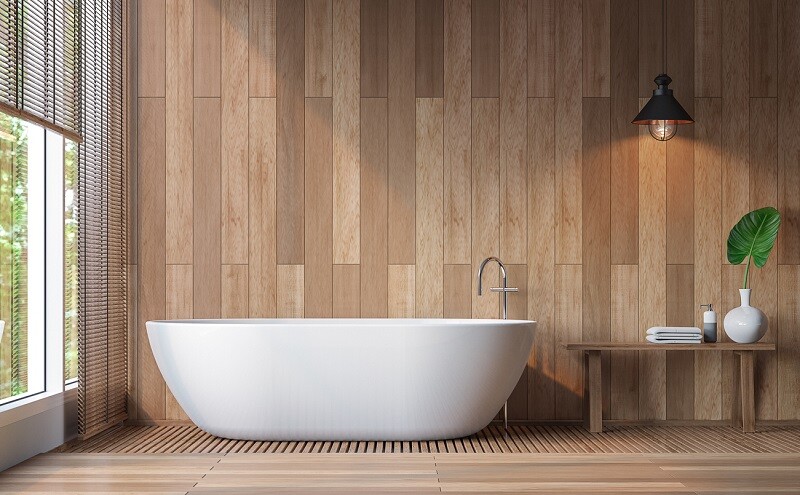
Popular Freestanding Bathtub Sizes: 50, 54, 55, 59, 60 and 72 Inch tubs
When choosing a freestanding bathtub, the size is one of the most important factors to consider. Freestanding bathtubs offer a
A freestanding bathtub is one of the few fixtures that can genuinely change how a bathroom looks and how it feels to use. But buying one involves more decisions than most people expect, size, layout, material, weight, plumbing rough-in, faucet type, and where to purchase.
This guide walks through every decision you need to make before buying a freestanding tub. By the end, you’ll know what will fit (in the room and through the door), which materials match your priorities, what to confirm with your plumber, and how to shop with confidence, whether you’re a homeowner remodeling or a designer building a client spec.
Short on time? Answer these core questions before you commit:
Freestanding tubs can be a showpiece and a genuine quality-of-life upgrade, but they aren’t automatically the right choice for every bathroom. Here’s a practical, no-fluff look at the tradeoffs.
| Aspect | Pros | Cons |
|---|---|---|
| Choice | Wide range of styles (modern, clawfoot, deep soaking) and materials | Too many options can make it harder to choose without a checklist |
| Installation | Placement flexibility (doesn’t require three surrounding walls) | Drain alignment + faucet rough-in planning matters more |
| Look | High-end, centerpiece aesthetic | Needs enough space around it to look “intentional” |
| Cost | Premium materials and designs can be a long-term upgrade | Often higher total cost once you add faucet + labor |
| Weight | Heavier tubs can feel more solid and hold heat better | May require floor reinforcement (especially cast iron) |
There’s no single best place to purchase a freestanding bathtub, it depends on your priorities: price, in-person guidance, customization, or premium material quality.
Large home improvement chains carry a wide range of freestanding tubs from various manufacturers. The advantage is the ability to compare styles and sometimes see display models in person. Return policies can be more straightforward than freight-only sellers. The downside: limited customization and a selection that often skews toward mass-produced acrylic.
Massive catalogs and aggressive pricing, with quality that can vary widely. Photos can be misleading and heavy freight returns may be complicated. Always verify seller reputation and inspect the tub on delivery.
Specialty brands tend to offer higher build quality, better support, and more curated materials. Many provide samples so you can feel the surface before committing. Tradeoffs can include a smaller range and longer lead times for select models.
Plumbing supply and kitchen-and-bath showrooms let you see and touch premium fixtures across brands. Staff often understands rough-ins, compatibility, and real-world installation constraints, which can prevent expensive mistakes.
If you need a non-standard size, finish, or fully bespoke design, custom fabricators can build to spec. Expect longer lead times, higher costs, and limited or no return policies.
This is the step most people rush through, and it causes the most regret. Accurate measurements protect you from ordering a tub that crowds the room, overwhelms the layout, or can’t be delivered to the bathroom.
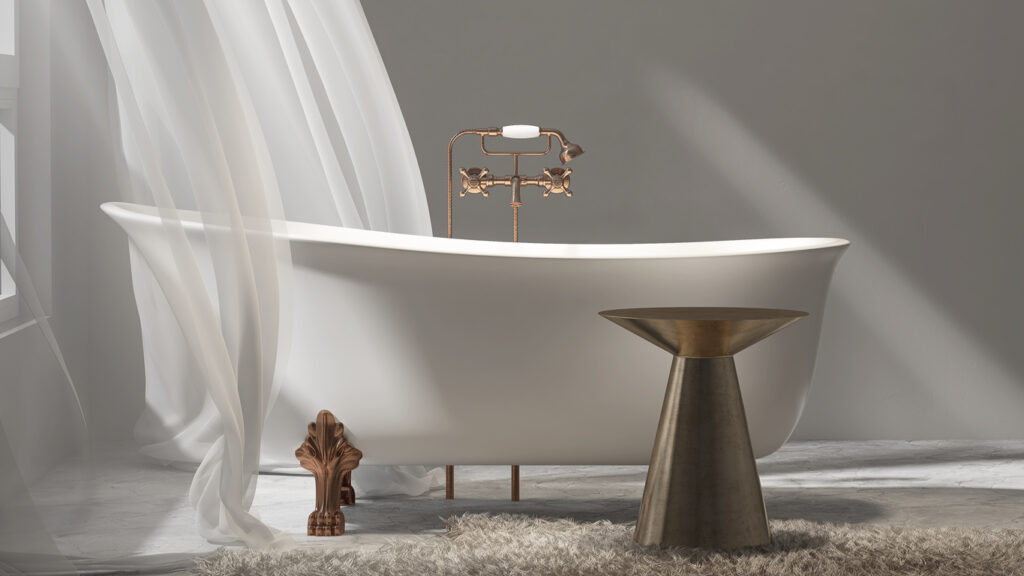
Map the floor area where the tub will sit. Many professionals aim for at least 4–6 inches of clearance between the tub and surrounding walls or fixtures (more space is better when the room allows). Also plan a comfortable approach path so stepping in and out doesn’t feel cramped.
Measure every doorway, hallway turn, and stairwell between the delivery point and the bathroom. Ask the seller for packaged/crated dimensions — crating adds inches and can be the difference between “fits” and “won’t make the turn.”
Exterior size tells you how it fits the room. Interior size tells you how it fits you. As a general comfort guideline, many adults prefer an interior length that lets them recline without knees pressing into the far wall. Width matters too, very narrow interiors can feel cramped, especially for long soaks or shared baths.
Freestanding tubs come in many sizes. Use these as common reference points (exact dimensions vary by model):
Important: Many tubs include an overflow drain. The “true” soaking water depth is typically measured from the tub’s interior floor to the overflow.
Most homeowners find a tub that’s roughly 14–20 inches deep (to overflow) is sufficient for full-body soaking, depending on body height and preferred bathing posture.
Style affects both the look of your bathroom and how the tub feels to use. Here are the most common categories:
Clean, versatile, and the most common freestanding style today. Often pairs well with minimalist or contemporary faucets.
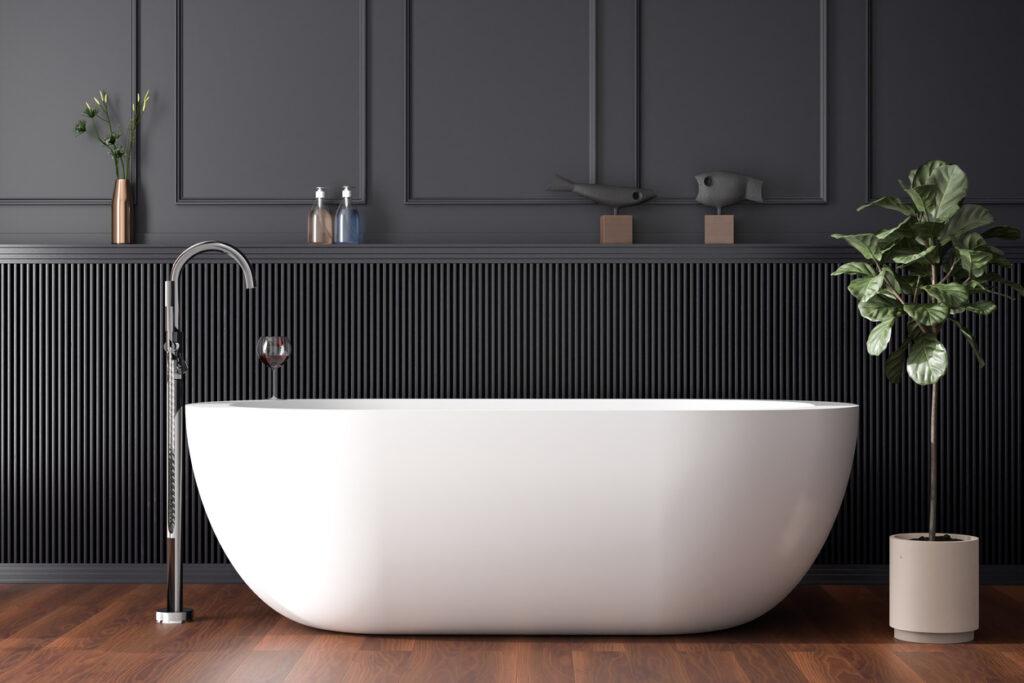
Often wider and designed for upright, immersive soaks. Great in a corner or a dedicated soaking nook when planned properly.
A timeless design style dating back to the 1800s. Usually paired with traditional faucet finishes and can lean vintage, farmhouse, or eclectic depending on the space.
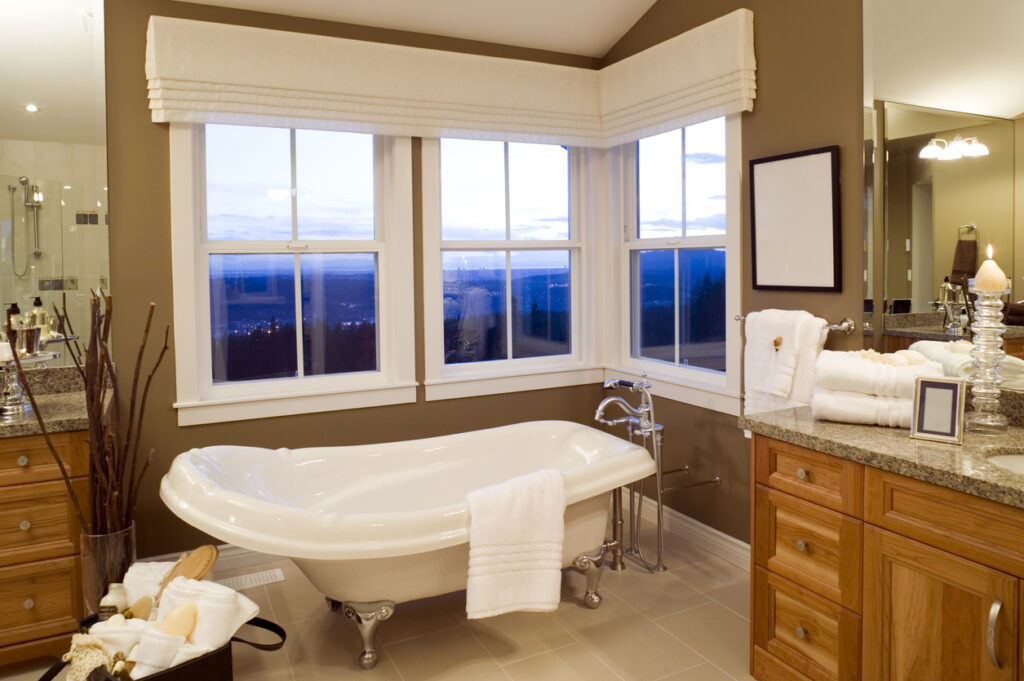
Material impacts how a tub feels, how long it holds heat, how much it weighs, and how it ages over time. Here’s an honest comparison of the most common freestanding tub materials.
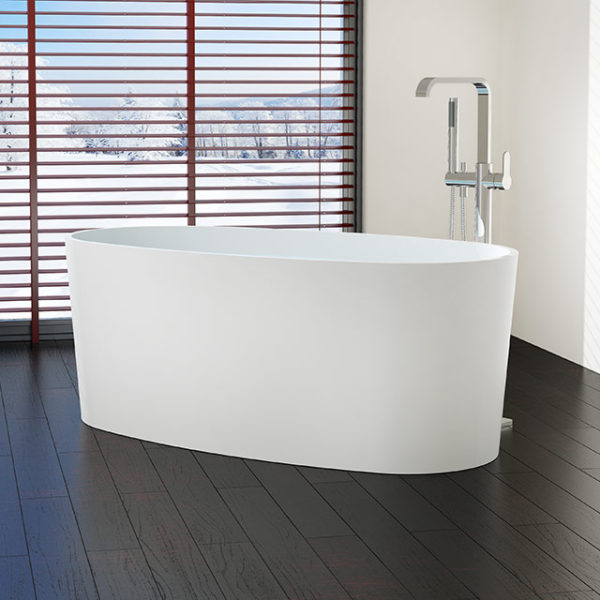
Stone resin is typically a blend of natural minerals and high-performance resin. It’s known for a dense, solid feel (not hollow), strong heat retention, and a smooth finish that’s easy to maintain.
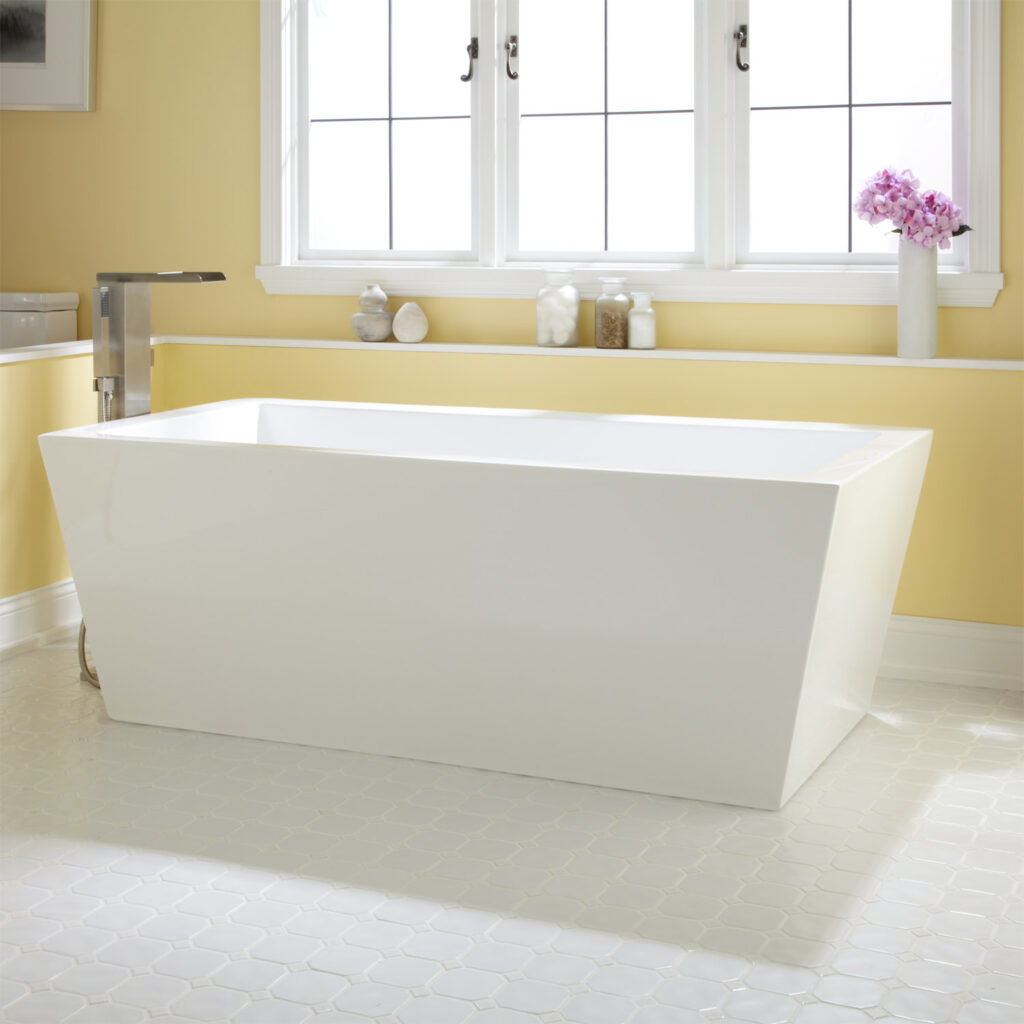
Acrylic is lightweight, widely available, and comes in a huge range of shapes. It’s a common choice for budget-to-midrange remodels, though it can be more prone to fine scratches over time and may feel less substantial than heavier materials.
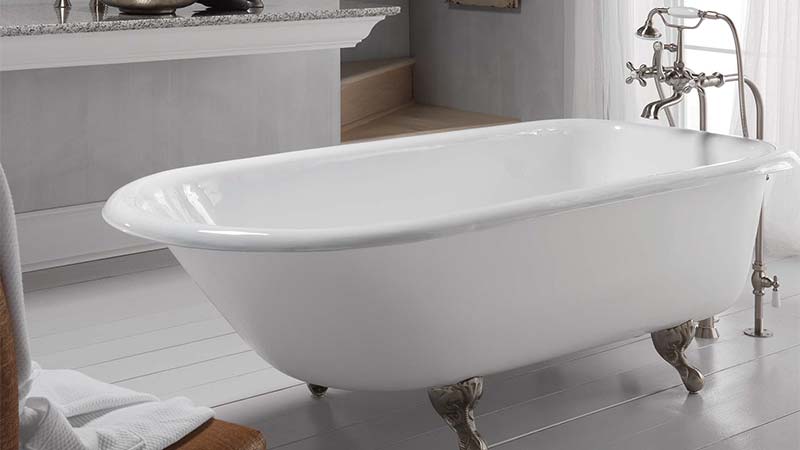
Cast iron tubs are extremely durable and hold heat well. The tradeoff is weight. Installation and floor support must be evaluated carefully, especially on upper levels.
Fiberglass is often the most affordable and the lightest, which can make installation easier. However, it’s typically less durable and may flex or wear faster than higher-end options.
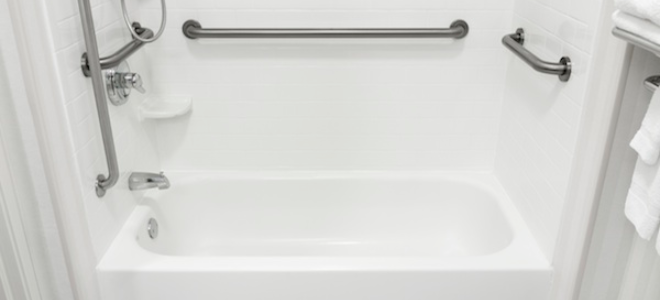
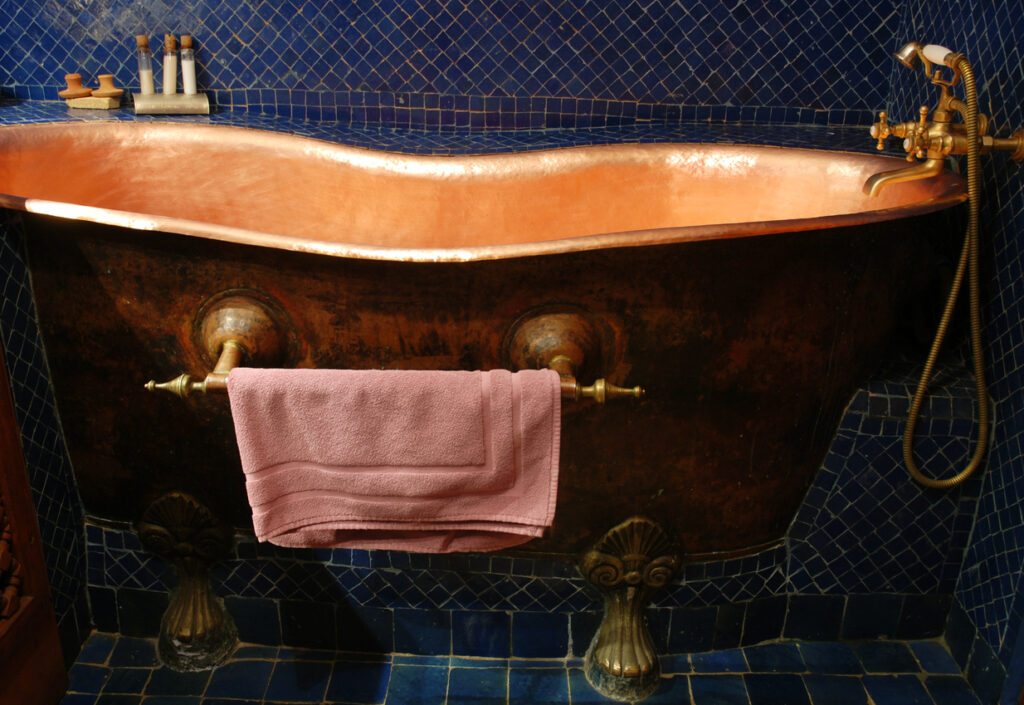
Copper tubs are a bold statement piece. They’re durable, naturally antibacterial, and hold heat well, but they’re typically expensive and require careful cleaning to protect the finish and patina.
Stainless steel tubs are durable and corrosion resistant with a clean, modern look. They can be susceptible to denting from heavy impacts and typically offer fewer design/color options.
These engineered materials vary widely by brand and formula. They often deliver modern, seamless aesthetics and can be easy to maintain, but durability and chemical sensitivity depends on the specific product.
A freestanding tub isn’t plug-and-play. Your plumbing rough-ins and structural prep can be straightforward or complex depending on your existing layout.
Before you buy, confirm where your drain line exits the floor (or wall). Your tub’s drain must align with the rough-in, or the rough-in must move, which adds cost.
Most freestanding tubs include a built-in overflow, but the style varies. Confirm what’s included and whether it meets local requirements.
Every freestanding tub is heavy when filled. A filled tub with a bather can easily exceed 500+ lbs depending on size and material (cast iron is typically the heaviest). If you’re installing upstairs, in an older home, or choosing a very heavy tub, have a contractor confirm floor support.
Faucet selection impacts rough-in requirements and overall look. Choose your faucet type early so your plumber can plan supply lines correctly.
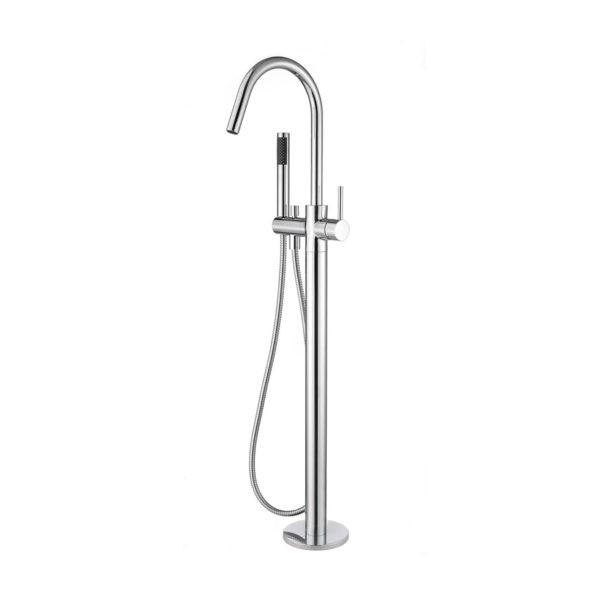
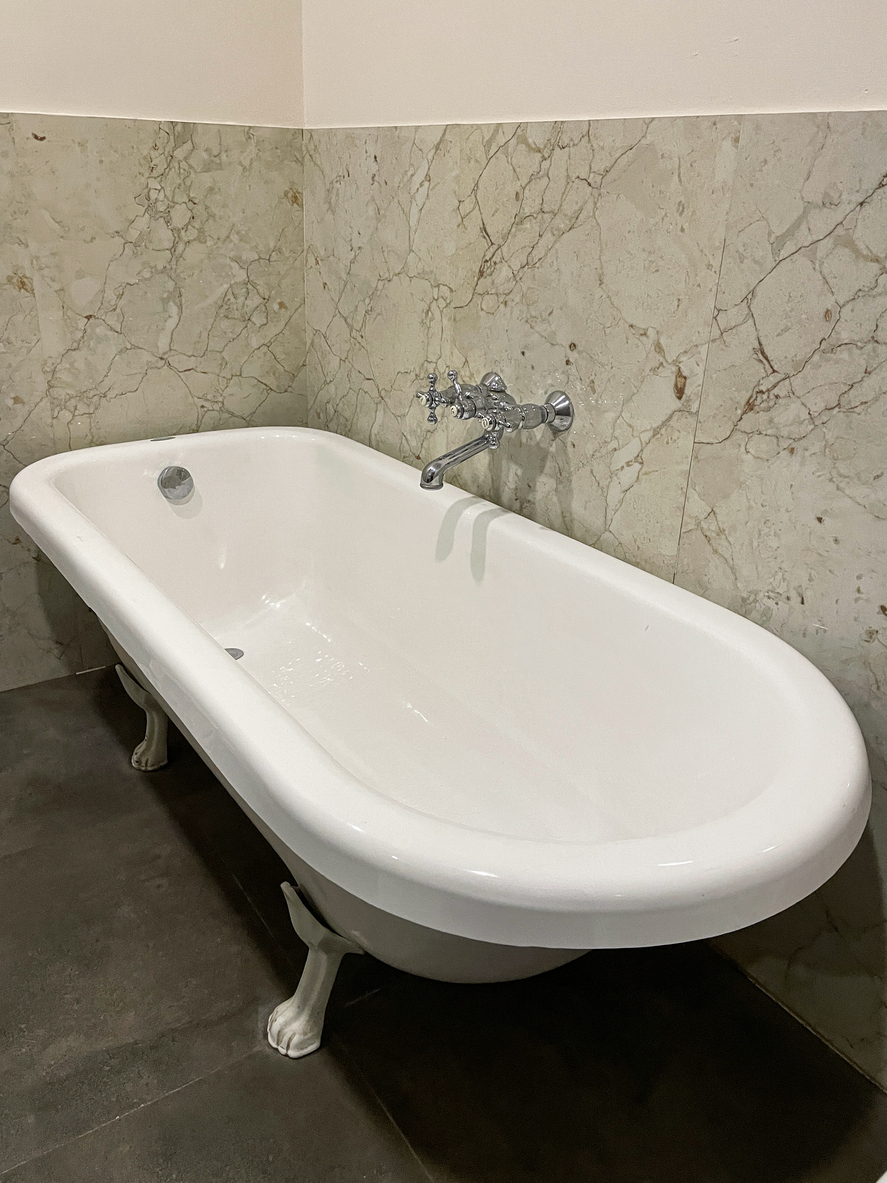
Popular style families include telephone, Victorian, modern, and English. Functionality is similar, style is mostly about matching your bathroom design direction.
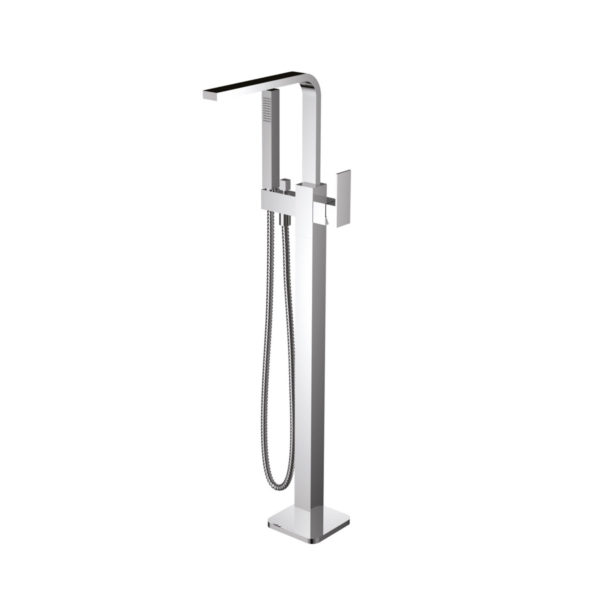
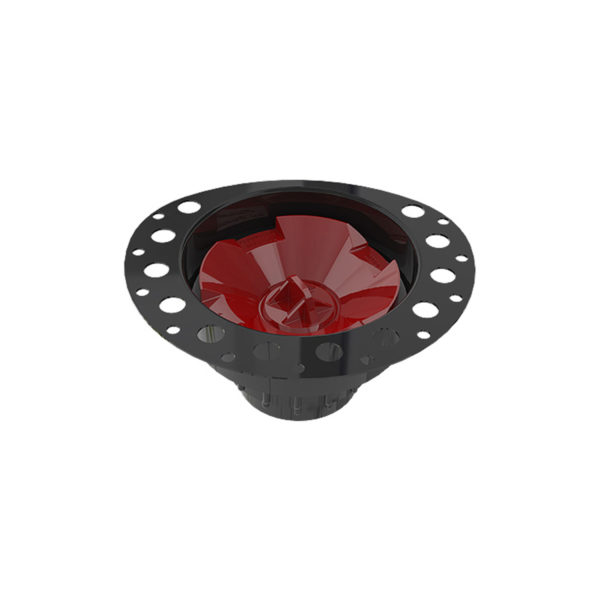
You typically don’t need a “special” drain for a freestanding tub, but you do need the right configuration and quality hardware. Confirm what’s included with the tub (drain + overflow kit vs. sold separately) and match the drain finish to your faucet finish when possible.
The sticker price of the tub is only part of the total. Your real installed cost usually includes:
Pro tip: Compare tubs by installed cost (tub + faucet + drain hardware + labor), not tub price alone. A tub that includes the drain/overflow can sometimes cost less overall than a cheaper tub that requires extra parts.
One advantage of freestanding tubs is that every surface is accessible, including the exterior and the floor area around it. Most tubs stay looking new with simple habits:
Built-in (alcove or drop-in) tubs are typically more affordable and easier to integrate into existing plumbing layouts. Freestanding tubs offer more design flexibility, broader material/style choices, and a higher-end look, but often cost more once you include faucet and installation work.
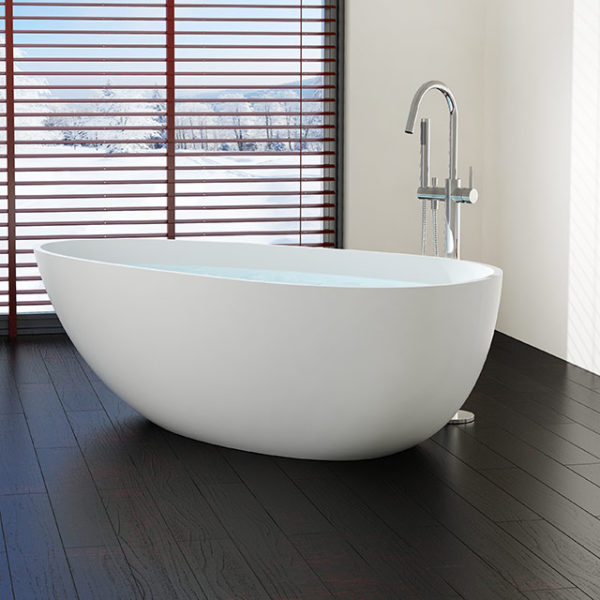
Yes. Freestanding tubs are often deeper than standard alcove tubs. If deep immersion is your goal, look for soaking depth (measured from the interior floor to the overflow) of roughly 14–16+ inches depending on preference.
In theory, yes, as long as supply and drain plumbing can be routed there and the floor can support the loaded weight. In practice, drain rough-in location is usually the biggest constraint.
They require a drain rough-in in the floor (or sometimes wall) and supply lines based on your faucet type. Floor-mounted tub fillers need supply lines stubbed through the floor, so plan early.
It depends on size and material, but a filled tub with a bather can commonly exceed 500+ lbs. Cast iron tends to be the heaviest. If you’re unsure, ask a contractor to confirm floor support.
Yes, with the right setup (shower head placement, waterproofing, and a curtain solution). This usually takes more planning than a standard alcove tub/shower combo.
Usually the opposite. Because all sides are exposed, it’s easier to wipe down the exterior and clean around the tub.
The best approach is to narrow your shortlist to two or three options and compare them on the factors that matter most: fit, comfort, material feel, plumbing alignment, and total installed cost.
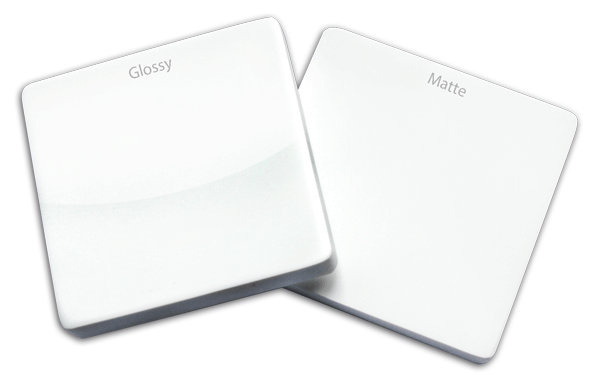
If stone resin is on your radar, touching the material first can make the decision much easier. You can request a free material sample to feel the surface and finish before buying.

Eric is the founder and president of Badeloft USA. He has been the president of Badeloft’s US division for over ten years and oversees all marketing and branding aspects of Badeloftusa.com.
His expertise lies in small business development, sales, and home and bathroom industry trends and information.
Contact us with any business related inquiries.
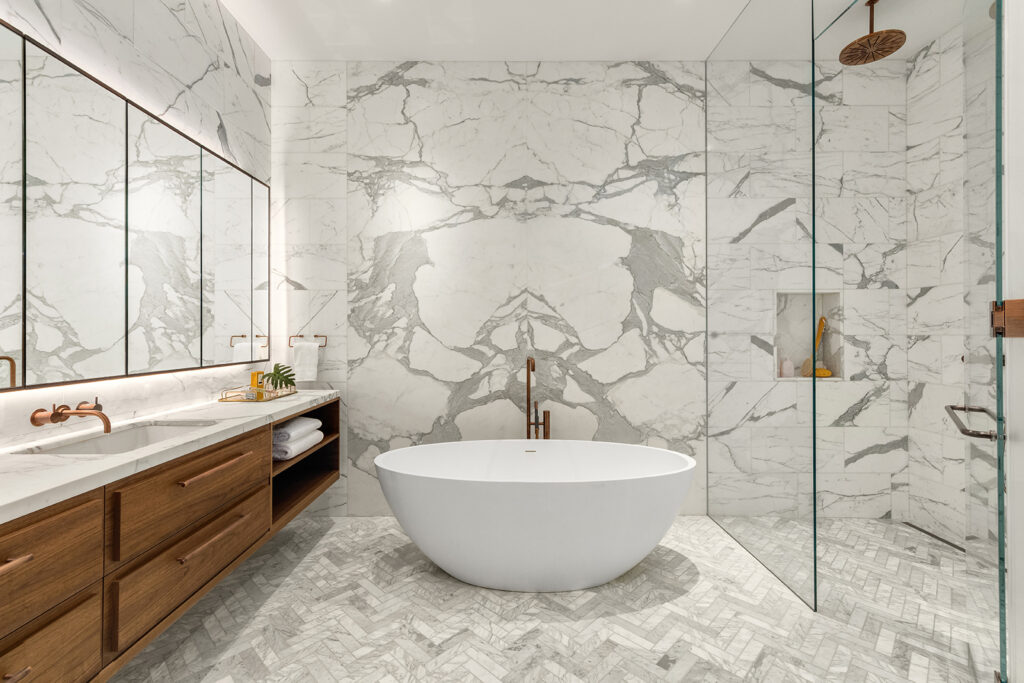
Free material samples and tub templates
When choosing a freestanding bathtub, the size is one of the most important factors to consider. Freestanding bathtubs offer a
Sink bowls are quickly becoming a popular addition to many bathrooms today. Blending both modern sensibilities and a classic wash
Choosing a bathtub is a bigger decision than most people expect. The material affects everything: how warm the water stays,
A good bathroom rug does more than catch water. It protects your flooring, keeps your feet off cold tile, and
Dear Valued Customers,
In observance of Presidents Day, Badeloft USA will be closed on Monday, February 16. Our website will remain open for orders and sample requests; however, all orders, sample requests, and emails will be processed beginning Tuesday, February 17. Thank you for your understanding, and we appreciate your continued support.
Sincerely,
The Badeloft USA Team
"*" indicates required fields
"*" indicates required fields
Request your free material sample below. By submitting, you agree to receive occasional product updates and offers from Badeloft. Unsubscribe anytime.
"*" indicates required fields
Why do you recommend a distance of 1 foot minimum from fixed walls to the free standing tub? why can’t I be closer like 6 inches on one side?? I have limitation to my space.
Hi Paul,
Although 1 foot is recommended (for cleaning the bathtub) 6 inches is still enough space.
Most informative article in helping me with my decisions for a free standing tub for my new home. Thank you.
I dont think u mentioned the problem with freestanding tubs: the difficulty cleaning around them.
We have a great resource to help clean freestanding bathtubs, which in our opinion makes life easy: https://www.badeloftusa.com/how-to-guides/cleaning-maintaining-freestanding-bathtub
I bought a 4.5 standing bath tub for my new renovated bathroom. My laborer insist that it should be at least 1 foot distance on both ends from the wall and my sliding shower. But I am not happy on the size of my bath tub. Does is really important to have a 1 foot space?