
The Perfect Bath Water Temperature and How to Actually Hold It
A genuinely restorative bath is not luck. It is a temperature you choose on purpose and then actually manage to
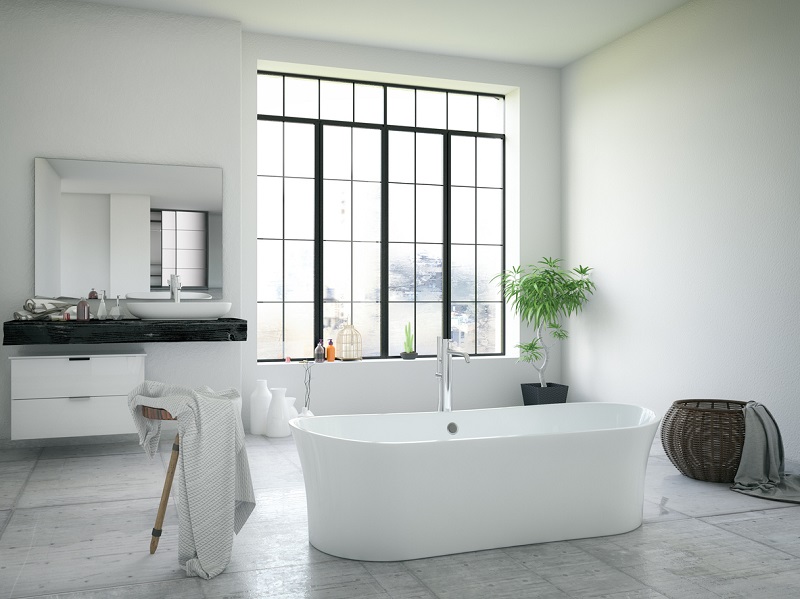
Choosing a new bathtub is one of the most impactful ways to improve both the look and functionality of your bathroom. Whether you are remodeling or replacing an outdated tub, choosing the right bathtub depends on more than just style. From size and material to installation and daily use, several key factors will determine what works best for your space and needs.
When it comes to bathtubs, there are quite a few styles to accommodate just about any bathroom with each style placing an emphasis on two key factors: space and material. The amount of space you have will largely influence what style is right for you while you may be inclined to an oval shaped freestanding bathtub, you might only have space enough for a round bathtub.
Complimentary to space, the material will also influence the style as some materials are only made with a specific style such as copper and natural stone.
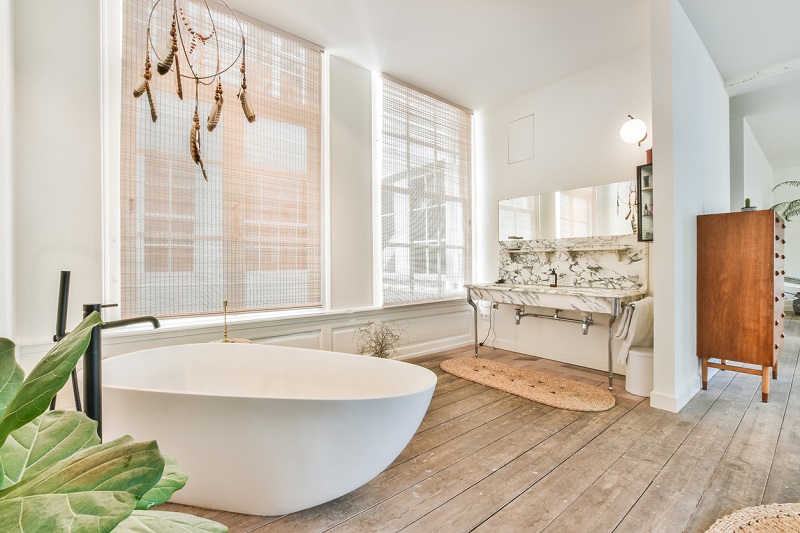
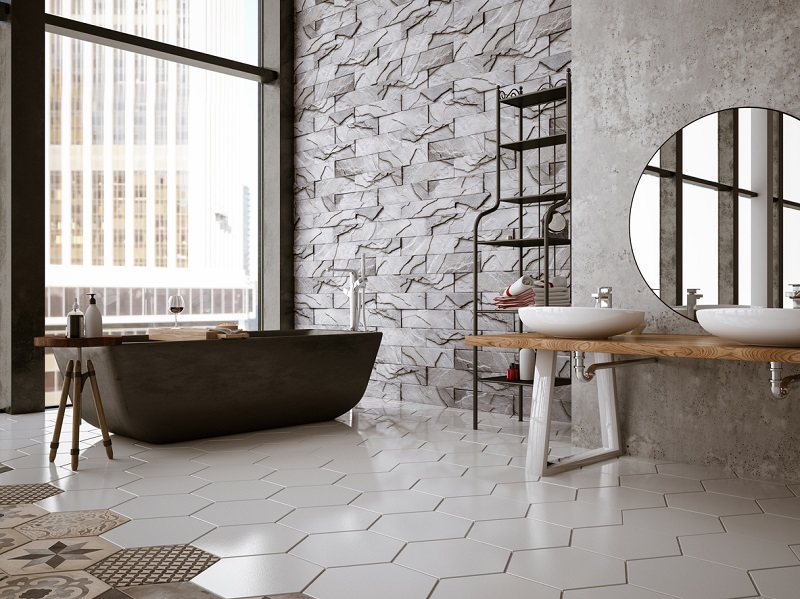
Possibly one of the most popular styles of bathtubs are freestanding and it’s not difficult to see why. Freestanding bathtubs can freely fit just about any space and don’t require connecting walls to be installed. They also provide a more vibrant centerpiece for your bathroom aesthetically compared to most drop-in tubs and are priced quite evenly to the other options on the market.
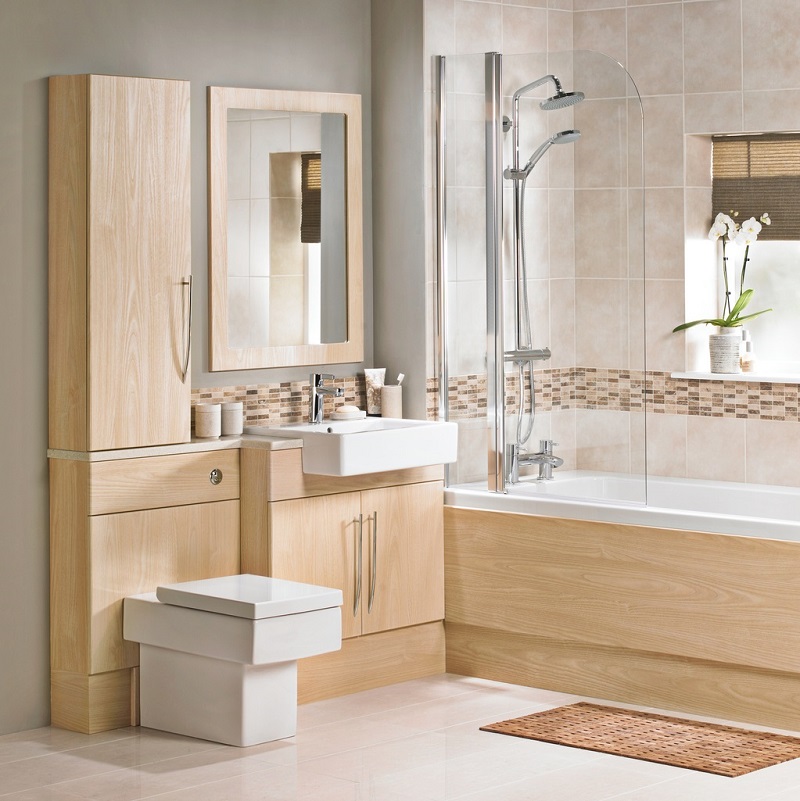
A regular bathtub is the most common and traditional tub style, typically rectangular in shape and designed to fit seamlessly into most bathrooms. Often installed as alcove or built-in tubs, these are practical, space-efficient, and compatible with shower combinations. While rooted in classic designs that date back centuries, modern versions feature cleaner lines and a more streamlined look without ornate details like clawed feet. Regular bathtubs are a reliable choice for everyday use and are ideal for households that prioritize functionality, ease of installation, and versatility
An oval bathtub is a rounded, symmetrical tub design that offers a softer, more modern alternative to traditional styles like the clawfoot. Its smooth, basin-like shape creates a clean and contemporary look, making it a popular choice for apartments or smaller homes where space and visual flow matter. The curved design contrasts nicely with the sharper lines typically found in bathrooms, helping create a more balanced and inviting vibe.
Finally, for those with who want something a bit different from the angled or normal design, there’s the angled style. An angled bathtub is slopped slightly higher on one side, with the idea of providing support for your back and neck during the bath. Highly flexible in size, these can be equivalent to an oval bathtub in size or be found larger than both the oval and normal freestanding styles.
The traditional bathtub style, a clawfoot is a freestanding bathtub that is supported by four ‘claws’ or legs on the bottom. This design dates back to early Victorian era bathrooms and is still widely popular today.
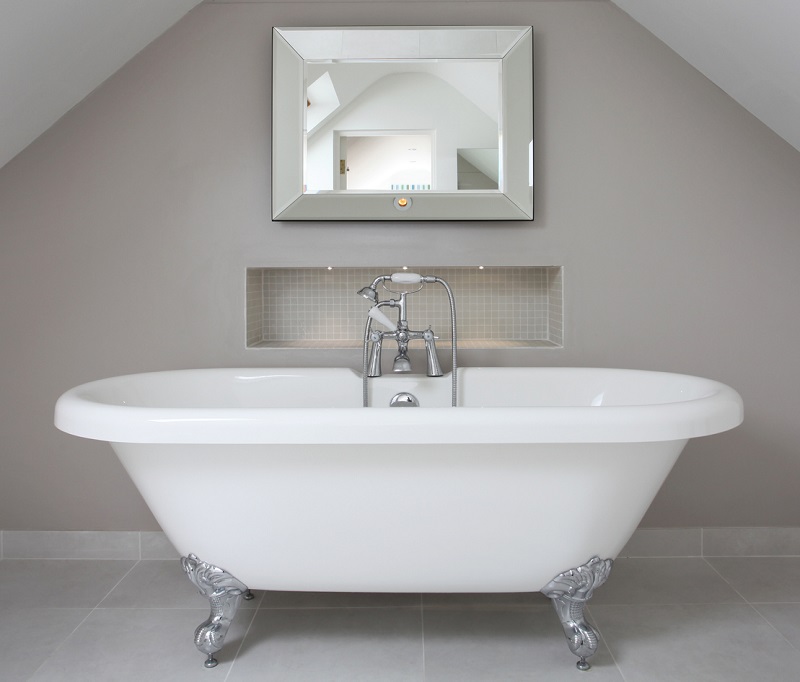
Alcove or recessed tubs are tubs that are installed in a recess of three connecting walls with one finished side. These bathtubs are generally found in apartments or smaller homes as they don’t take up a lot of space and many can be combined into a shower combo.
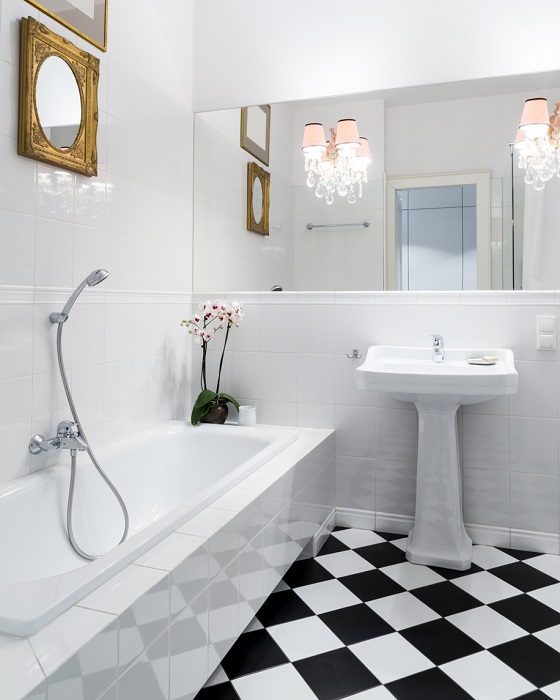
Similar to an alcove, but much larger is the corner tub. These are bathtubs that are much wider than the typical alcove bathtub, but the space they fill is similar. Alcove bathtubs are usually installed adjacent to three connecting walls, usually a window. More for relaxation and therapy, these bathtubs are more similar to hot tubs than normal tubs.
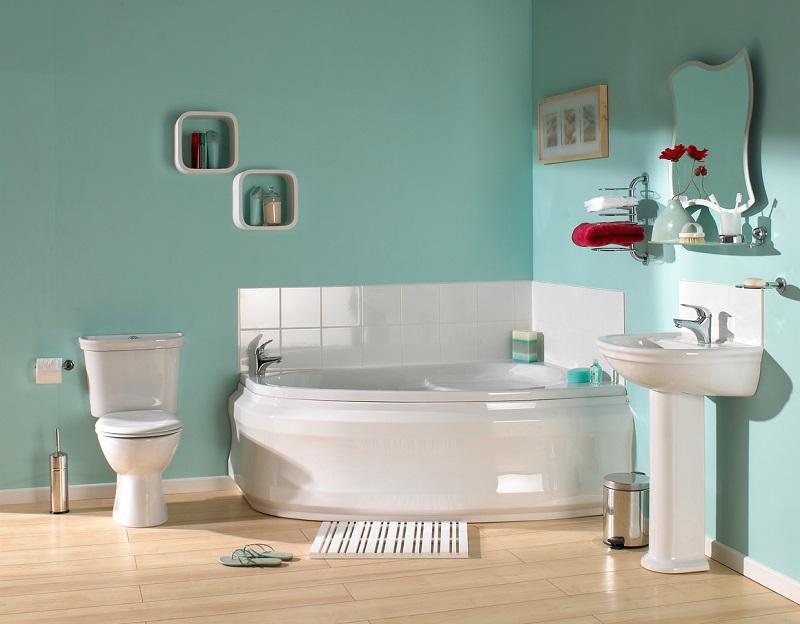
Drop in bathtubs are installed underneath the surrounding deck or ingress, so it looks more uniform to your bathroom as the rim is hidden. Drop-ins are installed by dropping them in a carved out area then sealed in, so the rim is more visible. Beyond the visual aspects, there isn’t much difference between an undermount and drop-in bathtub. They both save space, they both come in many different styles and material and many of them can be fitted with powered jets for a more relaxing bath experience or combined with a shower for multipurpose use.
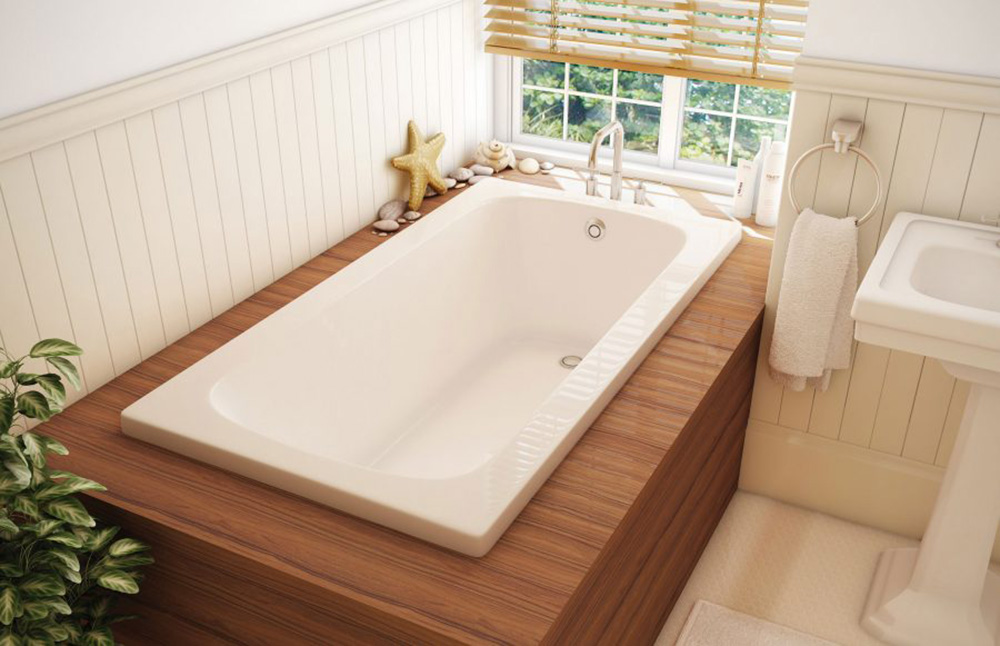
A soaking bathtub or ‘Japanese’ style is a bathtub that is typically either oval or circular in shape. Generally a fair bit taller than normal bathtubs, the purpose of these is to sit comfortably in place to allow yourself to soak. These bathtubs also tend to run a wide spectrum of sizes as there are the longer, more elegant styles for larger homes and of course, the much more compact ones for smaller homes. The smaller size is generally more popular as an apartment bathtub.
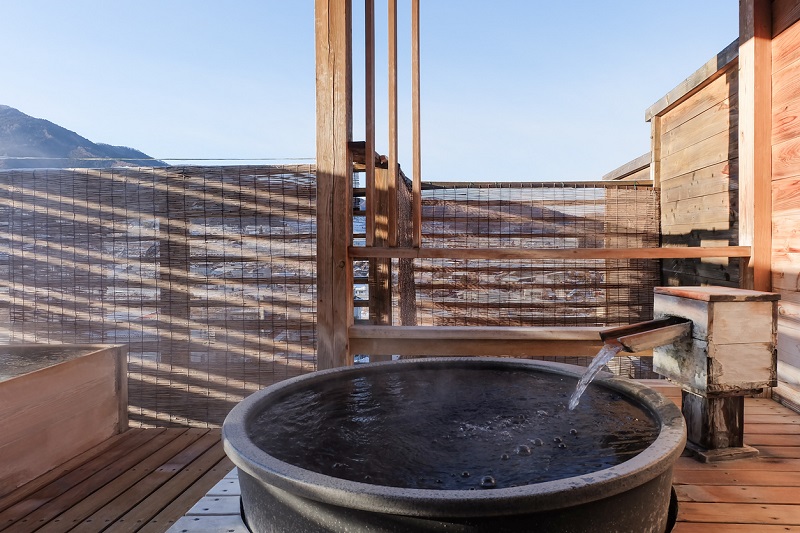
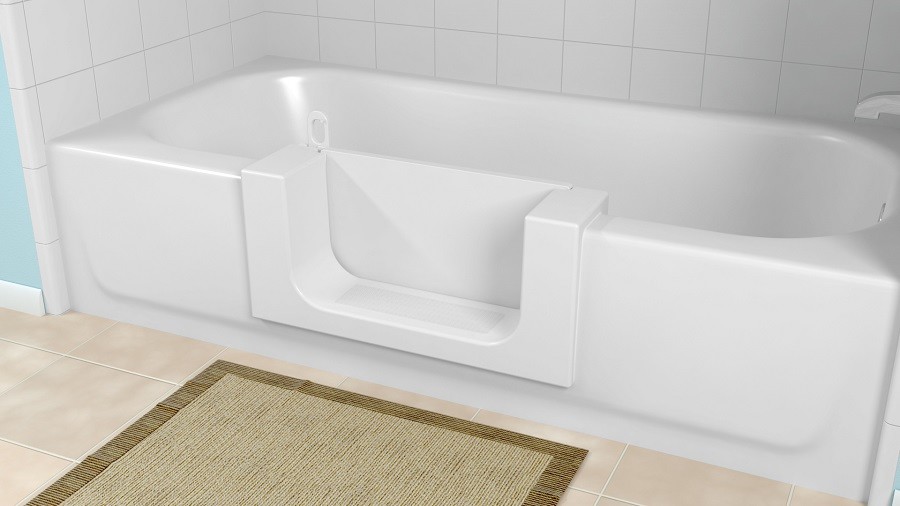
A walk-in bathtub is a bathtub that is fitted to allow the user to walk in and sit down without fear of slipping. There are grooves and notches along the insides of the tub to provide walking grip and generally there is also hand holds to assist balance and stability. These are most prominent in homes that have elderly folk as these will allow them to bathe without further assistance.
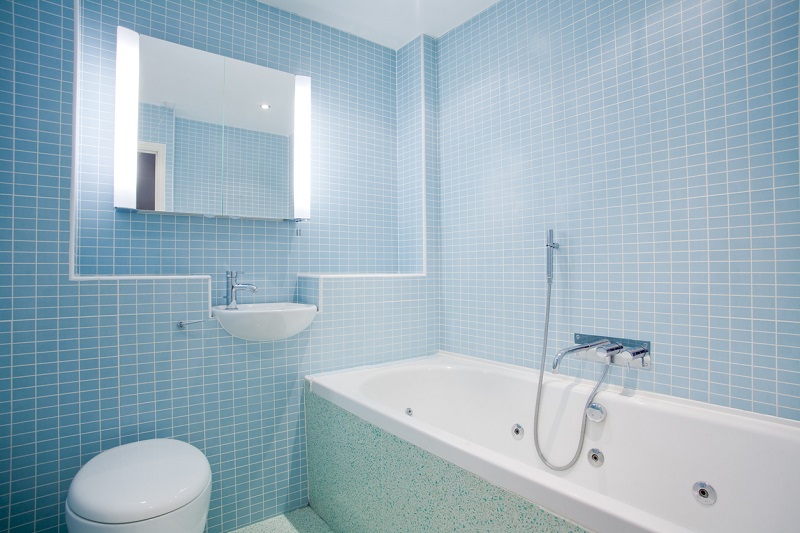
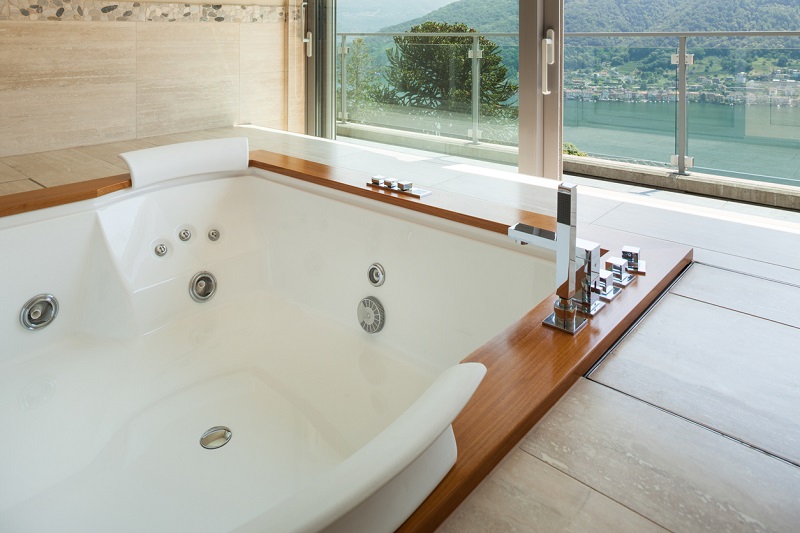
A jetted bathtub is a bathtub that houses self-contained jets. These jets are either air or water jets, but their primary function is to massage the user for both relaxation and health purposes. Air jet tubs contain dozens of small jets that pump warm air through to create air bubbles, while water jet tubs have fewer but larger jets that push water at high speeds. The primary advantage of a jetted bathtub is that it creates a deeper massage sensation than any other tub on the market.
An air tub is a bathtub that is equipped with multiple small jets that blow heated air into the bath water to create a massaging sensation. Although they are quite similar to water whirlpool baths, air tubs use their jets to create a bubbling sensation rather than a deep, massaging sensation.
This results in a bathtub that doesn’t require frequent cleaning, unlike whirlpools. Conversely, air tubs do not retain heat for as long as whirlpool tubs and are more designed for those that want a quick massage rather than a long soak.
There are two factors in choosing the right material for your bathtub, namely price and comfort. Every material feels different to the touch, so you should test out which is the most comfortable to you as you will be spending a significant time in your bathtub and your comfort is important to enjoy it. However, the most comfortable material may also be quite pricey and quite a tad bit heavier, so you should do research on what your bathroom can handle before purchasing.
The cheapest bathtub material, fiberglass is constructed from reinforced plastic sheets which are eventually molded into the shape of a bathtub. The material is quite durable although prone to chipping from heavy impacts and it carries the unfortunate trait of being porous. Porous meaning it will absorb water regularly, eventually resulting in the material warping over time and becoming increasingly unstable.
Porcelain is constructed by layering cast iron or stamped steel with a layer of porcelain enamel-a mixture of powdered glass and substrate heated into a durable coating. As a result, these bathtubs are quite durable, and are non-porous, making it so they will not warp or deteriorate over time. The porcelain coating, however, is quite delicate to heavy impacts, so take care not to drop anything on it or you will leave some very noticeable blemishes on its surface.
Similar to fiberglass, acrylic is formed by taking a solid sheet of petrochemicals, stabilizers, resin and appropriate dye, heating it then molding the result into a bathtub shape which is then reinforced with fiberglass. Lightweight and available in many styles and sizes, acrylic is a popular choice for both drop-in and freestanding bathtubs. Although it looks and feels quite similar to fiberglass, the material is non-porous, making its durability much higher than fiberglass. It is also resistant to chipping and heavy impacts, though typically you should still refrain from throwing things at your bathtub.
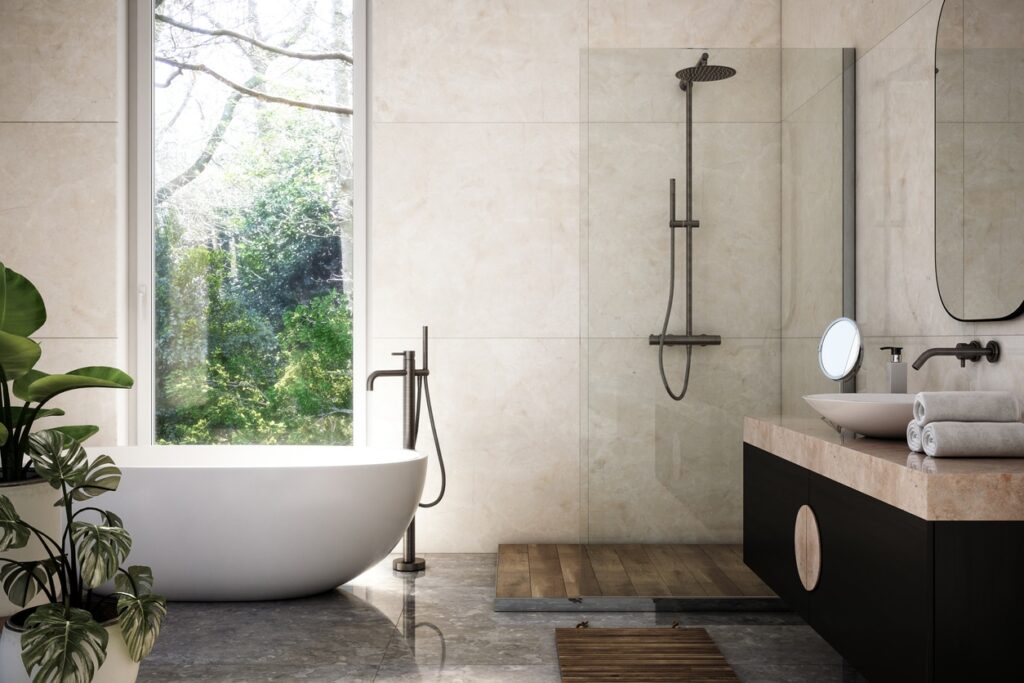
Ceramic bathtubs are formed by molding numerous ceramic tiles together until it hardens. The benefit of this method of construction is that ceramic is quite similar to clay, meaning it comes in many different styles and sizes, more than any material on the market. The drawback to this is that ceramic must be continually maintained or it will eventually deteriorate and crumble.
Stone resin is a material composing of crushed natural stone bounded together with adhesive to give you a composite material that has the look and feel of natural stone without the additional weight and added cost. A popular choice as it is a solid middle ground between cost and quality, stone resin offers excellent durability and heat retention while also being non-porous and quite affordable. The only limiting factor with stone resin is that there aren’t a lot of style choices compared to other materials on market.
Made from crushed limestone and resin, this material is as classic as ancient Rome. It retains heat very well and is quite durable while carrying an excellent pearlescent shine. However, the numerous cons of this material keeps it from being very popular. An expensive material, with a starting price tag of $700, cultured marble is also quite heavy, adding more hassle to install. Finally, if regular maintenance is not kept on cultured marble, it will start to discolor and stain.
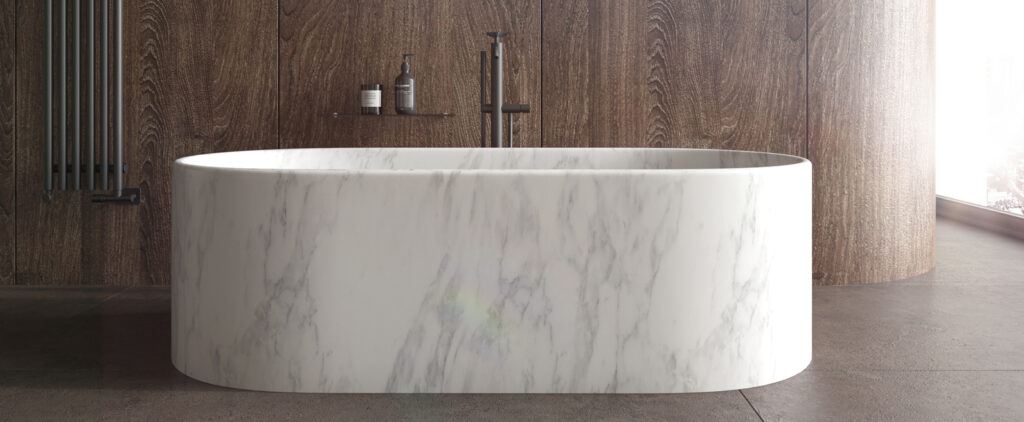
Constructed from pure copper, copper bathtubs are custom made and are the cusp of what is considered a luxury bathtub. This material is incredibly durable, holds heat, requires absolutely no additional maintenance other than consistent water use and is aesthetically brilliant. It is also, 2-3x more expensive than any bathtub material on the market, putting you down an average price tag of $2,000.
Similar to copper, wood is a bathtub material that is very rustic and aesthetically pleasing. Constructed from natural wood then sealed with water resistant wax, these bathtubs are also highly priced at around $2,000. The wax will hold for several years, but over time these bathtubs will tend to break down with consistent use and are not seen as a lasting investment compared to the similarly priced copper bathtubs.
Another important consideration is the size of your bathtub. Size is an important factor, as your home may not need a larger bathtub if a smaller bathtub size will do. Generally, if your home can support it and you have the space for it, a larger tub is recommended. For freestanding and corner bathtubs, if you have the requisite space, by all means choose those styles. But, if your space is more limited, an alcove, a drop-in, or soaking might be more suitable for you. While it looks visually more appealing, a larger bathtub will also lead to a higher water bill, as it takes more water to fill completely than a smaller one.
| Bathtub type | Length | Width | Height |
| Alcove | 60 | 32 | 18 |
| Oval | 60 | 41 | 24 |
| Whirpool | 60 | 32 | 18 – 23 ¼ |
| Corner | 60 | 60 | 22 |
| Drop-in | 47 – 52 | 30 – 34 | 14 – 20 |
Smaller sizes also come in more useful variants like the Japanese soaking style, which allows you to sit comfortably and soak. The counter to this is that smaller bathtubs are also not for everyone, and some may feel the more compact size of them to be cramped compared to a large-sized tub. Understanding the capacity of a bathtub is crucial in this context, as it helps determine whether a smaller or larger tub will better suit your needs and preferences. To measure out your home and discover which size is more appropriate for your bathroom, you may look at our guide here.
When purchasing a tub, weight is a crucial factor to consider. Similar to size, the weight of your tub will determine where you can place your bathtub. If the material of the tub is too heavy, your floor and house may not be able to support it when it is filled with water. This can be tricky as some of the more quality materials such as Cast Iron, Natural Stone and Copper are highly desirable, but are often too heavy for many homes.
| Bathtub type | Weight |
| Alcove | 230 lbs |
| Freestanding | 500 lbs |
| Freestanding petite | 250 lbs |
| Drop-in | 130 lbs |
| Walk-in | 190 lbs |
| Corner | 175 lbs |
A common solution for this problem is to reinforce your floor so that it can handle the increased weight. Additionally,materials like Stone Resin and Acrylic strike a happy medium, providing a durable material that is relatively lightweight and compatible with many homes.
Installing your bathtub can be a bit of a hassle depending on the size and shape of your tub, so it’s important to know which style is the easiest and which is a bit more complicated to install. In general, alcove and drop-ins are easier to install than freestanding and corner tubs respectively, though this may change depending on the material used and the overall weight of the bathtub you are trying to install. If it seems too heavy, it is best advised to hire a professional to install it for you.
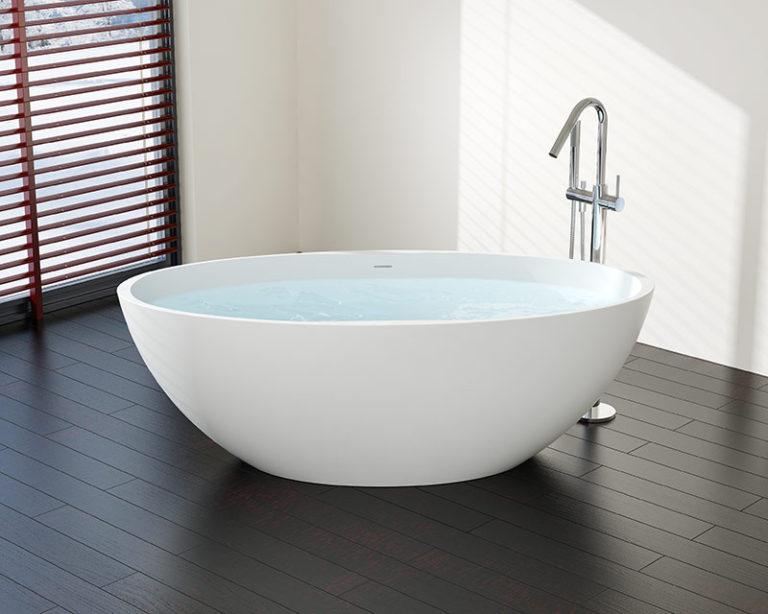
An added benefit of a freestanding bathtub is that it can be installed almost anywhere in your home so long as you have a working drain and water source. A freestanding tub is self-sufficient in this case as it doesn’t require adjacent walls or a carved out ingress like most other bathtub styles. This flexibility allows homeowners to create unique, customized spaces that showcase their personal style. Additionally, as modern design trends evolve, the advantages of freestanding bathtubs in 2024 become increasingly appealing, offering both aesthetic appeal and practicality. Whether placed centrally in a luxurious bathroom or tucked into a cozy corner, these tubs can serve as stunning focal points.
However, while it may be easy to place anywhere, these bathtubs tend to be the largest in size and, depending on the material used, these also tend to be the heaviest overall. Their design means they hold a large volume of water weight, so be careful that your floor can handle the additional weight.
Drop in bathtubs are perhaps the easiest to install compared to other bathtubs on the market. Their namesake says it all-they drop in. These bathtubs are usually placed in an ingress or carved out space, which you simply need to connect the requisite plumbing before placing it down.
Similar to drop-in tubs, an alcove bathtub is installed against three walls with one finished side. Typically, you would have an ingress or an alcove space ready, which you would simply place your bathtub in, which after you’d connect the requisite plumbing and you’re done. Also, due to the size of these tubs, they are quite manageable to install with just 1-2 people.
Perhaps the most difficult to install by yourself, corner bathtubs have a few more moving parts compared to other bathtubs on the market. Their wider design also means this type of bathtub will need a larger area to be installed compared to any other bathtub and you may need additional help placing it. Corner bathtubs also have additional water settings that you perhaps may need to hire a professional to sort out if you are unfamiliar with the plumbing.
As discussed previously, the price for a bathtub is determined by the quality of the material used and your style choice. As a general rule, smaller bathtubs will always be cheaper than larger ones, but that in no way means there is a quality difference between a larger and smaller bathtub. The material is the primary concern here.
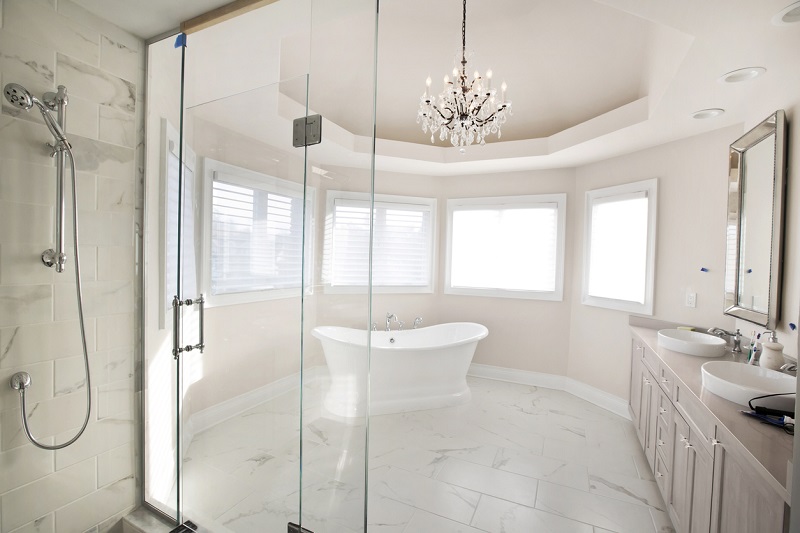
As a general average, a normal freestanding bathtub in 2026 typically ranges anywhere from $800 to $3,000, depending on the material used. Fiberglass is still the cheapest, with average prices ranging from $300 to $700. Acrylic is next, with a more normalized price range that typically starts around $600 and can go up to $1,500. Porcelain offers a wider range, with some starting bathtubs around $400, while higher-end models can run up to $2,000. Generally, fiberglass, acrylic, and porcelain are still considered more affordable materials on the market, with an average price range of $400 to $1,200, depending on quality and size.
On the higher end, you have materials like cast iron, steel, and copper. As materials that are considerably more durable than fiberglass, acrylic, or porcelain, cast iron tubs now start at around $1,000 and can easily climb to $3,500 or more. After cast iron, steel is more affordable, with a starting price around $500, though it is quite heavy. The additional weight usually offsets the more affordable aspects of it, so if your home can handle it, the weight is not much of a negative, but consider that you do get what you pay for.
Copper is last, with a price range similar to wood, typically starting around $2,500 and going well beyond $6,000 since many of these bathtubs are custom-made. Of course, you can find cheaper options on the market, but they tend not to be as high-quality as their higher-end counterparts.
| Material | Price |
| Fiberglass bathtub | $300-$700 |
| Porcelain bathtub | $600-$3,000 |
| Acrylic bathtub | from $400 |
| Freestanding bathtub | $600-$3,500 |
| Cast iron bathtub | $1000-$3,500 |
| Steel bathtub | from $500 |
| Copper bathtub | from $2,500 |
| Wooden bathtub | from $2500 |
Style also informs your price as each style is priced differently based mostly on their size. Freestanding bathtubs typically fall in the $ 600–$3,000+ price range, not including installation. Alcove bathtubs on average are between $400-800, not including installation which is a bit more complicated as the ‘alcove’ space needs to be measured and prepped, running an additional $300-400 if you don’t DIY it yourself.
Drop-ins are more simplistic, running anywhere from $300-900, and there is considerably less prep as most of these can be easily installed yourself. Lastly, we have the corner bathtub which is a bit more pricey as these tend to have more features similar to a hot tub. These will typically run at a starting price of about $700.
When choosing a bathtub, your water heater capacity is a critical factor that directly impacts how usable the tub will be. Larger and deeper tubs, especially soaking or freestanding models, can require anywhere from 50 to 100+ gallons to fill, while many standard residential water heaters only hold 40 to 50 gallons. You will need to consider not just the total tank size, but also the effective hot water output, since most baths require a mix of hot and cold water to reach a comfortable temperature. A good rule of thumb is to ensure your water heater can supply at least 70 percent of the tub’s total capacity in hot water alone to avoid running out mid-fill. You should also evaluate recovery rate, which determines how quickly your heater can produce additional hot water, and whether simultaneous use, such as showers, laundry, or dishwashers, will impact performance. If your current system cannot support your desired tub size, you may need to upgrade to a larger tank, install a tankless system, or add a secondary heater to ensure consistent and comfortable use.
Another important consideration when buying a new bathtub concerns the people actually using it. A strange statement, but you should consider all the needs of the people using your bathtub. For instance, if you choose a taller bathtub that allows for longer soak sessions, this may prove problematic for younger children to enter and exit without assistance. This same rule also applies to the elderly.
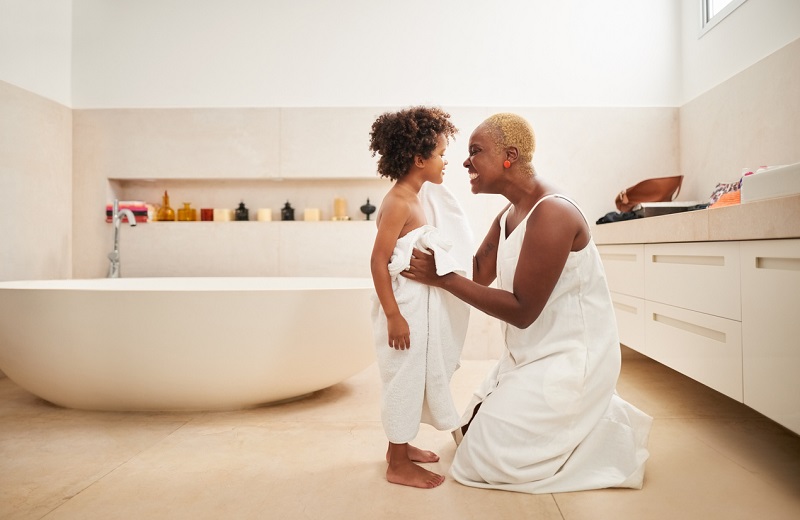
For the elderly, the Japanese style or round bathtubs are very popular, or if you want to invest a little more money, many bathtubs can be installed with a walk-in door, allowing the occupant to sit comfortably while they bathe while also containing grips to prevent slipping. Keep in mind a user’s height and physical shortcomings when choosing a bathtub as there are many style options for disabled or handicapped persons out there to choose from.
There are many factors to consider in choosing the correct bathtub for you, whether it be size, price or comfort, it would be best to do your research before buying. Measure your space, consider the needs of the people in your home and without a doubt, you will find the right bathtub for your home.
Choosing a bathtub is surely not as easy as it seems. There are many factors to consider, but also include your preferences and your household needs. For inspiration, you can always take a look at recent bathtub trends.
That said, there are a few other factors you should keep in mind when choosing a bathtub for your bathroom.
Your plumbing and pipe placement will determine your overall layout for your home. It is because of this that you understand how your pipes are laid out so that you may better plan your installation layout to avoid future headaches. In addition to your tub installation, this will also determine the ease of installing new fixtures such as sinks and toilets.
Who uses your bathtub and bathrooms is important. For young children not under supervision and physically challenged, your bathroom will require steps and handrails. Wheelchair accessibility is always a plus. To prevent any accidents, or just for ease of use, your bathroom should be safe and easy to access for all individuals.
Bathtub placement is important depending on the style of bathtub you choose. For freestanding bathtubs, you have a great deal of freedom to place the bathtub where you please. For drop-in bathtubs, your bathtub needs to be installed near walls or against corners to ensure stability.
As discussed previously, your bathtub placement also affects safety and accessibility. With bathtubs installed near the wall or corner, it is much easier for young children or the elderly to access them. For freestanding bathtubs, we recommend steps or a safety rail to ensure no accidents can occur.
What Bathtub Features Should You Consider?
When choosing a bathtub, common features to consider include jets for massage, heated systems to maintain water temperature, and deeper soaking designs for full-body immersion. You should also look at overflow placement, built-in seating, and slip-resistant surfaces for comfort and safety. Higher-end tubs may include features like lighting or digital controls, depending on your preferences and how you plan to use the tub.
What Is the Most Comfortable Style of Bathtub?
According to homeowners and popular home design websites, soaking tubs and freestanding oval bathtubs are often considered the most comfortable styles. Their deeper design allows for full-body immersion, while the sloped sides provide better back support for longer use. Many users also prefer double-ended tubs, which offer symmetrical comfort from either side and are ideal for relaxation.
What Is the Most Popular Bathtub Style Right Now ?
The most popular bathtub style today is the freestanding bathtub, driven by its modern design and ability to serve as a focal point in the bathroom. Homeowners are increasingly choosing freestanding tubs for their flexibility in placement and elevated aesthetic. According to bathroom design experts and industry reports like the NKBA, “freestanding tubs continue to be one of the most requested features in modern bathroom design,” reflecting their strong demand among homeowners. While options like alcove, corner, and jetted tubs are still widely used, freestanding bathtubs continue to lead in popularity for both design and comfort.
In the end, the choice of your bathtub will depend on the space and the budget you have. As materials differ in price, be mindful that as much as, for instance, wooden tubs look cozy and elegant, they are among the most expensive ones on the market.

Eric is the founder and president of Badeloft USA. He has been the president of Badeloft’s US division for over ten years and oversees all marketing and branding aspects of Badeloftusa.com.
His expertise lies in small business development, sales, and home and bathroom industry trends and information.
Contact us with any business related inquiries.
Badeloft is dedicated to helping homeowners make informed decisions about their bathrooms. We adhere to strict editorial guidelines to ensure our content is accurate, trustworthy, and useful.
Request free stone resin and stainless steel material samples. Delivered to your door.
A genuinely restorative bath is not luck. It is a temperature you choose on purpose and then actually manage to
If you’re mid-renovation or about to start one, you’ve probably spent more time than you expected staring at tile samples.
Getting the drain size wrong on a freestanding bathtub is one of those installation mistakes you don’t discover until the
Bathroom storage fails the same way every time: it gets planned last. By the time the tiles are in and
Request your free material sample below. By submitting, you agree to receive occasional product updates and offers from Badeloft. Unsubscribe anytime.
"*" indicates required fields
10 thoughts on “How to Choose The Right Bathtub for You: 8 Important Factors to Consider”
Thanks for mentioning that it is recommended to choose a larger tub if you have enough room for one. I am thinking about having a new bathtub installed in my bathroom because I feel like the one I have is too small for me to comfortably fit in. It would be nice to not feel squished every time I wanted to take a bath, so I’ll have to look into getting a bigger bathtub so that I can better relax in it.
Would love to see samples, currently redoing two homes
Please request a free sample here: https://www.badeloftusa.com/#steps-popup
I will be purchasing an alcove or freestanding soaking tub for my new home. I am a senior and need to take into consideration my future agility to get into the tub as well as a wider rim or handles for extra support to emerge. Would appreciate your thoughts and suggestions of a style to meet my needs. Thank you.
For seniors, we highly recommend our X-Large freestanding tubs: https://www.badeloftusa.com/freestanding-bathtubs/x-large/ that make a great addition to any home. These are low enough that you can easily get in and out of and provide plenty of space around you. Let us know if you have any other question or email us at usa@badeloft.com
How can we know the sizes of the bathtub to be use if the building is still under construction in case of making a plans of having one to determine the size where the bathtubs will be placed?
We offer a free bathtube template to assist you during instsallation. Please request one here: https://www.badeloftusa.com/#steps-popup
Do you recommend acrylic tubs being insulated?
I am looking for a soaking bath tub, and Installers any recommendations?
I have a small bath