
Why Homeowners Are Rethinking the Traditional Tub-Shower Setup in 2026
The modern residential landscape is currently undergoing a profound architectural and psychological shift, moving away from the utilitarian “all-in-one” bathroom
Interested in remodeling a small bathroom and looking for an accurate price estimate for 2026? A standard 5×7 bathroom remodel typically costs between $5,000 and $15,000, depending on the scope of work, material selections, and local labor rates. While small bathrooms require fewer materials, costs can rise quickly if plumbing, electrical, or ventilation upgrades are needed.
For 2026, pricing reflects continued increases in labor rates, steady material costs, and higher demand for skilled trades—particularly in older homes where infrastructure updates are common. Cosmetic refreshes such as new fixtures, paint, and flooring tend to fall on the lower end of the range, while full remodels involving tile showers, upgraded vanities, or layout adjustments push costs higher.
When planning a 5×7 bathroom remodel, it’s important to factor in labor, fixtures, finishes, and permit requirements, all of which significantly affect the final budget. Getting multiple contractor quotes, prioritizing layout efficiency, and choosing durable mid-range materials can help you control costs while still achieving a modern, functional result.
With thoughtful planning and realistic expectations, a small bathroom remodel in 2026 can deliver strong value, improving daily usability, updating outdated finishes, and enhancing overall home appeal without the expense of a larger renovation.
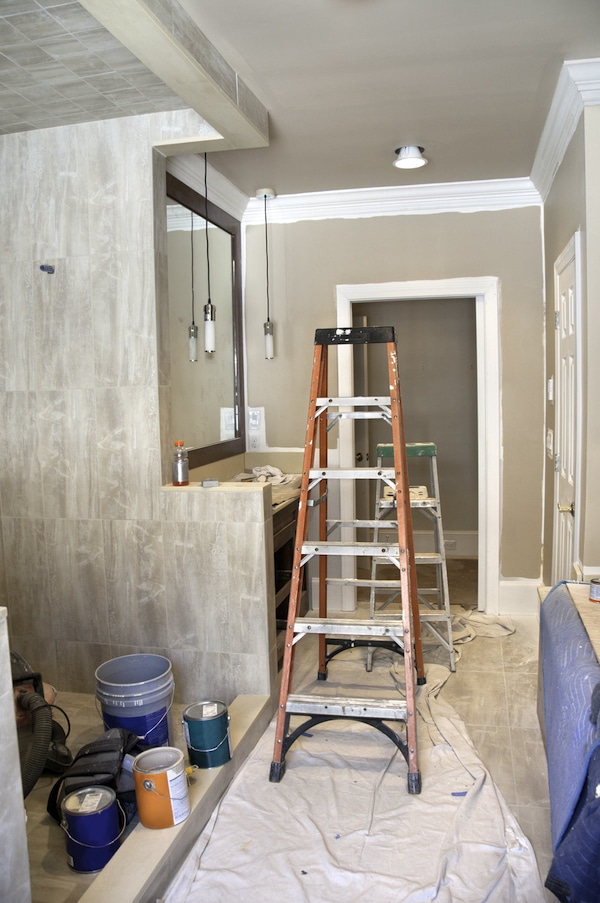
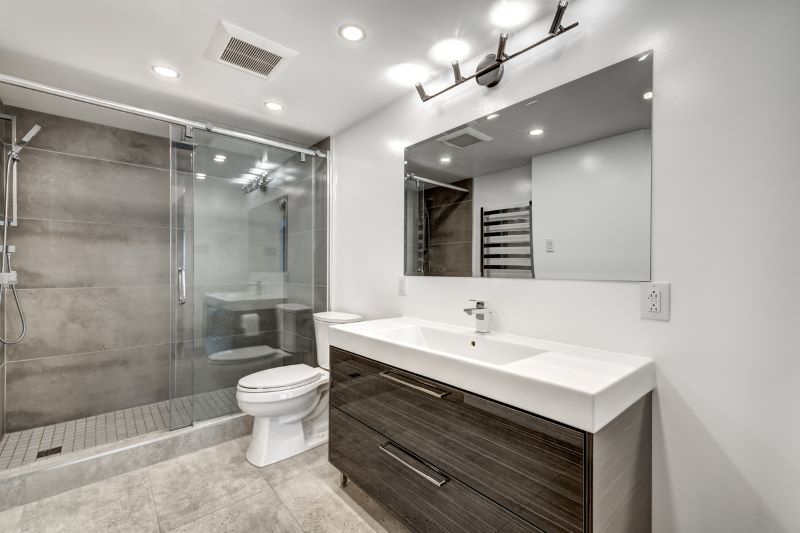
A 5×7 bathroom provides you with 35 square feet, which is considered small because you can’t fit all amenities of a full bathroom. However, the space is large enough to fit a shower/bathtub, a sink, a toilet, and a small vanity, although the space will feel fairly cramped. The advantage of a 5×7 bathroom is that you can enjoy the functionality of a larger bathroom at a reduced price which can make up for the lack of space.
No, a 5×7 bathroom is not too small and is one of the most common bathroom sizes in older homes and apartments. When designed well, it can comfortably fit a toilet, vanity, and a tub or shower without feeling cramped. Smart layout choices make a major difference in how the space functions.
Using space saving features like floating vanities, walk in showers, recessed storage, and light colored finishes can make a 5×7 bathroom feel larger and more modern. From a resale perspective, a remodeled 5×7 bathroom meets buyer expectations for guest or hall baths and can deliver strong value when executed thoughtfully.
A bathroom remodel is one of the most effective ways to increase your home’s value while also improving everyday livability. Beyond updating the look and feel of the space, remodeling allows homeowners to address aging systems, improve efficiency, and reduce the risk of future repairs. Whether you plan to sell soon or stay long-term, a well-executed bathroom renovation delivers both immediate and lasting returns.
Lowers long-term maintenance costs by replacing worn materials with durable, modern options
Increases resale value by modernizing outdated finishes and appealing to today’s buyers
Improves marketability, helping your home stand out in competitive real estate listings
Uncovers hidden issues such as water damage, outdated plumbing, or electrical concerns before they worsen
Enhances functionality through better layouts, storage solutions, and lighting
Boosts buyer confidence by signaling that the home has been well cared for and updated
A renovation is designed to update your home’s existing look and feel without changing any structural elements such as plumbing or wiring. A renovation is designed to reconstruct the space with new walls, lighting, appliances, furniture, decor but can also be something as simple as refreshing paint and floor/wall materials. A remodel is designed to change the function of the space, such as converting a bathroom into a walk-in closet, or office space, or merging it with another room.
When it comes to remodeling there are a few components and prices to consider:
| Component | Cost Range |
|---|---|
| Toilet | $100 – $400+ |
| Ventilation Fan | $150 – $500+ |
| Lighting Fixtures | $300 – $1,000+ |
| Sink | $300 – $600+ |
| Entry Door | $250 – $350+ |
| Replacement Window | $300 – $500+ |
| Shower | $800 – $1,000+ |
| Bathtub | $1,200 – $3,000+ |
| Vanity | $400 – $3,000+ |
| Total | $4,000 – $12,000+ |
A new toilet will first require removing and disposing of the existing toilet, afterwards, you will need to decide if you want to keep or alter your current plumbing. Altering your plumbing will accrue additional costs before your new toilet can be installed, which will cost anywhere from $100-3,000 depending on features and the type of toilet you want to buy. However, on average, a toilet should only cost anywhere from $100-400.
To handle moisture and high humidity, you will need a powerful fan system. Fans will cost anywhere from $100-250 depending on the size and power consumption of the model. You will then need to factor in ventilation and duct costs which can add on an additional $200-300 depending on the state of your home. Keep in mind that your ventilation will need to be inspected to ensure full safety compliance with your city/area.
The right lighting can help transform a small bathroom and make it appear more roomy and spacious. However, to set up your lights, you will need to consider wiring needs in advance to prevent any accidents or injuries in the future. Lighting fixtures will cost anywhere from $300-1,000 depending on the size and intensity of the fixture itself. However, if you need to rewire your bathroom, this cost can quickly rise.
A sink will cost anywhere between $300-600 depending on the material and installation method of the sink. Pedestal sinks are the cheapest because they are easy to install-they can simply be placed where you want in a bathroom and secured. Drop-in and undermount sinks will cost more as they will need to be secured to a vanity.
You will need to ensure that all entryways into and out of your bathroom are readily accessible at all times. This is important for access to your bathroom and for fire safety reasons. A new door will cost anywhere between $250-350 depending on the material and size.
New windows cost anywhere from $300-500 each depending on the size of the window and the strength of the glass. Generally, the larger a window is, the weaker it will be, and the smaller a window is, the more it can be reinforced.
Showers will cost anywhere from $800-1,000 depending on the size of the shower, tile material, and installation costs. Your final price will include the removal of your existing shower and adding in any features such as niches, storage cubbies, or custom spouts.
Bathtub installations typically cost between $1,200 to $3,000 or more depending on various factors, such as the size, material, and complexity of the installation. This estimate covers the removal of the old bathtub and the installation of the new one, along with any additional features like storage, lighting, or custom fixtures. If you decide to use tile, you may also need to consider the cost of a waterproof seal over the grout. However, keep in mind that the final price of your bathtub installation may vary, so it’s best to consult with a professional for an accurate estimate.
Granite, Cultured Marble, Travertine, Concrete, Laminate, Composite, Ceramic, or Porcelain are all common vanity materials with wildly different price points, ranging from $400-3,000 for a vanity. When choosing a vanity material, you want to select a material that is durable as your vanity will see heavy use. Natural stones such as granite, marble, and travertine are popular choices but can be quite expensive and will require additional care. Quartz and composite materials are great alternatives as they are much lighter, and require less maintenance, but won’t break the bank.
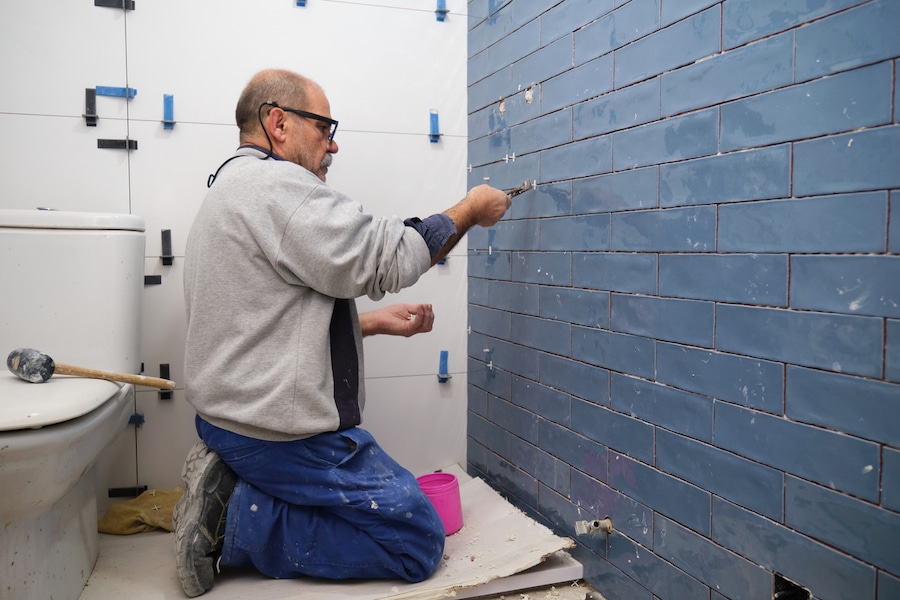
There are multiple contractors that will help with your bathroom remodel. Here is what they can assist you with:
| Contractor | Hourly Rate | What They Do |
|---|---|---|
| HVAC Tech | $75 – $150/hr | Ventilation, ducting, climate-related plumbing |
| Electrician | $25 – $40/hr | Rewiring, lighting, outlet installation |
| Painter | $70 – $100/hr | Waterproof paint application, wall prep |
| Carpenter | $30 – $90/hr | Custom vanities, doors, shelving |
| Plumber | $25 – $150/hr | Toilet, tub, and sink installation and inspection |
An HVAC technician can assist with anything under the HVAC umbrella which includes heating, ventilation, cooling, and sometimes plumbing/electrical if needed. However, while an HVAC tech is equipped to handle almost every situation, you are paying for that. Compared to a dedicated electrician or plumber, an HVAC tech will charge anywhere from $75-150/hr, so it is highly recommended that you hire them to handle ventilation issues only.
An electrician is required to set up outlets and necessary wiring. Before any remodeling project can begin, you will need an electrician to inspect for any dangerous elements such as exposed currents and wires and confirm that your job site is completely safe. A professional electrician costs anywhere from $25-40/hr.
A professional painter will ensure that your space appears seamless and natural. They also have access to colors that may be difficult for you to obtain and will apply primers and ensure that the paint adheres better to the surface. True waterproofing is not possible in a bathroom, but professional painters will get as close as possible, ensuring that the paint stands up against repeated moisture and humidity. Professional painters average $70-100 an hour for their services.
A carpenter can handle any fabrication needs for your remodel. This involves making cabinets, vanities, doors, and shelving. In addition to fabrication, they can provide aesthetic flairs and customizations that you request. A carpenter costs anywhere from $30-90 an hour depending on the complexity of the job and their overall skill level.
A plumber is an invaluable contractor to have on hand as your bathroom will have many plumbing issues to sort through. A plumber can ensure that all your fixtures function properly such as your toilet, sink, and bathtub. They will also inspect your existing plumbing setup and check for leaks or issues before your remodel is fully completed, as it is much easier to handle these issues before you place your flooring in. Plumbers charge anywhere from $25-150 depending on the complexity of the job, their experience, reputation, and skill level.
In 2026, global trade dynamics and lingering U.S.–China tariff policies continue to influence the cost and availability of certain bathroom remodeling materials. Products most affected typically include ceramic and porcelain tile, lighting components, plumbing fixtures, and some hardware, particularly items manufactured or assembled overseas. While supply chains have stabilized compared to prior years, tariffs and transportation costs still impact pricing and lead times.
Homeowners may see the following effects in 2026:
To minimize cost fluctuations and delays, consider domestically manufactured materials or products sourced from tariff-neutral countries. Many U.S. and North American manufacturers now offer high-quality alternatives with faster delivery times, more consistent pricing, and easier warranty support—making them a smart choice for 2026 remodels.
A successful bathroom remodel is about more than choosing attractive finishes—it requires smart planning, informed decision-making, and a clear understanding of where quality matters most. In 2026, rising labor costs, longer material lead times, and evolving design standards make preparation even more important, especially for smaller or high-use bathrooms. The following pro tips will help you avoid common mistakes, control costs, and create a bathroom that’s functional, durable, and built to las
Before any demolition begins, finalize your layout, materials, and budget. Clearly define your must-haves versus nice-to-haves so decisions don’t derail your budget mid-project. Planning ahead also allows you to order materials early, reducing delays caused by backorders or long lead times. A well-defined plan keeps contractors aligned and minimizes costly change orders.
DIY can help reduce costs, but it’s important to know where to draw the line. Low-risk tasks like painting, removing old fixtures, light demolition, or assembling vanities can be homeowner-friendly. Plumbing, electrical work, waterproofing, and ventilation should always be handled by licensed professionals to avoid code violations and future repairs. Cutting corners in these areas often leads to higher costs later.
Bathrooms are high-moisture environments, so material selection directly affects longevity and maintenance. Non-porous surfaces like stone resin, quartz, and ceramic tile resist staining, cracking, and mold growth better than cheaper alternatives. Investing in quality materials upfront reduces replacement and repair costs over time. Brands like Badeloft USA offer stone-resin sinks and tubs that combine durability with modern, design-forward aesthetics ideal for long-term use.
Smart storage design is especially important in smaller bathrooms. Vertical solutions such as recessed wall niches, floating shelves, and tall cabinetry help keep essentials organized without crowding the room. Mirrored medicine cabinets and vanity drawers with built-in organizers add function without sacrificing style. Thoughtful storage planning improves daily usability and keeps the space feeling open and uncluttered.
Even if accessibility isn’t an immediate concern, designing with the future in mind adds long-term value. Installing blocking behind walls for future grab bars, choosing slip-resistant flooring, and opting for curbless or low-threshold showers make bathrooms safer and more adaptable. These features are subtle, forward-thinking upgrades that improve resale appeal and allow homeowners to age comfortably in place.
The final cost of a bathroom remodel is anywhere between $5,000-15,000. This accounts for demolition and removal costs, coupled with implementing wall, tiling, and any changes you might have made to your home’s existing structure. As you plan your renovation, it’s essential to factor in additional expenses such as plumbing adjustments and fixtures, which can elevate your budget. According to estimates, average bathroom remodel costs 2025 are expected to rise, reflecting changes in materials and labor. Being mindful of these potential increases will help you allocate resources more effectively for the transformation. It’s important to budget not only for materials and labor but also for any unforeseen issues that may arise during the renovation process. As homeowners plan for future projects, they should also consider large bathroom remodel expenses 2025, as costs can fluctuate based on market trends and material availability. Being prepared for these potential increases can help ensure a smoother renovation experience. As trends evolve, homeowners should also consider potential increases in materials and labor when budgeting for upcoming projects. For those planning a master bathroom renovation expenses 2024, it’s essential to research current pricing and factor in any desired upgrades. Being well-informed will help ensure a smoother remodeling process and avoid unexpected financial surprises.
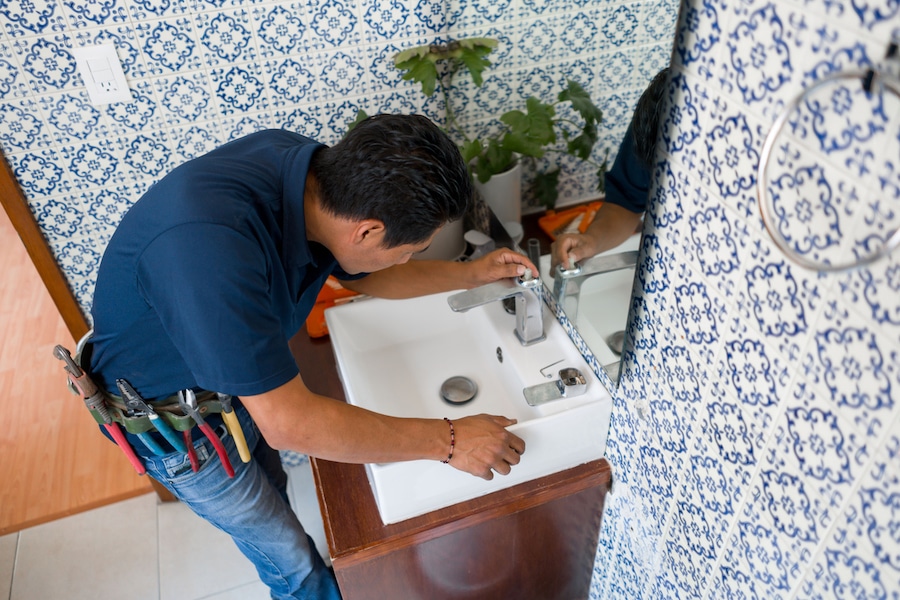
Here are some general remodel tips to ensure your next remodel goes more smoothly.
There are many elements of your remodel that cannot be fulfilled on your own. However, there are some things such as painting, flooring, and some fixtures that you can install on your own. If you have experience, do what is feasible and safe to complete before the contractor arrives. This will save you time and money, but remember to not overreach.
Always remember that the right material will be a balance between aesthetics, durability and budget. Try not to go too cheap or over budget and remember that if you are remodeling your bathroom often, you will probably replace this material frequently.
When it comes to remodeling your bathroom, the more work and planning you do in advance, the less money you will spend later. Before you follow through with any part of this project, create an idealized layout and form a budget to better help you plan and give you a starting point for your project.
Storage will always be an integral part of your bathroom, so add as much as you can. Use recessed walls, add shelves, create niches, and do whatever is possible to add storage to your bathroom. The more storage you add to the space, the less cramped it will feel.
Take steps to consider making your bathroom more friendly for disabled individuals in advance. This can include adding a walk-in shower, slip-resistant tiles, and blocking behind drywall to add grab rails in the future. If you consider this now, it can save you a great deal of money in the future.
Remodeling your bathroom can be quite intimidating, but with proper planning, it is straightforward. Just remember to coordinate with your contractors to help you plan out the best 5×7 bathroom layout for your home.
Most small bathroom remodels take two to four weeks from demolition to completion. Timelines depend on factors such as permit approval, material availability, and how much plumbing or electrical work is involved. Cosmetic updates with pre selected materials tend to move faster, while full remodels or older homes may take longer due to inspections or unexpected repairs. Planning ahead and ordering materials early can help keep the project on schedule.
In most cases, yes. Permits are typically required when you change plumbing, electrical wiring, ventilation, or structural elements. Even small bathrooms may need permits if fixtures are relocated or systems are upgraded to meet current code. Requirements vary by city, so it is important to check with your local building department or rely on a licensed contractor to handle permitting properly. Skipping permits can lead to fines, delays, or issues when selling your home.
Yes, keeping your existing layout is one of the most effective ways to reduce remodeling costs. Moving plumbing lines requires additional labor, materials, and permits, which can significantly increase the budget. By working within the current footprint, you can focus spending on better finishes, fixtures, and storage solutions instead. This approach often delivers the best balance of cost control and visual impact, especially in small bathrooms.
If your bathroom remodel includes a new bathtub, consider elevating the space with a premium soaking tub from Badeloft USA. Badeloft’s stone resin bathtubs are designed for long-lasting durability, excellent heat retention, and modern aesthetics that work beautifully in both small and full-size bathrooms. With a wide range of freestanding and space-efficient designs, Badeloft makes it easy to create a spa-like focal point that enhances comfort, functionality, and long-term home value. Explore Badeloft’s bathtub collection to find the perfect fit for your remodel.

Eric is the founder and president of Badeloft USA. He has been the president of Badeloft’s US division for over ten years and oversees all marketing and branding aspects of Badeloftusa.com.
His expertise lies in small business development, sales, and home and bathroom industry trends and information.
Contact us with any business related inquiries.
Badeloft is dedicated to helping homeowners make informed decisions about their bathrooms. We adhere to strict editorial guidelines to ensure our content is accurate, trustworthy, and useful.
Request free stone resin and stainless steel material samples. Delivered to your door.
The modern residential landscape is currently undergoing a profound architectural and psychological shift, moving away from the utilitarian “all-in-one” bathroom
Acrylic bathtubs have become one of the most widely used materials in modern bathrooms, offering a balance of affordability, comfort,
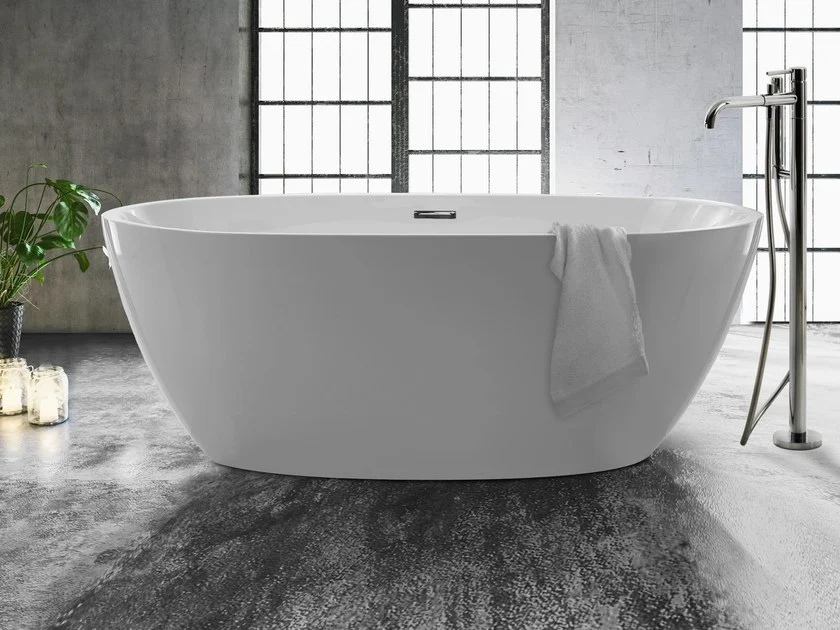
When you’re shopping for a freestanding bathtub, the material matters just as much as the shape or size. It changes
A well-designed bathroom begins long before fixtures are selected or materials are introduced. It starts with understanding the space itself.
Request your free material sample below. By submitting, you agree to receive occasional product updates and offers from Badeloft. Unsubscribe anytime.
"*" indicates required fields