
Why Homeowners Are Rethinking the Traditional Tub-Shower Setup in 2026
The modern residential landscape is currently undergoing a profound architectural and psychological shift, moving away from the utilitarian “all-in-one” bathroom
A clawfoot bathtub is a freestanding bathtub that has four pegs or feet directly underneath it. These pegs are finished with a claw design, lending the name of “clawfoot”. These feet are available in multiple styles, allowing you to change the aesthetics of your bathtub should you so choose. These bathtubs are finished on all sides, with a lip on the front, acting as a footrest or a place for a bath tray.
Traditionally associated with classic and vintage bathroom design, clawfoot tubs were originally made from cast iron with a porcelain coating, though modern versions are now available in lighter materials like acrylic. They are typically installed as standalone centerpieces and often paired with floor-mounted or wall-mounted faucets, making them a distinctive focal point in any bathroom.
Clawfoot tubs are no longer the most practical choice for modern bathrooms. While they still appeal to vintage design enthusiasts, they tend to fall short in functionality compared to newer options, as they are heavier, harder to clean, and often less ergonomic. Many homeowners now prefer tubs that are easier to install, safer to step into, and better suited for contemporary plumbing and layouts, with more flexibility in materials and customization.
Recently, Freestanding bathtubs have become the preferred alternative, offering greater design versatility, easier maintenance, and features like ergonomic shaping and hydrotherapy that align with modern comfort and wellness priorities.
Clawfoot tubs have remained popular for over a century, largely due to their timeless design and visual charm. The raised feet, curved shape, and freestanding structure create an elegant focal point that elevates any bathroom. Many homeowners are drawn to their nostalgic feel, evoking vintage luxury and craftsmanship. Whether in a historic home or a modern space, clawfoot tubs bring a sense of sophistication that built in tubs often lack.
Beyond aesthetics, clawfoot tubs are valued for their comfort and versatility. Their deep basins support full body soaking, making them ideal for relaxation. With styles like single slipper, double slipper, and double ended designs, users can choose what best fits their needs. Many models also support upgrades like shower attachments or custom finishes, blending classic design with modern function.
Clawfoot tubs are cherished not only for their vintage charm but also for their distinctive foot designs that can dramatically influence the overall look of a bathroom. These feet serve as more than just functional supports—they’re decorative elements that help define the tub’s style, whether it’s traditional, ornate, or modern. Below are the most popular clawfoot tub feet styles available today, each offering a unique aesthetic and character.
The ball and claw foot is the most iconic clawfoot tub design, featuring a sculpted claw that resembles a lion’s paw gripping a rounded ball and drawing from 18th and 19th century European influences, particularly the Victorian era. Its classic elegance adds a sense of history and refinement to the bathroom, and it is often available in finishes like oil rubbed bronze, brushed nickel, and antique brass to enhance its vintage appeal.
A more detailed variation of the ball and claw, the eagle claw foot showcases a powerful bird’s talon clutching a ball. The design is more angular and pronounced than the lion’s paw and is often used to make a bold, regal statement.
This foot style is popular in bathrooms that blend traditional and eclectic elements, offering a sense of grandeur and strength. Homeowners who want a clawfoot tub that commands attention while maintaining a vintage flair often choose eagle claw feet for their visual drama and historical symbolism.
The lion’s paw foot is a strong and commanding design that often forgoes the ball element to focus on the power and presence of the paw itself. With its thick, curved form and deep sculptural details, it conveys a sense of luxury and strength. This style is frequently used in opulent or stately interiors where dramatic, showpiece tubs are desired. Lion’s paw feet are often paired with deeper, cast iron tubs and dark or metallic finishes to emphasize their boldness and sculptural quality.
Scroll-style feet move away from animalistic motifs in favor of flowing, decorative scrollwork. These feet are typically more feminine and delicate in appearance, offering a softer visual effect. The curves and flourishes of scroll feet make them a natural fit for romantic, shabby chic, or Victorian-inspired bathrooms. Homeowners looking to create a dreamy, whimsical atmosphere often choose scroll feet to add an artistic, handcrafted touch to their clawfoot tub.
French-style feet are known for their refined and minimalist design. Often incorporating gentle curves, fluted textures, or leaf-like patterns, these feet evoke a sense of subtle sophistication. They are especially well-suited for Art Deco, transitional, or modern classic bathrooms, where a hint of vintage elegance is desired without overpowering the overall aesthetic. Their less-is-more look blends effortlessly with other design elements, making French-style feet a versatile choice.
Imperial feet are among the most decorative and elaborate options, often showcasing intricate carvings such as acanthus leaves, floral patterns, or shell motifs. These ornate details are rooted in classical European design and give the tub a distinctly royal or aristocratic presence. Ideal for luxury bathrooms or historical restorations, imperial feet elevate the entire bathroom space by acting as statement pieces in their own right. Their highly detailed construction pairs beautifully with traditional decor and upscale materials like marble and polished brass.
Square feet offer a contemporary twist on the traditional clawfoot design. Instead of curved or sculpted details, these feet use clean lines and sharp edges to create a more geometric and minimal look. This modernized take allows homeowners to enjoy the nostalgic feel of a clawfoot tub without committing to a fully antique style. Square feet are ideal for urban lofts, transitional spaces, and bathrooms that combine vintage and industrial elements. They also tend to be more compact, making them a smart option for smaller bathrooms.
Clawfoot bathtubs come in a wide variety of materials, and these materials will drastically affect your bathing experience. For that reason it is best to associate yourself with some of the more popular materials on the market and better understand which is best for you.
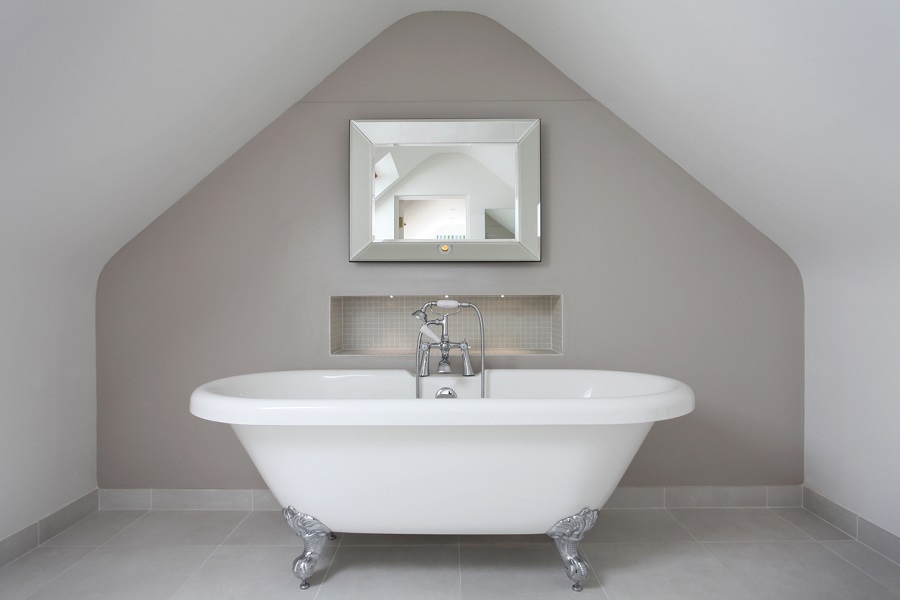
The average size of a clawfoot bathtub is 54 inches long with a width of 32 inches. This is considered to be the medium size of a clawfoot bathtub. For the small size, you have a length of 48 inches, with a width of 30 inches which creates a compact bathtub size which is fairly popular.
A step up from this is the widely popular 59-60 inches long with a width of 40 inches. This is considered to be the larger size of clawfoots, but the length can easily grow to 72 inches. The water depth between all these sizes will range anywhere from 24-30+ inches, depending on the size.
Clawfoot bathtubs are a timeless and elegant addition to any bathroom, known for their vintage charm and luxurious appeal. However, while they offer numerous aesthetic and comfort benefits, they also come with certain practical drawbacks. Understanding the pros and cons can help you decide if a clawfoot bathtub is the right choice for your home.
| Pros | Cons |
|---|---|
| Aesthetic Appeal – Timeless Design: Enhances the aesthetic of any bathroom. – Versatile Style: Fits into various design schemes. |
Cost – Expensive: Higher purchase and installation costs. – Additional Plumbing: May require special fixtures. |
| Comfort – Deep Soaking: Allows for a more immersive soaking experience. – Ergonomic Shape: More comfortable for reclining. |
Space Requirements – Large Footprint: Requires more space, not suitable for small bathrooms. – Heavy Weight: May need structural reinforcement. |
| Mobility – Freestanding Flexibility: Can be placed in different locations. – Easier Cleaning Around the Tub: Space underneath aids floor cleaning. |
Maintenance – Difficult to Clean: Intricate design and exposed piping. – Vulnerability to Scratches: Exterior can be prone to damage. |
| Durability – High-Quality Materials: Can last for decades with proper care. |
Comfort Considerations – Cold to the Touch: Cast iron can feel cold when entering. – Potentially Slippery: Smooth interior surface can be slippery. |
Clawfoot bathtubs are generally heavy bathtubs by normal standards, but the weight varies from material to material. An empty acrylic bathtub can weigh around 120 pounds whereas a cast iron bathtub can easily weigh around 200-400 pounds. Add in water and a cast iron bathtub can weigh anywhere from 500-900 pounds so it is vital that you reinforce your floor when installing a cast iron clawfoot bathtub. So when choosing your clawfoot bathtub, understand which material your bathroom can handle and it’s weight as acrylic is the lightest of the materials and cast iron is the heaviest, so as long as you sit in between, you should be fine.
On average, two large people can fit into a clawfoot bathtub, but there are more personal sized clawfoot tubs that are meant to house just one individual bather. While it may seem like a good idea to have a larger bathtub just in case, it is recommended to have a bathtub that fits you comfortably, as in the long run, you will be using it more frequently, which means having it the right size for your body means more comfort and less risk of health problems down the road such as slouching or poor posture.
While clawfoot tubs are admired for their vintage charm, a few key accessories can enhance their practicality and comfort. Whether you’re using your tub for daily showers or long soaks, these add-ons can help bridge the gap between classic style and modern convenience.
The most common accessory for clawfoot bathtubs is the shower attachment. Adding a handheld or overhead shower faucet transforms the tub from a purely soaking fixture into a fully functional, everyday bathing option. This upgrade allows users to enjoy the beauty of a clawfoot tub without sacrificing the convenience of a shower, especially important in homes with limited space or only one bathroom.
One drawback of clawfoot tubs is the lack of built-in storage for bathing essentials like soap, shampoo, and razors. A bathtub board or shower caddy solves this problem by providing a convenient, accessible surface to keep your items within arm’s reach. These accessories come in a variety of materials, such as teak, bamboo, or metal, and can be both functional and aesthetically pleasing.
A shower curtain is another essential accessory for clawfoot tubs—particularly for those with an added shower attachment. It provides much-needed privacy and helps prevent water from splashing onto your bathroom floor. Shower curtains designed specifically for clawfoot tubs often include circular or D-shaped curtain rods to wrap around the entire tub, offering full coverage and a more comfortable bathing experience.
Vintage clawfoot bathtubs continue to hold strong value in 2025, especially as demand for timeless, antique home fixtures remains high among renovators and design enthusiasts. However, their resale value depends heavily on the tub’s age, condition, style, and rarity. Common models manufactured between the 1920s and 1940s can still sell for anywhere between $400 and $1,200, depending on wear, enamel quality, and whether the original hardware is intact. More rare or ornate models—such as French double-ended or slipper clawfoot tubs—can command starting prices of $2,000 or more, especially if they’re in good condition or fully restored.
The standard 5-foot cast iron clawfoot tub typically resells in the $400–$600 range, though heavily worn or chipped models may go for less. Restoration costs should also be factored in: as of 2025, refinishing or reglazing a vintage clawfoot tub can range from $500 to $800, depending on location and the extent of the work needed. In some cases, restoration can exceed the cost of the tub itself—so buyers should carefully evaluate whether a fixer-upper is worth the investment. That said, when properly maintained or restored, vintage clawfoot tubs can be both a functional centerpiece and a valuable long-term asset in historic or design-forward homes.
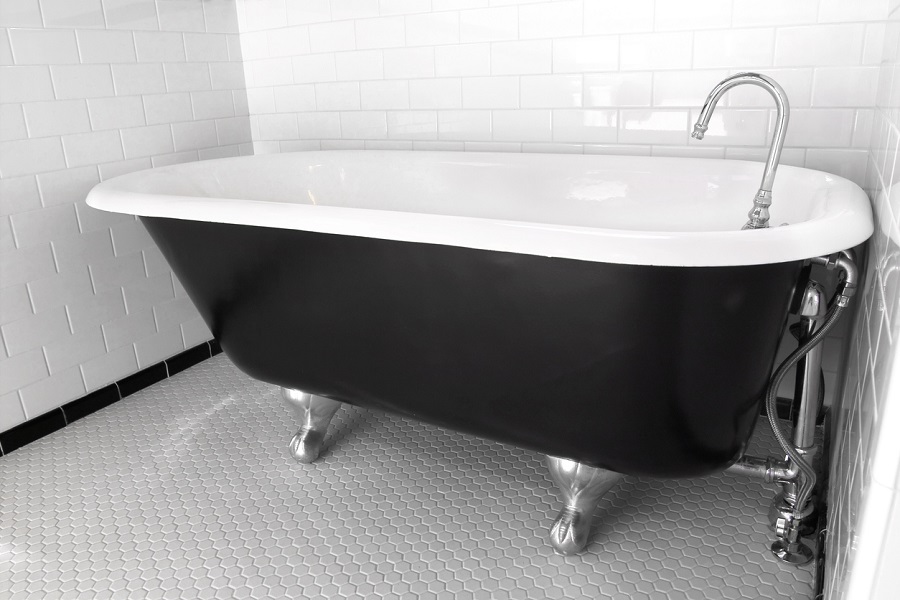
The short answer is that maintaining a clawfoot bathtub is not difficult, but it does require a bit more attention than a built in tub. You will need to regularly clean around the feet and underneath the tub, watch for dust and moisture buildup, and be mindful of the exterior finish to avoid scratches or tarnishing. It is also important to check plumbing connections and keep the area dry to prevent water damage or mold over time – as thats common for most to all types of consistently used tubs.
Whether a clawfoot tub is worth the investment largely depends on your personal preferences, design goals, and how you plan to use the space. For those who value vintage aesthetics, historical authenticity, or simply love the look and feel of a classic clawfoot, the answer is often yes. A well-maintained or beautifully restored clawfoot tub can add a unique, luxurious touch to a bathroom that few other fixtures can replicate. For design purists or those renovating historic homes, the charm and craftsmanship of a clawfoot tub may be well worth the cost.
However, from a practical and resale perspective in 2025, modern freestanding tubs are the more popular and flexible choice. Freestanding tubs offer similar elegance but with more material options, better ergonomic designs, and fewer installation challenges. They also tend to appeal to a broader range of homebuyers and fit better with contemporary bathroom trends. So while clawfoot tubs are still a worthwhile investment if they hold personal or aesthetic value for you, many homeowners may find their money better spent on a freestanding tub that offers both style and everyday functionality.
Use these questions to guide your decision before committing to a clawfoot bathtub:
1. Do I have a place for everyday essentials?
Clawfoot tubs do not have built in compartments, so you will need a plan for keeping soap and shampoo within reach.
2. Is my bathroom set up to handle splashing?
The open design makes it easier for water to splash over the sides, especially with kids. Consider if you can create a splash resistant or segmented bath and shower space.
3. Am I comfortable with the height?
Clawfoot tubs are taller than built in tubs, which can make stepping in and out more difficult for shorter individuals or those wanting easier access.
4. Will it fit my space?
These tubs can be larger and require more open room, so it is important to understand your bathroom layout and spacing limitations.
5. Am I okay with extra cleaning and maintenance?
Cleaning a clawfoot tub takes more effort since you will need to clean around the feet and underneath the tub.

Eric is the founder and president of Badeloft USA. He has been the president of Badeloft’s US division for over ten years and oversees all marketing and branding aspects of Badeloftusa.com.
His expertise lies in small business development, sales, and home and bathroom industry trends and information.
Contact us with any business related inquiries.
Badeloft is dedicated to helping homeowners make informed decisions about their bathrooms. We adhere to strict editorial guidelines to ensure our content is accurate, trustworthy, and useful.
Request free stone resin and stainless steel material samples. Delivered to your door.
The modern residential landscape is currently undergoing a profound architectural and psychological shift, moving away from the utilitarian “all-in-one” bathroom
Acrylic bathtubs have become one of the most widely used materials in modern bathrooms, offering a balance of affordability, comfort,
When you’re shopping for a freestanding bathtub, the material matters just as much as the shape or size. It changes
A well-designed bathroom begins long before fixtures are selected or materials are introduced. It starts with understanding the space itself.
Request your free material sample below. By submitting, you agree to receive occasional product updates and offers from Badeloft. Unsubscribe anytime.
"*" indicates required fields