
Why Homeowners Are Rethinking the Traditional Tub-Shower Setup in 2026
The modern residential landscape is currently undergoing a profound architectural and psychological shift, moving away from the utilitarian “all-in-one” bathroom
Cast iron bathtubs are among the most durable tubs you can buy. With a lifespan of 50 years or more – and many lasting 70+ years with proper care – they outlast acrylic, fiberglass, and porcelain-enameled steel by a wide margin (source: Empava). They also retain heat exceptionally well and bring a classic, substantial presence to any bathroom.
But they come with trade-offs: cast iron tubs are heavy (300–500 lbs for a standard 60-inch model), expensive ($500–$2,000+), and may require reinforced flooring. This guide covers everything you need to decide whether cast iron is the right material for your home.
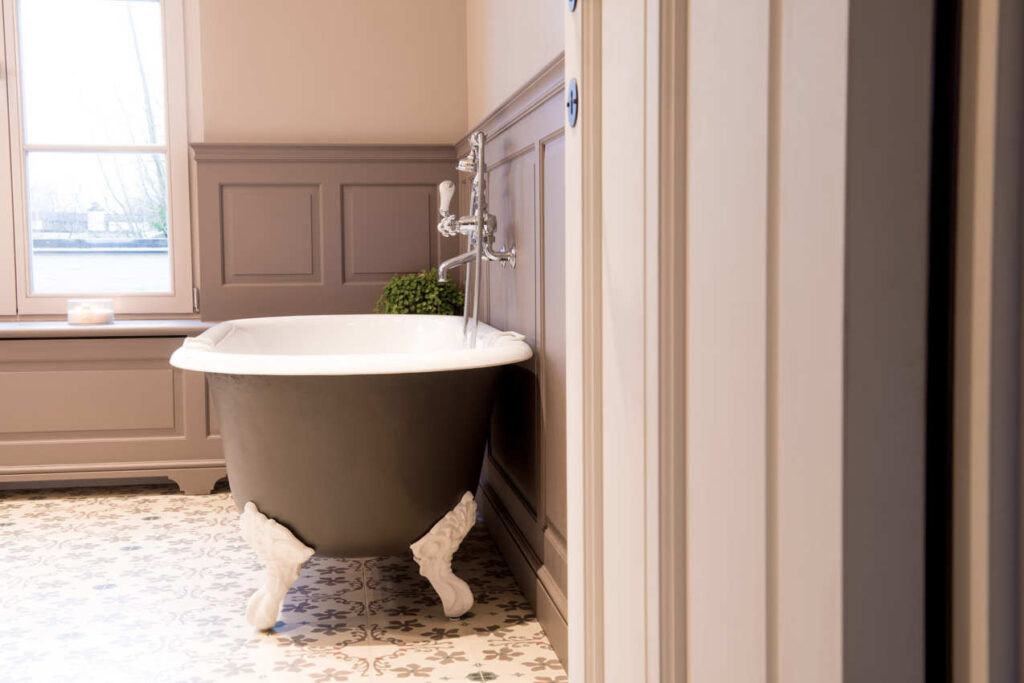
A cast iron bathtub is made by pouring molten iron into a mold to form the tub body, which is then coated with a layer of porcelain enamel. The enamel gives the tub its smooth, glossy finish and protects the iron from moisture and rust. The result is a bathtub that is:
Cast iron has been used in bathtub manufacturing since the mid-1800s and remains a standard material in high-end and period-style bathrooms today. For a broader comparison of how cast iron stacks up against other options, see our guide to common bathtub materials.
Exceptional durability and lifespan. Cast iron tubs routinely last 50–70+ years – several times longer than acrylic (10–15 years) or fiberglass (10–15 years) (source: Streamline Bath). Many homeowners report cast iron tubs still in excellent condition after 50 years of daily use, with only the plumbing needing replacement (source: Giving Tree Home).
Superior heat retention. Cast iron absorbs and holds heat due to its dense, heavy structure. Industry testing shows that the water temperature in a cast iron tub drops approximately 4–6°F over 30 minutes after the tub body is preheated – comparable to high-end acrylic and stone resin tubs (source: WELLFOR). In practice, this means longer, warmer soaks without needing to add hot water.
One caveat: cast iron feels cold to the touch initially. Industry data shows the initial surface temperature of a cast iron tub is about 8–10°F lower than acrylic under the same conditions (source: WELLFOR). Running hot water for a minute before stepping in solves this.
Low maintenance. A cast iron tub requires nothing more than a soft cloth and mild soap for regular cleaning. The enamel surface resists most household cleaners and doesn’t require the careful product selection that acrylic demands. Avoid abrasive scrubbers and acidic cleaners, which can damage the enamel over time. For detailed cleaning methods, see our bathtub cleaning guide ⭐.
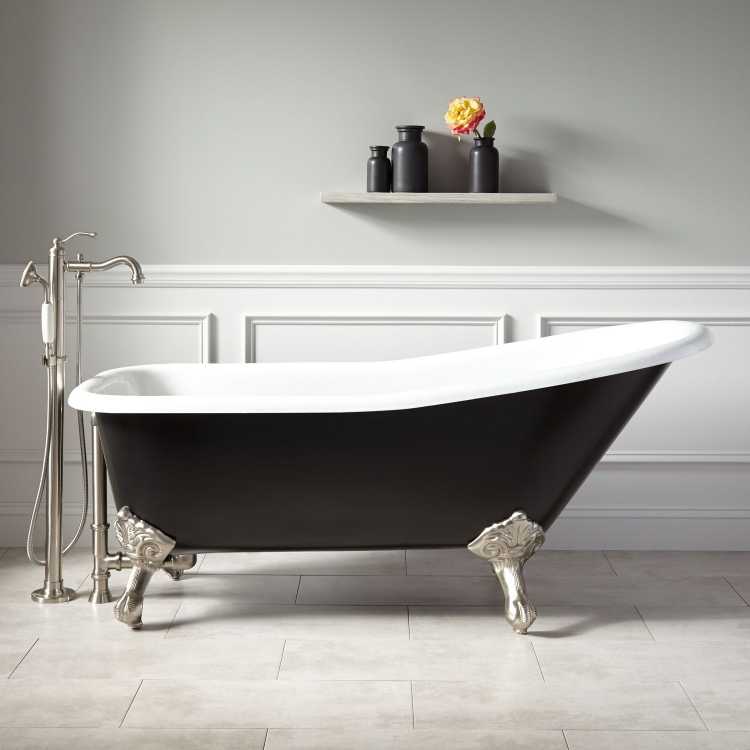
Classic aesthetic. Cast iron tubs are synonymous with traditional and vintage bathroom design. They’re available in freestanding, clawfoot ⭐, alcove, and drop-in configurations, making them versatile enough for period renovations and contemporary spaces alike.
Resale value. A quality cast iron tub is considered a premium fixture. According to the National Kitchen and Bath Association (NKBA), bathrooms with upgraded soaking tubs are among the most requested features in luxury remodels, with 70% of luxury renovations in 2024 including freestanding tubs (source: NKBA, via Badeloft bathtub trends report).
Heavy weight. Cast iron is the heaviest common bathtub material. A standard 60-inch tub weighs 300–400 lbs empty, and 600–800+ lbs when filled with water and a bather. This creates real structural considerations that lighter materials simply don’t have.
Higher cost. Cast iron tubs typically cost $500–$2,000 for the tub alone, with premium freestanding models reaching $3,000+. Installation costs are also higher due to the weight and potential need for floor reinforcement. By comparison, a quality acrylic tub starts at $300–$500.
Limited design options. Because cast iron must be poured into molds, it doesn’t offer the same design flexibility as acrylic, which can be shaped into virtually any form. Cast iron tubs come in fewer shapes and sizes, and color options beyond white, black, and a handful of classics are limited.
Cold initial touch. As noted above, the iron body absorbs heat from the water before reaching equilibrium, which means the first few moments of contact feel noticeably cooler than acrylic or stone resin.
Weight is the single biggest consideration when choosing a cast iron tub. Here’s what to expect by size:
| Tub length | Approximate empty weight | Estimated filled weight (water + bather) |
|---|---|---|
| 48″–54″ (small) | 200–280 lbs | 450–550 lbs |
| 60″ (standard) | 300–400 lbs | 600–750 lbs |
| 66″ | 350–450 lbs | 700–850 lbs |
| 72″ (large) | 400–500 lbs | 800–1,000 lbs |
Weight varies by manufacturer, wall thickness, and tub style. Clawfoot and slipper tubs tend to weigh more than standard alcove models at the same length.
The most popular cast iron tub sizes are 60 inches and 66 inches, which offer a good balance between soaking depth and bathroom compatibility. Here’s a quick reference:
| Size | Typical dimensions (L × W × D) | Best for | Installation type |
|---|---|---|---|
| 48″–54″ | 48–54 × 28–30 × 14–16″ | Small bathrooms, guest baths | Alcove, drop-in |
| 60″ (most common) | 60 × 30 × 16″ | Standard bathrooms | Alcove, freestanding, drop-in |
| 66″ | 66 × 32 × 18″ | Primary bathrooms, taller bathers | Freestanding, drop-in |
| 72″ | 72 × 32–36 × 20″ | Large bathrooms, luxury soaking | Freestanding |
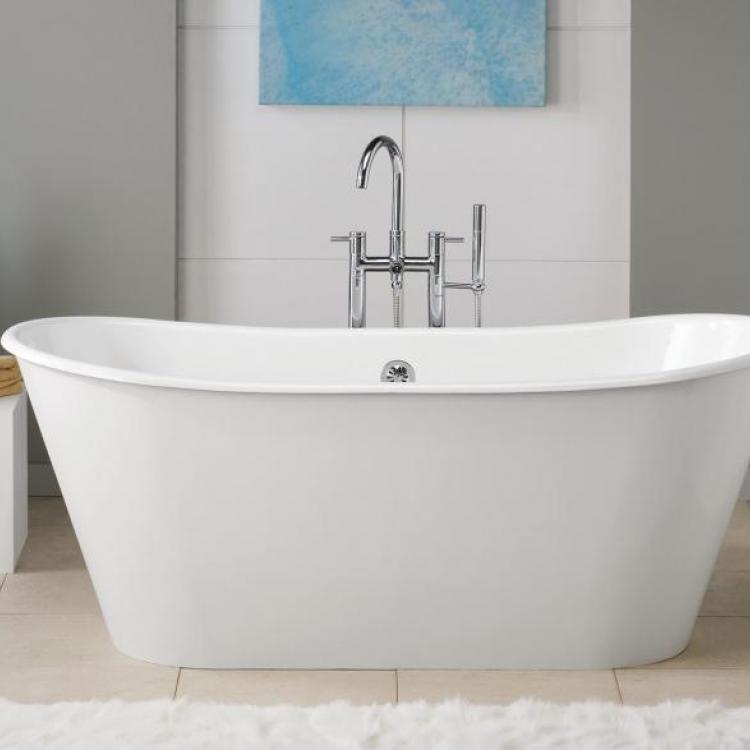
Cast iron is available in both freestanding and alcove configurations. Freestanding cast iron tubs – including clawfoot, pedestal, and slipper styles – are typically 60–72 inches and serve as a visual centerpiece. Alcove cast iron tubs fit into a three-wall recess and are more practical for smaller spaces or shower-tub combinations.
For a full breakdown of bathtub measurements across all types, see our bathtub dimensions guide.
| Category | Price range (tub only) | Examples |
|---|---|---|
| Budget alcove | $300–$600 | Basic 60″ alcove models from American Standard, Sterling |
| Mid-range freestanding | $600–$1,500 | 60″–66″ freestanding and clawfoot models from Kingston Brass, Signature Hardware |
| Premium freestanding | $1,500–$3,000+ | 66″–72″ luxury models from Kohler, Cheviot, Waterworks |
| Vintage/antique | $400–$2,000+ | Salvaged and restored period tubs (condition-dependent) |
Installation costs add $500–$2,000 on top of the tub price, depending on plumbing complexity, floor reinforcement needs, and whether you’re replacing an existing tub or installing fresh. Professional installation is strongly recommended for cast iron due to the weight.
| Material | Tub price range | Lifespan | Installation difficulty |
|---|---|---|---|
| Fiberglass | $200–$500 | 10–15 years | Easy |
| Acrylic | $300–$1,500 | 10–15 years | Easy |
| Porcelain/enameled steel | $300–$800 | 15–25 years | Moderate |
| Cast iron | $500–$3,000+ | 50–70+ years | Difficult (heavy) |
| Stone resin | $1,500–$5,000+ | 20+ years | Moderate (heavy) |
| Copper | $3,000–$10,000+ | 50+ years | Difficult (heavy) |
Sources: Industry pricing data compiled from Kohler, Signature Hardware, and retailer listings as of 2026.
Cast iron bathtubs generally fluctuate between $500-2,000 typically, although there are many outliers on either end. You can obtain one for roughly $300-400, though these would be much smaller in size and the higher end models will come with more features that ensure ease of install and some minor safety features like steps and hand-holds. This, of course, is not factoring in installation costs, which, for your safety, it is highly recommended you have additional help when installing this bathtub type. Due to the many positives of the material, it is quite normal to see the bathtub cost on the higher price spectrum.
While cast iron has a higher upfront cost, its lifespan makes it one of the lowest cost-per-year options available. A $1,500 cast iron tub that lasts 50 years costs $30/year. A $500 acrylic tub replaced every 12 years costs $42/year – and that’s before counting repeated installation costs.
For a detailed price breakdown across all materials and styles, see our bathtub cost guide ⭐.
This is the most common comparison shoppers face. Here’s how the two materials stack up across every major factor:
| Factor | Cast iron | Acrylic |
|---|---|---|
| Weight (60″ tub) | 300–400 lbs | 60–120 lbs |
| Lifespan | 50–70+ years | 10–15 years |
| Heat retention (30 min temp drop) | ~4–6°F | ~5–8°F |
| Initial touch temperature | Cold (8–10°F lower than acrylic) | Warm |
| Scratch resistance | Excellent (hard enamel) | Good (can scratch, but repairable) |
| Impact resistance | Excellent | Good (can crack under heavy impact) |
| Design variety | Limited shapes/colors | Extensive – nearly any shape or color |
| Price range | $500–$3,000+ | $300–$1,500 |
| Installation | Requires 2–4 people, possible floor reinforcement | 1–2 people, standard floor |
| Repair | Enamel chips require professional refinishing | Scratches can be buffed/filled DIY |
| Best for | Traditional style, long-term investment, primary bathrooms | Modern style, budget renovations, upper floors |

Bottom line: Cast iron wins on durability, heat retention, and longevity. Acrylic wins on weight, design flexibility, and price. If you plan to stay in your home long-term and want a tub that outlasts multiple bathroom renovations, cast iron is the better investment. If you need a lightweight, versatile, or budget-friendly option – especially for an upper floor – acrylic makes more sense.
For a deeper comparison of all bathtub materials, including stone resin and copper, read our freestanding bathtub material comparisons ⭐.
Keeping your bathtub in top shape is important for the longevity of your tub and helps to improve the sanity of the water you bathe in. Since cast iron bathtubs are a mixture of porcelain and cast iron, it is important to reapply the enamel finish to keep the surface of your bathtub protected.
Using a degreaser, clean the bathtub, making sure you remove any caulk residuals
Using a putty knife, apply filler to any open chips or cracks that may appear on your bathtub
When the chips are filled, use a sander or utility knife to even the surface and make it smooth
Before applying the paint, make sure to cover the area with some sort of tarp or protective cover so that you do not apply the paint to undesired areas.
Using either an air compressor or paintbrush, apply paint, waiting every 15 minutes before applying another coat.
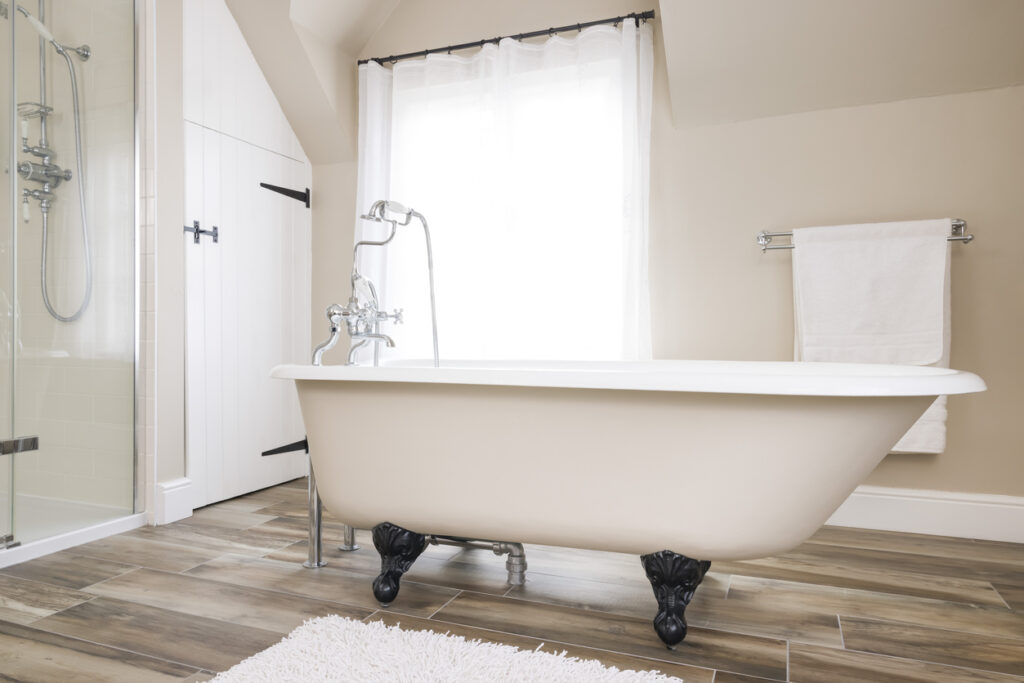
A popular alternative to replacing your bathtub is simply repainting or reglazing it. With a new bathtub, your price will vary between $250-1,000 not including installation costs. Reglazing will run similarly between $300-1,000, depending on the size of the area that needs painting. The difference is that you don’t need to demolish or remove an existing bathtub and deal with the hassle of the installation process. Either hire a professional to reglaze the space for you or DIY. For DIY purposes, understand that painting your bathtub will produce toxic fumes, so wear proper equipment while doing so for the safety of yourself and others. The process of re-glazing also helps to restore any residual weathering that your bathtub may sustain from use over time.
Since a partial component of this bathtub is iron, it is prone to rust stains due to regular use. An easy fix for that is iron stain removers or abrasive cleaning products. Take care however as these products can invariably scratch your bathtub if you aren’t careful. Avoid using wool or any brushes that can also scratch your bathtub. It is advised to use a pumice stone, which is a small porous rock. Use a combination of the pumice stone and warm water to remove the rust stains with a light rub, so as to not damage your bathtub, then when the stain is gone, apply lemon and salt.
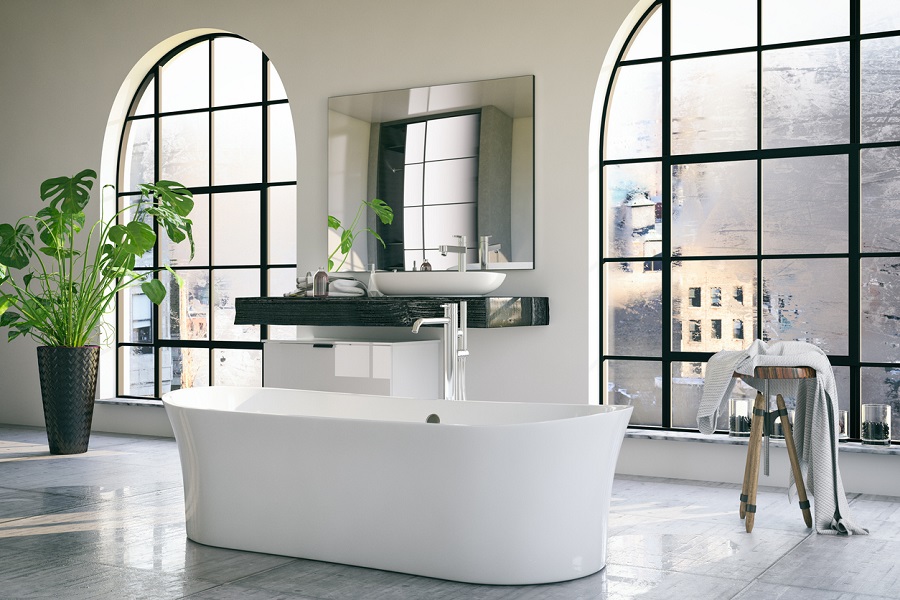
If you’re replacing an old cast iron tub, you have two options:
For a comprehensive guide to bathtub removal, see our article on how to move a bathtub.

Eric is the founder and president of Badeloft USA. He has been the president of Badeloft’s US division for over ten years and oversees all marketing and branding aspects of Badeloftusa.com.
His expertise lies in small business development, sales, and home and bathroom industry trends and information.
Contact us with any business related inquiries.
Badeloft is dedicated to helping homeowners make informed decisions about their bathrooms. We adhere to strict editorial guidelines to ensure our content is accurate, trustworthy, and useful.
Request free stone resin and stainless steel material samples. Delivered to your door.
The modern residential landscape is currently undergoing a profound architectural and psychological shift, moving away from the utilitarian “all-in-one” bathroom
Acrylic bathtubs have become one of the most widely used materials in modern bathrooms, offering a balance of affordability, comfort,
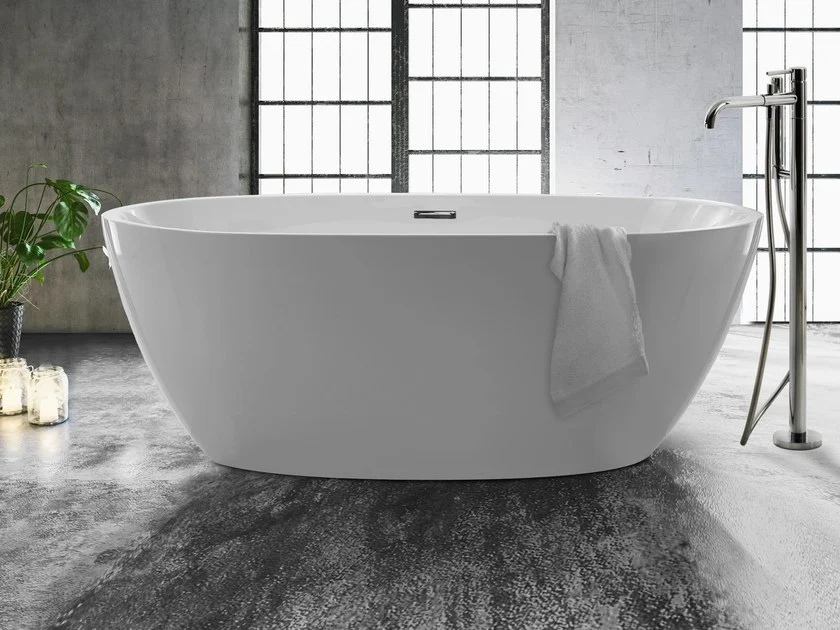
When you’re shopping for a freestanding bathtub, the material matters just as much as the shape or size. It changes
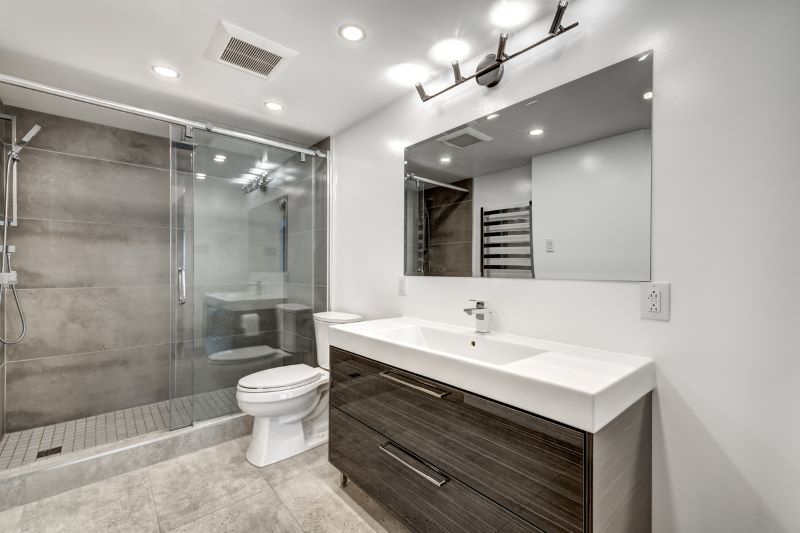
A well-designed bathroom begins long before fixtures are selected or materials are introduced. It starts with understanding the space itself.
Request your free material sample below. By submitting, you agree to receive occasional product updates and offers from Badeloft. Unsubscribe anytime.
"*" indicates required fields
2 thoughts on “Cast Iron Bathtub Guide: What You Should Know Before You Buy”
Excellent article. Cast iron bathtub refinishing is a great alternative when the time to remodel a bathroom arrives.
what does H inside diamond on tub mean