
Stone Resin vs. Acrylic Tubs: Which Material Is Right for You?
When you’re shopping for a freestanding bathtub, the material matters just as much as the shape or size. It changes
The 2025-2026 bathtub market is all about turning your bathroom into a true spa-like retreat. In fact, according to Zillow’s Home Trends Report, listings featuring spa-inspired features have increased by 22% as homeowners prioritize relaxation and wellness at home.
More people are moving away from traditional tub-shower combos and choosing freestanding statement tubs, wet room designs, and materials that actually hold heat like stone resin and solid surface. Comfort is also getting smarter and more practical, with compact Japanese soaking tubs for smaller spaces and features like preset temperatures, soft lighting, and sleek overflow designs that elevate the experience.
Even accessibility has evolved, with modern walk-in tubs offering easy entry, therapeutic benefits, and a clean, high-end look that still feels luxurious.
With these trends shaping how bathrooms look and feel, let’s take a closer look at the most popular bathroom styles homeowners are choosing today.
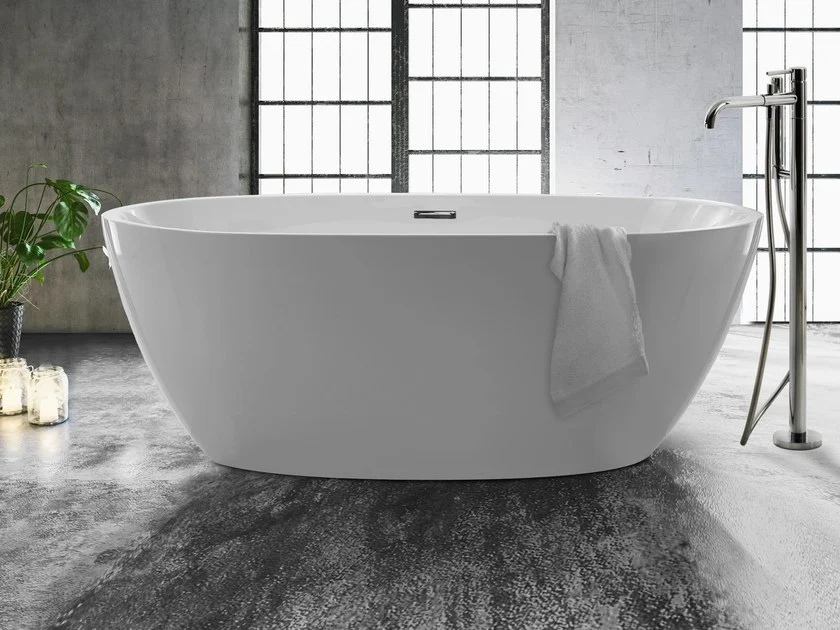
Freestanding bathtubs continue to dominate bathroom trends. Their sculptural beauty makes them a natural focal point for any bathroom, modern or classic. These tubs don’t require adjacent walls, offering complete flexibility in placement.
Common matertials are usually acrylic and stone resin. Acrylic is lightweight and budget-friendly, while stone resin offers a more premium feel with excellent heat retention. We would say both are great choices for creating a clean, modern, spa-like bathroom.
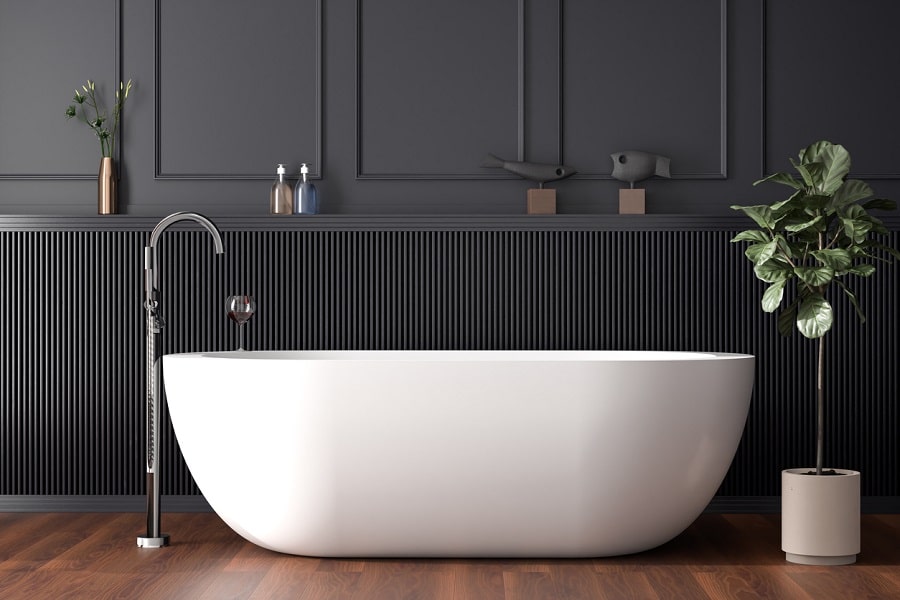
They are also more valuable than drop-in bathtubs, making them more desirable for resale value. Acrylic is the most popular material on the market due to it’s affordability, although stone resin is an upcoming close competitor. If you are looking for a prime example, consider Badeloft for a freestanding tub.
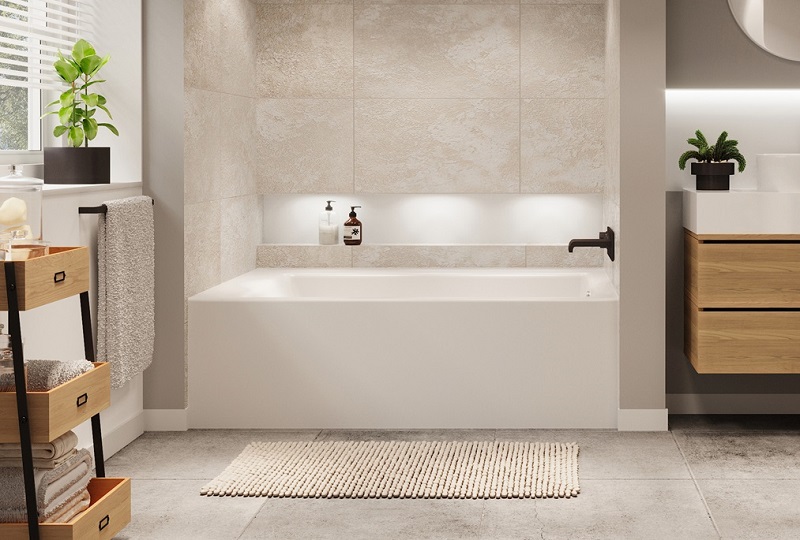
Alcove bathtubs will never go out of style, as they are among the most common bathtubs on the market. An alcove bathtub is installed in a dropped-in recess, surrounded by adjacent walls. Their versatility allows them to fit into nearly any home, and when combined with a shower, they make great everyday bathtubs.
The most popular material for an alcove tub remains acrylic, as it is affordable, durable, and widely available. If you are looking for quality alcove bathtubs, consider Kohler for example.
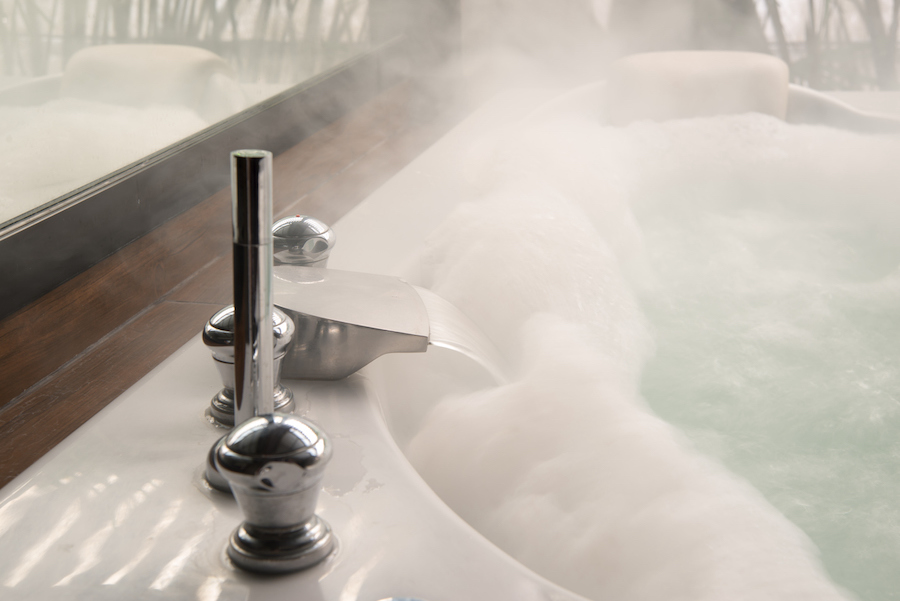
Corner bathtubs are bathtubs designed to fit into a small corner; these bathtubs are generally triangular, although there are round designs as well. Although this bathtub technically saves space, the awkward shape means that it takes up more room than a standard alcove tub. For this reason, many corner tubs are converted into whirlpool tubs for added functionality. When we researched this piece, Atlantis whirlpools are the most popular on the market.
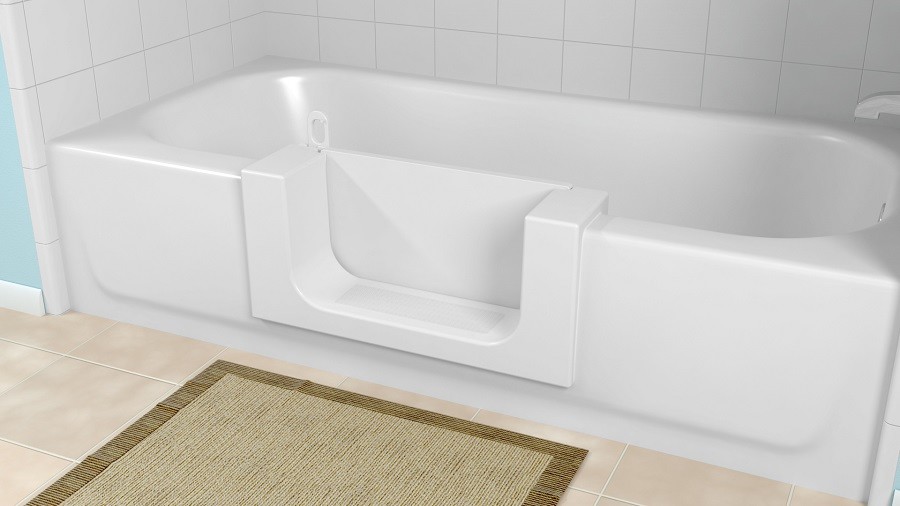
Walk-in bathtubs are designed for those with movement impairment such as the elderly or disabled. They feature hand rails, steps, and non-slip surfaces. They are designed to open with a door, allowing the user to sit comfortably while they take a bath. At this time, the Universal Tub is the most prevalent walk-in bathtub, with a plethora of features and a wide variety of massage jets.
A wooden bathtub is a unique fixture in the bathroom as wood generally doesn’t suit the bathroom.
The Alfi Freestanding wooden tub is the most popular bathtub; constructed from oak and reinforced with stainless steel, this bathtub has a stylish design that’s hard to beat. It is, however, quite expensive and will require routine maintenance.
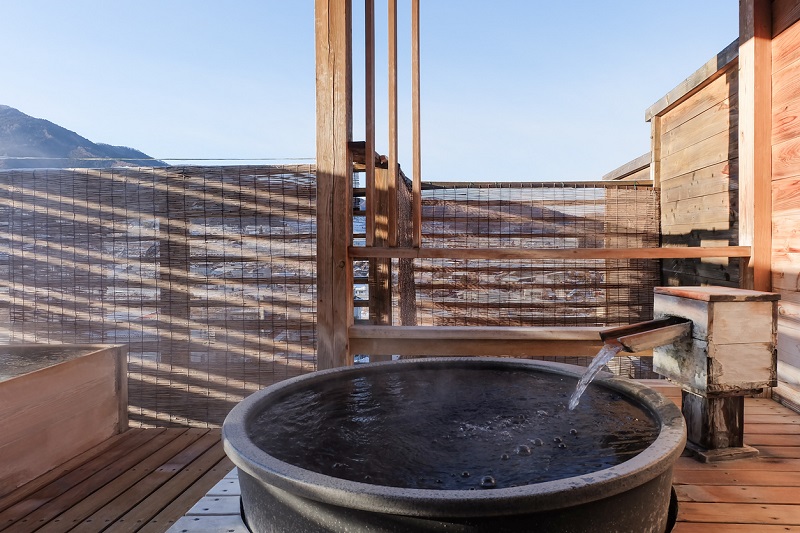
A soaking bathtub needs to be deep enough to submerge your body fully. The most popular soaker according to our research is the Wyndham Rebecca as it offers a water depth of around 32 inches, making it quite deep and comfortable for taller individuals.
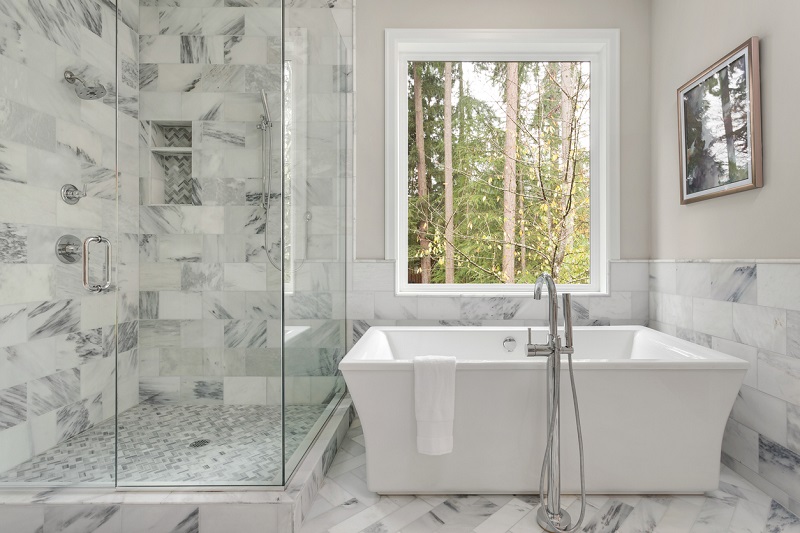
Japanese soaking tubs, also known as Ofuro tubs, are compact, deep, and designed for upright bathing, almost like being gently wrapped in warmth rather than stretched out. Their smaller footprint makes them perfect for urban bathrooms, wellness-focused homes, and clean, minimalist designs without sacrificing that deep, immersive soak. For the full experience, pair a Japanese tub with natural materials like stone or wood to create a calming, zen-inspired space that feels like a quiet escape at the end of the day.

When shopping for a new tub, consider the material options available to you and their pros and cons:
Acrylic is one of the most affordable bathtub materials on the market and perhaps the most common. Acrylic is made by vacuuming sheets of acrylic into the shape of a tub which is then reinforced with fiberglass. The resulting material is durable, non-porous, and lightweight. As a result, acrylic is one of the most common bathtub materials as it can be molded to fit almost any shape you want. The only real downside to this material is that it’s so common that many homeowners tend to shy away from it.
Fiberglass tubs are made by weaving layers of glass strings which are then heated before being sprayed with a protective resin gel coat. This material is affordable, easy to install, easy to replace, and lightweight. However, it has poor durability and is also porous, meaning it will absorb water over time.
Enamel cast iron is made by casting the tub’s shape with a layer of enamel or porcelain to protect it from chipping. The extra layer makes the material easier to clean as cast iron is naturally resistant to scratching or heavy impacts. Cast iron tubs have tremendous heat retention and are highly durable, but they are the heaviest bathtubs on the market, making them difficult to install and remove.
Copper bathtubs are made by hammering and shaping copper into a bathtub shape. The metal is anti-bacterial and highly durable, although it is highly sensitive to abrasive chemicals. Over time, this material will develop a unique patina that will amplify it’s shine. Copper rates as one of the best bathtub materials due to its durability and little maintenance, although it is quite expensive.
Wood is a wildly unique material, as wood is not compatible with the humidity of the bathroom. However, in some cases, you can seal the wood against moisture to help protect it, but this bathtub will generally have a longevity less than 10 years, even with proper care. Still, if you want a bathtub that provides a unique experience, wood is certainly high on that list.
Stone resin is a composite material that involves binding natural stone with resin and acrylic. The result is a lightweight material and easier to work with than natural stone. This material is ideal if you want the look and feel of natural stone at a quarter of the price point. The only drawback to stone resin is that it feels different than natural stone, which is off putting to some.
When shopping for your bathtub this year, do your research and choose the right features for your home. Consider the space available in your bathroom to ensure a proper fit and comfortable use. Additionally, reading reviews and consulting with experts can provide valuable insights into the best options for your needs. Consider factors such as size, shape, and material to ensure a perfect fit for your space and lifestyle. With the right choices, you can create a relaxing oasis in your home that meets all your bathing needs.
Designing a bathroom that reflects your personal style is essential, as it serves as both a functional space and a sanctuary for relaxation. Here are five expert insights on the significance of bathroom design:
These perspectives underscore the importance of thoughtful bathroom design in creating a space that is both functional and reflective of personal style.
The size and layout of your bathroom will heavily influence the style of bathtub you can accommodate.
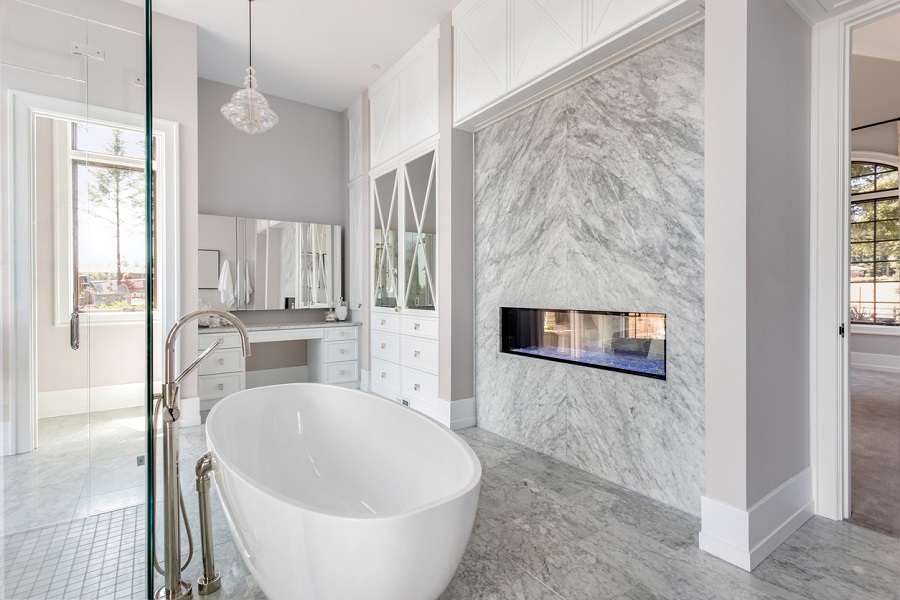
For smaller or compact spaces may require a Japanese soaking tub or a freestanding mini tub, as these styles maximize depth without taking up excessive floor space.
For spacious layouts, freestanding clawfoot tubs or drop-in tubs can serve as statement pieces while offering more placement flexibility.
Choose a bathtub style that complements the overall design of your bathroom.
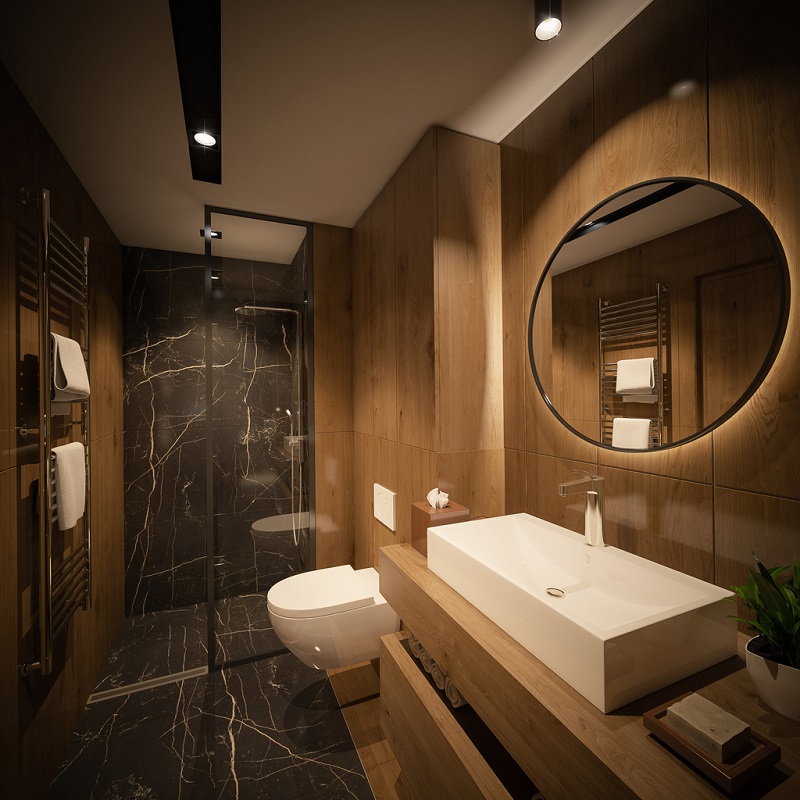
Opt for sleek freestanding tubs with minimalist lines and matte finishes for a contemporary look.
Clawfoot tubs or slipper tubs with ornate details work beautifully for traditional or vintage-inspired spaces.
Consider who will be using the tub and for what purpose.

A deep soaking tub is ideal for comfort and full-body immersion for long soaks.
For families with children or elderly members, a built-in tub with a shower combination is often more practical.
Tip: Consider additional features like whirlpool jets or ergonomic seating if you prioritize comfort and functionality.
The material of the tub affects its style, weight, and longevity.
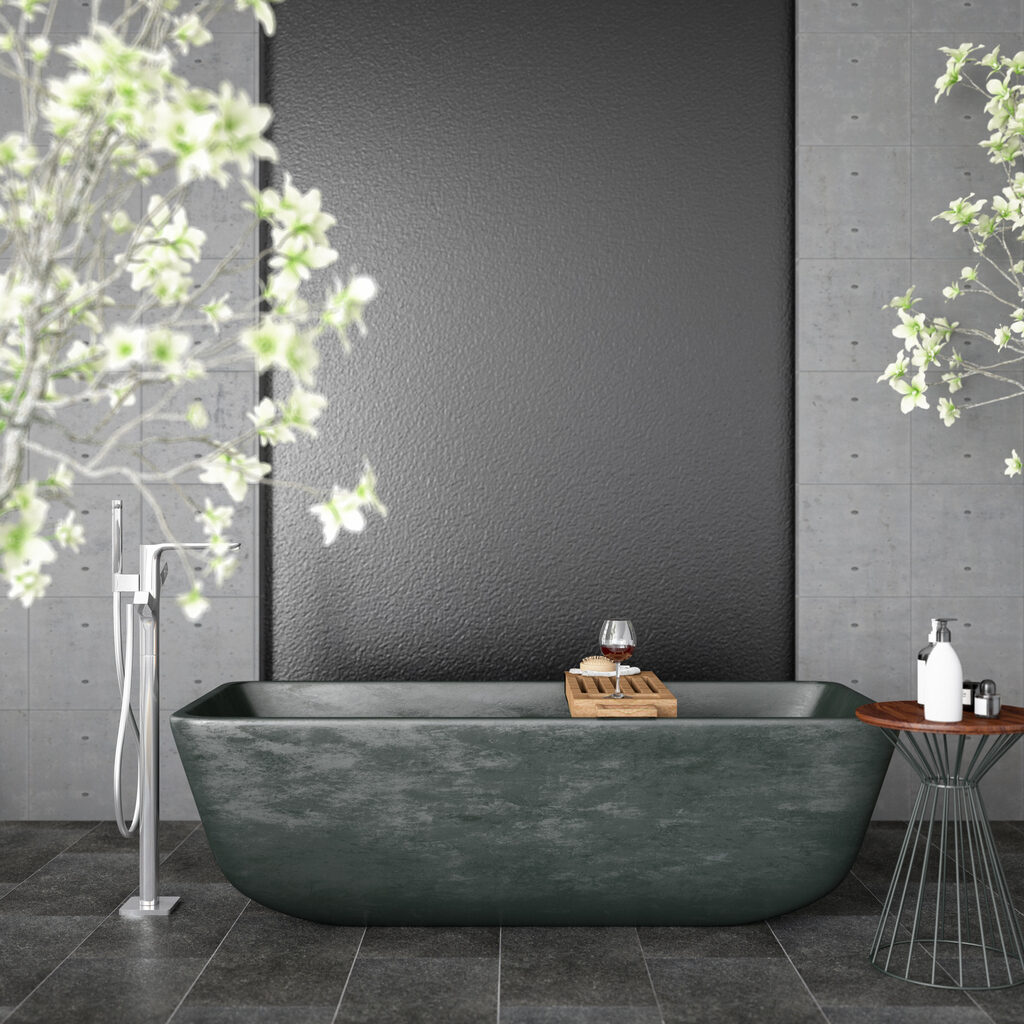
Acrylic tubs are budget-friendly and easy to install, making them a popular choice for all bathroom sizes.
Stone resin or cast iron tubs offer excellent heat retention and long-term durability, making them a premium option.
Pro Tip: Badeloft’s stone resin tubs are durable, retain heat well, and offer a premium matte finish that enhances any bathroom style.
Different bathtub styles come with varying price points.
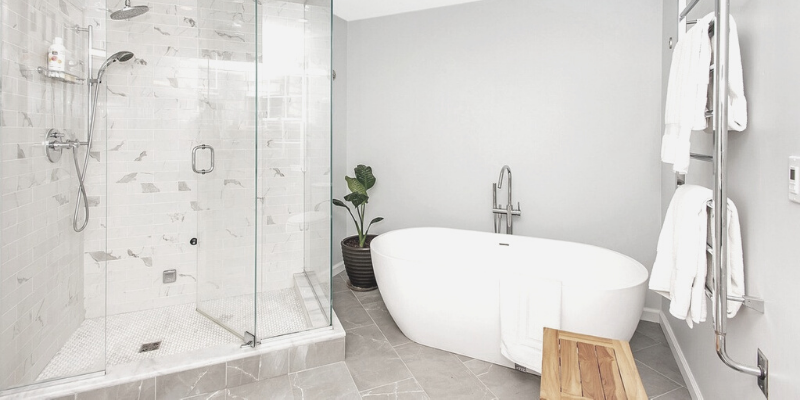
Due to their design flexibility and luxury style, freestanding tubs tend to be more expensive, averaging between $1,200 and $4,000.
Drop-in tubs are generally more budget-friendly, ranging from $600 to $2,000.
Your bathtub is more than just a functional fixture, it’s a statement piece that defines the style and ambiance of your bathroom. Whether you’re designing a luxurious master bath or optimizing a cozy space, choosing the right bathtub style can transform your bathroom into a personal retreat. From sleek modern freestanding tubs to vintage-inspired clawfoot designs, the options are as diverse as they are beautiful.

Eric is the founder and president of Badeloft USA. He has been the president of Badeloft’s US division for over ten years and oversees all marketing and branding aspects of Badeloftusa.com.
His expertise lies in small business development, sales, and home and bathroom industry trends and information.
Contact us with any business related inquiries.
Badeloft is dedicated to helping homeowners make informed decisions about their bathrooms. We adhere to strict editorial guidelines to ensure our content is accurate, trustworthy, and useful.
Request free stone resin and stainless steel material samples. Delivered to your door.
When you’re shopping for a freestanding bathtub, the material matters just as much as the shape or size. It changes
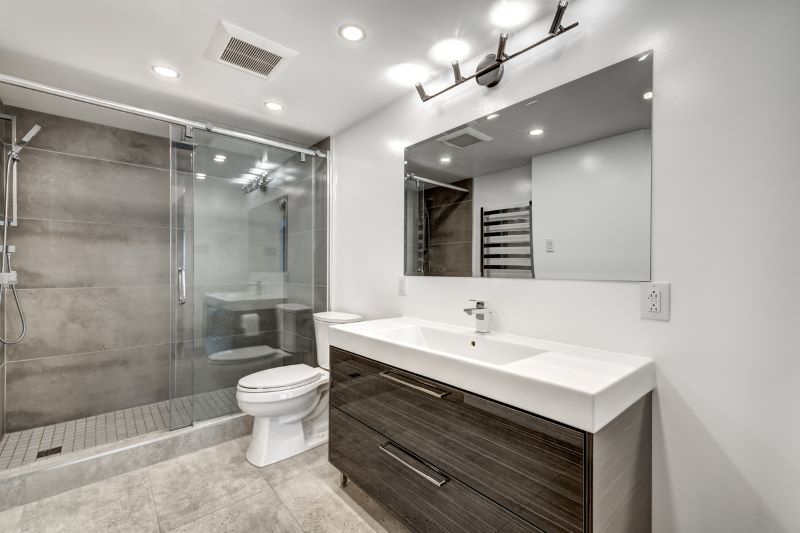
When remodeling your home, you may struggle finding which bathroom size is appropriate for your home. The full sized bathroom
Today’s bathtub choices are plentiful with a host of styles, shapes, sizes, and materials to choose. The choice often comes
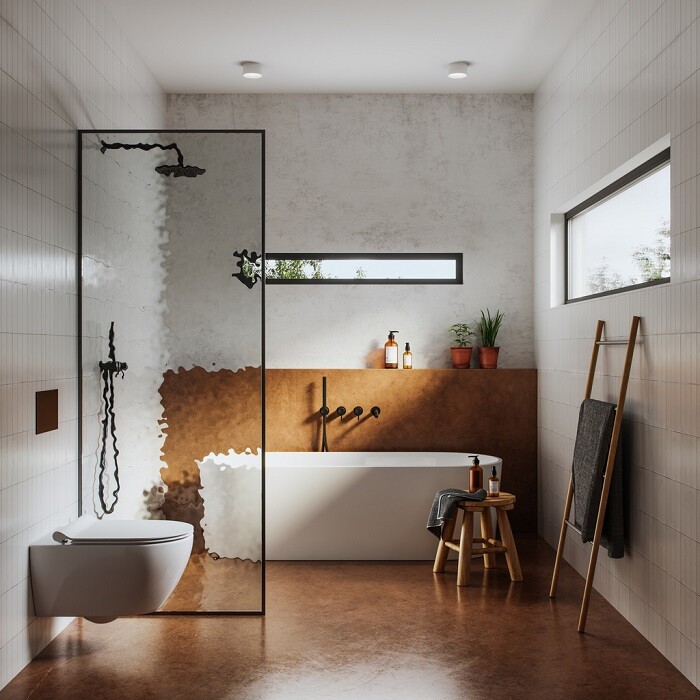
Does adding a bathtub to your home increase its resale value? The short answer is yes, with many US homeowners
Request your free material sample below. By submitting, you agree to receive occasional product updates and offers from Badeloft. Unsubscribe anytime.
"*" indicates required fields