
Choosing a Bathtub for Two: Sizes, Features, Installation & Other Considerations Before You Purchase
There’s a gap between what a freestanding bathtub listing tells you and what it actually feels like to share one.
Does adding a bathtub to your home increase its resale value? The short answer is yes, with many US homeowners recouping around 60% of their investment from having a bathtub installed. But why is that?
We will dive into the details about why bathtubs make better investments compared to showers. Bathtubs not only enhance the aesthetic appeal of a bathroom but also offer a variety of health benefits, including stress relief and improved circulation.
Additionally, for homeowners looking to upgrade their space, buying bathtubs in bulk can lead to significant savings, making it a cost-effective option for renovations or property investments. The versatility of bathtubs also allows for greater customization, which can attract potential buyers in the real estate market.
For each section below right about the core differences between bathtubs and showers.
Bathtubs and showers are different fixtures, giving your bathroom different advantages and disadvantages. Traditionally, bathtubs are seen as more of a luxury fixture whereas showers are more appropriate for everyday use. Here are the high level differences
| Category | Bathtub | Shower |
|---|---|---|
| Primary Purpose | Relaxation and soaking experience | Quick, efficient daily bathing |
| Style & Aesthetic | Statement piece, luxury-focused | Minimal, modern, practical |
| Space Required | Requires more horizontal space | More compact footprint |
| Installation Complexity | Heavier, may require reinforcement | Generally easier and faster |
| Average Cost (2026) | $800 – $5,000+ depending on type | $800 – $8,000+ depending on customization |
| Water Usage | Higher per use | Typically lower per use |
| Best For | Families, relaxation, resale appeal | Busy households, small spaces |
| Resale Value | Preferred in primary bathrooms | Highly desirable in modern remodels |
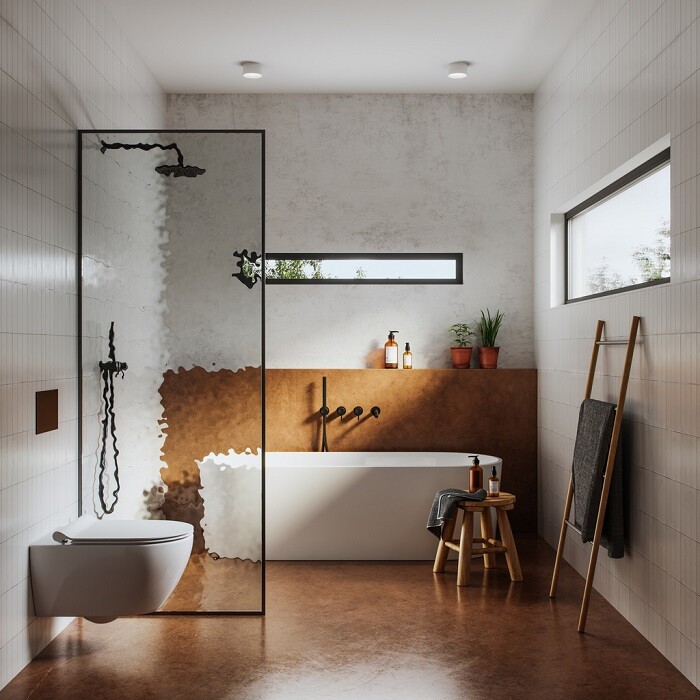
Bathtubs and showers add different aesthetics to your bathroom. While both can provide a classic or modern feel, a shower is more ideal for quick and convenient bathing whereas a bathtub is meant to provide a more relaxed bathing experience.
Bathtubs are available in drop-in, soaking and freestanding variants which can drastically alter the look and feel of the bathroom. A shower, on the other hand, is more limited in design, providing owners with less aesthetic options.
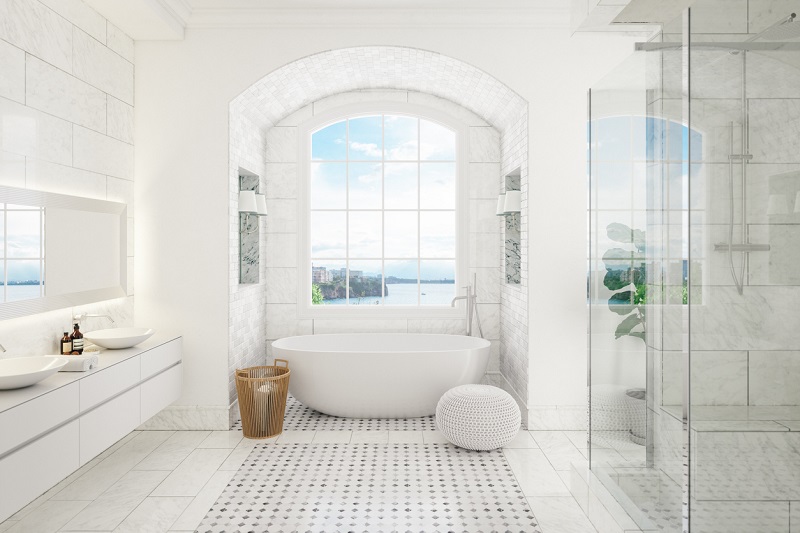
Bathtubs and showers require different amounts of space to accommodate. A shower is typically smaller, able to fit just about any sized bathroom. The dimensions of a shower accommodate a person’s vertical height and require less horizontal space, with a small shower measuring anywhere between 24-32 square feet.
A bathtub, on the other hand, will require either an ingress that meets 2-3 joining walls or a large enough space to accommodate a freestanding bathtub. Standard bathtub dimensions are generally anywhere between 50-72 inches long, with a width of 24-32 inches, which will require a fair bit of space to accommodate.
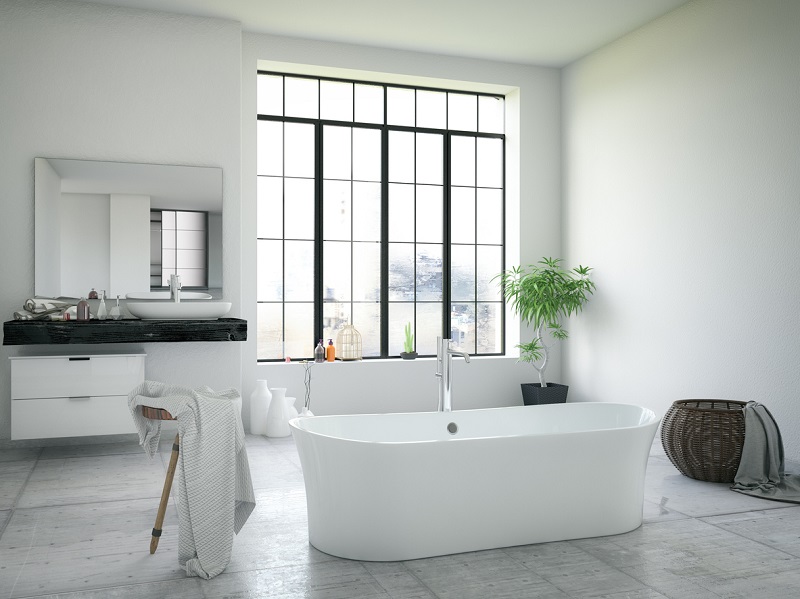
A drop-in bathtub and a typical shower are fairly similar in terms of installation. They both will require cleaning out the requisite area before they can be installed. A shower is much easier to install however, as there are no heavy parts to transport.
Many of the aspects of the shower can be broken up into smaller pieces and installed on sight. A bathtub will require additional assistance as they can weigh upwards of 300 pounds.
A drop-in tub needs to be installed in an ingress then reinforced with caulking and sealant. A freestanding tub however, can simply be placed wherever you desire.
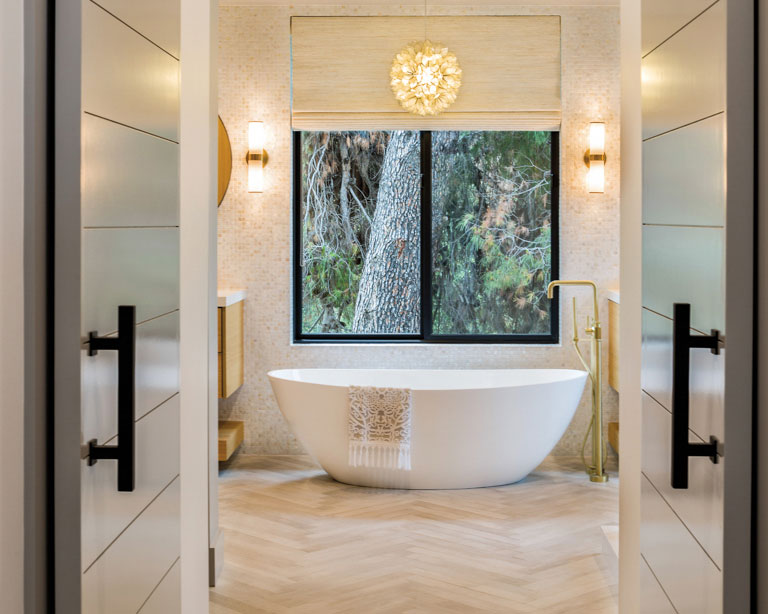
Plumbing for both a shower and a bathtub are very similar, both requiring a connection to the main line. The plumbing needs to be sorted before installing either a shower or a bathtub to test their functionality before tile or flooring is installed over it.
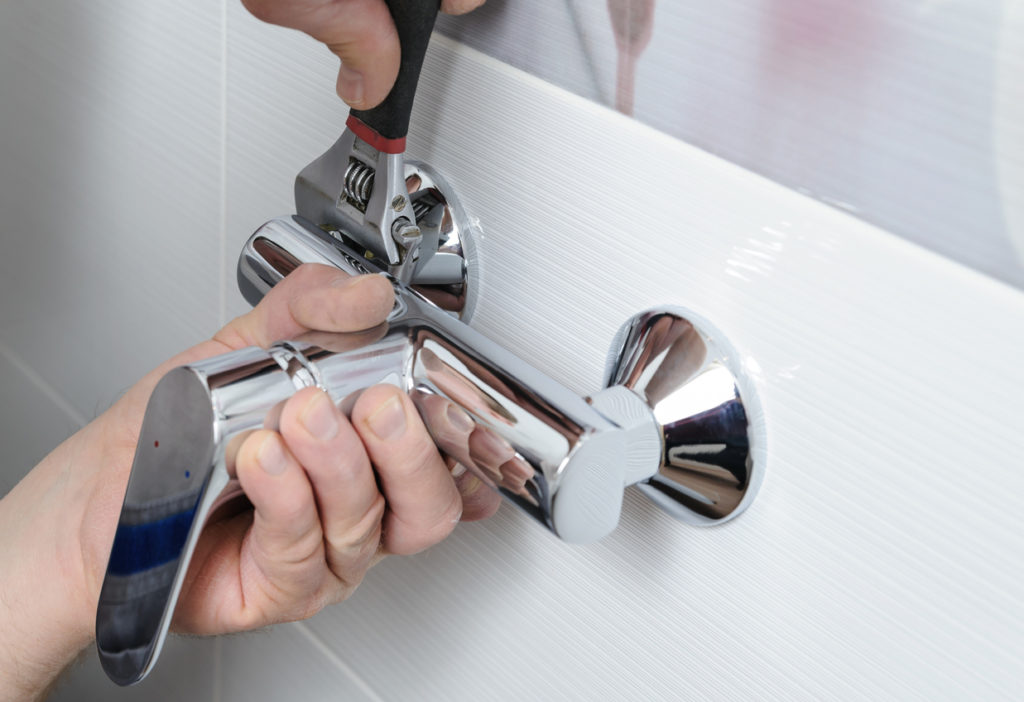
A drop-in bathtub and a shower require similar maintenance, which will require checking the integrity of the respective material. Certain materials will degrade or warp with heavy moisture and use, so it is best to check up on your shower or bathtub every couple of years to ensure that no accidents may occur.
On the other hand, a freestanding bathtub will require very little maintenance as it is a separate element and it is not bonded to your wall.
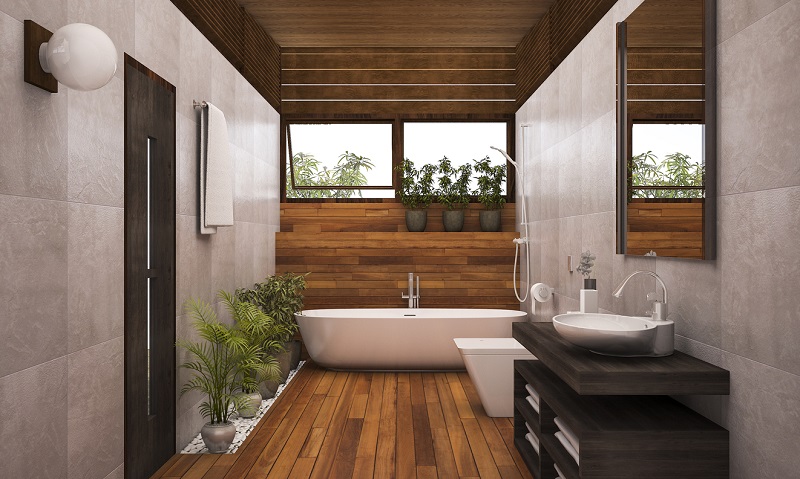
Who uses the bathroom is an important factor in determining which is more appropriate for your family. A shower is great for teenagers, young adults and adults as they can easily access the shower and it is wholly more convenient to use.
A bathtub is best for families, the elderly and young children as they often require assistance and bathtubs are a much safer option for those who may have difficulties walking on their own.

Bathrooms remain one of the most influential spaces when it comes to resale value, and the fixtures you choose can directly impact buyer appeal.
According to real estate professionals and National Association of Realtors guidance, having at least one bathtub in a home continues to support broad resale value. Many buyers, especially families with young children, still expect at least one functional tub in the home. Removing the only bathtub can limit your buyer pool in certain markets.
At the same time, market trends show growing demand for modern walk in showers, particularly in primary bathrooms. Updated, spa style showers with glass enclosures and high end finishes are highly attractive to today’s buyers and can enhance perceived luxury and convenience.
In many cases, replacing a secondary bathtub with a well designed shower does not negatively impact value.
The strongest resale strategy is balance. Homes that offer at least one bathtub for flexibility, combined with an upgraded shower for modern appeal, tend to perform best across a wide range of buyers.
In short, bathtubs still protect resale value, while modern showers can elevate it when incorporated thoughtfully.
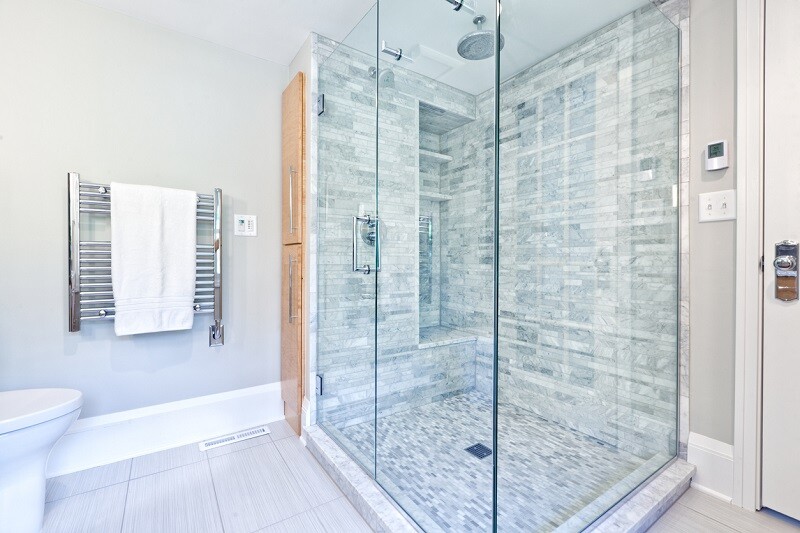
While bathtubs offer relaxation, showers provide practical benefits that make them ideal for everyday use, especially in modern homes.
While showers offer convenience, bathtubs provide comfort, versatility, and long term value that appeal to many homeowners.
Not having a bathtub does not automatically devalue your home, but it can limit your buyer pool. Many families prefer at least one tub for children, which can make homes without one less appealing in certain markets.
In family oriented neighborhoods, removing the only bathtub may slightly impact resale flexibility. However, in urban or luxury markets where walk in showers are preferred, the effect may be minimal.
Yes, a walk in shower can add value to your home, especially in modern and primary bathroom remodels. Buyers often view spacious, glass enclosed showers as a luxury feature that enhances both style and convenience.
However, resale impact depends on your market. Homes that still offer at least one bathtub tend to maintain broader appeal, particularly for families.
Before choosing between a shower or bathtub for resale value, take a step back and evaluate your specific situation.
Who is the likely buyer for your home, and what features do they expect? Families often prioritize at least one bathtub, while many modern buyers lean toward spacious walk in showers.
It is also important to understand current design trends. Popular bathroom updates in 2025 and 2026 highlight clean lines, energy efficiency, and spa inspired elements.
Consider your bathroom’s layout and size as well. Not every space can comfortably support both fixtures, and functionality should guide your decision.
Finally, review installation costs and overall return on investment. Making a choice that aligns with both market demand and your budget will help maximize your home’s appeal.
A bathtub makes a wonderful addition to any bathroom by providing a relaxing oasis while increasing the resale value of your home. So, if you are looking for a way to add value to your home, consider installing a bathtub today.
If you are ready to move beyond a standard built in option, Badeloft freestanding bathtubs deliver a striking combination of modern design, deep soaking comfort, and long lasting durability. Crafted from premium stone resin for superior heat retention and strength, these freestanding bathtubsserve as both a functional fixture and a statement piece.
Explore the Badeloft collection to find a freestanding bathtub that elevates your bathroom and enhances your home’s value.

Eric is the founder and president of Badeloft USA. He has been the president of Badeloft’s US division for over ten years and oversees all marketing and branding aspects of Badeloftusa.com.
His expertise lies in small business development, sales, and home and bathroom industry trends and information.
Contact us with any business related inquiries.
Badeloft is dedicated to helping homeowners make informed decisions about their bathrooms. We adhere to strict editorial guidelines to ensure our content is accurate, trustworthy, and useful.
Request free stone resin and stainless steel material samples. Delivered to your door.
There’s a gap between what a freestanding bathtub listing tells you and what it actually feels like to share one.
The bathtub you choose will shape how you use your primary bathroom every day for the next two decades. Not
A freestanding bathtub is the most permanent aesthetic decision in a bathroom renovation. Get the selection right and it becomes
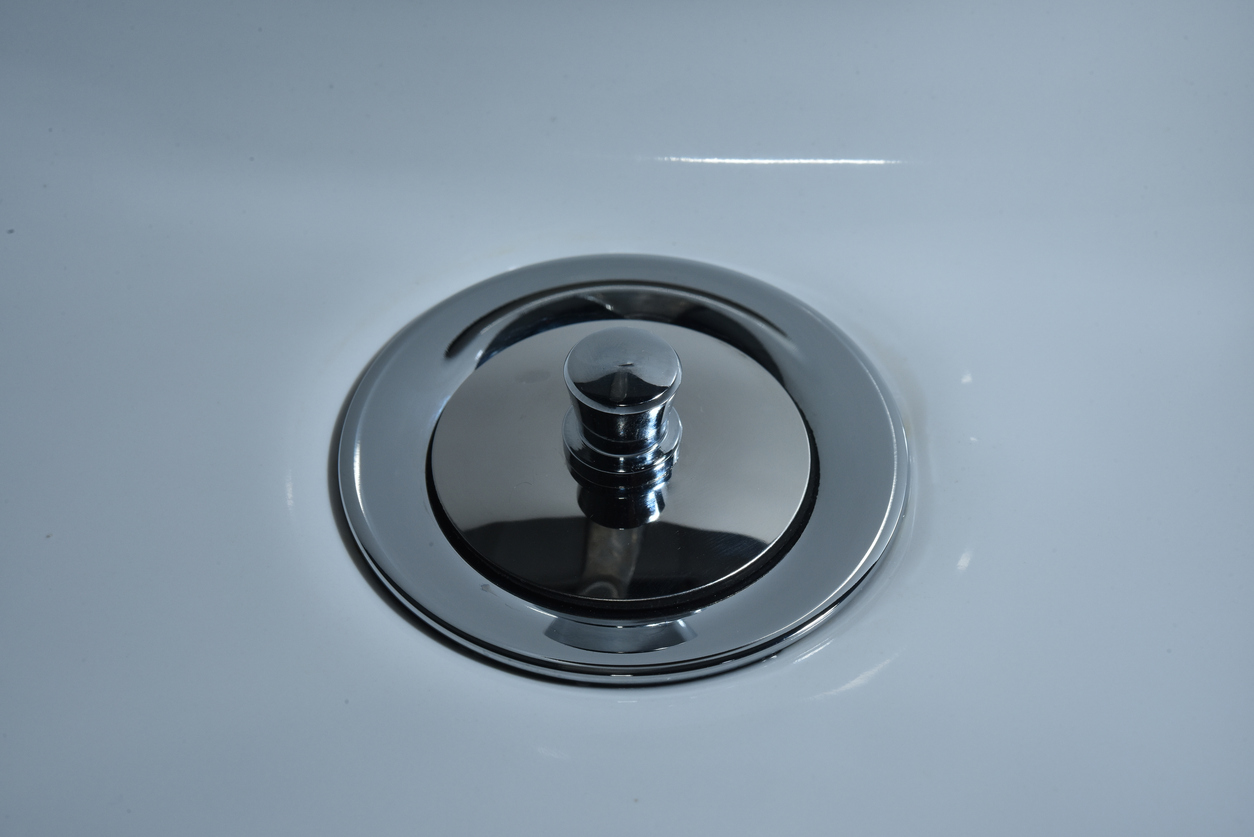
Choosing the right bathtub drain stopper is essential for creating a comfortable and functional bathing experience. With over 20 common
Request your free material sample below. By submitting, you agree to receive occasional product updates and offers from Badeloft. Unsubscribe anytime.
"*" indicates required fields