

Stone Resin vs. Acrylic Tubs: Which Material Is Right for You?
When you’re shopping for a freestanding bathtub, the material it’s made from matters just as much as the shape or
When you’re shopping for a freestanding bathtub, the material it’s made from matters just as much as the shape or size. It affects how the tub feels, how long it lasts, how well it holds heat, and of course what it costs. Stone resin and acrylic are two of the most popular options on the market right now, but they deliver very different experiences at very different price points. In this guide, we’ll break down exactly how they compare so you can choose the right material for your bathroom and your budget.
| Feature | Stone Resin | Acrylic |
|---|---|---|
| Material | Crushed natural stone + resin binder | Vacuum-formed plastic (PMMA) + fiberglass backing |
| Average Price | $1,800–$5,000+ | $500–$1,500 |
| Weight | 200–400 lbs | 60–100 lbs |
| Lifespan | 20–25+ years | 10–15 years |
| Heat Retention | Excellent (30–40 min longer) | Moderate |
| Surface Feel | Solid, stone-like, warm to touch | Smooth plastic, slightly hollow |
| Repairability | Sandable and refinishable | Limited patch repair |
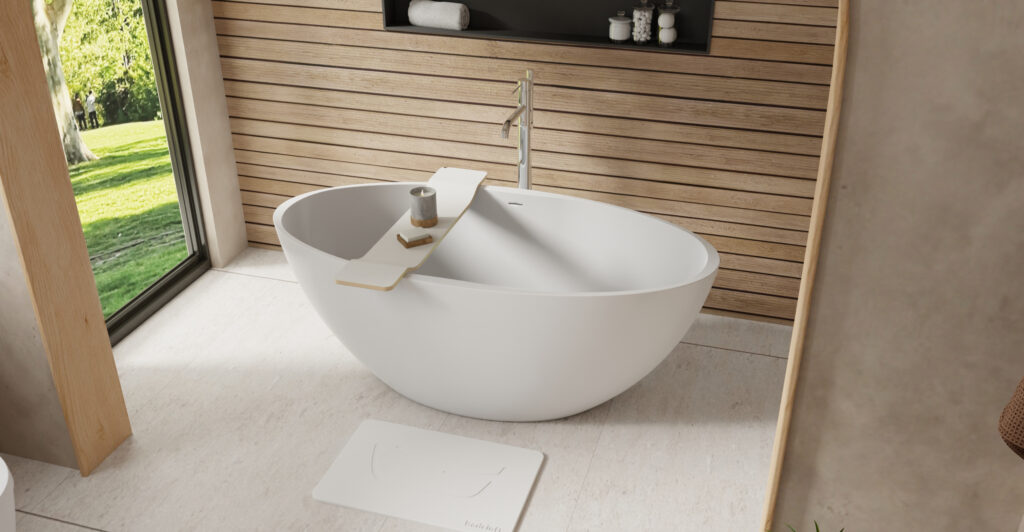
Stone resin is a composite material made by blending crushed natural stone, think marble, limestone, or quartz, with a high-performance resin binder. The mixture gets poured into a mold and cured into a single solid piece, which is why these tubs feel so dense and substantial when you touch them. The end result looks and feels remarkably close to natural stone, but without the extreme weight or maintenance that comes with a solid slab.
Acrylic is one of the most common bathtub materials on the market and for good reason. It’s made from sheets of thermoplastic (polymethyl methacrylate, or PMMA for short) that are heated, vacuum-formed into shape, and then reinforced with fiberglass on the back for added strength. The result is a lightweight, glossy tub that comes in a huge range of shapes, sizes, and colors. If you’ve browsed bathtubs at a home improvement store, chances are most of what you saw was acrylic.
Now that you know what each material is made of, let’s put them side by side where it actually counts.
Stone resin is the clear winner here. Its dense, solid composition makes it highly resistant to the kind of everyday wear that breaks down lighter materials, chips, cracks, scratches, and surface dulling. Most stone resin tubs hold up for 20 to 25 years without any noticeable decline.
Acrylic is durable enough for most households, but it’s a softer material. Scratches happen more easily, the finish can lose its shine, and stress fractures are possible in high-use settings. Expect around 10 to 15 years from a quality acrylic tub before it starts showing wear.
This is one of the biggest practical differences between the two. Stone resin has a high thermal mass, which means it absorbs and holds heat much more effectively. Your bathwater stays warm 30 to 40 minutes longer, a real difference if you enjoy longer soaks.
Acrylic warms up fast and feels comfortable from the start, but it loses heat quicker. For a 15- to 20-minute bath it’s perfectly fine, but you’ll feel the water cooling if you like to linger.
Acrylic wins on convenience. At 60 to 100 pounds, most acrylic tubs can be carried upstairs and installed by two people without any concerns about floor reinforcement.
Stone resin is a different story. At 200 to 400 pounds before water, these tubs need solid structural support, especially on second floors. Professional installation is the norm, and you’ll want to confirm your subfloor can handle the total load (tub + water + bather) before committing.
Both materials can look beautiful, but in different ways. Stone resin tends toward clean, sculptural silhouettes with a refined matte or gloss surface that reads as luxury. The design range is more curated, think modern, minimalist, spa-inspired shapes that make a statement in the room.
Acrylic gives you more variety. Because it’s easily molded, manufacturers produce it in a wider range of shapes, sizes, colors, and styles, from classic clawfoot designs to sleek contemporary profiles.
Stone resin is available in both matte and glossy finishes, but matte is where it really shines. The natural stone-like texture has a soft, velvety feel that’s hard to replicate in other materials. Glossy stone resin offers a deeper, richer sheen than acrylic, though it does show water spots more readily.
Acrylic comes standard in a high-gloss finish that looks bright and polished out of the box. The tradeoff is that gloss on acrylic tends to dull over time, especially with harsh or abrasive cleaners.
Day-to-day, both materials are easy to keep clean, a soft cloth and mild cleaner is all you really need. The differences show up over the long run.
Stone resin is non-porous, so it naturally resists stains, mold, and mineral buildup. It’s also more forgiving if you accidentally use a slightly abrasive product. Acrylic resists mold and mildew well, but its softer surface scratches more easily, stick to non-abrasive cleaners, or the finish will start to dull. For more detail, check out our guide on cleaning and maintaining a freestanding bathtub.
This is something you really have to experience in person to appreciate. Stone resin feels solid and substantial, the walls don’t move when you lean against them, and the base feels grounded and stable underfoot. The material carries a natural warmth that adds to the overall bathing experience.
Acrylic is comfortable in a different way. It’s smooth, warm to the touch right away, and has a slight give to the surface that some bathers prefer. The tradeoff is that flex and hollow feel, not a quality issue, but it does make the tub feel less substantial.
There’s no getting around it, stone resin costs more upfront. A quality freestanding stone resin tub typically runs $1,800 to $5,000+, while a comparable acrylic tub falls in the $500 to $1,500 range.
But the picture changes when you zoom out. A stone resin tub that lasts 25 years costs less per year of use than an acrylic tub you replace at the 12-year mark. Factor in the lower maintenance and stronger resale appeal, and the gap narrows or even reverses over time.
Stone resin’s biggest environmental advantage is simple: it lasts longer. A tub that stays in service for two decades or more means less manufacturing waste and fewer trips to the landfill compared to a material with a shorter replacement cycle.
Acrylic is a petroleum-based plastic, and while it’s recyclable in theory, most old acrylic tubs end up in landfills. Stone resin’s natural stone content and repairability give it an edge if sustainability factors into your decision.
A stone resin freestanding tub is a recognizable upgrade in a bathroom and buyers notice. Real estate professionals consistently point to premium bathroom fixtures as one of the features that helps a home stand out during showings.
Acrylic tubs are standard and expected. They won’t hurt your resale, but they’re unlikely to move the needle either.
For most homeowners investing in a long-term bathroom renovation, stone resin is the stronger choice. It outperforms acrylic in durability, heat retention, surface quality, repairability, and resale appeal. If you’re building or renovating a primary bathroom that you plan to enjoy for years, it’s the material that holds up, both physically and in terms of value.
That said, acrylic isn’t a bad choice, it’s just a different one. If you’re working within a tighter budget, renovating a guest bathroom, or need a lightweight tub for an upper-floor install, acrylic delivers a solid experience at a fraction of the cost.
Most plumbers will tell you both materials are straightforward to install and connect, but stone resin requires more planning upfront. The weight is the main consideration – a plumber will want to know what floor you’re working with before committing, especially in older homes or above the ground level.
From a maintenance standpoint, plumbers tend to favor stone resin for its longevity and resistance to cracking around drain fittings and overflow connections. Acrylic can flex slightly around these stress points over time, which occasionally leads to slow leaks or resealing.
When it comes to a straight recommendation, most pros lean toward stone resin for primary bathrooms with daily use and acrylic for secondary bathrooms, rentals, or situations where budget and weight are the deciding factors.
Still deciding? Here’s a simple way to think about it.
Choose stone resin if:
Choose acrylic if:
No matter which material you go with, the most important thing is choosing a tub that fits your space, your lifestyle, and how you actually use your bathroom.
Shop Badeloft’s Freestanding Stone Resin Bathtubs →
Can you repair a stone resin bathtub?
Yes. Minor scratches and scuffs can be sanded out with fine-grit sandpaper and refinished at home. Deeper damage may require a professional, but most surface wear is an easy fix. Learn more in our bathtub care guide.
Do stone resin tubs yellow over time?
High-quality stone resin tubs are UV-resistant and engineered to hold their color. Yellowing is more of a risk with lower-grade acrylic tubs, especially white ones exposed to hard water or harsh cleaning products.
How heavy is a stone resin bathtub?
Most freestanding stone resin tubs weigh between 200 and 400 pounds empty. Once you add water and a bather, the total load can reach 600 to 800+ pounds, so it’s worth confirming your floor can support that weight before installation.
How long do acrylic bathtubs last?
A quality acrylic tub typically lasts 10 to 15 years with regular use and proper care. Avoid abrasive cleaners, and the finish will hold up longer. Unlike stone resin, deep scratches in acrylic tend to be permanent.
Are stone resin tubs slippery?
Matte-finish stone resin tubs offer a naturally textured surface that provides more grip than glossy acrylic. Some manufacturers also offer optional anti-slip treatments. That said, any bathtub can be slippery when wet, a bath mat is always a good idea.
Ready to see the difference for yourself? Browse our full collection of stone resin freestanding bathtubs – or learn more about what makes stone resin special.
Badeloft is dedicated to helping homeowners make informed decisions about their bathrooms. We adhere to strict editorial guidelines to ensure our content is accurate, trustworthy, and useful.
Request free stone resin and stainless steel material samples. Delivered to your door.
When you’re shopping for a freestanding bathtub, the material it’s made from matters just as much as the shape or
When remodeling your home, you may struggle finding which bathroom size is appropriate for your home. The full sized bathroom
Today’s bathtub choices are plentiful with a host of styles, shapes, sizes, and materials to choose. The choice often comes
Does adding a bathtub to your home increase its resale value? The short answer is yes, with many US homeowners
Request your free material sample below. By submitting, you agree to receive occasional product updates and offers from Badeloft. Unsubscribe anytime.
"*" indicates required fields