
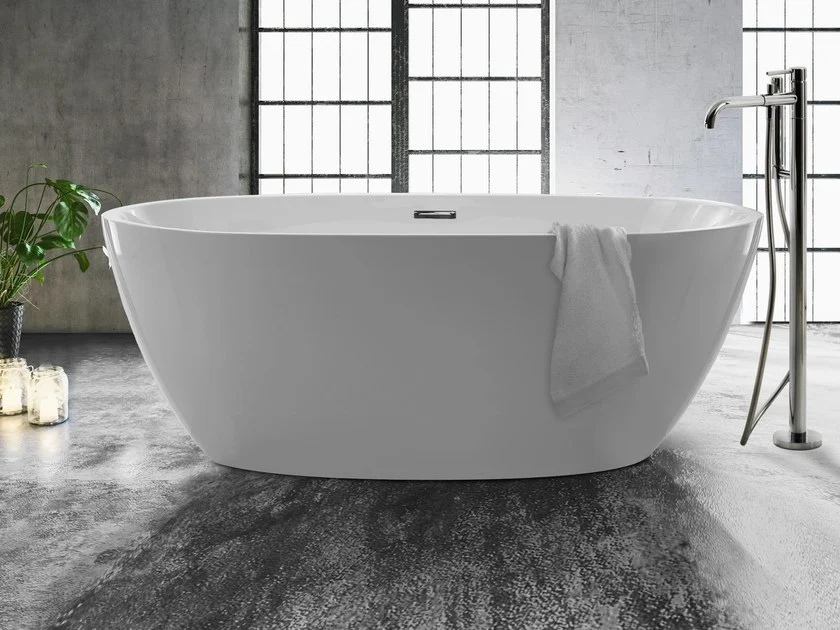
Stone Resin vs. Acrylic Tubs: Which Material Is Right for You?
When you’re shopping for a freestanding bathtub, the material matters just as much as the shape or size. It changes
A freestanding bathtub often becomes the focal point of a well-designed bathroom. Beyond its sculptural form, the material behind the tub plays a defining role in how it performs and how the space is experienced over time.
Today’s freestanding bathtubs are crafted from a variety of materials, including stone resin, copper, cast iron, acrylic, and others. Understanding how these materials differ can help homeowners and designers select a bathtub that aligns with both the design vision of the space and the rhythms of everyday use.
The comparisons below explore the most common freestanding bathtub materials and the characteristics that set them apart, offering a clearer perspective on which option best suits your bathroom. Many of these materials also appear in broader discussions of modern bathtub design and construction, including those highlighted in our overview of bathtub materials.
The material used in a freestanding bathtub influences far more than its appearance. It shapes how the tub feels during use, how long it maintains warmth, how it ages over time, and how easily it can be installed and maintained. While many tubs may appear similar at first glance, the material beneath the surface often determines the overall bathing experience.
With approximately 12.5 million bathtubs sold in the United States in 2023, the bathtub remains a defining feature in modern bathroom design. As demand continues to grow, the material behind a freestanding tub plays an increasingly important role in how the fixture performs and how it contributes to the overall space. While many tubs may appear similar at first glance, the material beneath the surface often determines the overall bathing experience.
Several factors help distinguish one bathtub material from another.
Each material brings its own balance of performance, comfort, and visual presence to the bathing experience, a consideration that increasingly aligns with broader design movements shaping modern bathrooms.
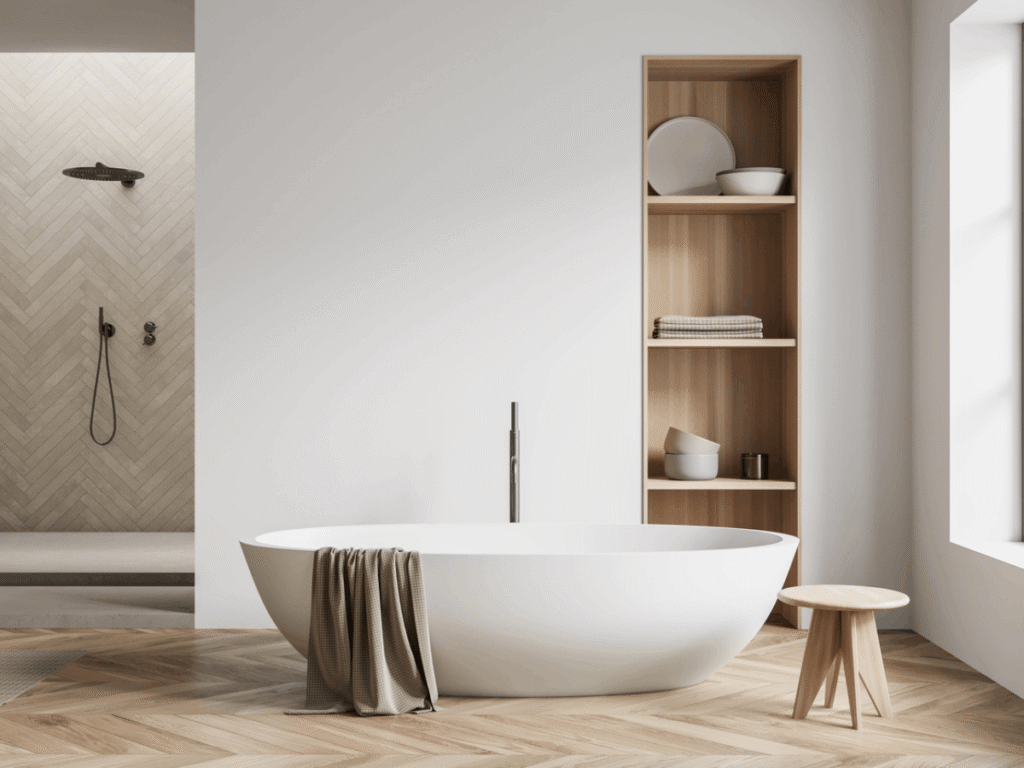
Stone resin has become one of the most widely recognized materials used in modern freestanding bathtubs. Its solid construction and smooth matte surface give the material a sculptural presence that works naturally within contemporary bathroom design.
Because of its density and refined finish, stone resin is often selected for spaces where both comfort and visual impact matter. The material allows freestanding bathtubs to function not only as bathing fixtures but also as architectural elements within the room.
Stone resin is a composite material created by blending finely ground natural stone with high-performance resin. The mixture is molded into a solid form and finished with a non-porous surface.
This process produces a material that maintains the visual character of natural stone while offering greater consistency in shape and structure.
Stone resin bathtubs offer several qualities that contribute to their growing presence in contemporary bathroom design.
Heat Retention: The dense material helps maintain water temperature longer than many lightweight bathtub materials.
Durability: The solid structure resists scratches, cracks, and discoloration that can occur with frequent use.
Non-Porous Surface: The surface resists stains and bacteria, making routine cleaning simple.
Refined Finish: Stone resin tubs typically feature smooth matte finishes that align well with modern and minimalist interiors.
Stone resin bathtubs work particularly well in bathrooms where the tub is intended to serve as a central design feature. They are often chosen by homeowners and designers seeking a balance of durability, comfort, and understated modern design.
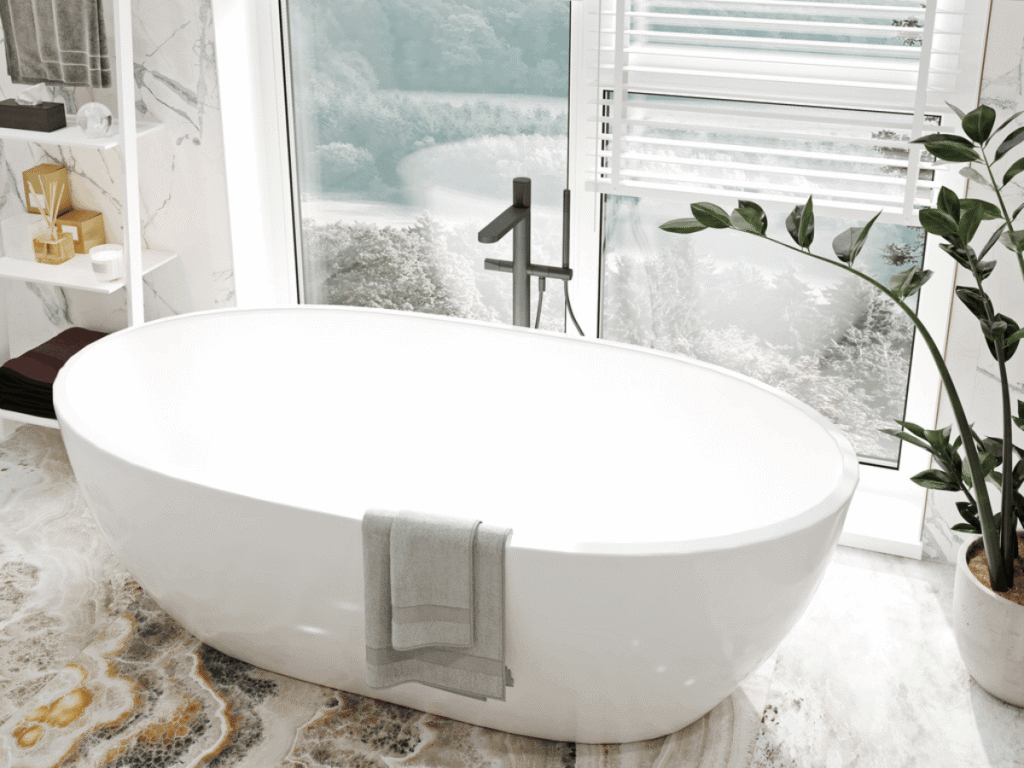
Acrylic is one of the most widely used materials in freestanding bathtub manufacturing. Known for its lightweight construction and versatility, it allows bathtubs to be produced in a wide range of shapes and sizes.
Because acrylic can be molded into complex forms, it offers flexibility in design while remaining easier to transport and install than heavier bathtub materials.
Acrylic bathtubs are made from sheets of acrylic that are heated and molded into shape, then reinforced with layers of fiberglass for additional strength.
This process creates a smooth, glossy surface while keeping the overall structure relatively lightweight compared to solid materials.
Acrylic bathtubs offer several qualities that contribute to their popularity in many residential bathrooms.
Acrylic bathtubs work well for homeowners seeking a lightweight freestanding tub that offers design flexibility and accessible pricing. They are often a practical option for bathrooms where structural weight limits or installation simplicity are key considerations.
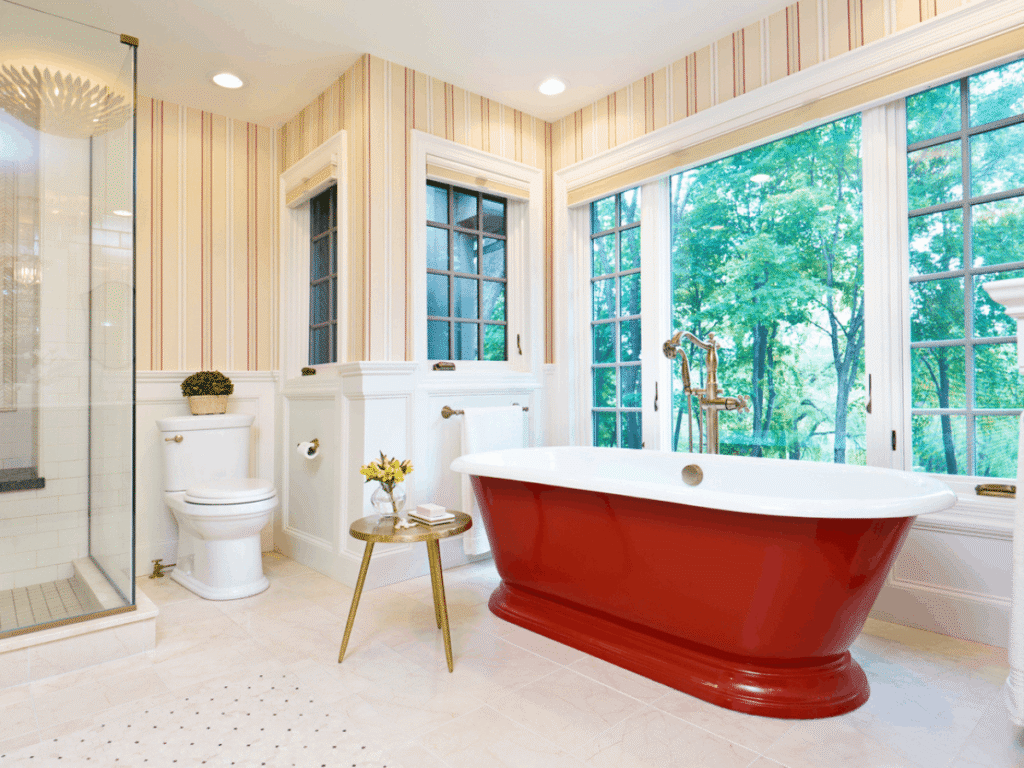
Cast iron has long been associated with traditional bathtub craftsmanship. Formed by pouring molten iron into molds and coating the surface with enamel, these tubs are known for their solid construction and classic appearance.
The material’s substantial weight and durable finish have made cast iron a lasting presence in residential bathroom design for decades.
Cast iron bathtubs are produced by shaping molten iron into a solid form and applying a thick porcelain enamel coating over the surface.
This process creates a dense bathtub structure with a glossy, protective finish that helps shield the iron beneath.
Cast iron bathtubs offer several characteristics that have contributed to their longstanding popularity.
Cast iron bathtubs are often chosen for bathrooms that emphasize traditional design or historic character. They work well in spaces where durability and classic styling are priorities.
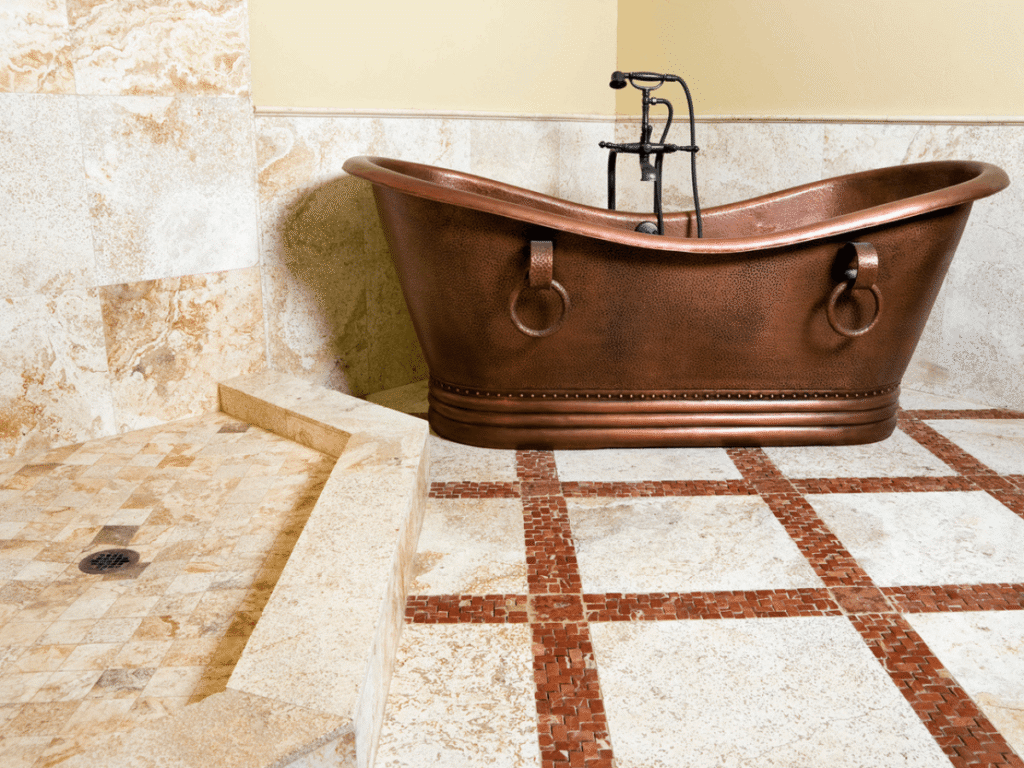
Copper bathtubs are often recognized for their distinctive appearance and handcrafted character. Formed from sheets of copper that are shaped and finished by skilled metalworkers, these tubs bring a sense of warmth and individuality to bathroom design.
Over time, copper naturally develops a patina that gradually deepens in tone, giving each bathtub a unique surface that evolves with use.
Copper bathtubs are typically crafted by shaping and hammering sheets of copper into the desired form, then finishing the surface with protective treatments.
The material’s natural properties allow it to develop a living finish, meaning the surface gradually changes color and texture as it ages.
Copper bathtubs offer several qualities that make them a distinctive option in bathroom design.
Copper bathtubs are often selected for bathrooms where the bathtub is intended to serve as a striking design element. They pair particularly well with rustic, traditional, or globally inspired interiors.
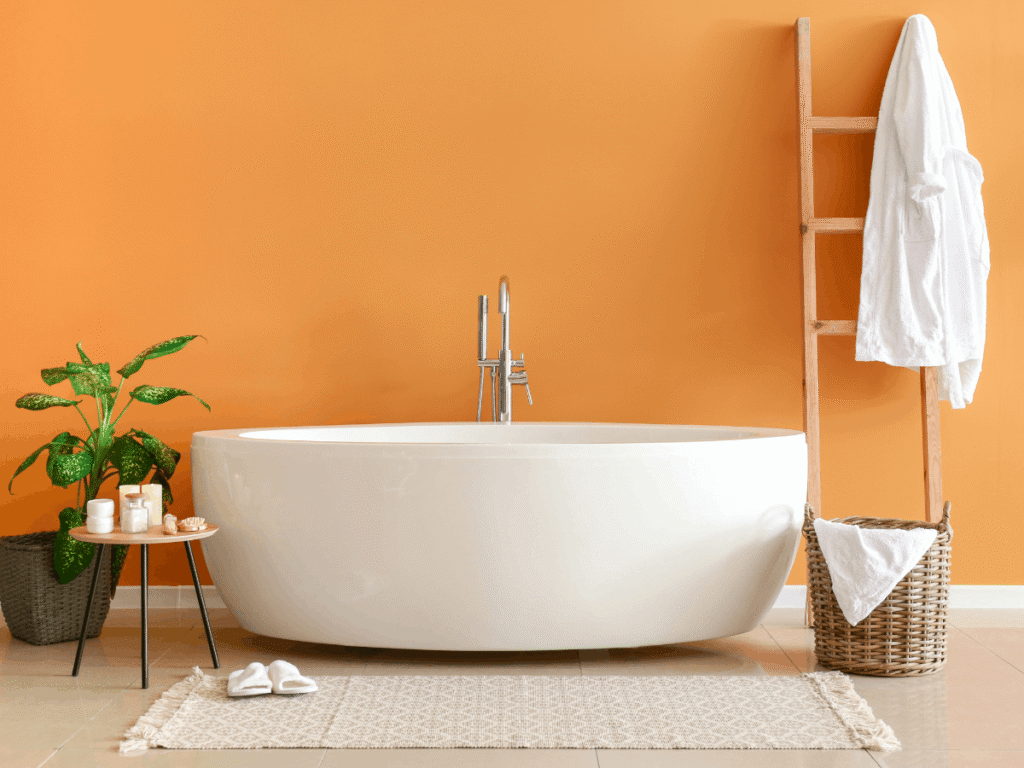
Fiberglass bathtubs are commonly used in residential bathrooms due to their lightweight construction and accessible price point. The material is formed by reinforcing plastic resin with layers of fiberglass, creating a structure that is easy to manufacture and install.
Because fiberglass tubs are lighter than most solid materials, they are often used in situations where installation flexibility and cost efficiency are important considerations.
Fiberglass bathtubs are made by combining polyester resin with fiberglass fibers to create a reinforced shell. The surface is then coated with a gel finish that gives the tub its smooth appearance.
This layered construction keeps the tub lightweight while allowing it to be molded into a variety of shapes.
Fiberglass bathtubs offer several practical qualities that contribute to their continued use in residential construction.
Fiberglass bathtubs are often chosen for bathrooms where affordability and ease of installation are primary priorities. They can be a practical option for secondary bathrooms, rental properties, or budget-conscious renovations.
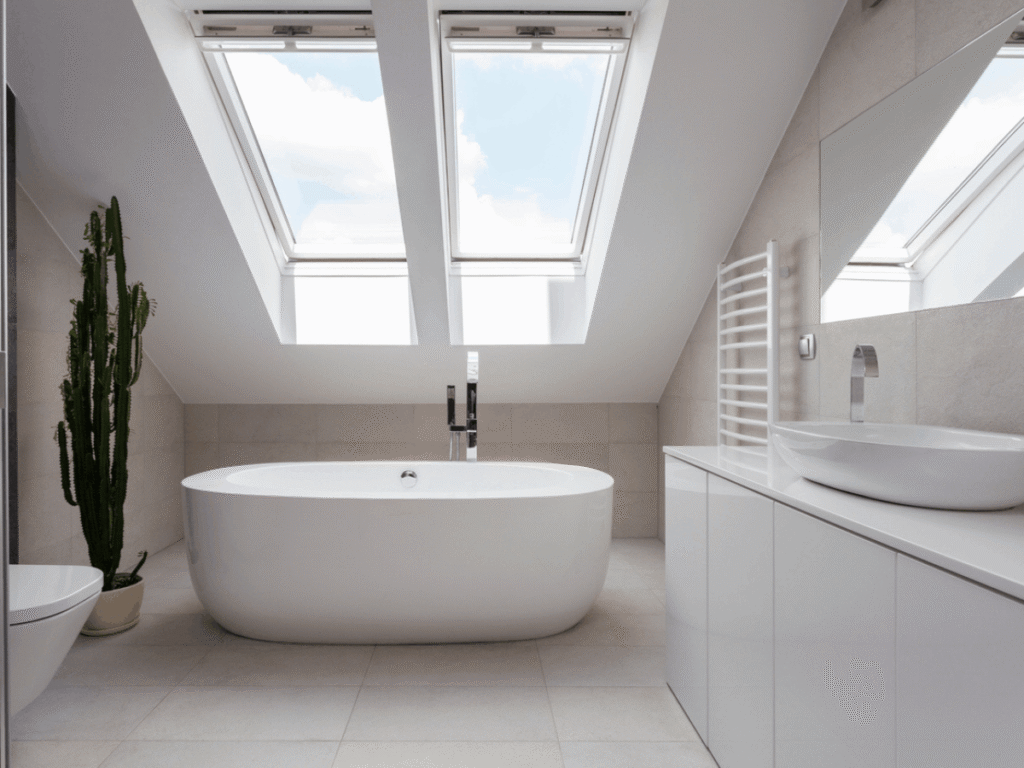
Porcelain bathtubs have long been used in residential bathrooms for their clean appearance and traditional finish. Most porcelain tubs are made by coating a steel base with a layer of porcelain enamel, creating a glossy surface that is both durable and easy to maintain.
This construction allows porcelain bathtubs to offer the familiar look of classic bathroom fixtures while remaining lighter than solid cast iron alternatives.
Porcelain bathtubs are typically produced by applying a porcelain enamel coating over a formed steel base. The enamel layer is then fired at high temperatures, creating a hard, glossy surface that bonds to the metal beneath.
This process produces a smooth finish that resists stains and maintains its appearance over time.
Porcelain bathtubs offer several qualities that have made them a long-standing option in residential bathroom design.
Porcelain bathtubs are often selected for bathrooms that prioritize a classic aesthetic and straightforward maintenance. They can be a practical option for homeowners who prefer a traditional tub appearance with moderate weight and cost.
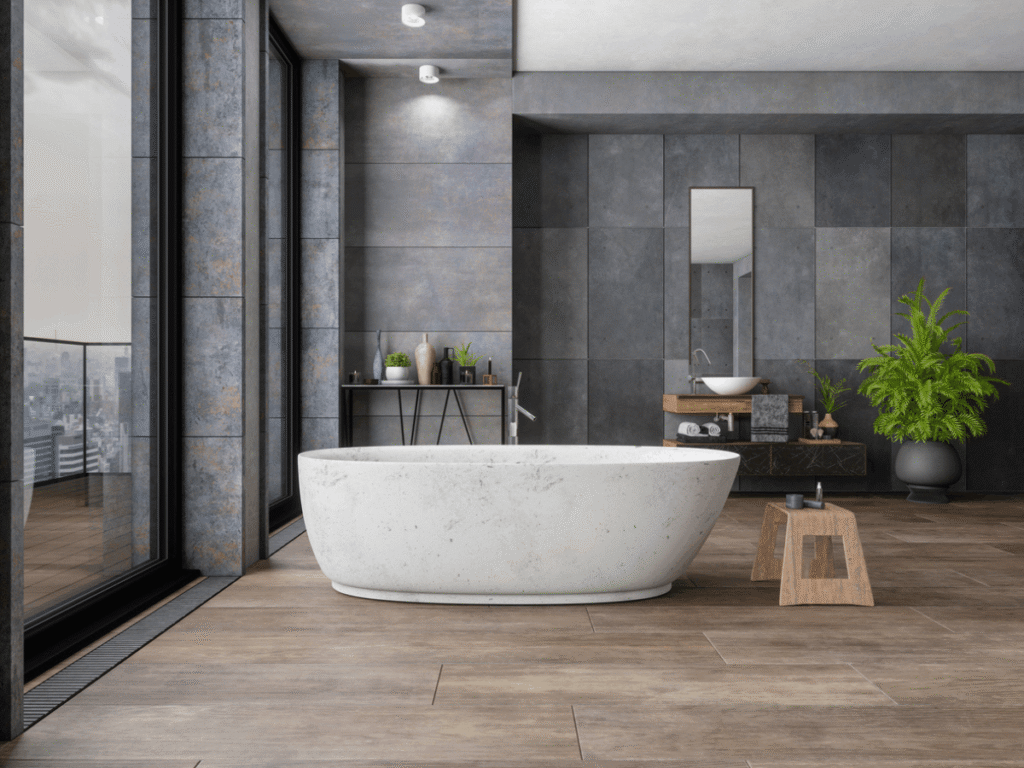
Natural stone bathtubs are often regarded as some of the most distinctive fixtures in luxury bathroom design. Carved from solid blocks of materials such as marble, granite, or limestone, these tubs highlight the natural character and weight of the stone itself.
Because each piece of stone carries its own pattern and variation, no two natural stone bathtubs are exactly alike, giving them a strong presence within the space.
Natural stone bathtubs are typically carved or milled from a single block of stone. The shaping process reveals the natural texture, veining, and color variations inherent to the material.
This method preserves the organic qualities of the stone while creating a functional bathing fixture.
Natural stone bathtubs offer several qualities that make them a striking choice in high-end bathroom design.
Natural stone bathtubs are extremely heavy and may require significant structural support depending on the building construction.
They also tend to fall within the highest price range among bathtub materials due to both the raw material and the craftsmanship required to shape it.
Natural stone bathtubs are often selected for bathrooms where the bathtub is intended to serve as a centerpiece of the space. They are particularly suited to high-end interiors that emphasize natural materials and sculptural design.
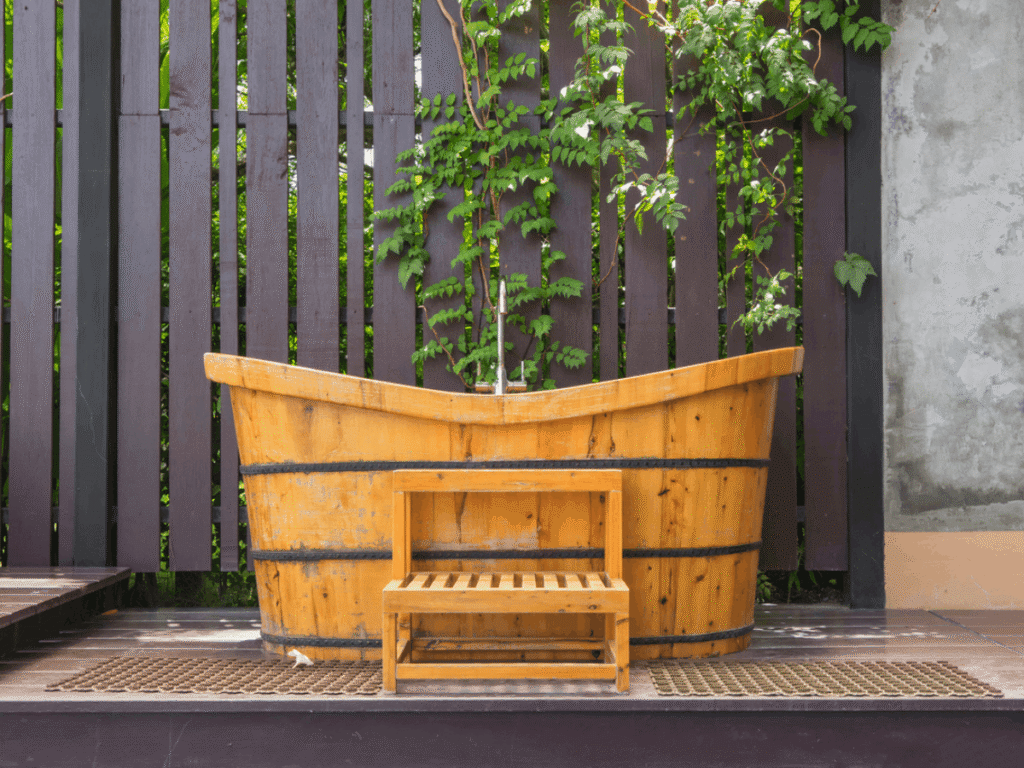
Wood bathtubs bring a distinct sense of craftsmanship and natural warmth to bathroom design. Often associated with traditional soaking tubs found in Japanese bathing culture, these tubs are crafted from carefully selected hardwoods and shaped into smooth, sculptural forms.
The material introduces an organic element to the space, allowing the bathtub to feel both functional and deeply connected to natural design.
Wood bathtubs are typically constructed from hardwoods such as teak, cedar, or hinoki. Individual wooden staves are carefully fitted together and sealed to create a watertight structure.
This construction highlights the natural grain and texture of the wood while allowing the bathtub to maintain its structural integrity during use.
Wood bathtubs offer several qualities that make them a distinctive choice in certain bathroom designs.
Wood bathtubs are often chosen for spa-inspired bathrooms or interiors that emphasize natural materials. They work particularly well in spaces designed for relaxation and ritual bathing experiences.
With freestanding bathtubs representing roughly 42% of global bathtub sales in 2023, their presence in modern bathroom design continues to grow. While each bathtub material offers its own advantages, comparing them side by side can help clarify how they differ in durability, heat retention, maintenance, and overall cost. The chart below provides a general overview of how common freestanding bathtub materials compare across several key factors.
| Material | Durability | Heat Retention | Weight | Maintenance | Price |
| Stone Resin | High | High | Medium–Heavy | Low | Mid–High |
| Acrylic | Moderate | Moderate | Lightweight | Low | Low–Mid |
| Cast Iron | Very High | Very High | Very Heavy | Low | High |
| Copper | High | High | Heavy | Moderate | Very High |
| Fiberglass | Moderate | Low–Moderate | Lightweight | Moderate | Low |
| Porcelain (Steel) | High | Moderate | Medium | Low | Mid |
| Natural Stone | Very High | Very High | Extremely Heavy | Moderate | Very High |
| Wood | Moderate | Moderate | Medium | High | High |
With 76% of homeowners citing bathroom remodeling and fixture upgrades as a key motivation for improving their homes, material choices have become an important part of the design process. Because every bathroom layout and design preference is different, the right bathtub material often depends on how durability, installation requirements, maintenance, and aesthetics align with the goals of the space.
The material of a freestanding bathtub shapes far more than its appearance. It influences how the tub retains heat, how it performs over time, and how it contributes to the overall atmosphere of the bathroom.
Ultimately, the material behind the bathtub helps determine how the fixture feels within the space, supporting a bathroom that is both functional and visually intentional.
Today’s bathtub choices are plentiful with a host of styles, shapes, sizes, and materials to choose. The choice often comes with confusion. Which bathtub material is better? Which is more affordable? Why is one material type more expensive than another?
Use the freestanding bathtub material comparisons below to get a better understanding of the different types of tubs on the market today.
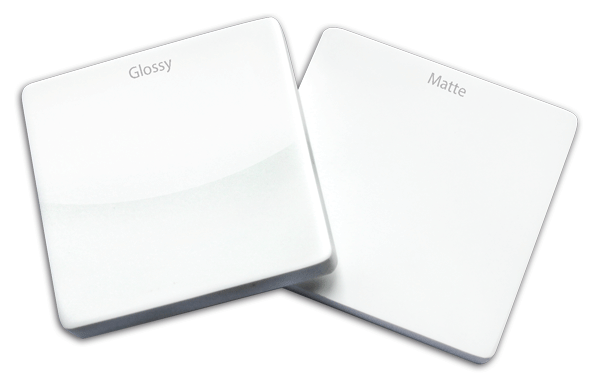
To feel the quality of stone resin, simply request a free material sample from Badeloft (shown below).

Eric is the founder and president of Badeloft USA. He has been the president of Badeloft’s US division for over ten years and oversees all marketing and branding aspects of Badeloftusa.com.
His expertise lies in small business development, sales, and home and bathroom industry trends and information.
Contact us with any business related inquiries.
Badeloft is dedicated to helping homeowners make informed decisions about their bathrooms. We adhere to strict editorial guidelines to ensure our content is accurate, trustworthy, and useful.
Request free stone resin and stainless steel material samples. Delivered to your door.
When you’re shopping for a freestanding bathtub, the material matters just as much as the shape or size. It changes
A well-designed bathroom begins long before fixtures are selected or materials are introduced. It starts with understanding the space itself.
A freestanding bathtub often becomes the focal point of a well-designed bathroom. Beyond its sculptural form, the material behind the
Does adding a bathtub to your home increase its resale value? The short answer is yes, with many US homeowners
Request your free material sample below. By submitting, you agree to receive occasional product updates and offers from Badeloft. Unsubscribe anytime.
"*" indicates required fields
1 thought on “Freestanding Bathtub Material Comparisons: Choosing the Right Tub Material”
how to repair cracks on my bath tub and what the best materiial to use