
Why Homeowners Are Rethinking the Traditional Tub-Shower Setup in 2026
The modern residential landscape is currently undergoing a profound architectural and psychological shift, moving away from the utilitarian “all-in-one” bathroom
A freestanding bathtub is one of the few fixtures that can genuinely change how a bathroom looks and how it feels to use. But buying one involves a few key decisions regarding the material, size, plumbing layout, floor support, faucet type, and where to actually purchase it.
This guide walks through every decision you need to make before buying a freestanding tub. By the end, you’ll know which material suits your priorities, how to measure your space correctly, what to ask your plumber, and where to shop with confidence. Whether you’re a homeowner deep in a remodel or a designer building out a client spec, this is the checklist.
Here are the questions to answer before you commit:
If you can check every box, you’re ready to buy. If not, keep reading.
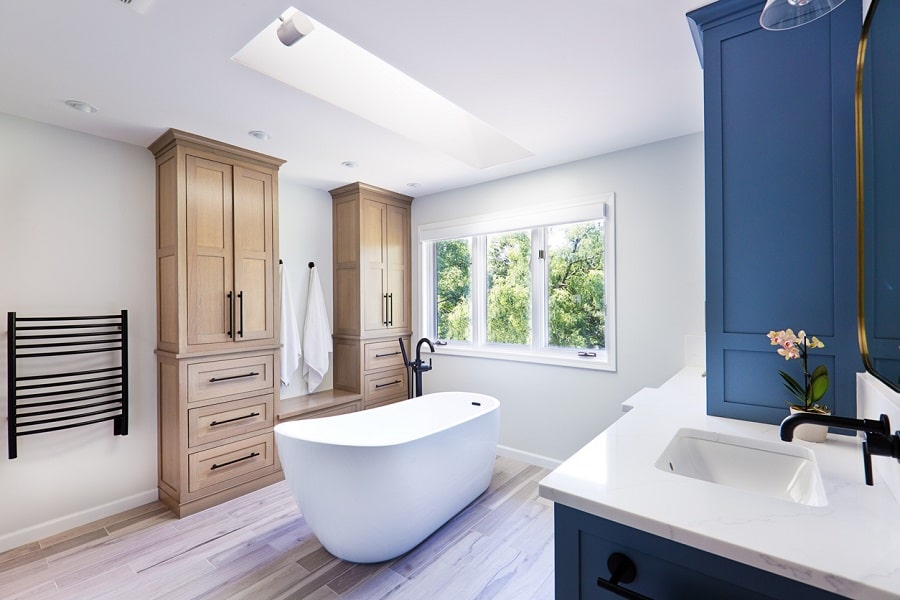
There’s no single best place to purchase a freestanding bathtub — it depends on your priorities. Here’s a breakdown of the main shopping categories, along with who each one works best for.
Large home improvement chains carry a wide range of freestanding tubs from various manufacturers. The main advantage is the ability to see and touch display models in person. Return policies tend to be generous, and pricing is competitive on mid-range options. The downside: customization is limited, staff may not specialize in bath fixtures, and the selection skews toward mass-produced acrylic models.
Best for: Shoppers who want to compare styles in person and prefer a straightforward return process.
Large e-commerce platforms offer enormous catalogs with aggressive pricing. You’ll find everything from budget acrylic tubs to higher-end options. Quality varies widely, though — photos can be misleading, and some sellers offer limited or complicated return policies on heavy freight items like bathtubs. Always verify the seller’s reputation and inspect the tub carefully on delivery.
Best for: Price-conscious buyers comfortable researching products online and willing to accept some risk on quality consistency.
Brands that specialize in a specific material or style tend to offer higher build quality, more knowledgeable customer support, and a more curated selection. Many provide material samples so you can feel the surface before committing. The trade-off is a smaller product range and, in some cases, longer lead times for custom orders. Badeloft falls in this category — specializing in stone resin freestanding tubs with individual quality inspection on every unit.
Best for: Homeowners and designers who prioritize material quality and want hands-on support throughout the process.
Plumbing supply showrooms and kitchen-and-bath dealers let you see and touch high-end fixtures from multiple brands. Sales staff are usually well-trained and can help with specification details. Pricing may be slightly higher than online, but the hands-on experience and expert guidance can prevent costly mistakes.
Best for: Buyers who value in-person guidance and want to compare premium brands side by side.
If you need a non-standard size, a specific finish, or a fully bespoke design, custom fabricators will build exactly what you specify. Expect longer lead times (often 8–16 weeks), higher costs, and limited or no return policies. This route makes sense when off-the-shelf options truly don’t fit your project.
Best for: Architects, designers, and homeowners with unique spatial constraints or highly specific design requirements.
Custom locations provide bathtubs usually in limited materials, but their quality is significantly higher than mass-produced bathtubs. Many of these companies specialize in a specific bathtub style, and they will work with you to ensure they design and produce a bathtub that you want.
This is the step most people rush through, and it causes the most regret. Accurate measurements protect you from ordering a tub that won’t fit through the door, crowds the room, or overwhelms the space visually.
Start by mapping the floor area where the tub will sit. Measure wall to wall in both directions, then subtract clearance. Industry professionals typically recommend a minimum of 4–6 inches of open space between the tub and any wall or fixture, and at least 36 inches of walkway clearance on the access side. These aren’t hard rules — local building codes vary — but they’re a sound starting point.
A detail that’s easy to overlook: can the tub physically get into the room? Measure every doorway, hallway turn, and stairwell between the delivery point and the bathroom. Most freestanding tubs are between 55 and 72 inches long. Compare that against the narrowest point in your delivery path. If it’s tight, ask the manufacturer for the tub’s packaged dimensions — crating adds inches.
Tub dimensions matter for comfort, not just floor space. A general guideline from bathroom designers: a tub’s interior length should allow you to recline without your knees pressing against the far wall. For most adults, that means an interior length of at least 55 inches. Width matters too — interior widths under 22 inches can feel cramped for average-sized adults. If two people plan to share the tub, consider a double-ended design with an interior width of 27 inches or more.
Material affects how a tub feels, how long it holds heat, how much it weighs, and how it ages over the years. Here’s an honest comparison of the most common options.
A blend of crusite minerals and high-performance resin, stone resin tubs have a dense, solid feel that’s noticeably different from hollow alternatives. They retain heat well, resist scratches and stains, and maintain a smooth, matte or gloss finish for years with minimal upkeep. Weight is moderate — heavier than acrylic, lighter than cast iron. Stone resin sits at a premium price point, but many designers consider it the strongest value for a fixture you’ll use daily for decades.
“Stone resin has become the go-to recommendation among bath designers because it delivers a high-end tactile experience without the structural demands of cast iron,” says Eric Jensen, founder of Badeloft. “Clients are often surprised by how warm and substantial it feels — it’s one of those materials you really need to touch to appreciate.”
Acrylic is the most widely available freestanding tub material. It’s lightweight, affordable, and comes in a huge range of shapes and sizes. Heat retention is fair — not as warm as stone resin or cast iron, but adequate for most bathers. The surface is prone to fine scratches over time and can feel somewhat hollow or thin compared to solid materials. That said, modern vacuum-formed acrylic with fiberglass backing is a significant step up from entry-level options of a decade ago.
Cast iron tubs are extremely durable and hold heat exceptionally well. They’re the classic choice, especially for clawfoot and vintage-style designs. The major drawback is weight — a standard cast iron freestanding tub can weigh 250–400+ pounds empty. Add water and a bather, and you’re looking at significant structural load. Floor reinforcement is often required, and installation is a multi-person job. Pricing ranges from mid to high depending on the manufacturer and finish.
Solid surface materials (like Corian and similar engineered composites) offer seamless, modern aesthetics and decent heat retention. They can be shaped into clean geometric forms that appeal to minimalist design sensibilities. Maintenance is generally low, though some composites can be sensitive to harsh chemical cleaners. Pricing varies widely depending on brand and composition.
A freestanding tub isn’t plug-and-play. The plumbing and structural prep can be straightforward or complex depending on your existing bathroom setup.
Before selecting a tub, confirm where your drain line exits the floor (or wall). The tub’s drain hole needs to align with that rough-in — or the rough-in needs to be moved, which adds cost. Some tubs have center drains; others are offset toward one end. Know your rough-in location before you browse.
Most freestanding tubs include a built-in overflow, but placement varies. Some use a traditional front-facing overflow; others integrate it into the drain mechanism itself. Confirm what’s included and whether it meets your local plumbing code requirements.
Freestanding tubs are typically paired with one of three faucet styles: floor-mounted (a standalone filler that rises from the floor beside the tub), wall-mounted (plumbed through the wall), or deck-mounted (attached to the tub rim, where available). Each requires different rough-in work. Floor-mounted fillers are the most popular choice for freestanding tubs, but they need supply lines stubbed through the floor — plan this early with your plumber. For more details, see our guide to choosing a freestanding bathtub faucet.
Every freestanding tub — regardless of material — is heavy when filled. A standard 60-inch tub filled with water and occupied by a bather can easily exceed 500 pounds in total. Most modern homes with standard joist construction can handle this, but it’s worth confirming with a contractor, especially for upper-floor installations, cast iron tubs, or older homes. This isn’t a DIY assessment — get a professional opinion.
For a step-by-step overview, our freestanding bathtub installation guide walks through the full process.
A tub can look stunning and still be uncomfortable to soak in. Comfort depends on a few specific design factors that are worth evaluating before you buy.
Freestanding tubs are generally deeper than standard alcove tubs. Look for a soaking depth (measured from the floor of the tub interior to the overflow) of at least 14–15 inches if you want water at or above shoulder level when reclined. True soaking tubs go deeper — 16 inches or more.
The angle of the tub’s back wall makes a significant difference over a 20- to 30-minute soak. A gently sloped back lets you recline without straining your neck or lower back. Flat-backed tubs look clean and modern but can be less comfortable for long soaks unless you add a bath pillow.
Explore the full range of freestanding bathtub shapes to see which profile fits your bathing style.
The sticker price of the tub itself is only part of the equation. Here’s what makes up the real total cost of a freestanding bathtub project:
Pro tip: When comparing tubs, add up the installed cost — tub + faucet + drain hardware + labor — rather than just the tub price. A slightly more expensive tub that includes the drain and overflow can end up costing less overall than a cheaper tub that needs everything sourced separately.
One of the genuine advantages of a freestanding tub is accessibility — you can clean every surface, including the exterior and the underside near the floor. Here are practical care tips that apply across most materials:
For a deeper walkthrough, see our full bathtub cleaning guide.
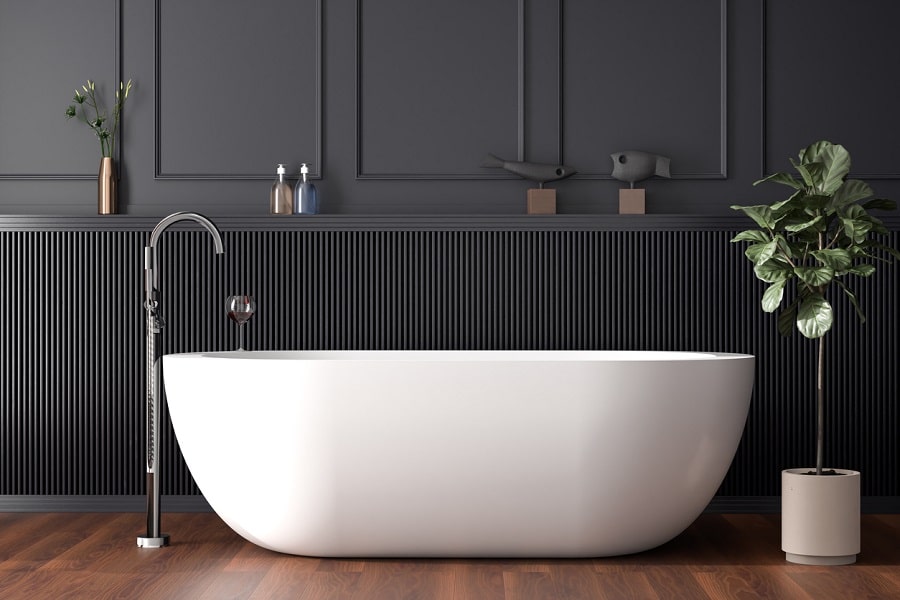
Here are the most common questions around buying a freestanding bathtub
Yes, their increased depth makes them ideal for soaking compared to more traditional bathtub designs. If you want even more depth, a soaking bathtub is designed specifically to allow full immersion.
Yes, freestanding bathtubs are easy to clean and maintain typically because they are constructed from high-quality materials. The better the material, the less maintenance and cleaning it will need. Additionally, all elements of the tub is exposed, allowing you to clean the entire bathtub. Other bathtubs are dropped into ingresses and are sealed, preventing you from cleaning the entirety of them.
Some adjustments will need to be made to accommodate the drain in addition to configuring the overflow. If you have a floor or wall-mounted faucet, you will need special plumbing to accommodate these accessories.
Yes, so long as your bathtub has access to your plumbing/drain and you have sufficient space to maneuver, you can place your bathtub anywhere you wish.
The best approach is to narrow your list to two or three serious options and compare them on the factors that matter most to you: material quality, comfort profile, size fit, and total installed cost. Handle samples if they’re available — material is one of those things you really can’t evaluate from a photo alone.
If stone resin is on your radar, it’s worth exploring as a premium option that balances aesthetics, durability, and warmth. Badeloft specializes in stone resin freestanding tubs and offers free material samples so you can feel the surface before committing. It’s a low-pressure way to start. Browse the collection or request a sample to see if it’s the right fit for your project.

Eric is the founder and president of Badeloft USA. He has been the president of Badeloft’s US division for over ten years and oversees all marketing and branding aspects of Badeloftusa.com.
His expertise lies in small business development, sales, and home and bathroom industry trends and information.
Contact us with any business related inquiries.
Badeloft is dedicated to helping homeowners make informed decisions about their bathrooms. We adhere to strict editorial guidelines to ensure our content is accurate, trustworthy, and useful.
Request free stone resin and stainless steel material samples. Delivered to your door.
The modern residential landscape is currently undergoing a profound architectural and psychological shift, moving away from the utilitarian “all-in-one” bathroom
Acrylic bathtubs have become one of the most widely used materials in modern bathrooms, offering a balance of affordability, comfort,
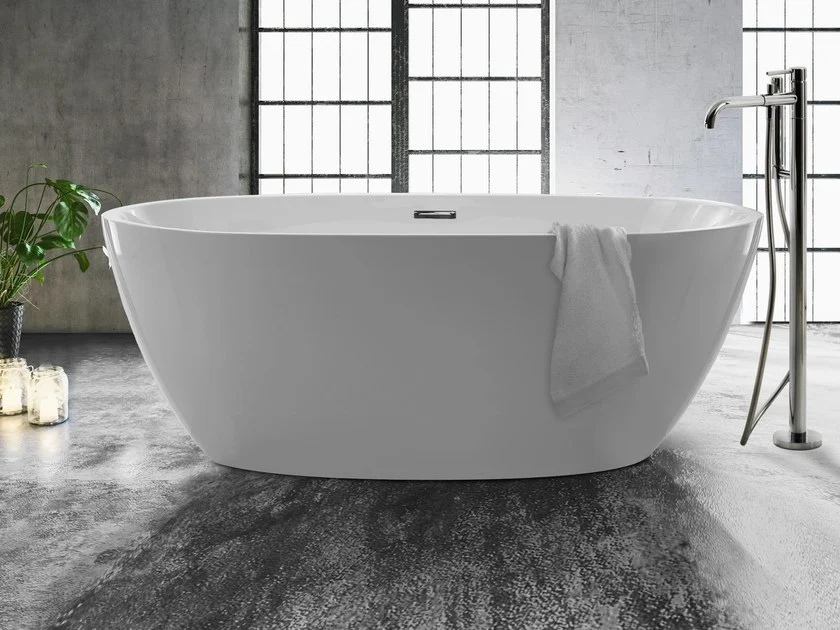
When you’re shopping for a freestanding bathtub, the material matters just as much as the shape or size. It changes
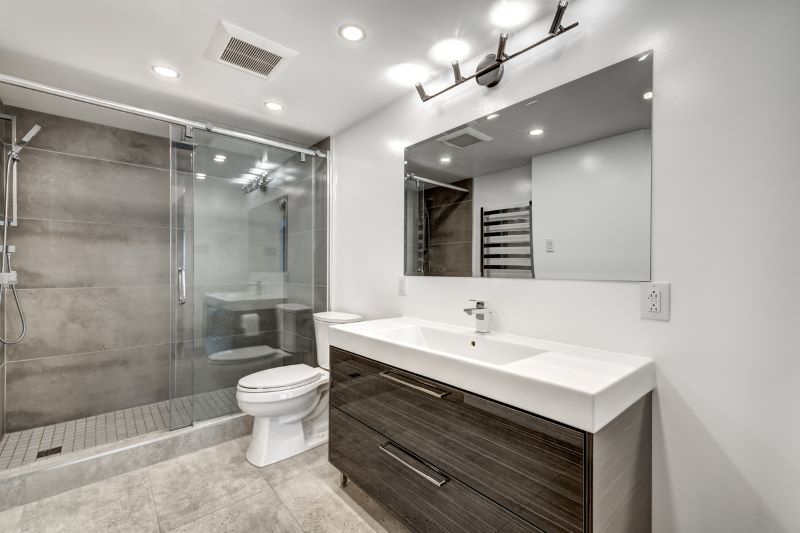
A well-designed bathroom begins long before fixtures are selected or materials are introduced. It starts with understanding the space itself.
Request your free material sample below. By submitting, you agree to receive occasional product updates and offers from Badeloft. Unsubscribe anytime.
"*" indicates required fields