
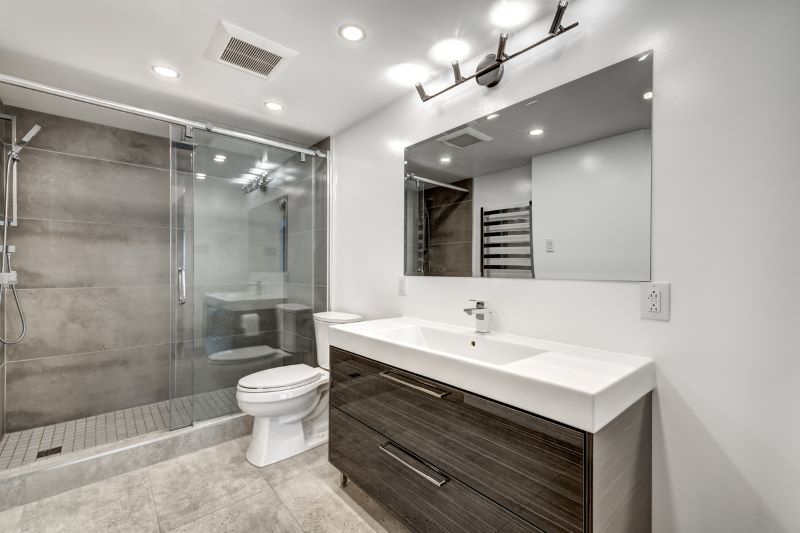
Full, 3/4s and Half Bathrooms: 2026 Dimension, Sizes and Layout Guide
When remodeling your home, you may struggle finding which bathroom size is appropriate for your home. The full sized bathroom
Bathroom remodel costs in Ohio are shaped by the state’s older housing stock, moderate labor rates, and significant variation between major metro areas and smaller cities. In 2026, bathroom remodels in Ohio generally fall at or slightly below the national average, making the state relatively affordable compared to coastal markets. However, costs can increase in older homes where plumbing, electrical systems, or layouts need modernization.
Ohio homes range from early 1900s colonials and brick capes to mid-century ranches and newer suburban developments. Each home type presents different challenges related to infrastructure, ventilation, and moisture control. Understanding how location, home age, and scope of work affect pricing allows Ohio homeowners to plan more accurately and avoid surprises once construction begins.
Because Ohio includes large metros like Columbus, Cleveland, and Cincinnati alongside smaller cities and rural areas, bathroom remodel costs vary widely across the state. The next section breaks down typical pricing by region to help you benchmark your project realistically.
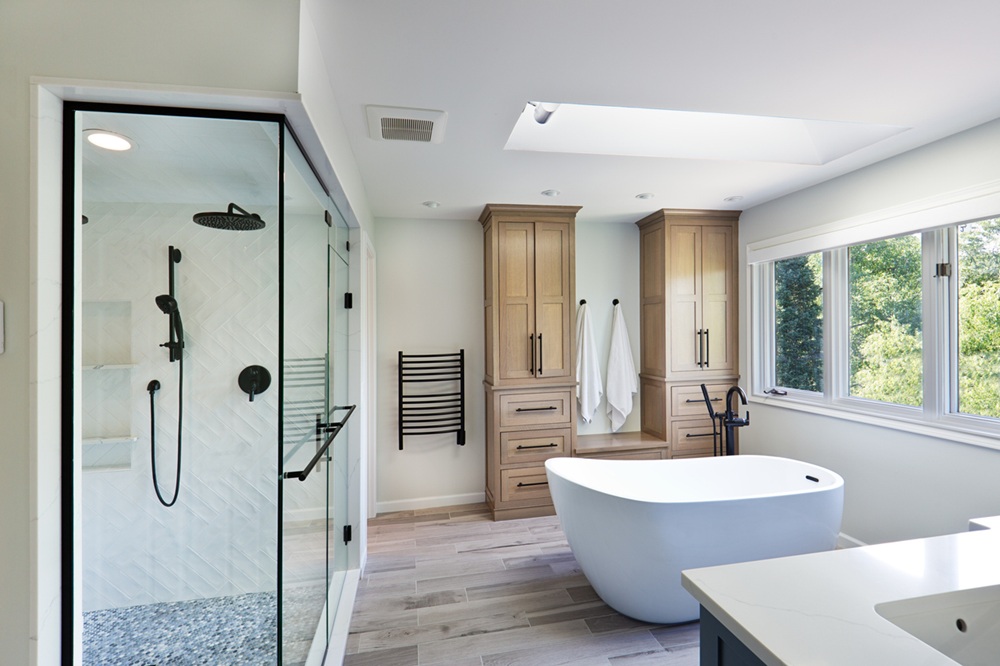
Bathroom remodel costs in Ohio differ by city due to variations in labor availability, housing age, and local permitting requirements. Larger metro areas typically have higher labor demand, while smaller cities and rural communities offer more budget-friendly pricing. Below are common 2026 cost ranges across Ohio’s major regions.
Columbus is one of Ohio’s fastest-growing cities, and increased demand for skilled contractors has pushed remodeling costs upward. Basic bathroom refreshes typically range from $8,000–$16,000, covering cosmetic upgrades such as fixtures, vanities, lighting, and flooring. Mid-range bathroom remodels—featuring new tile surrounds, upgraded plumbing fixtures, and improved storage—generally cost $18,000–$35,000.
High-end bathroom remodels in Columbus often exceed $40,000–$65,000+, particularly when layouts are reconfigured or luxury materials are used. Newer suburban homes may offer easier access for updates, while older neighborhoods can require more infrastructure work.
Cleveland’s housing stock includes many early- and mid-20th-century homes, which often require plumbing or electrical upgrades during a remodel. Entry-level bathroom updates typically range from $7,000–$14,000. Full bathroom remodels commonly fall between $15,000–$32,000, depending on the extent of behind-the-walls work required.
Luxury or primary bathroom remodels can reach $35,000–$60,000+, especially in historic neighborhoods or larger homes. While labor rates are generally lower than in Columbus, older infrastructure can increase overall project cost.
Cincinnati features a mix of historic homes, hillside properties, and suburban developments. Partial bathroom remodels typically cost $7,000–$15,000, while full bathroom renovations usually range from $16,000–$34,000. Primary bathroom remodels with upgraded finishes and layout improvements may reach $38,000–$65,000.
Older homes in Cincinnati often require ventilation upgrades and plumbing updates, particularly in bathrooms located on upper floors or within historic districts.
In cities such as Dayton, Toledo, Akron, Canton, and Youngstown, bathroom remodel costs are generally lower due to reduced labor rates and less competition for contractors. Partial remodels often start around $5,000–$10,000, while full bathroom remodels typically range from $10,000–$25,000. Larger primary bathroom renovations may reach $30,000–$50,000, depending on scope and finishes.
Homeowners in these markets often achieve higher-quality materials and finishes for the same budget compared to Ohio’s larger metros.
In rural areas and smaller towns across Ohio, bathroom remodel costs are typically the most affordable. Full bathroom remodels commonly range from $7,000–$22,000, with partial updates starting as low as $4,000–$7,000. Lower labor costs and simpler permitting processes help keep pricing down, though material availability and contractor scheduling can affect timelines.
With a clearer understanding of how bathroom remodel costs vary across Ohio by location, the next step is determining which type of remodel best aligns with your goals, budget, and the condition of your home.
Bathroom remodels in Ohio range from small cosmetic upgrades to full renovations that address aging infrastructure and outdated layouts. Choosing the right type of remodel is especially important in a state where many homes were built decades ago. The following section breaks down the most common types of bathroom remodels in Ohio and what homeowners can expect to spend in 2026.
Bathroom remodel projects in Ohio range from simple cosmetic updates to full renovations that address outdated plumbing, inefficient layouts, and aging finishes. Because many Ohio homes were built before modern building standards, selecting the right remodel type is critical for balancing cost, timeline, and long-term performance. Below are the most common bathroom remodel categories in Ohio and what homeowners can expect to spend in 2025.
Partial bathroom remodels focus on surface-level improvements without changing the layout or performing structural work. These projects typically include new vanities, faucets, lighting, mirrors, toilets, and sometimes refinishing or replacing a tub or shower insert. In Ohio, partial bathroom remodels generally cost $4,000–$15,000, depending on material selection and whether minor plumbing updates are needed. This option works well for guest bathrooms, powder rooms, or homeowners seeking a refresh without a major renovation.
A full bathroom remodel involves removing most existing fixtures and finishes while keeping the overall footprint the same. This type of renovation usually includes new flooring, tile surrounds, plumbing fixtures, lighting, and ventilation upgrades. In Ohio, full bathroom remodels typically range from $12,000–$35,000, with costs increasing when older plumbing or electrical systems require replacement. These remodels are especially common in homes built before the 1980s, where code compliance and moisture control are key considerations.
Primary bathroom remodels are larger and more complex, often designed to improve comfort, storage, and functionality. These projects frequently include double vanities, walk-in showers, freestanding tubs, and custom tilework. In Ohio, primary bathroom remodels generally start around $20,000 and can exceed $60,000, particularly in newer suburban homes or larger properties. Homeowners typically pursue these remodels as long-term investments that enhance daily living and home value.
Guest bathroom remodels tend to be smaller and more budget-friendly than primary bathroom projects. These spaces often have simpler layouts and fewer custom features, helping keep costs under control. In Ohio, guest bathroom remodels usually range from $8,000–$25,000, depending on the age of the home and whether plumbing or electrical updates are required. Choosing durable, timeless materials helps maintain appearance and functionality over time.
Once you’ve determined the type of bathroom remodel that fits your goals and budget, the next step is understanding what factors most influence pricing in Ohio homes. Variables such as home age, labor costs, material choices, and permitting requirements can all affect your final project cost.
Bathroom remodel costs in Ohio are influenced by a combination of physical home characteristics, regional labor markets, and local building regulations. Because Ohio features a wide mix of historic homes, mid-century suburbs, and newer developments, pricing can vary significantly from one project to the next. Understanding these factors allows homeowners to plan more accurately and reduce unexpected expenses during construction.
Bathroom size directly affects the amount of materials and labor required for a remodel. Larger bathrooms need more tile, flooring, fixtures, and installation time, increasing overall cost. In older Ohio homes, layouts can be tight or inefficient, making even small spaces labor-intensive to update. Keeping plumbing fixtures in their original locations is one of the most effective ways to control costs, as layout changes require additional labor and permits.
Many Ohio homes were built before modern plumbing and electrical standards were established. During a bathroom remodel, outdated pipes, wiring, or ventilation systems often need to be upgraded to meet current code. Discovering galvanized plumbing, older drain lines, or insufficient exhaust fans is common once walls are opened. While these upgrades add to the upfront cost, they improve safety, efficiency, and long-term durability.
The materials and fixtures you choose significantly influence your remodel budget. Mid-range options such as porcelain tile, acrylic tubs, and quartz countertops offer durability and good value and are widely used in Ohio. Premium materials—like natural stone, custom cabinetry, and designer fixtures—can quickly increase costs. Homeowners should balance aesthetics with maintenance needs and moisture resistance, particularly in bathrooms used daily.
Labor costs vary across Ohio depending on location and contractor demand. Larger metros like Columbus and Cincinnati generally have higher labor rates than smaller cities and rural areas. Skilled trades such as plumbing, electrical, and tile installation make up a significant portion of total remodel costs. Hiring experienced professionals often reduces the risk of delays and costly mistakes, especially in older homes.
Permit requirements vary by municipality and can impact both cost and project timeline. Many Ohio cities require permits for plumbing, electrical, and ventilation work, along with inspections at key stages. Historic districts or HOA-regulated communities may impose additional restrictions that affect scheduling and material selection. Accounting for permit fees and approval timelines early helps prevent delays and unexpected costs.
With a clear understanding of the factors that influence bathroom remodel costs in Ohio, the next step is choosing the right contractor to bring your project to life. The contractor you hire plays a major role in cost control, code compliance, and overall project success.
Choosing the right contractor is one of the most important decisions in an Ohio bathroom remodel, especially given the state’s mix of older homes, varied municipal codes, and regional labor differences. A qualified contractor helps manage permits, coordinate licensed trades, and identify potential issues before they turn into costly delays. Careful contractor selection can protect your budget, timeline, and final results.
Ohio does not issue a statewide general contractor license, but contractors must comply with local registration requirements and consumer protection laws. Plumbing, electrical, and HVAC work must be performed by licensed professionals, and licensing requirements may vary by municipality. Always request proof of general liability insurance and workers’ compensation coverage to protect yourself from liability during the remodel. Verifying credentials ensures your project complies with local codes and safety standards.
Contractors familiar with Ohio housing styles are better equipped to anticipate renovation challenges. Older homes in Cleveland and Cincinnati often have aging plumbing and tight layouts, while suburban homes around Columbus may involve newer construction with different constraints. Reviewing a contractor’s portfolio for similar projects helps confirm their experience. Familiarity with local housing stock often results in more accurate estimates and fewer surprises during demolition.
Obtaining multiple written estimates allows you to compare pricing, scope, and timelines effectively. A reliable estimate should break down labor, materials, permits, and allowances rather than offering a single total cost. Be cautious of bids that are significantly lower than others, as they may omit essential work or rely on lower-quality materials. Clear, itemized pricing is often a sign of professionalism and good project planning.
Beyond materials, installation quality is critical for long-term durability. Ask how contractors handle waterproofing, ventilation, tile installation, and subfloor preparation—especially important in Ohio’s humid summers and cold winters. Clarify who will oversee the project day to day and how subcontractors are coordinated. Strong project management reduces delays and ensures consistent quality.
Online reviews on platforms like Google and the Better Business Bureau can provide insight into a contractor’s reliability and communication style. Pay attention to how contractors respond to complaints, as this often reflects their professionalism. Request references from recent Ohio clients and consider speaking directly with homeowners who completed similar projects. A solid local reputation is one of the most reliable indicators of quality workmanship.
Once you’ve selected the right contractor and finalized your project scope, the next question is how to pay for your bathroom remodel. Depending on the size and complexity of your renovation, financing may make the investment more manageable.
Bathroom remodels can be a significant investment, particularly for full or primary bathroom renovations. Many Ohio homeowners choose financing solutions that allow them to spread costs over time while preserving savings for other priorities. Understanding the available financing options helps you choose an approach that aligns with your budget and long-term financial goals.
Home improvement loans are unsecured personal loans designed specifically for renovation projects. They typically offer fixed interest rates and predictable monthly payments, making them easier to budget for. Approval is based on credit score and income rather than home equity. These loans are often a good option for mid-sized bathroom remodels requiring fast access to funds.
Some contractors and home improvement retailers in Ohio offer financing plans through third-party lenders. These plans may include promotional or deferred-interest periods that can reduce short-term costs. However, interest rates may increase significantly after the promotional period ends. Comparing these offers with bank or credit union loans helps ensure you select the most cost-effective solution.
A HELOC allows homeowners to borrow against their home’s equity and draw funds as needed during the project. These credit lines often carry lower interest rates than unsecured loans, making them attractive for larger remodels. Because your home serves as collateral, responsible borrowing and repayment are essential. HELOCs work well for renovations with variable or phased costs.
For smaller bathroom remodels or partial updates, credit cards with 0% or low introductory APR offers can be useful. These promotions allow homeowners to pay for materials or labor over time without immediate interest. To avoid high interest charges, balances should be paid off before the promotional period expires. This option is best suited for projects with clearly defined, manageable costs.
With financing options established, homeowners often ask whether a bathroom remodel is truly worth the investment. The final section explores the comfort, value, and resale benefits of renovating a bathroom in Ohio.
A bathroom remodel is one of the most practical and rewarding home improvement projects for Ohio homeowners. Mid-range bathroom remodels in Ohio often deliver strong returns on investment, particularly in competitive suburban markets around Columbus, Cincinnati, and Cleveland. Updated bathrooms signal proper maintenance to buyers and can significantly improve a home’s appeal without the cost of larger renovations like kitchen expansions or additions.
For homeowners planning to stay put, a remodel improves daily comfort by addressing outdated layouts, poor lighting, insufficient storage, and moisture issues common in older homes. Modern fixtures and improved ventilation also increase energy efficiency and reduce long-term maintenance concerns. When thoughtfully planned and professionally executed, a bathroom remodel offers both immediate quality-of-life benefits and long-term value across Ohio markets.
If your Ohio bathroom remodel includes replacing or upgrading a bathtub, Badeloft USA is an excellent option for homeowners seeking durability, comfort, and modern design. Badeloft’s stone-resin freestanding bathtubs are engineered for superior heat retention, making them especially appealing during Ohio’s colder winters. The non-porous material resists cracking, staining, and wear, ensuring long-term performance in both older homes and new construction.
Badeloft offers a wide range of bathtub styles, sizes, and finishes that work well in compact city bathrooms, suburban primary suites, and luxury renovations alike. Whether you’re remodeling a historic Cleveland home or upgrading a newer Columbus property, a Badeloft tub creates a spa-like focal point that enhances everyday comfort while adding lasting value to your home.

Eric is the founder and president of Badeloft USA. He has been the president of Badeloft’s US division for over ten years and oversees all marketing and branding aspects of Badeloftusa.com.
His expertise lies in small business development, sales, and home and bathroom industry trends and information.
Contact us with any business related inquiries.
Badeloft is dedicated to helping homeowners make informed decisions about their bathrooms. We adhere to strict editorial guidelines to ensure our content is accurate, trustworthy, and useful.
Request free stone resin and stainless steel material samples. Delivered to your door.
When remodeling your home, you may struggle finding which bathroom size is appropriate for your home. The full sized bathroom
Today’s bathtub choices are plentiful with a host of styles, shapes, sizes, and materials to choose. The choice often comes
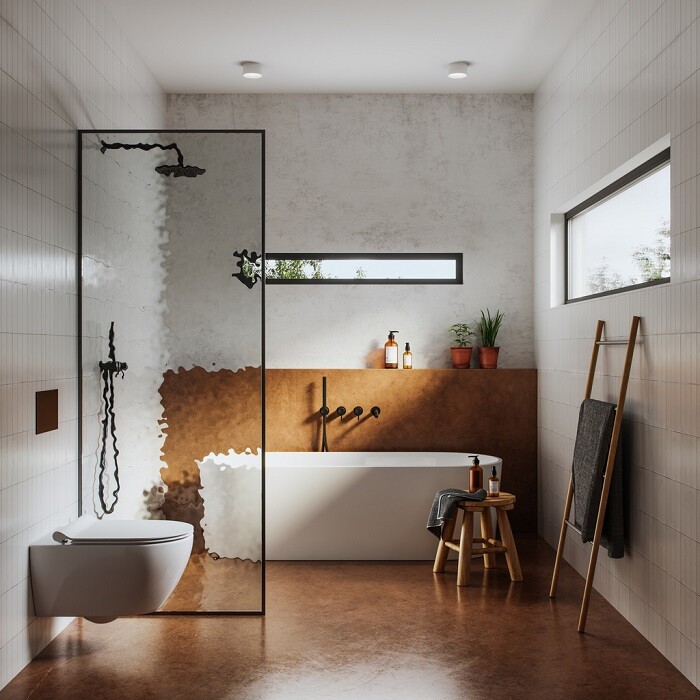
Does adding a bathtub to your home increase its resale value? The short answer is yes, with many US homeowners

Bathtubs are an important centerpiece for any bathroom. The style of your bathtub influences how the rest of your bathroom
Request your free material sample below. By submitting, you agree to receive occasional product updates and offers from Badeloft. Unsubscribe anytime.
"*" indicates required fields