
40+ Luxury Bathroom Ideas for 2026 – Designs That Actually Make the Investment Worth It
Spring is peak bathroom renovation season – and with remodel costs up 15–20% this year, the pressure to get it
It’s spring, tax refunds are landing, and if you’ve been putting off a bathroom upgrade, you’re in good company. A fresh April 2026 survey found nearly 60% of homeowners planning to spend their refund on their home, with starting or completing a remodel as the top use of those funds. A freestanding bathtub is one of the most enduring investments you can make in that space. But it’s also a decision where the wrong choice is expensive and permanent. Read through before you buy.
As with most homeowner choices, choosing a new freestanding bathtub can be quite a daunting task. But a freestanding bathtub offers your bathroom a unique feel that the alternatives don’t compare to. Freestanding bathtubs have a unique design and come in a wide variety of flexible options and fit into almost any budget.
Choosing the right bathtub can make your bathroom a quiet oasis of comfort and security so let us begin.
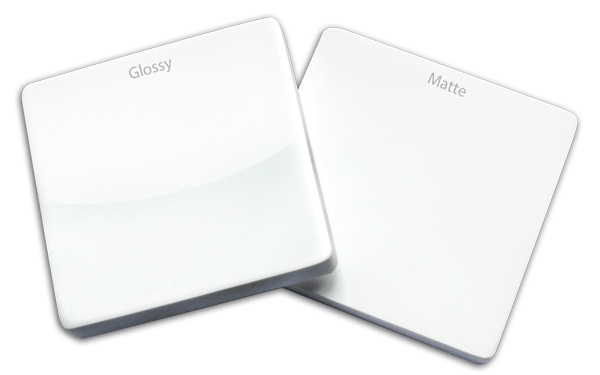
To feel the quality of stone resin, simply request a free material sample from Badeloft (shown below).
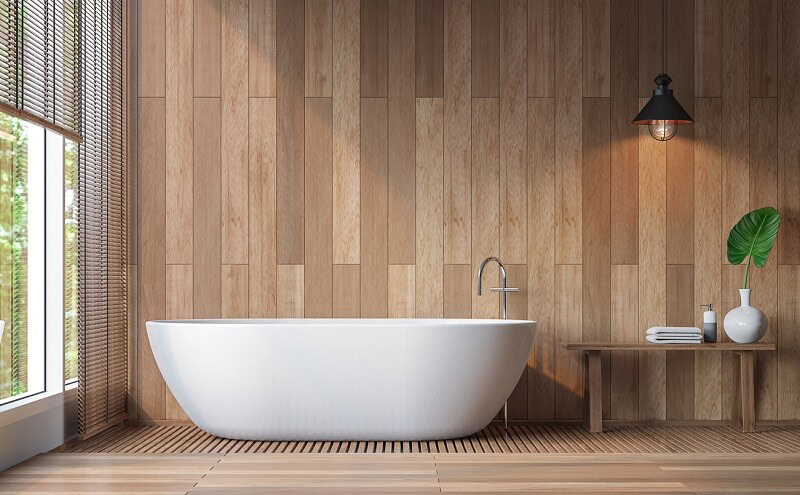
With freestanding bathtubs, you will need to keep in mind certain advantages and disadvantages. What works well for someone, might not be the best option for you, so make sure you check all pros and cons of getting a freestanding bathtub before buying. Consider factors such as available space, style preferences, and maintenance requirements when weighing the freestanding bathtub pros and cons. It’s also important to think about how the bathtub will fit into your overall bathroom design and whether it complements your existing fixtures.
By carefully evaluating these aspects, you’ll be better equipped to make an informed decision. Consider factors such as the available space in your bathroom and your personal bathing preferences. Evaluating the freestanding bathtub advantages and disadvantages can help you determine if it will complement your home’s style and meet your functionality needs. Ultimately, conducting thorough research will lead to a satisfying purchase decision.
One thing worth knowing before you dig in: in 2026, the trend has matured, it’s no longer just about placing a tub in a room. The best results come from treating a freestanding tub as a piece of functional art that anchors a curated wellness zone. That context shapes every decision below.
| Aspect | Pros |
| Choice | Allows the freedom to choose any size and style (classic clawfoot, modern sleek, etc.). |
| Installation | Placement flexibility without the need for adjacent walls. |
| Look | Unique look that adds a luxurious feel to the bathroom space. |
| Placement | Freedom to position the bathtub anywhere in the bathroom. |
| Aspect | Cons |
| Price | Generally more expensive than built-in tubs, including installation costs. |
| Weight | Heavy and requires a reinforced floor. Larger size means additional water weight. |
Freedom of choice is a wonderful thing. With a freestanding bathtub, you are allowed the freedom to create any size bathtub that fits your preference. Whether you want a classic clawfoot or a more modern sleek design, the choice is yours.
Freedom of choice is a wonderful thing. With a freestanding bathtub, you are allowed the freedom to create any size bathtub that fits your preference. Whether you want a classic clawfoot or a more modern sleek design, the choice is yours.
Freestanding tubs have a unique look that is sustained through the quality of the material used in their making, which additionally gives your bath space a luxurious feel unlike any other. While the aesthetics of a freestanding tub can enhance the overall ambiance of the bathroom, it’s essential to consider freestanding tub benefits and drawbacks. These tubs often require more space than built-in options, which may be a limitation for smaller bathrooms. Additionally, installation can be more complex and costly, impacting the overall budget for renovations.
Similar to installation, placement means you can actively dictate where your tub is located. Since there are no walls you need to install adjacent to, freestanding tubs allow you the freedom to creatively furnish your bathroom your way.
Freedom of choice does come with a little bump as freestanding tubs are generally more expensive than built-in tubs even with installation costs. If you’re working with a tax refund or a defined project budget, the materials section below will help you find the right quality tier for what you have to spend.
Freestanding tubs are also a bit on the heavy side, so only install them on a reinforced floor that can sustain the additional weight. Keep in mind that they are also larger in size which means they will carry much more water weight in addition to their normal heftiness, so plan accordingly. This is one of the most commonly overlooked factors, especially for homeowners in older homes or upper floors. If you’re unsure, get a floor assessment before falling in love with a specific model.
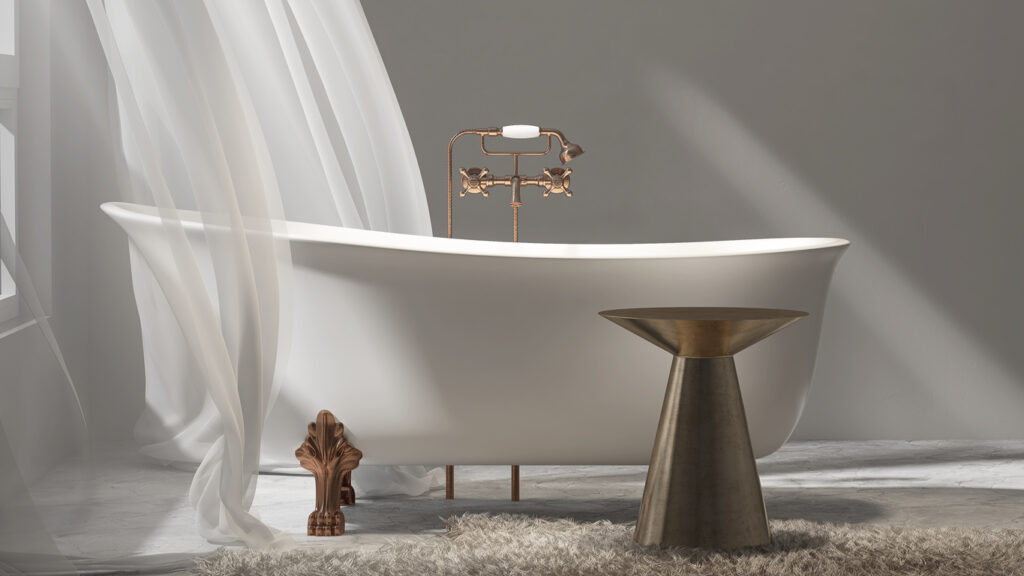
Freestanding bathtubs come in many dimensions and sizes, so it will not be difficult to find something that will fit your bathroom and preferences. The proportions of round and oval soaking tubs typically vary from those of regular freestanding tubs since they tend to be wider than taller. The overall width and depth of a freestanding tub are determined by the molding process used within. This explains why a lot of freestanding whirlpool tubs are only 60″ to 61″ long, or around 5 feet long, yet can still accommodate two people at a time.
In terms of water depth, many bathtubs include a bathtub overflow drain that activates when the water level reaches a set point. This level is often a few inches below the tub’s maximum water depth, measured from the internal base to the top of the tub.. Measuring from the tub’s base to the overflow drain determines the water depth (to overflow).
These are the dimensions for different freestanding bathtub types:
Small bathtubs to medium bathtubs tend to be the more popular choice as they take up less space and are much easier to climb in and out of. The larger size, while elegant and luxurious in aesthetic, may be difficult for small children and elderly to use. Although having additional water depth is always good, most homeowners will find that a tub that is between 14 and 20 inches deep is more than sufficient to cover the majority of their body.
One practical note that catches many buyers off guard: before you measure the tub, measure your path. People often forget to confirm whether the tub can be carried through the door and around the hall corner and end up having to remove a door frame or pivot to a different model at the last minute.
For a more detailed look into dimensions & sizes read this article: Standard bathtub dimensions and sizes for every type of tub.
Common materials for freestanding bathtubs include cast stone, acrylic, cast iron, fiberglass and stone resin. Each carries their own distinct advantages and disadvantages, so research thoroughly before purchasing.
Material is the single decision that will affect your experience most over the life of the tub, not just aesthetics, but how warm the water stays, how the surface holds up, and how easy it is to keep clean. In 2026, there’s a notable shift away from standard white acrylic toward natural materials like stone resin and hammered copper; worth keeping in mind as you read through the options below.
Stone resin bathtubs are made from a blend of acrylic polymer and natural minerals-usually resin.
Pros:
Cons:
Stone resin comes out as a material that is quite aesthetically pleasing, giving your bath space a very modern look while the actual color on stone resin bathtubs does not fade with repeated water use
Stone resin retains heat longer for much longer than average bathtubs, which means your water will be kept warmer for longer periods of time, which means long soak times.
Stone resin is able to sustain heavy punishment without fear of damage. The material is also non-porous, meaning it will not absorb water and develop bathtub cracks over time, lending further to its incredible longevity.
Stone resin is easy to maintain and clean, as most stains and mildew will wash away with simple warm water while lightly abrasive substances can be used for more stubborn residues.
Compared to other bathtubs on the market, it may seem on the pricier end of the spectrum, but Stone Resin bathtubs are a quality investment long term for your bath space. If you’re a regular soaker, someone who genuinely wants a hot bath that stays warm, stone resin pays for itself in experience over time in a way that acrylic simply doesn’t
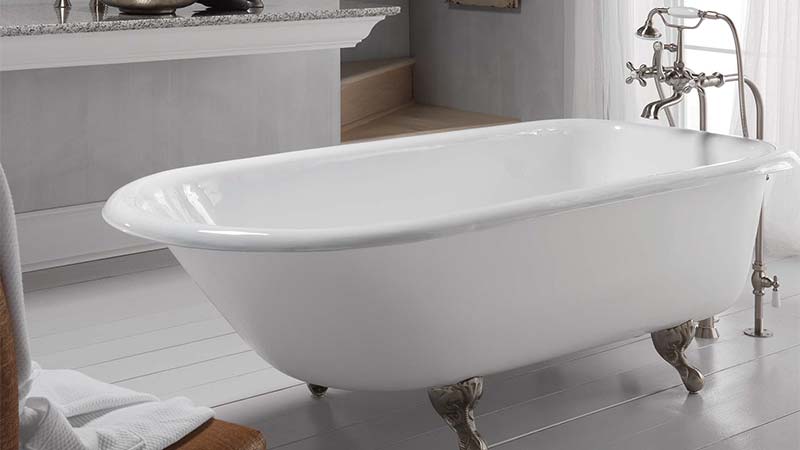
Cast stone is made by combining cement with pigments and crushed natural stone to give the cement mixture a more natural look. Generally accepted as a replacement for sandstone, limestone, coral rock, granite, slate and other natural stones.
Pros:
Cons:
Cast stone has a wide variety of options, since the material is man made. As such, color and style is flexible and ultimately up to you, allowing you the freedom to pair your bathtub with whatever you wish.
Compared to most bathtubs on the market currently, cast stone is very affordable. Affordability also allows for more options in customizing your bath space.
Since the material has a cement founding, it is quite easy to clean and maintain through conventional means. Simple warm water and baking soda will easily remove most if not all stains
Since the material is man made, it may not appear as original or authentic compared to natural stone. It may also discolor quite heavily with repeated use over time.
As the material comes in a wide variety of natural stone options, it tends to be less durable compared to other materials on the market largely dependent on the quality of the stone selected, also the material is porous, leading to cracking over time. For first-time homeowners looking for an affordable entry point that still looks great, cast stone can be a reasonable choice — just go in with clear expectations about longevity.
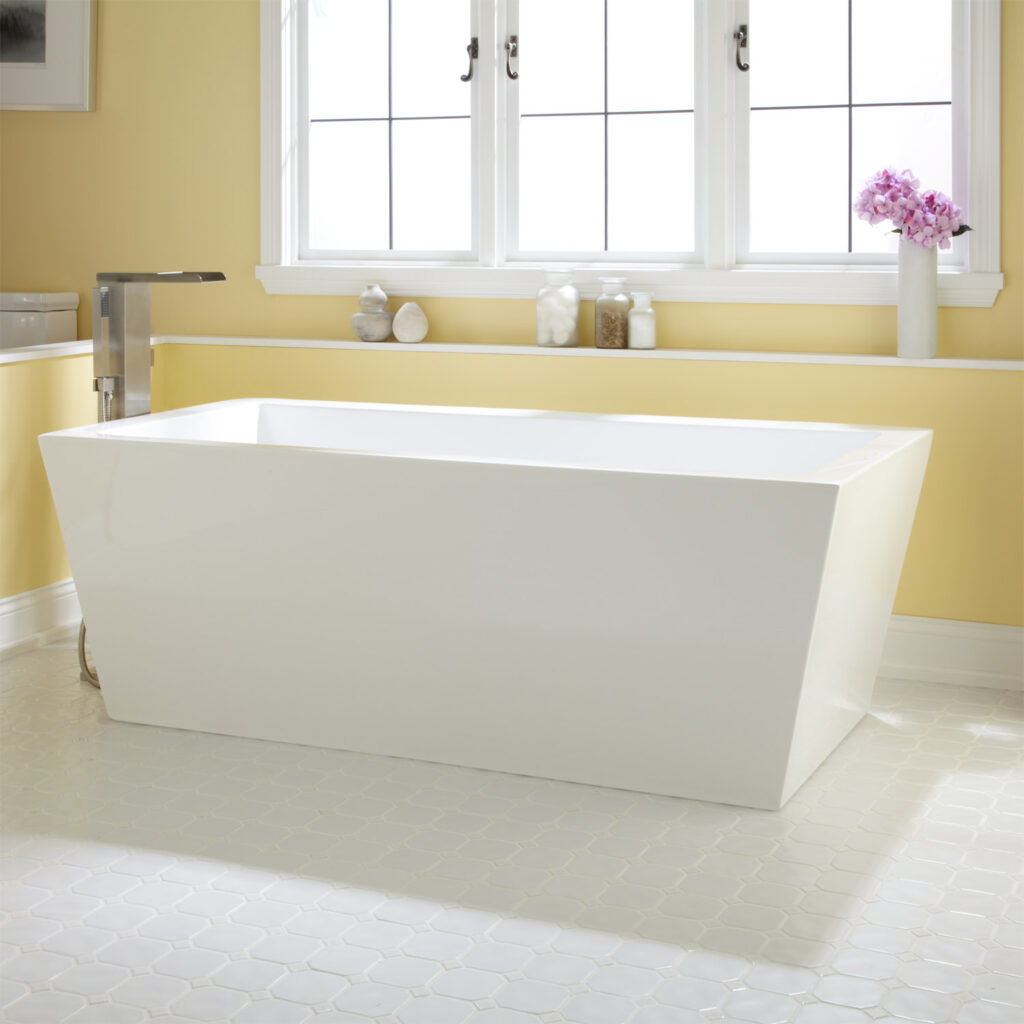
Acrylic bathtubs are made by taking a solid sheet of petrochemicals, stabilizers, resins, fillers, and dye which are then heated and molded into a bathtub shape before being reinforced with fiberglass.
Pros:
Cons:
Acrylic bathtubs are non-porous, meaning they will not absorb water. As a result, the material will not crack as easily compared to other bathtub materials like fiberglass.
Acrylic bathtubs does a poor job of retaining heat. Which means your water will not stay warm long. This matters more than it sounds, if long soaks are the goal, budget for stone resin instead.
Unfortunately, like fiberglass, acrylic bathtubs will warp over time with repeated use. The consistency of the material will then become less stable, creating bumps or uneven ridges on the bottom of your bathtub
While Acrylic tubs are more durable compared to fiberglass, it is quite pricey when compared to other similarly durable tubs on the market. Also, do keep in mind that if any damages occur down the line, you are looking to replace the entire bathtub, which drives the cost that much higher.
Cast iron bathtubs are made by pouring molten iron into a bathtub mold then smoothed over and covered in a layer of protective enamel.
Pros:
Cons:
Cast Iron bathtubs are perhaps the most durable tubs on the market. Able to weather high impacts, the material is also highly resistant to scratching or chipping as well.
Cast iron bathtubs are extraordinarily easy to clean, as warm water and baking soda will typically do the trick. Of course abrasive cleaners can also be used without damaging the bathtub.
Cast Iron retains heat longer than average bathtubs, which means your water will be kept warmer for longer periods of time, which means long soak times.
While Cast iron may be highly durable, the material also tends to be quite heavy. Please make sure your floor can support the additional weight of the bathtub, especially when it is full. This is particularly important in older homes or for upper-floor installations , always verify your floor’s load capacity before committing to cast iron.
While there are many positives to owning a cast iron bathtub, it may well be beyond your current budget as they ring around $1000 starting, so research accordingly.
For more information on bathtub materials, read this article: Common bathtub materials
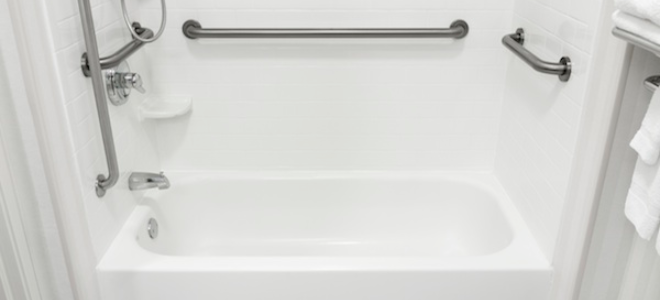
Fiberglass bathtubs are made by reinforced plastic which is then formed into layers, molded into a bathtub shape before coated with a layer of gelcoat resin. is a kind of reinforced plastic which is formed into layers then molded into a bathtub shape before being coated with a layer of gelcoat resin.
Pros:
Cons:
Fiberglass Bathtubs are perhaps the cheapest on the market. With a starting price tag of around $200, you can easily construct your bath space within an easy budget.
Fiberglass is incredibly lightweight, making self or DIY installation a breeze. This also is beneficial when it comes to replacing this sort of bathtub down the road due to any damages that may occur.
Fiberglass also happens to be quite cheap in its construction. The material cannot survive any heavy or sustained impacts and will most certainly chip easily as a result.
Fiberglass will ‘flex’ over time, causing it to warp and feel unstable over time, creating rivets and pockets. The material is also porous, meaning it will absorb water, which combined with natural flexing will lead to cracks in the material.
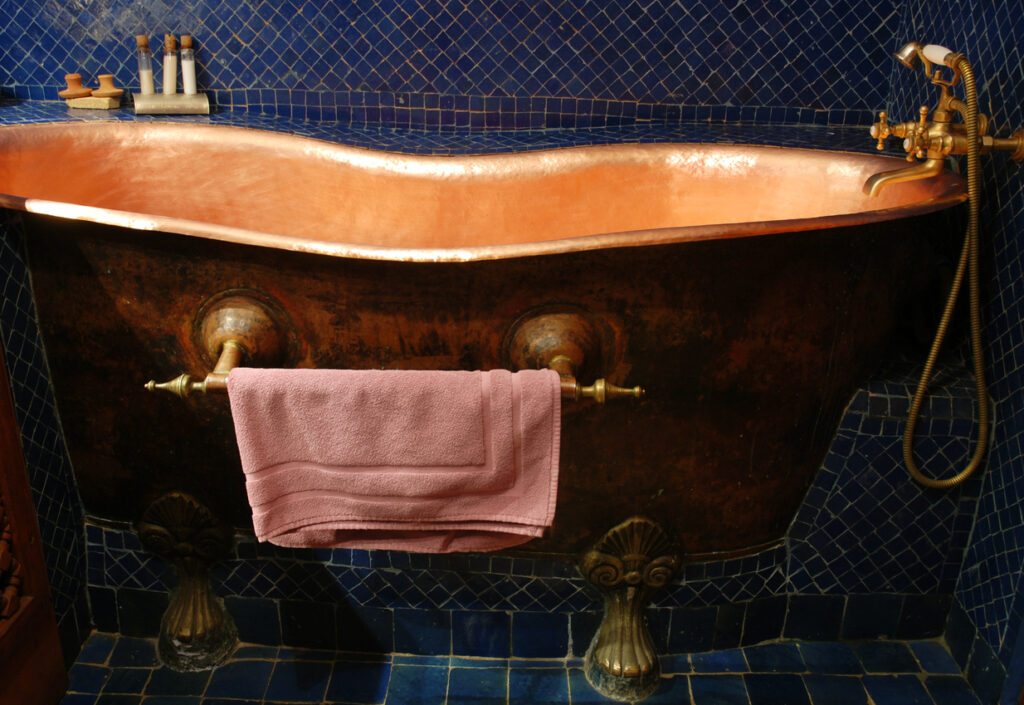
Copper tubs are made by forming the metal into the shape of a tub. The material is highly durable, rust proof, and antibacterial, making it ideal for the bathroom.
Pros:
Cons:
Copper is a very durable material, able to withstand temperature spikes, heavy impacts and a great deal of punishment without scratching or discoloration. If your bathtub sees heavy use, copper is an ideal material for you.
The material itself has antibacterial properties, prohibiting growth on it’s surface. This means that you can use your bathtub frequently without fear of mold or bacterial growth.
Copper holds heat very well, meaning that your water stays warmer for longer periods of time when bathing, saving you on heating bills
The natural properties of copper means that it will develop a unique and visually arresting patina with use, giving it a vibrant look that will only grow more beautiful with age.
The material itself is highly resistant to rust and corrosion, so you don’t have to be as paranoid about water damage when compared to other materials.
For many of it’s benefits, copper is one of the most expensive materials on the market, so you certainly get what you pay for.
While you don’t have to worry about periodic maintenance with copper, you still have to ensure that you use only prescribed cleaners. Copper is incredibly sensitive to acids and other abrasive materials, so the pool of acceptable cleaners is very small.
Stainless steel tubs are bathtubs that are comprised of sheets of stainless steel that are pressed into a mold. The material is highly durable and resistant to corrosion.
Pros:
Cons:
Stainless steel is highly durable, able to withstand temperature spikes and any punishment that the high humidity atmosphere of the bathroom has.
The material is easy to care for, and if you’re wondering how to clean a bathtub made of stainless steel, many cleaners are compatible and won’t cause damage.
Stainless steel is naturally resistant to corrosion and does not absorb water, making it ideal for the bathroom setting.
An entire stainless steel tub can be quite expensive when compared to its enameled layered counterparts.
When compared to similar priced bathtubs on the market, stainless steel has an average to low heat retention, making other choices more attractive.
Stainless steel only has one color choice and while there are multiple sizes and shapes to choose from, their look can be quite dull.
This material is susceptible and vulnerable to denting, so avoid heavy impacts.
Bathtubs come in many different styles, but the most common ones seen today are more of a modern feel, a round design or your classic Clawfoot. The more modern and classic approach is very similar, allowing you to fully lay down and soak while still providing standing space for the option of a shower. The round design is more suited for just soaking and for much smaller homes that cannot accommodate the former.
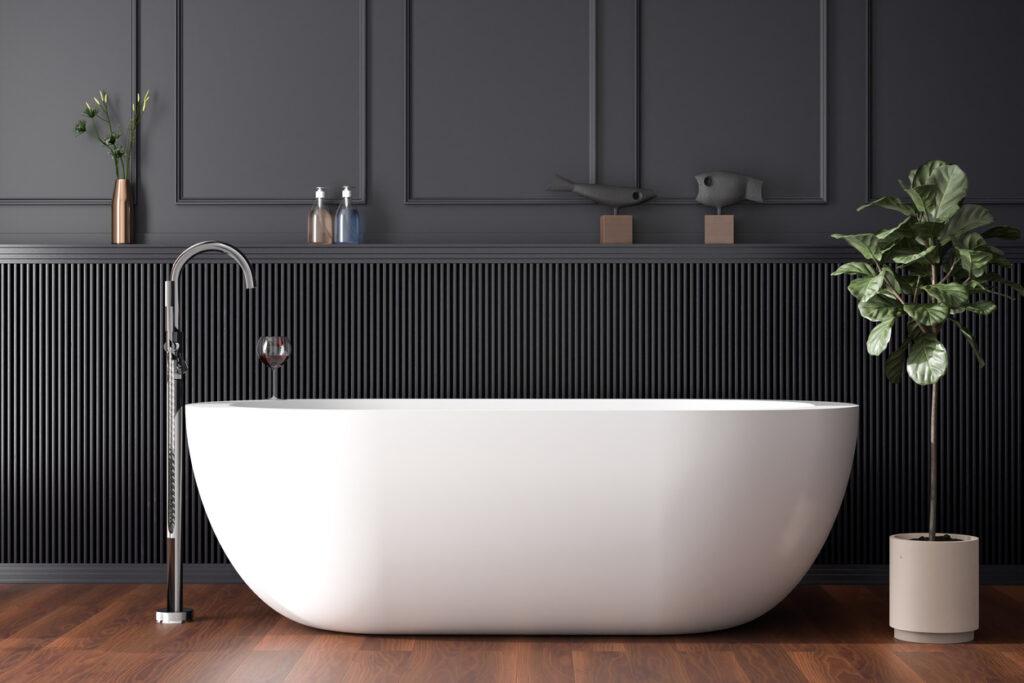
For those who want a sleek, modern design, there is a wide range of tubs that will suit your needs. Oval tubs are the most common, though any number of shapes can be designed and tailored to your needs if you choose. Generally, this style of tub sits somewhere between Round and Clawfoot, with a heavy emphasis on flexibility. Oval and egg shapes are still the go-to for modern freestanding tubs, they fit many design styles, from minimalist to warm and natural, and they soften a room full of straight lines like tile and vanity edges
For those in a more confined space, round bathtubs are seen as a great solution. Typically tucked into the far corner, these are the ideal bathtubs for long soaks as they submerge your body up to your shoulders and have an integrated seat built into them.
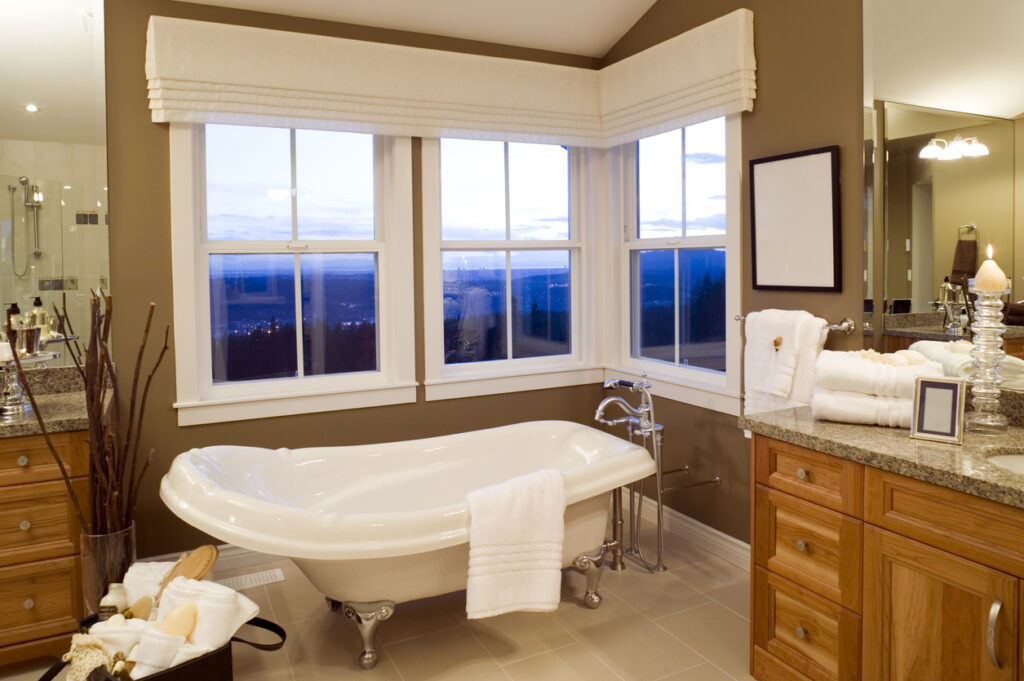
A more traditional bathtub as they have been around since the 1800’s and still remain a popular style today. Typically found in both single and double ended, single-slipper and double-slipper designs, they come in a wide variety of designs and fit any home looking for a more classic feel for their bathtub. Designers are increasingly pairing clawfoot and freestanding soaking tubs with organic materials , marble slabs, lime-washed plaster walls, or warm wood accents to create contrast and depth that lets the tub do the talking.
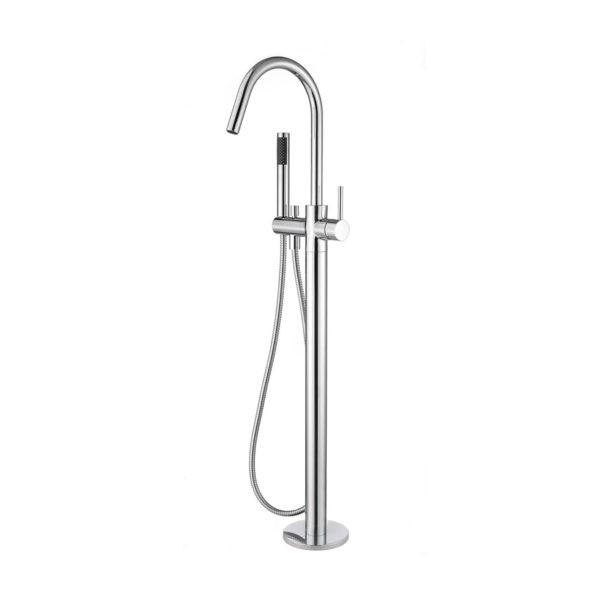
With faucets, you have two options: floor mount and wall mount. Both come in both single handle and double handle variants and will come down to personal preference as the functionality is similar.
A floor mounted faucet usually installed on the lip or backside of your bathtub. Easy to install, merely fasten the end you wish to the top of your bathtub and make sure it is anchored to the floor. Temperature and flow are controlled by one handle.
A floor mounted faucet installed on the lip or backside of your bathtub. Easy to install, merely fasten the end you wish to the top of your bathtub and make sure it is anchored to the floor. Hot and Cold water is handled by turning the handles in a singular direction. Aesthetically pleasing, but might take some getting used to.
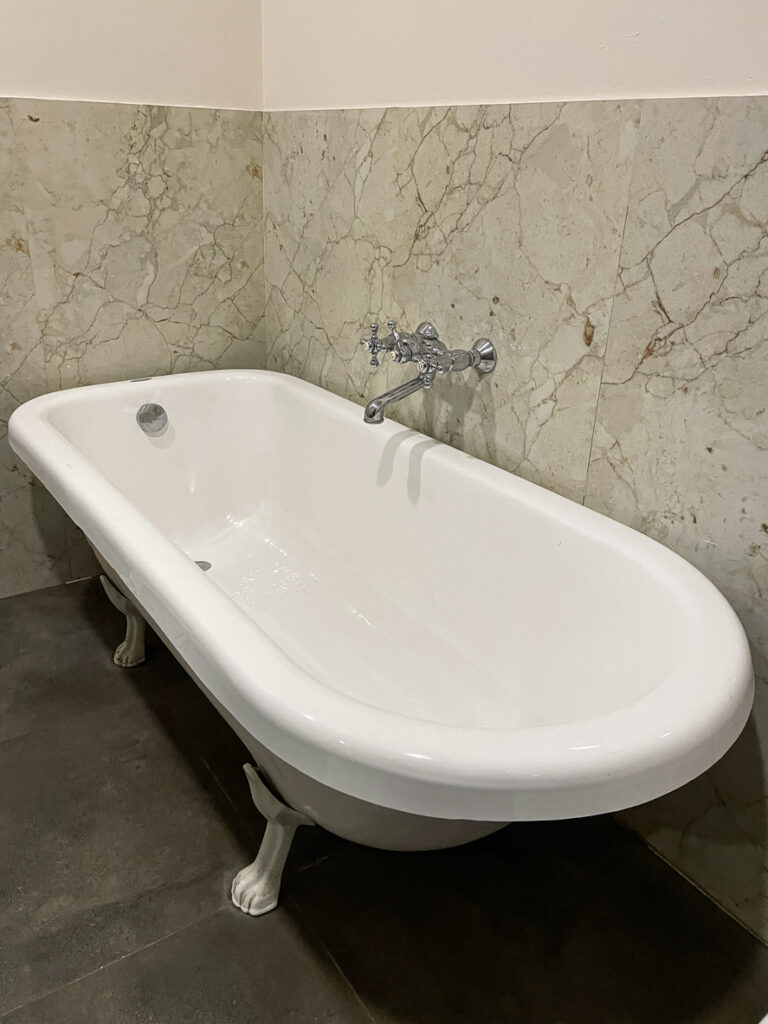
Coming in both single and double handle variants, wall mounted faucets are installed through the wall. While it may be aesthetically more pleasing in your bath space, wall mounts typically require reworking some of your plumbing and are more of a hassle to install, so plan accordingly.
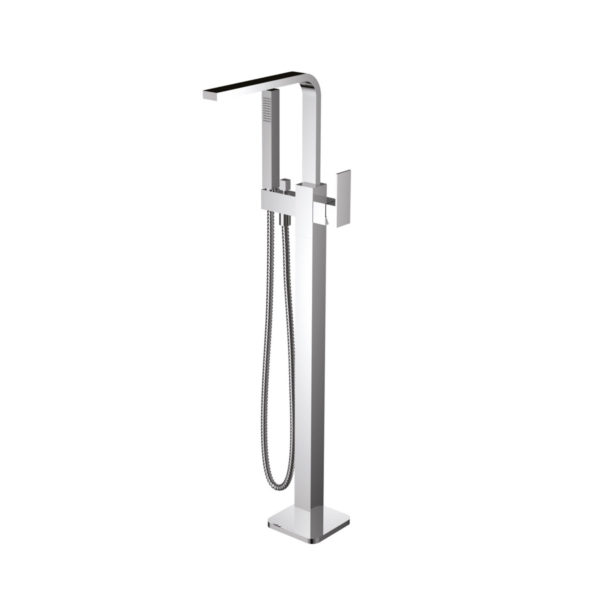
There are a wide array of faucet styles, the more popular being telephone, Victorian, modern and English. Choosing a faucet is more dependent on personal preference as their functionality is very similar.
A faucet style made popular in the 1950’s, telephone faucets are shaped similarly to an old telephone set. The faucet rests on two cradle arms, which u can easily remove for your washing needs.
An older style faucet unique to bathtubs from the mid 1800’s. These are likely to be long and sloped at the top, similar to an elephant trunk and is usually operated with two handles.
Modern faucets have a more reserved design that is much more compact, but still retains much of their function as well. Instead of the water flowing in one continuous stream, the flow is fanned out, allowing for a more even spread of water and less dangerous to small children. Modern faucets are most popular in smaller homes.
English style faucets are similar to Victorian faucets, but are a tad bit shorter and are usually made of nickel or bronze. These are generally not as popular as telephone, Victorian or modern styles.
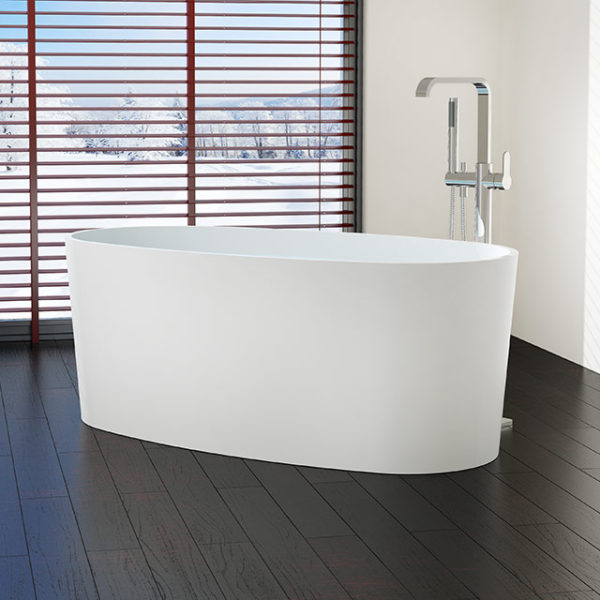
Faucet materials can also come in many different forms, but the common ones you are most likely going to find are bronze, chrome, and nickel. Ultimately the material you choose will depend on the color scheme of your bath space and which fixtures you already have present.
Bronze or oil rubbed bronze, is a chemically darkened finish that is meant to simulate aged bronze.
Bronze carries a good finish, allowing you to pair easily with a large variety of bathtub styles. As such, the material also comes in a wide variety of styles, allowing you freedom in selecting what is appropriate for your bath space. This material pairs well with more rustic or classical looking aesthetics.
Bronze is also durable, meaning the luster of your finish will not fade easily or discolor through heavy water usage. It is also quite easy to maintain and polish, simply rub it down with water every once in a while to maintain the finish.
While bronze has many positives, the finish is also the most expensive when compared to Nickel and Chrome, so check your budget.
Chrome finish comprised of a chrome plating over copper or brass
Chrome has a smooth and shiny finish, pairing well with most bath spaces where you want your fixtures to stand out.
For a bright luster, chrome is also inexpensive when compared to other faucet materials on the market, meaning it can fit easily into almost any budget bath space with ease.
While durable, Chrome will also show fingerprints and water spots over time, unfortunately. Regular maintenance should be kept to remove any smudges that will dirty the finish.
A polished nickel finish is nickel plating over brass which is then fully polished.
Polished nickel has a warmer tone compared to other materials like chrome. The polished nature of the material will add an extra degree of warmth to any bath space. This material pairs well with more modern finishes and aesthetics, generally colder or lighter colors.
Polished nickel is incredibly durable, able to withstand heavy punishment without scratching or damaging the finish.
While it is more vibrant aesthetically, polished nickel is also on the higher end of price when compared to other materials.
Polished nickel will require constant maintenance to keep the finish, otherwise it will tarnish. Like Chrome, this material will also show fingerprints and water spots, so be rigorous in cleaning it.
Everyone comes to this decision from a different place; different budget, different home, different timeline. Here are four situations we see regularly; find the one that sounds most like yours.
This is exactly the right moment to act, and you’re not alone. Over half of homeowners receiving a refund this year plan to start or complete a home improvement project. The key is not letting the budget expand to match the refund. Decide your ceiling first.
This is one of the most common hesitations and often unfounded with the right size selection. A tub that’s too large will dominate; one sized correctly for the room creates exactly the spa feeling you’re after.
Older homes carry surprises. Non-standard plumbing rough-ins, floors that weren’t built to carry a full tub, outdated drain locations. None of these is a dealbreaker, but each needs a plan before you commit to a tub.
Decision fatigue is real in this category. Here’s how to cut through it.
While there are a fair number of drain styles out there, you do not need a special drain for your bathtub. Installation is very straightforward and many kits are available if you wish to do it yourself. For a detailed explanation on installation, read this article: How to install a bathtub drain
Yes, a modern freestanding bathtub can be a shower provided you make some small adjustments. First, there is a wide range of shower heads for any height available, in addition, you can install curtains and mount them, creating a shower.
Yes, freestanding bathtubs are quite comfortable, hence their popularity. However, finding the most comfortable bathtubs will largely depend on the material used and the style of the bathtub.
Freestanding bathtubs start at around $1200-2900. Depending on the quality and material used, bathtub costs can vary significantly, as material choice greatly influences the overall price.. Spending more on quality materials, like stone resin, can be a better long term investment because of the longer lasting nature of the material. When shopping for a bathtub, it’s essential to consider factors such as size, design, and installation requirements to ensure it fits well within your bathroom space. Additionally, researching freestanding soaking bathtub buying tips can help you navigate your options and identify the best model for your needs. Take the time to read reviews and compare brands to ensure you are making an informed decision that enhances both your comfort and your bathroom’s aesthetic. Keep in mind that the tub price is only part of the total — installation, plumbing connections, and the faucet add to the overall project cost. Plan your full budget before selecting a tub.
Installing a freestanding bathtub is a relatively easy process and requires only a few steps depending on your current plumbing set up. For a detailed overview of how to install your free standing bathtub visit this article: How to install a freestanding bathtub.
Since many of them are custom made, freestanding bathtubs can come in a wide variety of materials. The most common, however, are Cast Iron, Acrylic, Solid surfaces like Stone Resin and Copper
In short, you don’t. Most freestanding bathtubs are quite heavy and its weight will keep it tethered to your floor. If you have concerns or doubts, you can use some DIY fastens to make it more secure in your bath space, but generally they are not needed.
So which is the best material for a freestanding bathtub? Acrylic is the most popular choice currently simply because it provides a good balance of durability, versatility, and affordability. Acrylic freestanding bathtubs are widely available, meaning lower install and repair costs. Other materials have their own benefits over acrylic, but they will need to be custom-ordered and will be more expensive to alter and change.
A freestanding bathtub can usually fit 1-2 people depending on the size
The distance between your tub and wall should be between 15-18 inches or at least 1 foot.
Yes, a freestanding tub can come with jets, Japanese style tubs come with pressurized jets for comfort, but of course, these must be custom ordered and may not be easy to install.
Spring contractor schedules are filling now. If you’re planning a summer completion, the time to get your quote and order in is this month, not after the season gets underway. To feel the quality of stone resin before you decide, request a free material sample from Badeloft. It takes the guesswork out of the material decision.

Eric is the founder and president of Badeloft USA. He has been the president of Badeloft’s US division for over ten years and oversees all marketing and branding aspects of Badeloftusa.com.
His expertise lies in small business development, sales, and home and bathroom industry trends and information.
Contact us with any business related inquiries.
Badeloft is dedicated to helping homeowners make informed decisions about their bathrooms. We adhere to strict editorial guidelines to ensure our content is accurate, trustworthy, and useful.
Request free stone resin and stainless steel material samples. Delivered to your door.
Spring is peak bathroom renovation season – and with remodel costs up 15–20% this year, the pressure to get it
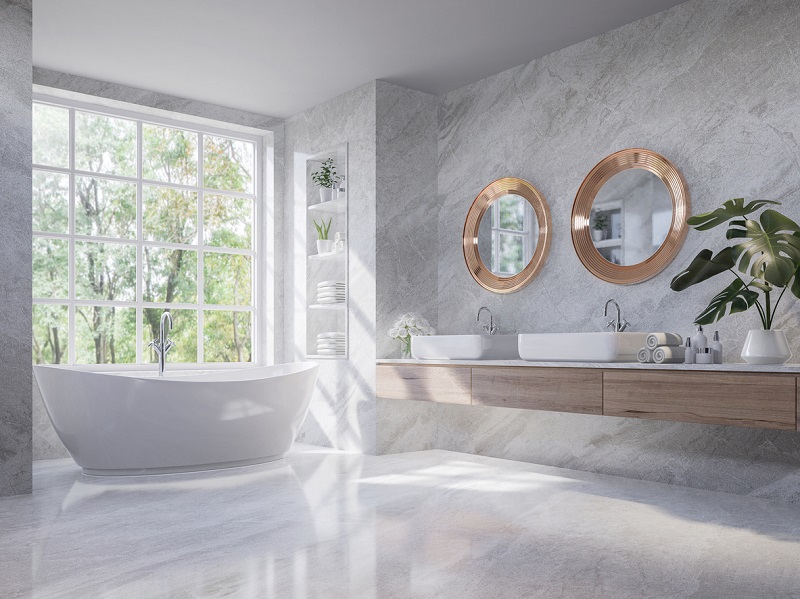
It’s spring, tax refunds are landing, and if you’ve been putting off a bathroom upgrade, you’re in good company. A
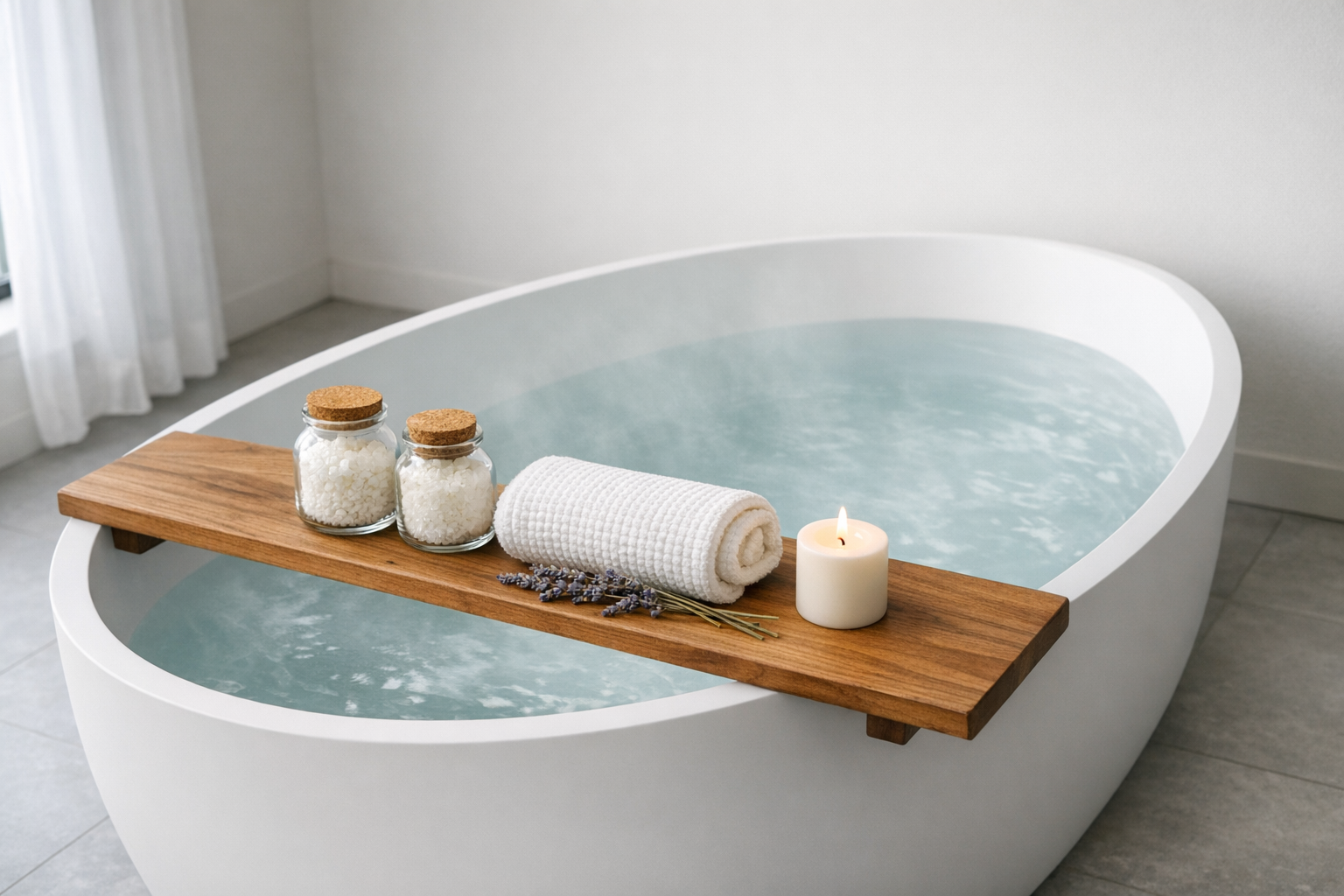
There is something almost ceremonial about drawing a bath. The sound of water filling a deep tub, the slow release
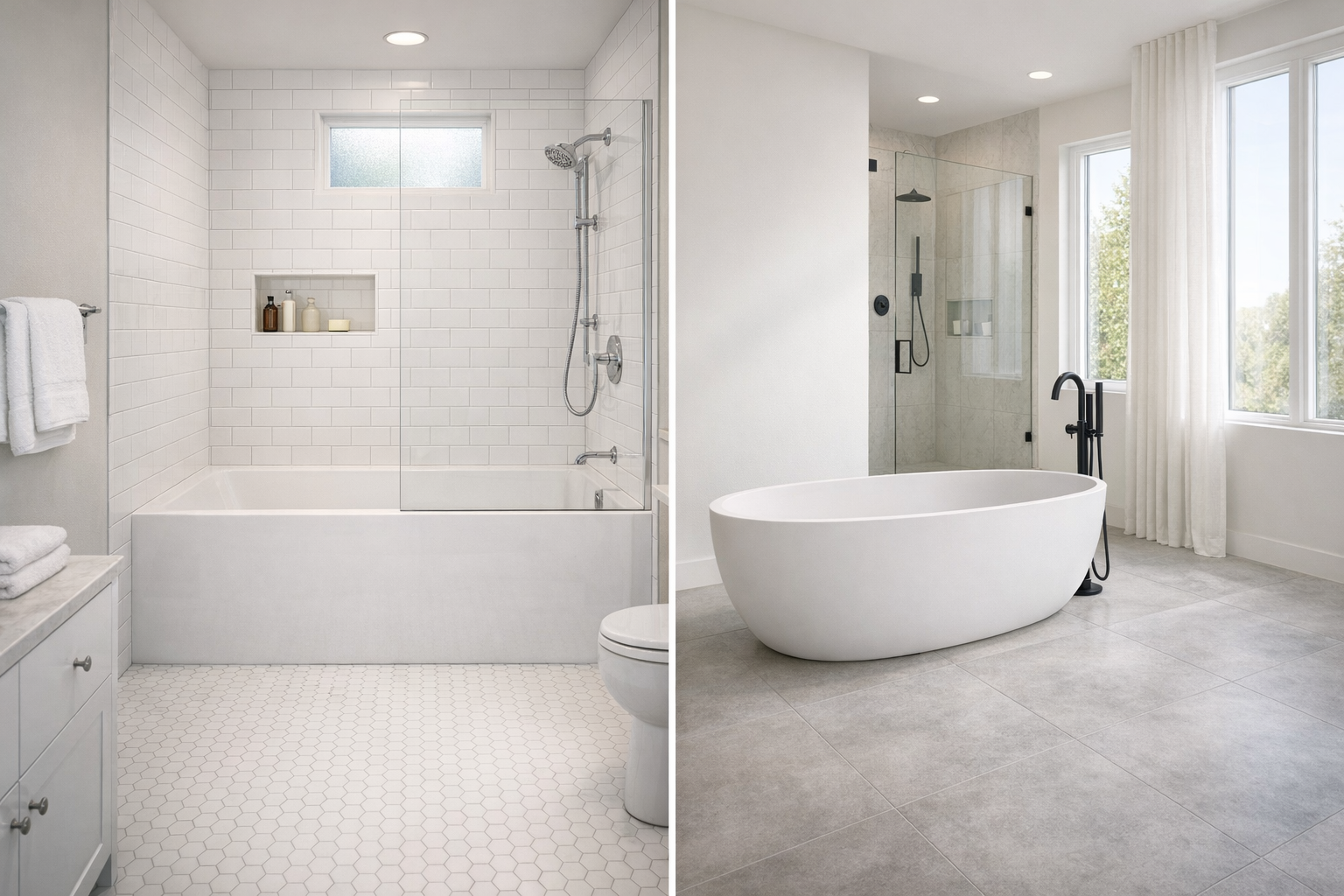
You’re planning a bathroom renovation and staring down one of the most common decisions homeowners face: do you keep a
Request your free material sample below. By submitting, you agree to receive occasional product updates and offers from Badeloft. Unsubscribe anytime.
"*" indicates required fields
6 thoughts on “Choosing a Freestanding Bathtub – Buying Guide 2026”
Why do you recommend a distance of 1 foot minimum from fixed walls to the free standing tub? why can’t I be closer like 6 inches on one side?? I have limitation to my space.
Hi Paul,
Although 1 foot is recommended (for cleaning the bathtub) 6 inches is still enough space.
Most informative article in helping me with my decisions for a free standing tub for my new home. Thank you.
I dont think u mentioned the problem with freestanding tubs: the difficulty cleaning around them.
We have a great resource to help clean freestanding bathtubs, which in our opinion makes life easy: https://www.badeloftusa.com/how-to-guides/cleaning-maintaining-freestanding-bathtub
I bought a 4.5 standing bath tub for my new renovated bathroom. My laborer insist that it should be at least 1 foot distance on both ends from the wall and my sliding shower. But I am not happy on the size of my bath tub. Does is really important to have a 1 foot space?