
How to Choose the Best Freestanding Bathtub: Sizes, Materials, and Our Top Picks
“Best” means something different in every bathroom. The best freestanding bathtub for a 5×8 guest bath is a terrible pick
Bathtub reglazing is one of the most cost-effective ways to restore a tub that looks worn but is structurally sound. A professional refinish costs $300 to $700 and typically lasts 10 to 15 years with proper care. A DIY kit costs around $100 and lasts at best 2 to 3 years.
Whether reglazing is the right call depends on what’s wrong with your tub. Surface stains, discoloration, and minor chips are ideal candidates. Structural cracks, rust-through, or damage to a stone resin or composite tub are not required replacement, and reglazing over them only delays the problem.
This guide covers the full reglazing picture: what the process involves, how long it lasts by material type, what it costs, what can cause a refinish to fail early, and how to clean and maintain a reglazed surface to get the full lifespan out of it.
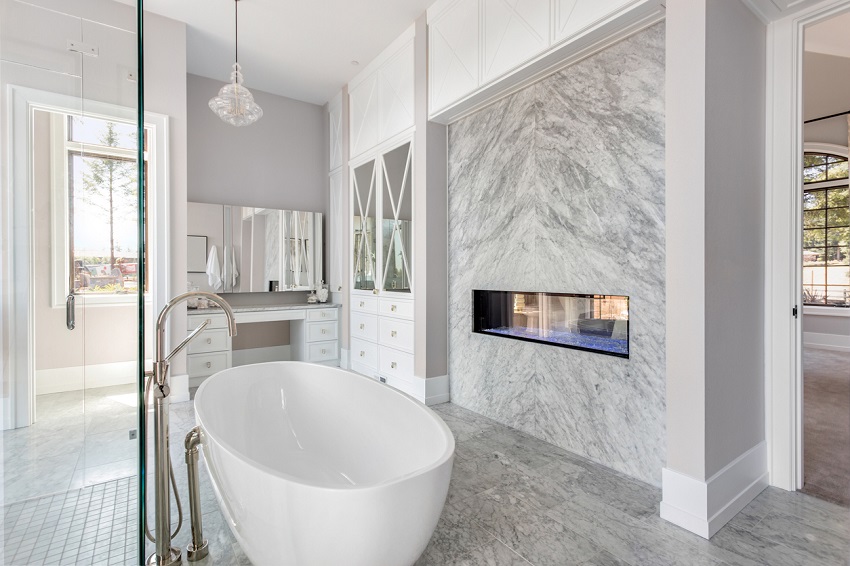
For those unfamiliar, the reglazing process involves cleaning your bathtub of foreign materials and then reapplying a stronger coat of finishing paint. While it sounds simple, improper cleaning of the bathtub is common, resulting in uneven areas of your bathtub, meaning the paint does not adhere to the bathtub properly, resulting in a shorter lifespan for the paint and your bathtub.
The short answer is yes, the material you choose will determine how you should care for it and the final cost:
Cast Iron
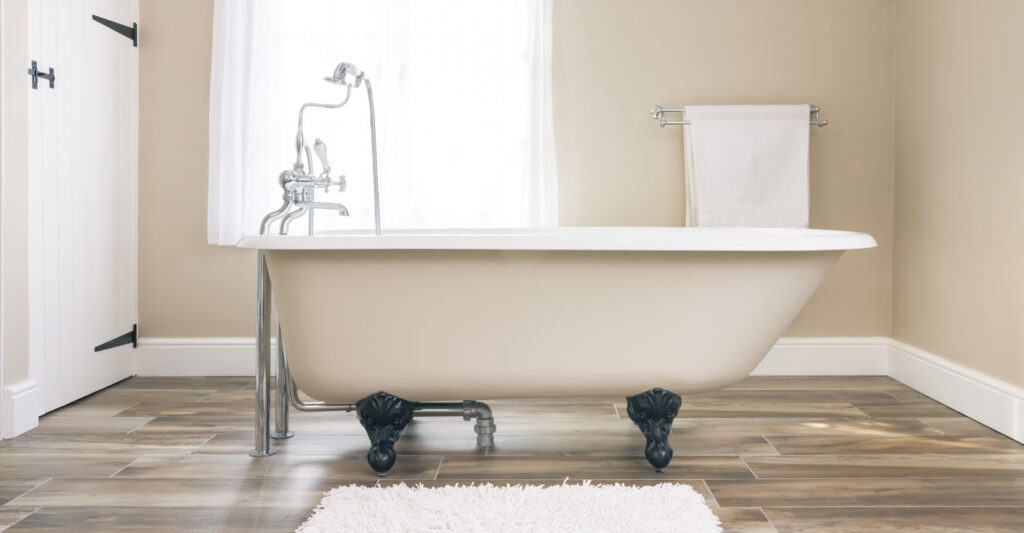
The biggest issue with cast iron is that any exposure to water has the potential to rust the material. Cast iron refinishing costs anywhere between $350-650 and requires sanding down to the surface and ensuring full coverage with an enamel paint to protect it from excess moisture. A professionally reglazed fiberglass tub typically lasts 7 to 10 years. Fiberglass is more flexible than porcelain, which means the refinish coating can develop hairline cracks over time as the tub flexes — especially around the drain area
Fiberglass
Fiberglass is a popular choice mostly for it’s affordability and wide range of design options, however, you can expect to pay anywhere from $300-1,000 to refinish a fiberglass tub due to the extensive nature of reglazing any chips, imperfections and dings on the finish. In general, you should consider just replacing your fiberglass tub because you shouldn’t refinish your fiberglass tub over and over.
Porcelain
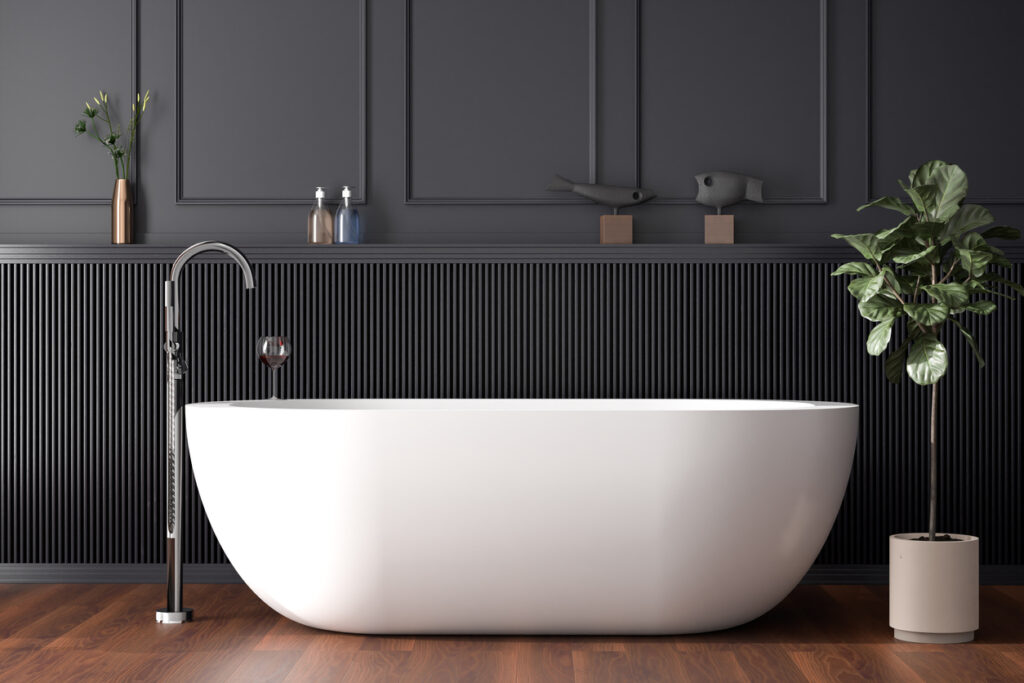
Porcelain tubs can be quite expensive to reglaze, costing anywhere from $500-1,200 depending on the age and quality of the tub. If you have an antique porcelain tub, you need to locate someone who has experience reglazing it. If you have a more modern porcelain tub, you can expect the reglazing process to add roughly 10-15 years.
What cannot be successfully reglazed: stone resin tubs (including engineered stone composite) and acrylic tubs with significant structural damage. Stone resin’s surface chemistry doesn’t bond reliably with standard refinishing coatings. If you have a stone resin tub that’s discolored or scratched, the manufacturer’s recommended approach is polishing and re-sealing, not reglazing.
If you’re looking to save some money, you might consider a DIY bathtub reglaze project.
To reglaze your bathtub, the process is as follows:
When reglazing your bathtub, you have two choices in terms of how you want to approach this project: DIY or Professional Reglazing. Each comes with their own positives and negatives, so it is up to you to decide which is most appropriate for your bathroom.
Warranty: A significant differentiator that most DIY guides don’t mention. Professional reglazing services typically carry a 5 to 10-year warranty on their work. Premium refinishing services offer warranties up to 20 years. A DIY kit comes with no warranty. If you’re reglazing a tub you plan to live with for 10+ years or that you’re prepping for resale, a professional application with a written warranty is worth the 3x to 5x cost premium.
DIY reglazing is a very straightforward project as there are multiple DIY kits available for purchase at nearly all local hardware stores or they can easily be found for under $100 online. The short summary of this project is as follows:
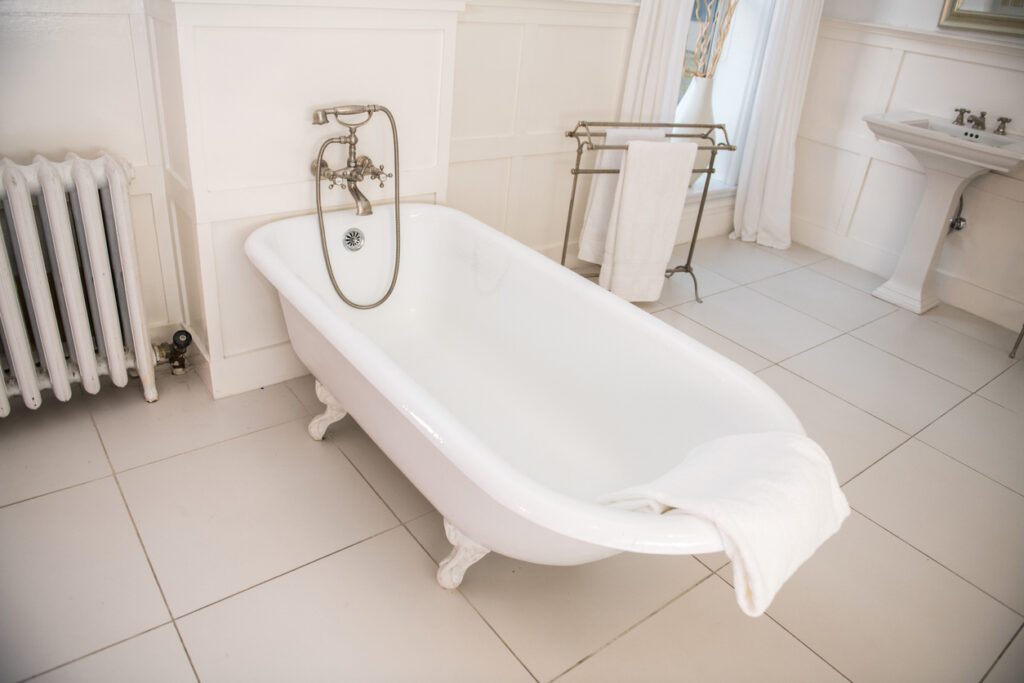
For those that have little to no experience, professional reglazing is a very viable option. In general, professional refinishing is a highly recommended compared to DIY, as the benefits and positives far outweigh its drawbacks. Though the final cost is 3 times the price for a DIY kit, you can be assured that you are left with a bathtub that will last a great deal longer.
Although the costs can differ, depending on whether you reglaze your bathroom on your own or hire professionals to do it, there are a few other factors that will impact the overall costs One of them is the material of your bathtub.
| Material | Reglazing cost |
| Fiberglass bathtub | $300 to $1,000 |
| Porcelain bathtub | $400 to $700 |
| Cost iron bathtub | $350 to $650 |
| Bath shower combination | $500 to $1,000 |
However, there are other factors that impact the price of bathtub reglazing:
When it comes to reglazing your tub, there are a few early warning signs to pick up on:
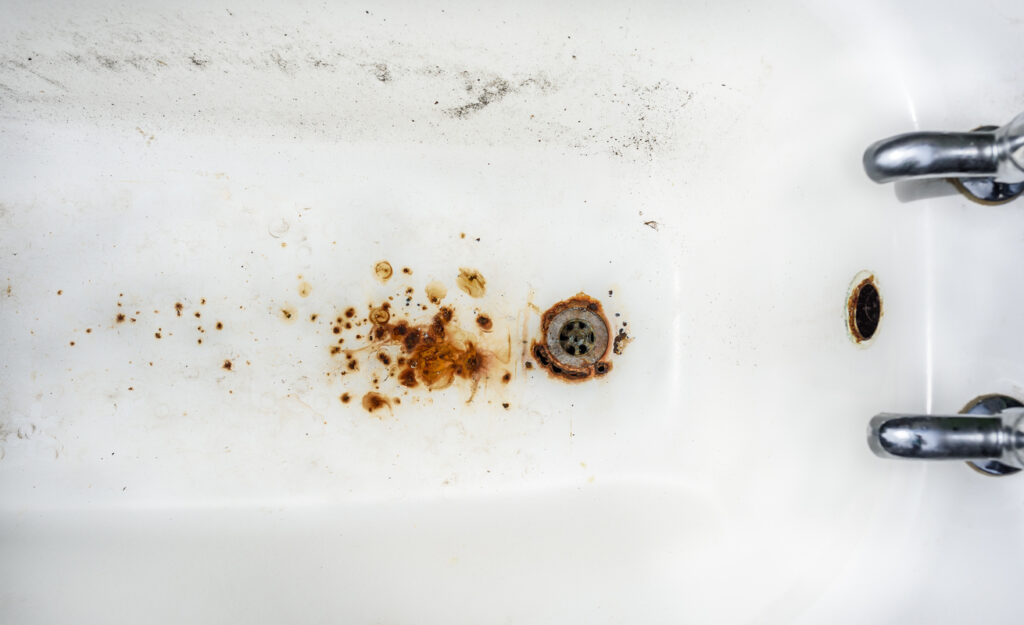
Rust is present when your bathtub material interacts with oxygen and water. The stains will develop over time, which will lead to corrosion and eventually material degradation if not treated. Refinishing applies a surface sealer or enamel to help prevent any excess material from reaching the bathtub material underneath. Rust is one of the most common signs that your tub requires maintenance.
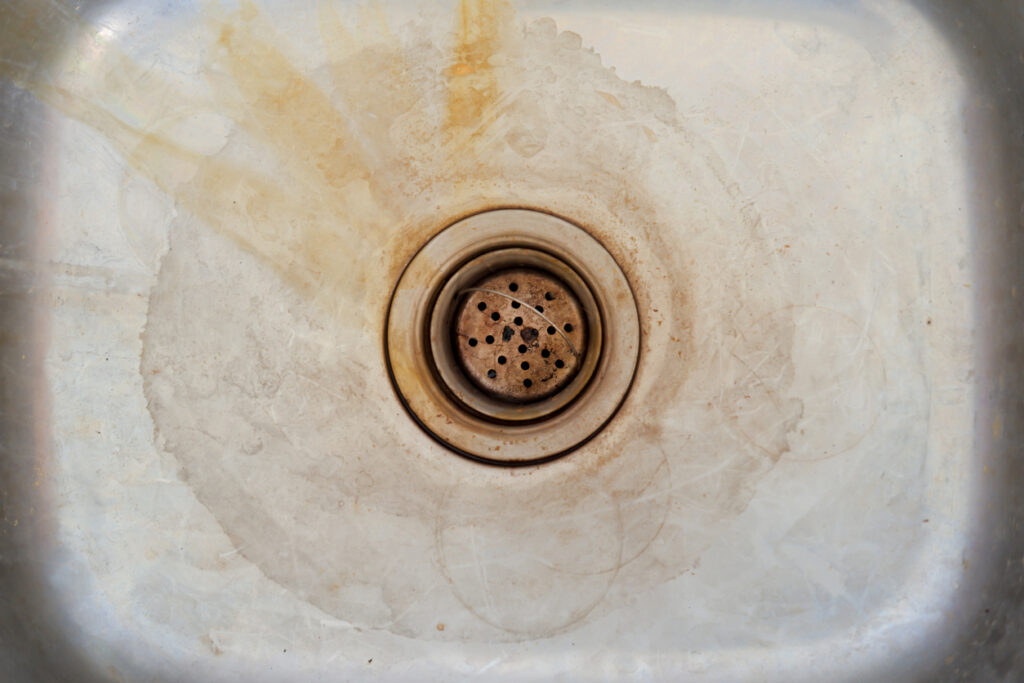
Paint will begin to chip through wear and tear and if any damage occurs to your tub. If your bathtub gets damaged, its easy for chipping to escalate and cause even more chipping over time so it’s important to restore and refinish it to prevent the problem from growing.
The discoloration is a result of time and use. While it is less urgent than the previous reasons, refinishing due to discoloration is just a great way to revitalize and restore an old bathtub. So if you notice a variation in color, then consider refinishing your tub.
Reglazing is a surface fix. It works when the problem is cosmetic. It doesn’t work when:
Structural cracks are present. A crack that goes through the body of the tub (not just the surface coating) will continue to flex and break the refinish coating. Reglazing over a structural crack is a temporary cosmetic fix at best — the crack will telegraph through within 1 to 2 years.
Rust has penetrated through the porcelain layer. Surface rust staining can be treated before reglazing. Rust that has eaten through the enamel into the cast iron substrate means the tub is structurally compromised. A reglaze will hold temporarily but the rust will continue spreading beneath it.
The tub has been reglazed multiple times already. A refinished surface can only be reglazed so many times before adhesion becomes unreliable. If the current surface is the second or third refinish layer, replacement is usually the better investment.
The tub is a stone resin or composite material. These materials are not compatible with standard reglazing compounds. Scratches and surface dullness on stone resin tubs should be addressed with manufacturer-recommended polishing compounds, not refinishing kits.
There are many homeowners who wrongly assume that bathtub reglazing is the same as bathtub refinishing, but these are very different processes for recovering the looks and functionality of your bathtub.
Bathroom refinishing is an affordable, quick process of restoring a bathtub by sanding down the surface and filling in the bathtub cracks or chipped areas. It is also known as recoating and resurfacing. Expect to pay a professional for bathroom refinishing services anywhere from $300 to $600.
To ensure a long lifespan of your bathtub, you will need to take proper care of it, and bathtub reglazing is one of the ways to achieve that. There are numerous benefits for homeowners who decide to reglaze their bathtubs.
A new bathtub can cost you up to several thousands of dollars, while reglazing your bathtub typically costs between $200 and $600. Buying a new bathtub makes sense once your old one is truly damaged and has been used for at least 10 to 15 years. However, getting rid of it because of shallow imperfections and smaller cracks makes no sense. Just by reglazing your existing bathtub, it will seem as if you bought a new one.
Bathtubs can last up to 20 years in your household, but only if taken care of. Making sure your bathtub is clean is only one of the requirements, but when it comes to stains, scratches, and cracks, you will want to reglaze it. This way, you will prevent the damage from growing bigger and causing a serious issue in the functionality of your bathtub. In addition to reglazing, consider installing a bathtub liner, which can provide an extra layer of protection against wear and tear. Understanding the bathtub liner lifespan explained will help you make informed decisions about maintenance and replacement schedules to ensure your tub remains in top condition. Regular inspections for any signs of deterioration can also help you address issues before they become significant problems.
Bathtubs can pose lead exposure risks, but this can be solved with proper bathtub reglazing. Over time, you might notice the broken lead in the tub’s glaze, which leads to the metal seeping into the water. Porcelain tubs are at increased risk of lead, so make sure your bathtub is reglazed where needed to protect yourself and your family members from any lead poisoning risk.
To properly care for a bathtub after the reglazing process, it is best to avoid abrasive cleaners. Abrasive cleaners such as steel wool, bleach or strong detergents will strip much of the protective qualities of the finishing paint, exposing your bathtub to the elements. This in turn will damage your bathtub over a long period of time as it does not have a protective layer. Instead, use non-abrasive cleaners such as mild detergents, soap and baking soda to clean your bathtub. Eventually, any chemical compound will erode the finish of your bathtub, but abrasive cleaners will erode your finish after 2-3 years, whereas non-abrasive cleaners will help your bathtub remain protected for at least 10 years. Additionally, keep moisture off of your bathtub. The biggest danger to a new or reglazed tub is excess moisture after use. Whenever possible, wipe your bathtub dry to ensure that water does not stain or erode the protective layer of your tub. For more detailed tips, refer to our guide on how to clean a bathtub.
The short answer: yes, with two conditions.
First: the tub is a good candidate. Cast iron and porcelain tubs in structurally sound condition with cosmetic surface issues (staining, chipping, discoloration) are ideal. Fiberglass tubs are worth reglazing if they’re less than 15 years old and the surface is intact. Stone resin, cracked, or previously reglazed multiple times — no.
Second: you go professional, not DIY. A $100 DIY kit lasts 2 to 3 years at most and often less. A $300 to $700 professional refinish lasts 10 to 15 years with proper maintenance and typically comes with a warranty. The cost-per-year math strongly favors professional work.
The comparison to replacement: A new mid-range acrylic tub installed runs $1,500 to $3,500 all-in. A professional reglazing runs $300 to $700. If your existing tub is cast iron or high-quality porcelain — materials that are expensive to replace and hold refinish well — reglazing is almost always the better financial decision.
The comparison to selling: A reglazed tub in good condition reads as clean and functional to buyers. A chipped, stained tub is a visible negative that buyers use to negotiate. The $400 to $700 spent on a professional reglazing before listing typically returns several times its cost in buyer perception alone.
When it comes to reglazing your tub, keep these things in mind to prevent any mishaps:
Reglazing your bathtub is a simple process that helps preserve the life of the bathtub. The process is simple but might be a bit overwhelming for first-time homeowners. Just take the proper precautions, ventilate your home and you can easily ensure that your bathtub lasts for another 10-15 years without having to spend money on a brand new bathtub and its installation costs.

Eric is the founder and president of Badeloft USA. He has been the president of Badeloft’s US division for over ten years and oversees all marketing and branding aspects of Badeloftusa.com.
His expertise lies in small business development, sales, and home and bathroom industry trends and information.
Contact us with any business related inquiries.
Badeloft is dedicated to helping homeowners make informed decisions about their bathrooms. We adhere to strict editorial guidelines to ensure our content is accurate, trustworthy, and useful.
Request free stone resin and stainless steel material samples. Delivered to your door.
“Best” means something different in every bathroom. The best freestanding bathtub for a 5×8 guest bath is a terrible pick
There’s a gap between what a freestanding bathtub listing tells you and what it actually feels like to share one.
The bathtub you choose will shape how you use your primary bathroom every day for the next two decades. Not
A freestanding bathtub is the most permanent aesthetic decision in a bathroom renovation. Get the selection right and it becomes
Request your free material sample below. By submitting, you agree to receive occasional product updates and offers from Badeloft. Unsubscribe anytime.
"*" indicates required fields
9 thoughts on “Bathtub Reglazing: How Long It Lasts, What It Costs, and When It’s Worth It”
I didn’t realize that you can increase the lifespan of your bathtub by 15 years if you have it reglazed professionally. My wife and I have noticed that our bathtub is starting to wear out since our children take baths every day, and we would like to have it refinished before we sell our house next year. We’ll hire a professional that will help us ensure that our bathtub lasts for a long time.
Glad we could help 🙂
How much does it typically cost tp reglaze a shower STALL?
How much does it cost to reglaze a bath
I just had my acrylic tub professionally reglazed but it came with the caveat that I cannot use a rubber suctioned cupped tub mat anymore. I’m in my 70’s and can’t afford a slip and fall without it when I take a shower. What do I do?
Just put a towel down and shower standing on it. I think that you will enjoy it even more than the plastic.
I ordered from Amazon a shower mat that is called a loofah shower mat. I feel perfectly safe. I highly recommend this.
I had my sink professionally reglazed about 3 yrs ago. It now has rust areas and the finish is flaking off in areas. This relaxing is expensive and I cannot afford to do it every 3yrs. Any suggestions? Thank you
I am a professional refinisher (15+ yrs). Most of your information is correct, except I have never heard of a professional refinisher rolling-on or painting-on a final coat with a brush. Everything is sprayed, and primers are rarely used anymore. The new urethanes finishes are sprayed after using a wipe-on primer. If the tub is properly prepared, these finishes will definitely last for 15 year or more.