
How to Choose the Best Freestanding Bathtub: Sizes, Materials, and Our Top Picks
“Best” means something different in every bathroom. The best freestanding bathtub for a 5×8 guest bath is a terrible pick
“Best” means something different in every bathroom. The best freestanding bathtub for a 5×8 guest bath is a terrible pick for a primary suite, and the best tub for a quick remodel is rarely the best tub to soak in every night for ten years. This guide walks through how to actually choose: the styles, sizes matched to real bathrooms, materials compared with numbers instead of adjectives, what tubs cost, and what installation involves.
Every freestanding tub purchase that goes wrong goes wrong the same way: the tub was chosen before the room was measured. Three measurements decide most of it: the floor area where the tub will sit, the width of every door and hallway between the street and that spot (the tub arrives in one piece), and the location of the existing drain rough-in.
As a rule of thumb, you want at least 4 inches of clearance on all sides for cleaning and faucet access. That means a 60″ tub really needs about 68″ of wall.
The call we get most often is from someone whose dream tub will not fit through the bathroom door. Measure the path before you fall in love with a tub: every doorway, the stair turn, the hallway. The tub does not bend.
Eric, Badeloft USA
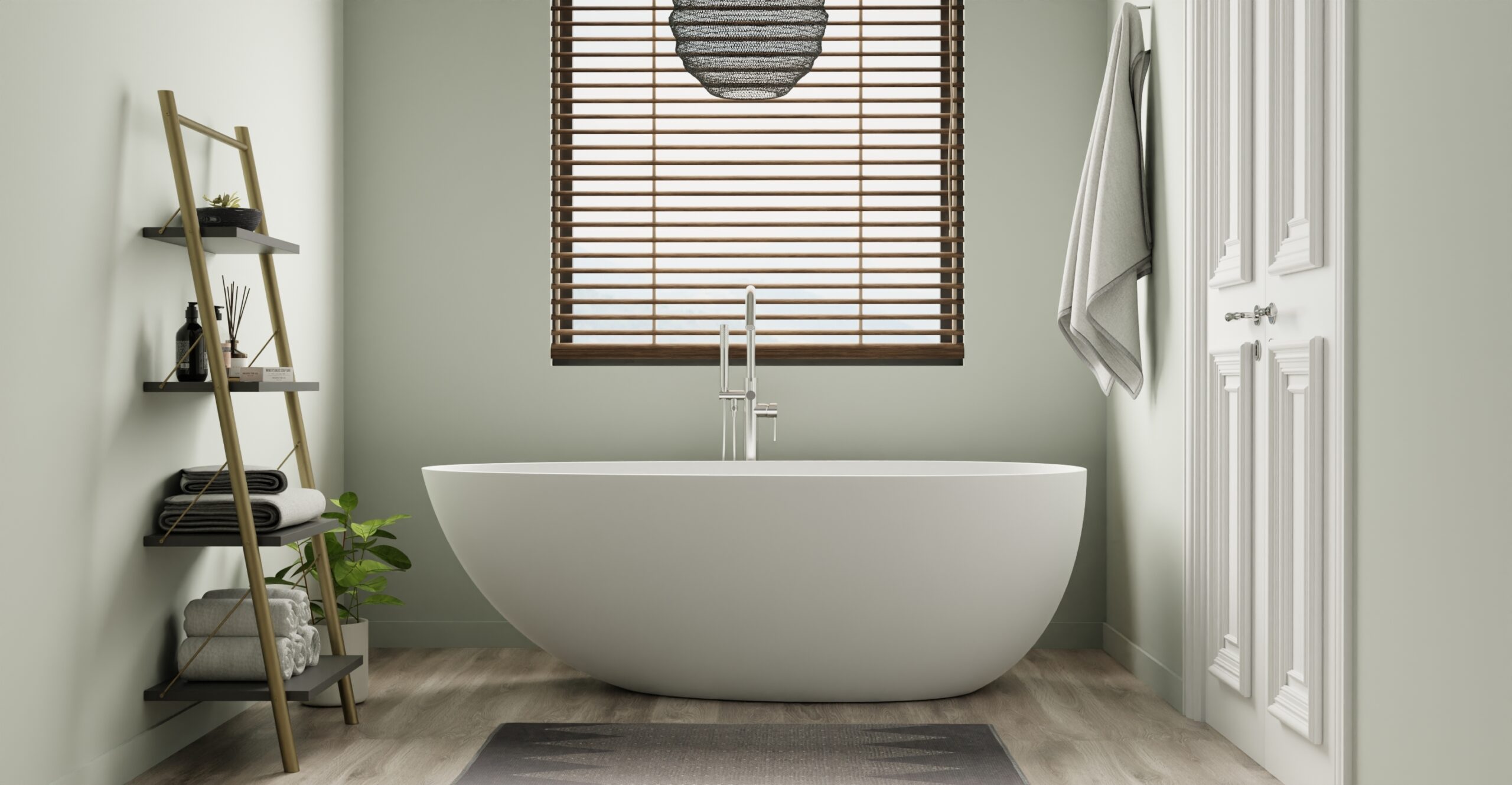
Both ends slope identically and the drain sits in the center, so you can recline at either end, or two people can share. This is the most versatile shape and the one most people picture when they think of a modern freestanding tub.
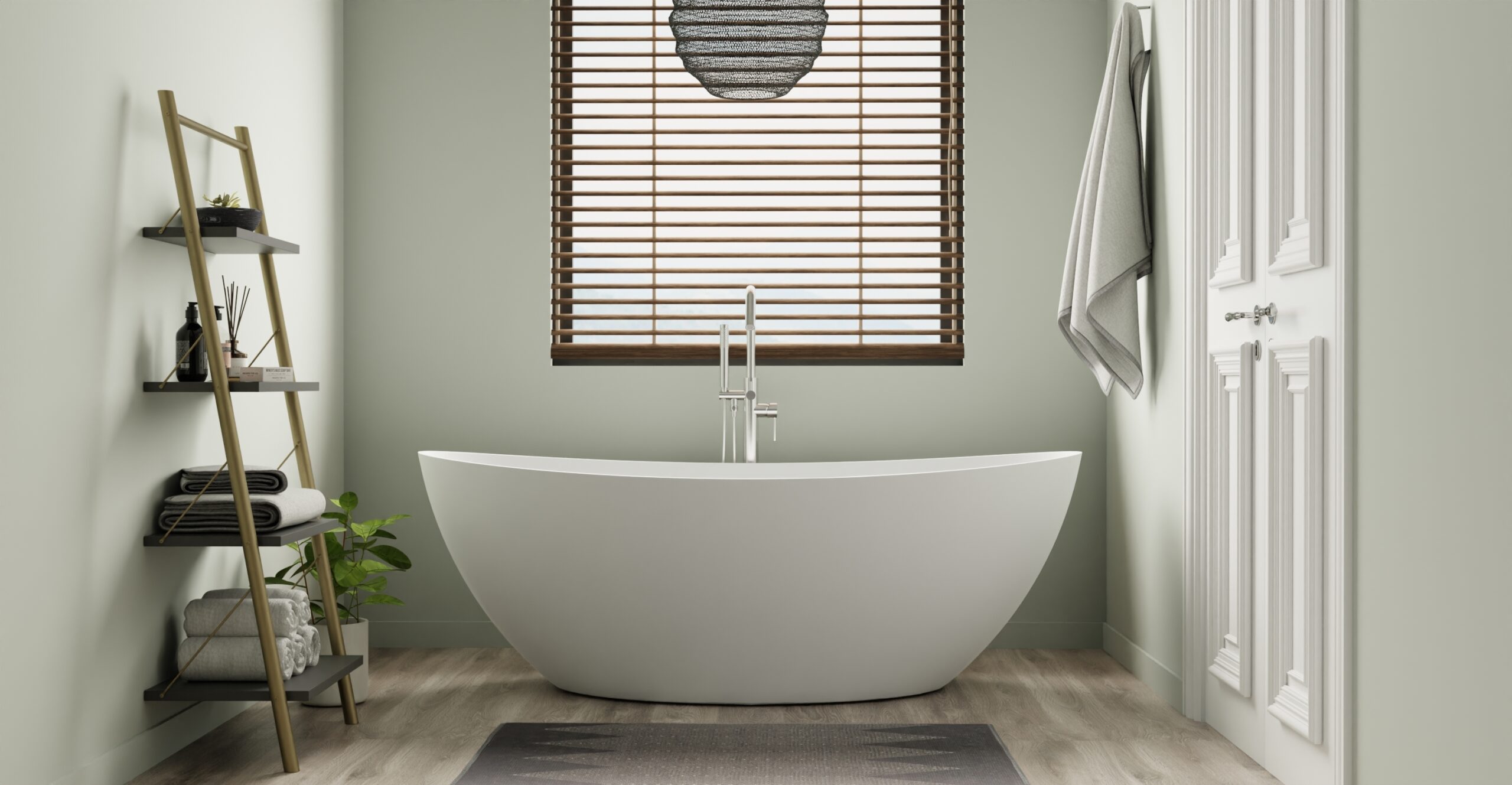
One end (or both, in a double slipper) rises higher to support your back and neck. The raised end makes long reading-in-the-bath sessions genuinely comfortable, at the cost of a more traditional look.

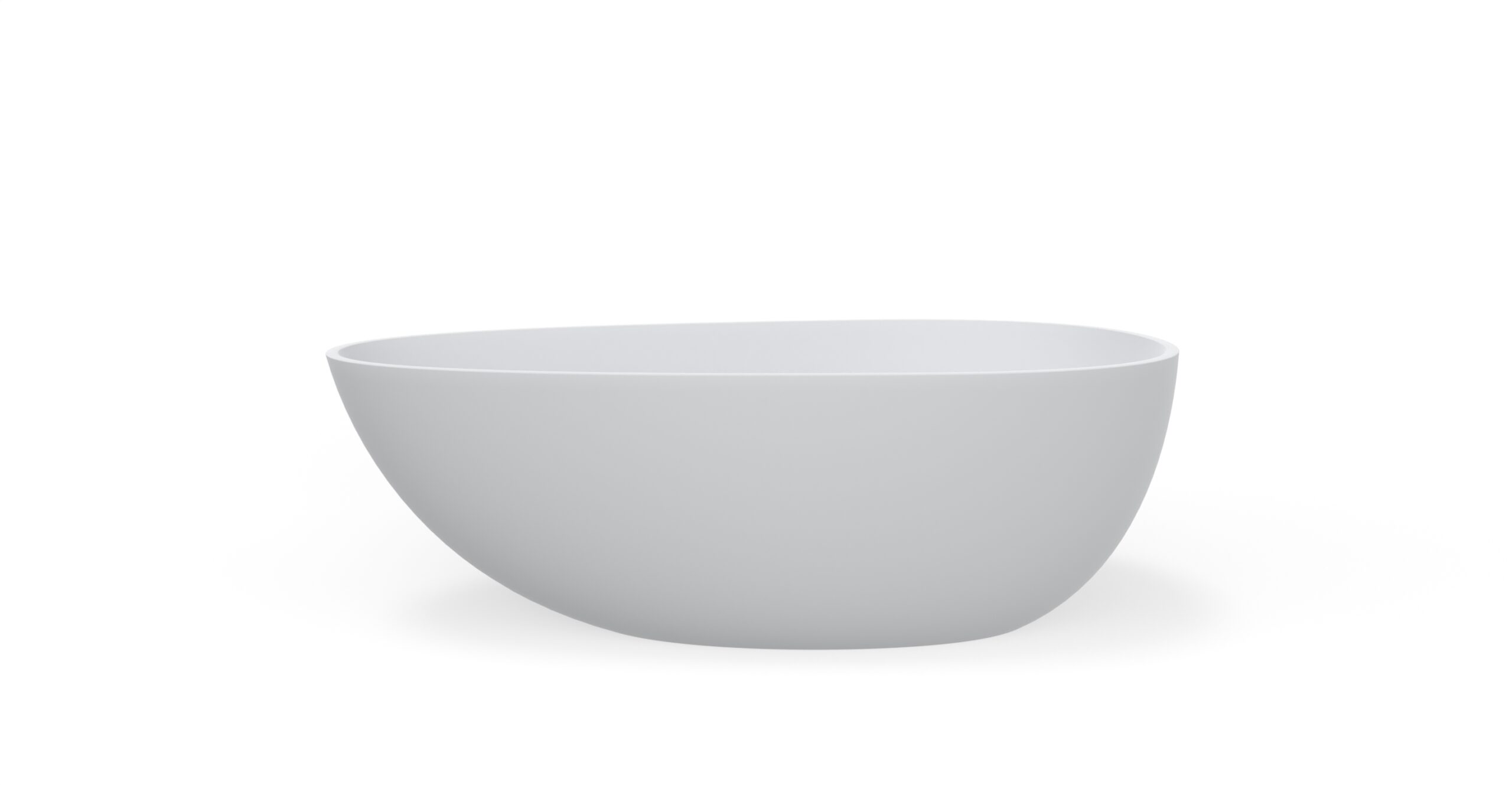
The tub sits directly on the floor or on a small integrated plinth, with no feet. Clean lines, easier cleaning underneath nothing, and the silhouette most contemporary bathrooms are designed around.
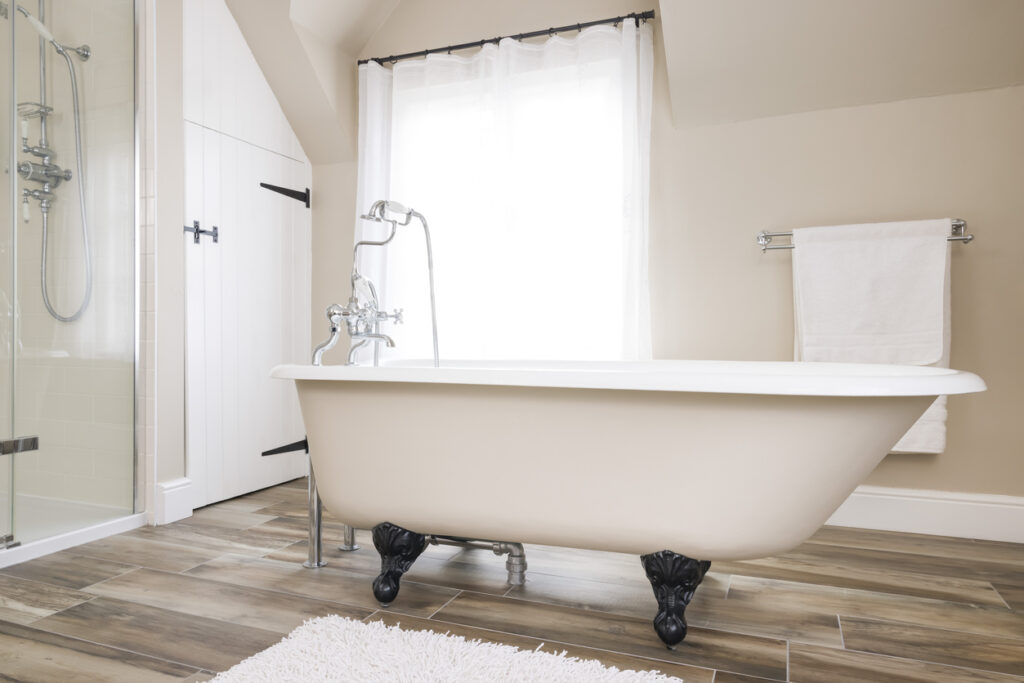
The Victorian classic, raised on four decorative feet. Beautiful in period homes, but the exposed underside collects dust, and most are cast iron, which makes delivery and floor loading serious considerations.
Short and very deep: you sit upright with water to your shoulders rather than reclining. The best choice when floor space is tight but you refuse to give up a real soak. More in our ofuro guide.
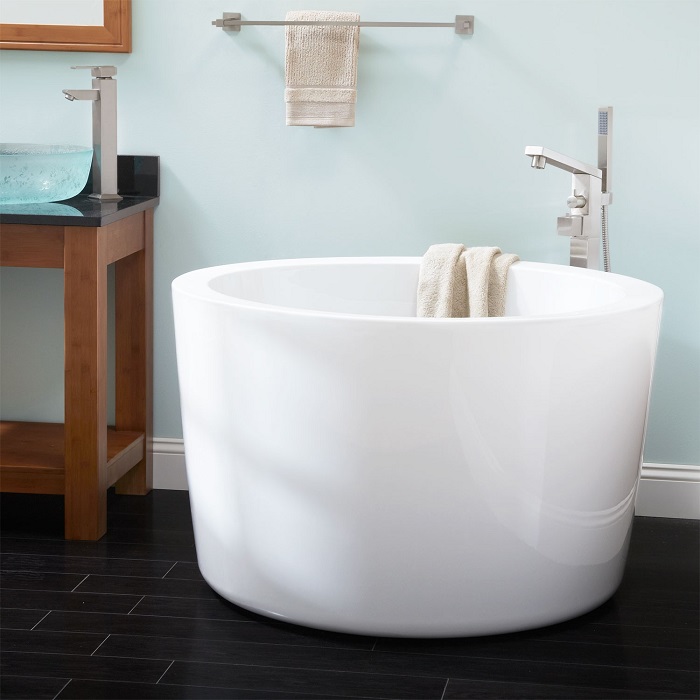
Deep, symmetrical, and paired with a deck- or floor-mounted filler beside the tub rather than wall plumbing. The freestanding version gives you the classical bathing posture without excavating the floor for a sunken install.
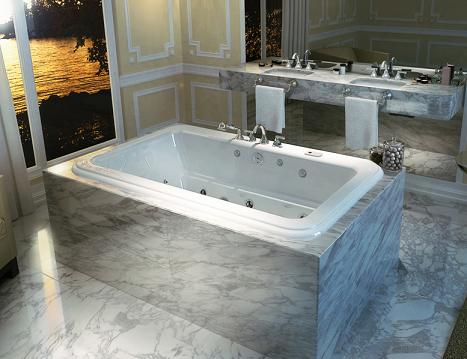
Freestanding tubs run from about 50 to 72 inches long. Here is how the common sizes map to real bathrooms:
| Tub length | Works in | Best for |
|---|---|---|
| 50–54″ | 5×8 and similar compact baths | Upright, deep soaking; one adult up to ~5’10″ |
| 59–60″ | Most standard bathrooms | The most popular size; fits the old alcove footprint |
| 65–67″ | Primary bathrooms | Full recline for most adults |
| 70–72″ | Large primary suites | Two-person soaking, full stretch |
If you are short on floor space, prioritize depth over length. A deep 54″ tub soaks better than a shallow 60″ one, because what matters is water over your shoulders, not inches past your feet. Our guide to bathtubs for small spaces covers compact layouts in detail.
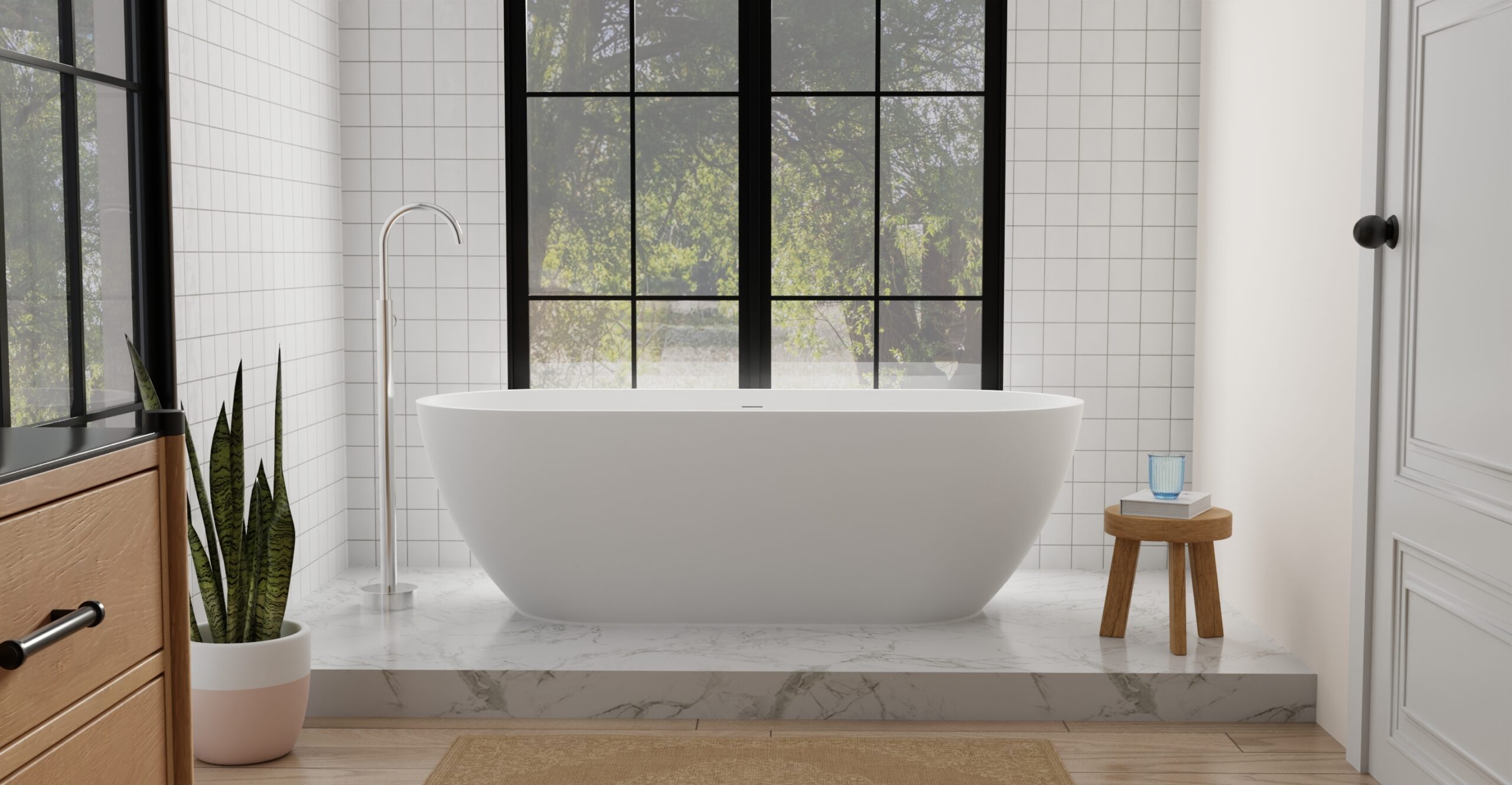
Spec sheets list overall height, but the number to find is water depth to the overflow drain, which is how deep your bath can actually be. Standard built-in tubs give you 12 to 14 inches. A good soaking tub starts at 15 and the deepest models pass 17. Two inches sounds trivial on paper; in the water it is the difference between a bath and a soak.
This is where most guides get vague, so here are the real trade-offs, including the materials we don’t make tubs from.
| Material | Typical price | Heat retention | Weight (60″ tub) | Lifespan |
|---|---|---|---|---|
| Acrylic | $800–$2,500 | Fair; cools fastest | ~100 lbs | 10–15 yrs; can scratch and yellow |
| Fiberglass | $500–$1,500 | Poor | ~70 lbs | 10–15 yrs |
| Stone resin | $2,500–$5,500 | Excellent; 2–3x acrylic | 250–400 lbs | 20+ yrs; color is solid through |
| Cast iron | $1,500–$5,000 | Excellent once warm; steals heat at first | 350–500 lbs | 50+ yrs; enamel can chip |
| Copper / specialty | $5,000–$15,000+ | Very good | varies | Generational, with upkeep |
The honest summary: acrylic is the budget pick and a fine one if you accept the shorter lifespan. Fiberglass is the entry point, best for rentals and rarely satisfying long-term. Cast iron is heirloom-grade but punishing to deliver and install. Stone resin sits in the middle on weight, holds heat the longest from the first minute, and the matte surface feels closest to stone. Copper is gorgeous and priced accordingly. The full breakdown is in our bathtub materials guide.
A freestanding tub is not harder to install than a built-in, but it is different. Four things to confirm before you order: the drain rough-in location (moving it is the expensive part), floor load for heavier materials (a filled stone resin or cast iron tub plus bathers can approach 900 lbs, fine for most modern framing but worth checking on older joists), faucet choice (freestanding floor-mounted or wall-mounted), and the delivery path. Our installation guide covers the drain system step by step, and the cost guide has realistic install pricing.
Maintenance varies more by material than most buyers expect. Acrylic wants non-abrasive cleaners only, since the gloss layer scratches. Cast iron enamel handles most cleaners but chips on impact, and a chip means rust. Stone resin is non-porous and needs nothing special: warm water, a soft cloth, and the occasional mild soap. Whatever the material, skip colored bath bombs in any tub you love.
For everyday soaking, stone resin offers the best balance of heat retention, durability, and feel. Acrylic is the budget pick; cast iron is the longest-lived but heaviest and hardest to install.
Measure first. 54–60″ for compact rooms, 67″ for most primary baths, 72″ when the bathroom is designed around the tub. Always leave 4″ of clearance per side.
Modern ones, yes: standard plumbing, easy cleaning on all sides, no surround to build. The horror stories mostly trace back to antique clawfoot tubs and undersized water heaters.
A quality tub runs $2,500–$5,500, installation typically $1,000–$3,500 depending on plumbing changes. Cheaper tubs exist; the compromise is usually heat retention and lifespan.
Fiberglass and acrylic, 10 to 15 years. Stone resin, 20 or more. Cast iron can outlive the house if the enamel survives. Material is the main variable, not brand.
In primary bathrooms, consistently. A freestanding soaker reads as a luxury upgrade to buyers, and bathrooms remain one of the highest-ROI remodels.
Measure your space, decide on depth, and order material samples before committing to any tub, ours or anyone’s. If you want to see what stone resin looks and feels like, our freestanding bathtub collection includes free material samples with every model.

Eric is the founder and president of Badeloft USA. He has been the president of Badeloft’s US division for over ten years and oversees all marketing and branding aspects of Badeloftusa.com.
His expertise lies in small business development, sales, and home and bathroom industry trends and information.
Contact us with any business related inquiries.
Badeloft is dedicated to helping homeowners make informed decisions about their bathrooms. We adhere to strict editorial guidelines to ensure our content is accurate, trustworthy, and useful.
Request free stone resin and stainless steel material samples. Delivered to your door.
“Best” means something different in every bathroom. The best freestanding bathtub for a 5×8 guest bath is a terrible pick
There’s a gap between what a freestanding bathtub listing tells you and what it actually feels like to share one.
The bathtub you choose will shape how you use your primary bathroom every day for the next two decades. Not
A freestanding bathtub is the most permanent aesthetic decision in a bathroom renovation. Get the selection right and it becomes
Request your free material sample below. By submitting, you agree to receive occasional product updates and offers from Badeloft. Unsubscribe anytime.
"*" indicates required fields