
Bathroom Tile Trends 2026: What’s Worth It, What Will Date Your Space, and What Changes When You Have a Freestanding Tub
If you’re mid-renovation or about to start one, you’ve probably spent more time than you expected staring at tile samples.
A sunken bathtub is one of the most transformative decisions you can make for a bathroom. It’s also one of the most misunderstood. The photos are everywhere, marble-clad, flush with the floor, glowing in candlelight, and they make it look effortless. It rarely is. After years of designing and supplying premium sunken bathtubs, we’ve seen what works, what gets overlooked in the planning phase, and what buyers consistently wish someone had told them before they committed. This guide covers all of it.
A sunken bathtub, sometimes called a recessed, in-floor, or drop-in tub, is installed below the finished floor level so that the rim sits flush with or just at the surrounding surface. Unlike a freestanding tub, which sits on your floor, a sunken tub is built into the bathroom structure.
There are three main configurations:
The distinction matters before you talk to any contractor. “Sunken bathtub” means different things to different people — and different configurations require entirely different structural solutions.
Sunken bathtubs have a distinctive look and feel that set them apart from traditional tubs. Below are some of the key features that define this luxurious fixture and contribute to its growing popularity in modern bathroom design:
A sunken tub makes sense if you’re doing a full bathroom remodel or building new, not retrofitting into an existing finished bathroom. It works best when your home is on a concrete slab or when you’re working with a structural engineer on a framed floor. You’ll want at least 60″ x 32″ of clear floor space, ideally more. And you should be someone who actually bathes regularly, not occasionally, because the investment only pays off if the experience is part of your life.
Think carefully before committing if you’re planning to rent the property (sunken tubs require safety considerations that not all tenants will manage), if young children will use the bathroom unsupervised, or if you’re planning to sell within two to three years. The resale impact is more neutral than the design press suggests. Some buyers see it as a feature, some see it as a complication.
Don’t do it if you’re doing a surface renovation. Tile, fixtures, and paint don’t make a sunken tub possible structural work does, and there’s no shortcut. And don’t do it with a contractor who’s never installed one before. Experience matters more here than almost anywhere else in a bathroom project.
A sunken bathtub consists of several essential components that ensure its functionality, safety, and seamless integration into your bathroom design. Understanding these parts helps you plan for installation and maintenance while enhancing your overall bathing experience.
Proper placement and design prevent water pooling and support the seamless tub operation.
The recessed vessel is designed to hold water for bathing.
It is available in various materials, such as acrylic, stone resin, cast iron, or fiberglass, and offers durability, heat retention, and aesthetic versatility.
The fixture that supplies water to the bathtub.
Options include floor-mounted, wall-mounted, or integrated faucets, depending on the tub’s layout and plumbing design.
The edge surrounding the bathtub, provides a clean transition between the tub and the bathroom floor.
Often finished with materials like tile, marble, or wood for a polished look.
Built-in steps or a sloped entry that ensures safe and easy access to the tub.
Typically designed with anti-slip surfaces or integrated lighting for added safety and functionality.
The network of pipes and drains ensures efficient water flow out of the tub.
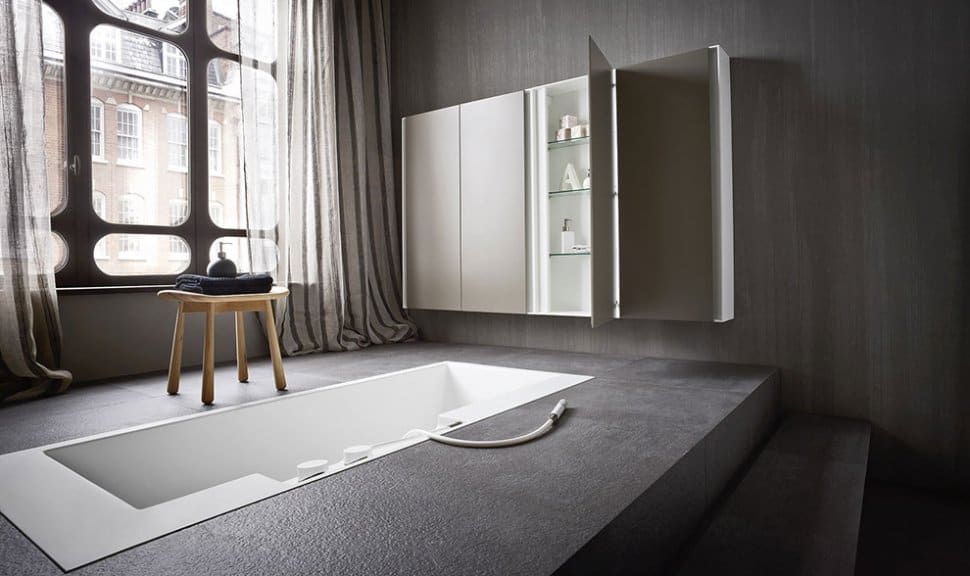
Beyond the three installation configurations, sunken tubs come in several distinct styles:
The most common choice. Clean lines, efficient use of space, pairs well with contemporary tile work. Available in standard sizes up to 72″ x 36″ and beyond.
Softer aesthetic, often associated with spa and resort design. Works beautifully in larger bathrooms where the shape has room to breathe.
Uses a corner of the bathroom efficiently. Often paired with step-down platforms on two sides, which also adds useful shelf space.
Symmetrical design with a central drain. Ideal for two bathers. Requires more floor space and careful drain placement planning.
A compact, deep-soak design that’s entirely different in purpose and proportion from a Western sunken tub. Covered in full below.
“Sunken soaking tub” gets searched independently, and for good reason: it’s a meaningfully different product that requires a different kind of planning.
A standard sunken bathtub is typically 14–18 inches deep. A soaking tub, whether freestanding or sunken- is designed for deeper immersion, usually 22–27 inches deep. When you sink a soaking tub into the floor, you get the deepest, most immersive bathing experience a residential bathroom can offer. If that’s what you’re after, it’s worth specifying deliberately.
Here’s what changes at that depth:
If the bath experience is the reason you’re buying, specify a soaking tub deliberately — don’t just pick a deep tub and drop it in a well and assume the outcome will be the same.
Sunken bathtubs are popular for homeowners looking to combine style and functionality in their bathrooms. These tubs are recessed into the floor or a platform, creating a sleek and seamless look that enhances the overall design of a space. However, sunken bathtubs have benefits and drawbacks as with any design choice. Below, we’ve outlined the pros and cons of sunken bathtubs to help you decide if this style fits your home.
| Pros | Cons |
| Seamless bathroom aesthetic | Long install time |
| Luxurious aesthetic | Can be a tripping hazard |
| Easy entry and exit | A permanent fixture, making it less flexible for future remodels/alterations |
| Popular for resale value | More expensive to replace compared to other bathtub types |
| More affordable than other bathtub types | |
| Easy to clean and maintain |
This table highlights the key advantages and disadvantages of sunken bathtubs. By considering these factors, you can make an informed decision about whether a sunken tub aligns with your bathroom design goals and practical needs.
Sunken bathtubs are a timeless choice for creating a luxurious and spa-like atmosphere in any bathroom. Unlike traditional bathtubs, sunken tubs are recessed into the floor or a built-up platform, blending seamlessly with the surrounding design. They come in a variety of sizes to accommodate different bathroom layouts, from compact models for small spaces to expansive options for large, opulent bathrooms. Below, we’ve categorized sunken bathtub sizes into small, medium, and large to help you choose the perfect fit for your space.
Small sunken bathtubs are ideal for bathrooms with limited space, offering comfort and functionality without overwhelming the layout.
| Size (inches) Description | Compact, rectangular design for tight spaces. |
| 45 × 30 | Slightly longer for added comfort. |
| 46 × 30 | Narrow and elongated for smaller bathrooms. |
| 47 × 30 | Standard small size with a sleek rectangular shape. |
| 48 × 30 | Offers extra legroom without taking up too much space. |
| 41 × 41 | Square-shaped, ideal for unique bathroom designs. |
| 63 × 30 |
Medium-sized sunken bathtubs strike a balance between space efficiency and comfort, making them a versatile choice for many bathrooms.
| Size (inches) | Description |
| 57 × 30 | Elongated design for moderate spaces. |
| 58 × 30 | Provides extra room for a relaxing soak. |
| 59 × 30 | Sleek, standard medium size. |
| 60 × 30 | Popular option for most bathrooms, offering ample room. |
| 61 × 30 | Slightly extended for additional comfort. |
| 62 × 30 | Great for medium to larger spaces. |
| 63 × 30 | Stylish and functional, offering a luxurious feel. |
Large sunken bathtubs are perfect for spacious bathrooms, providing an indulgent soaking experience and making a bold design statement.
| Size (inches) | Description |
| 70 × 32 | Extra-long and wide for maximum comfort. |
| 71 × 34 | Adds generous space for a deep, relaxing soak. |
| 72 × 34 | Standard large size with a sleek, modern look. |
| 73 × 34 | Slightly extended for a luxurious bathing experience. |
| 74 × 35 | Designed for ultimate relaxation in expansive bathrooms. |
| 75 × 36 | Oversized for a true spa-like feel. |
These tables provide a clear breakdown of sunken bathtub sizes, helping you choose the ideal option for your bathroom’s layout and style. Whether you’re designing a compact retreat or a grand bathing oasis, there’s a sunken tub size to suit your needs.
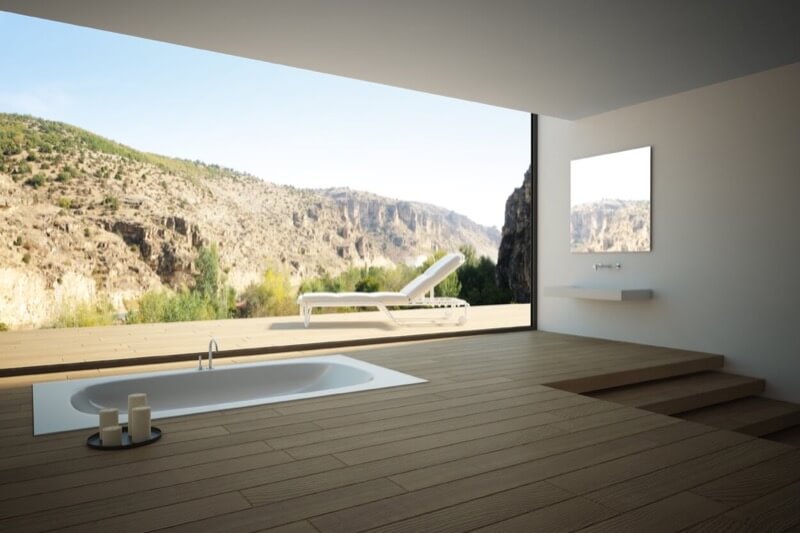
Steps are not just aesthetic. For many installations, they’re driven by structural necessity — and the design decisions around them matter more than most people realize.
Steps are required in semi-sunken installations on framed floors where full excavation isn’t structurally viable. They’re also common on second-floor bathrooms, where full floor recessing requires significant structural modification and a step-down platform is the practical solution. In some cases, floor height changes needed to accommodate plumbing depth make a step the only workable approach.
Steps become a design choice in fully sunken installations where a rim ledge is added for visual drama and easier entry, or where the step doubles as a seat, shelf, or towel ledge.
What the step design decisions actually come down to:
The most common mistake in step design: optimizing for the photo, not for daily use at 6 AM. Those are two very different experiences.
This is one of the most searched configurations and one of the most misunderstood. The design appeal is real — a sunken tub with an overhead shower creates a multi-use wet room feel that eliminates the need for a separate shower enclosure. In the right space, it’s genuinely striking. But the specifics determine whether it actually works.
Our honest take: if you shower every day and bathe occasionally, design a dedicated shower and let the sunken tub do what it does best — provide a deeply immersive soak. The combo is the right solution for the right context, not a universal upgrade.
The cost of a sunken bathtub can vary widely depending on the materials, labor, and custom installation required. Because these tubs are built into the floor, they tend to be more expensive than standard bathtub installations.
Several variables can impact the total cost of a sunken bathtub installation:
Sunken bathtubs bring both style and functionality to any bathroom, offering several unique advantages that make them a standout choice for homeowners. By being recessed into the floor, these tubs create a seamless and luxurious experience while maximizing space and comfort. Below are the key benefits of installing a sunken bathtub and how they can elevate your bathroom design.
One of the standout benefits of a sunken bathtub is its ability to blend effortlessly into your bathroom’s design.
Sunken bathtubs exude elegance, transforming your bathroom into a spa-like retreat.
Because they are built into the floor, sunken bathtubs can make your bathroom feel more open and spacious.
The floor-level design of sunken bathtubs makes them more accessible compared to traditional raised tubs.
Regardless of the size or material, a sunken bathtub has the ability to transform the simplest designs into something extraordinary.
Sunken bathtubs are more than just functional fixtures; they are transformative design elements that bring luxury, space efficiency, and style to your bathroom. Whether you’re aiming for a seamless aesthetic, increased functionality, or a spa-like experience, a sunken bathtub can be a game-changing addition to your home.
Installing a sunken bathtub requires careful planning, precision, and attention to detail. Unlike traditional bathtubs, sunken bathtubs are recessed into the floor, creating a seamless and luxurious look. Below is a step-by-step guide to ensure your installation process is smooth and successful.
Before beginning installation, choose where the sunken bathtub will be installed and determine the bathtub size that fits your space.
Since a sunken bathtub is integrated into your home’s structure, the quality of your flooring and subfloor material is critical.
Sunken bathtubs require extra floor space compared to traditional tubs because they are recessed into the floor.
Prepare the site by removing any obstacles that could interfere with the installation.
Unlike traditional bathtubs, sunken tubs lack built-in structural support, so a sturdy frame is essential.
You’re ready to install the bathtub once the site is prepared and the frame is built.
One of the defining features of a sunken bathtub is its seamless integration with the floor.
Once the bathtub is installed and level, complete the finishing touches.
Following these steps, you can achieve a professional-quality sunken bathtub installation that enhances your bathroom’s functionality and aesthetic appeal. If you’re unsure about any part of the process, consulting a contractor or professional installer is highly recommended to ensure safety and accuracy.
Maintaining your sunken bathtub can be tricky, so here are a few helpful hints before starting this project:
Like with any bathtub, it is best to maintain your bathtub at least once a week. You want to clean the area around your bathtub regularly to avoid any mildew or mold deposits. In the case of sunken bathtubs, you want your contractor to build access to the pipes below as it is very easy for an undetectable leak to sprout.
The more access you have to the area below, the easier your life will be. If an issue arises, you will need to remove the tub from the surround and determine the cause of the problem, which can grow to be quite costly and messy down the line, so plan ahead and have your contractor build as many access points to your bathtub below.
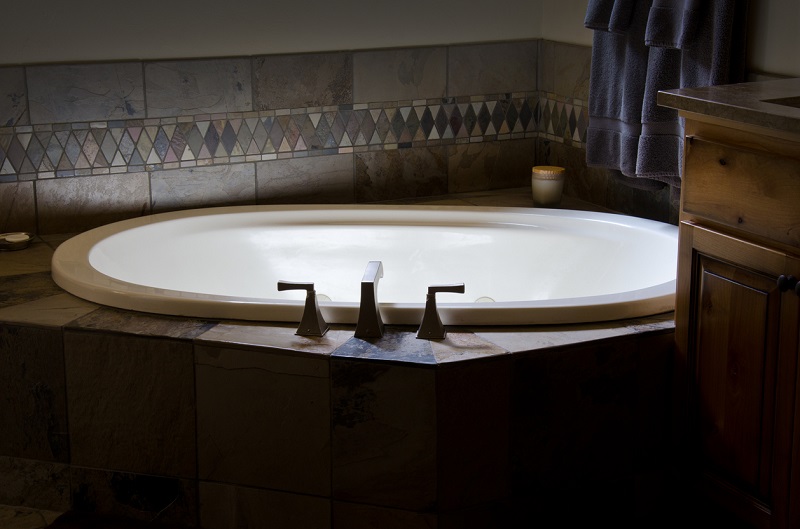
It probably is if you’re doing a full remodel or new build, the bath experience is something you genuinely want to invest in, and you’ve thought through the structural realities with the right contractor lined up.
It’s probably not if you’re making a surface-level change and hoping a sunken tub will transform the room without the structural commitment — or if the primary motivation is resale value. A well-executed sunken tub won’t hurt your home’s value, but it won’t be your best ROI play either.
The buyers who are most satisfied with their sunken tubs are the ones who bought for themselves, planned the installation properly, and treated the surrounding design as part of the same project from the start. The tub and the room succeed together, or they don’t fully succeed at all.
Browse our sunken bathtub collection to see available configurations by size, material, and installation type — or reach out if you want guidance on what works for your specific space. We’ve helped enough customers through this decision to know the right questions to ask.

Eric is the founder and president of Badeloft USA. He has been the president of Badeloft’s US division for over ten years and oversees all marketing and branding aspects of Badeloftusa.com.
His expertise lies in small business development, sales, and home and bathroom industry trends and information.
Contact us with any business related inquiries.
Badeloft is dedicated to helping homeowners make informed decisions about their bathrooms. We adhere to strict editorial guidelines to ensure our content is accurate, trustworthy, and useful.
Request free stone resin and stainless steel material samples. Delivered to your door.
If you’re mid-renovation or about to start one, you’ve probably spent more time than you expected staring at tile samples.
Getting the drain size wrong on a freestanding bathtub is one of those installation mistakes you don’t discover until the
Bathroom storage fails the same way every time: it gets planned last. By the time the tiles are in and
A waterfall faucet is one of the most visually compelling fixtures a bathroom can have. It’s also one of the
Request your free material sample below. By submitting, you agree to receive occasional product updates and offers from Badeloft. Unsubscribe anytime.
"*" indicates required fields