
Why Homeowners Are Rethinking the Traditional Tub-Shower Setup in 2026
The modern residential landscape is currently undergoing a profound architectural and psychological shift, moving away from the utilitarian “all-in-one” bathroom
A well-designed bathroom begins long before fixtures are selected or materials are introduced. It starts with understanding the space itself. The size and type of bathroom you plan will influence everything that follows, from layout and proportions to how the room functions within the home.
Full, three-quarter, and half bathrooms each serve a distinct role. The differences may seem subtle, but they shape how the space is organized and how comfortably it works for the people using it.
Understanding these distinctions is an important first step when planning a new bathroom or refining an existing layout. When the dimensions and layout are considered with care, the result is a space that feels balanced, purposeful, and thoughtfully integrated into the home.
In today’s single-family homes,having two or more full bathrooms has become the norm, with a significant share of new builds now including three or more. Not all bathrooms are designed for the same purpose, however. The difference between a full, three-quarter, and half bathroom comes down to the fixtures included and the space required to accommodate them comfortably. Below is a closer look at how each bathroom type is defined.
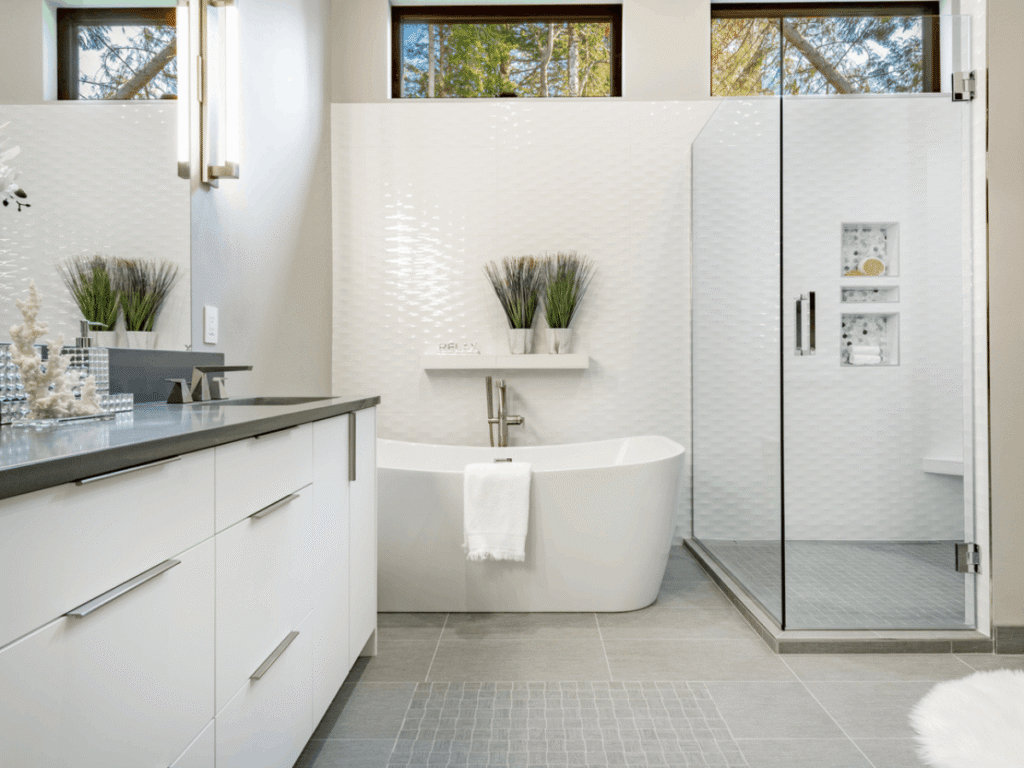
A full bathroom includes four essential fixtures: a sink, toilet, bathtub, and shower. In many homes, the bathtub and shower are combined, while larger layouts may separate the two to create a more open bathing area. Because it supports both bathing and showering, a full bathroom is typically designed for primary living spaces or family use.
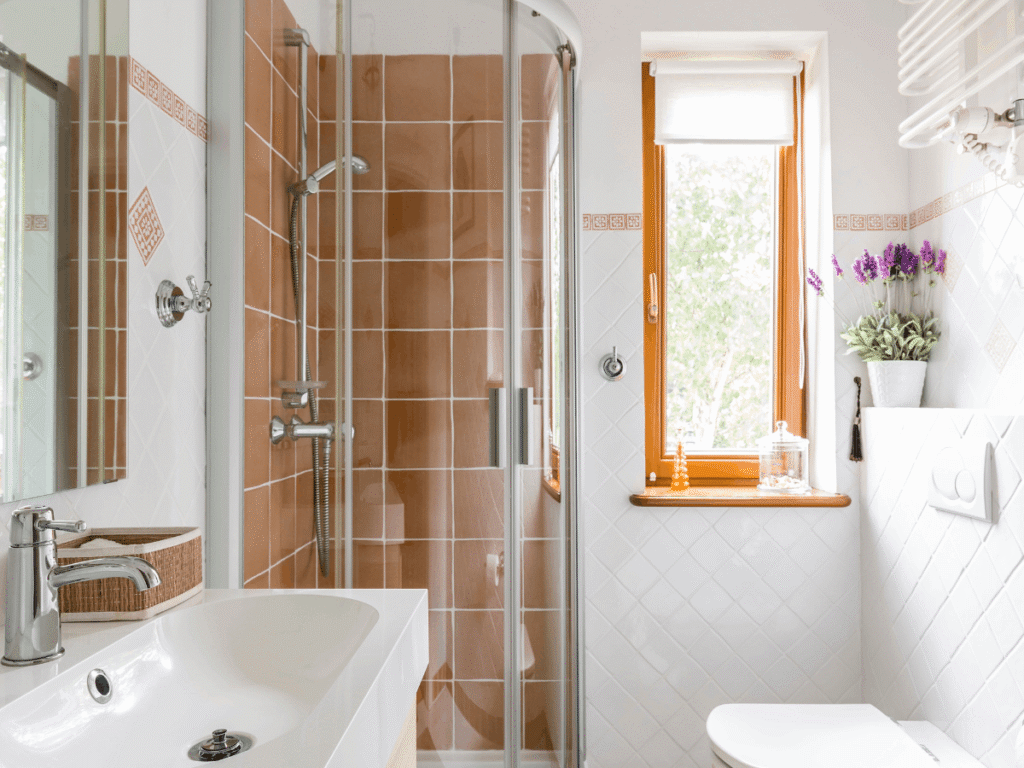
A three-quarter bathroom contains three of the four primary fixtures, most commonly a sink, toilet, and shower. Without the bathtub, the layout becomes more space-efficient while still offering a complete bathing space. These bathrooms are often used for guest rooms, secondary bathrooms, or homes where showers are preferred.
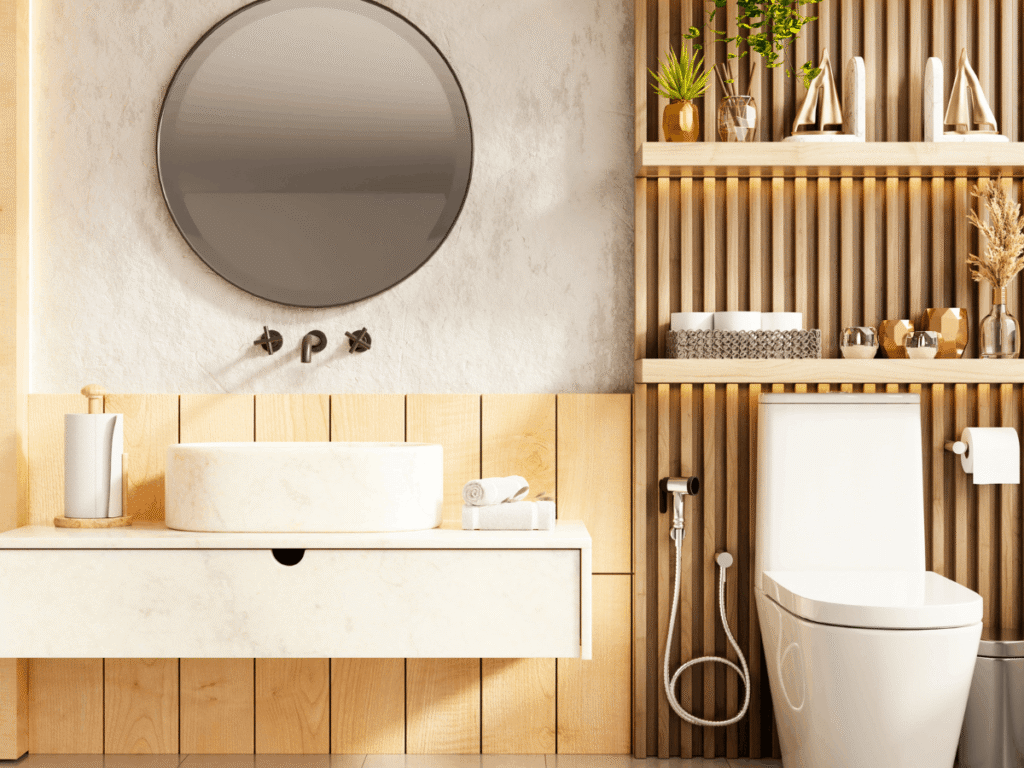
A half bathroom includes only a sink and toilet. Often referred to as a powder room, it is typically designed as a compact and convenient space for guests. These bathrooms are commonly located near living areas, entryways, or hallways where accessibility matters more than bathing functionality.
These differences ultimately shape how a bathroom is planned, used, and experienced within the home.
Bathrooms are typically categorized by the fixtures t
hey include and the amount of space required to accommodate them comfortably. While the differences between full, three-quarter, and half bathrooms may seem subtle at first, each type serves a distinct purpose within the home.
In 2025, 50% of homeowners are seeking larger, spa-like bathrooms, reflecting a growing emphasis on comfort, space, and thoughtful design. The following sections take a closer look at each bathroom type, including the fixtures they contain, typical dimensions, and the considerations that shape how these spaces are planned.
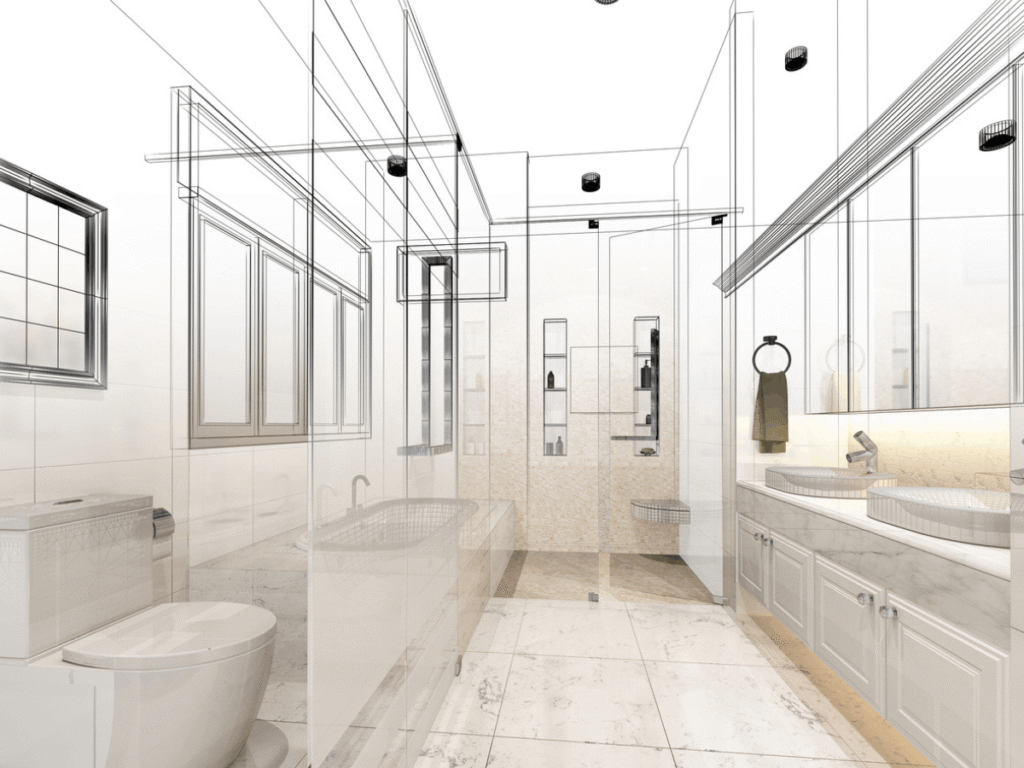
A full bathroom offers the most flexibility in terms of layout and daily use. Because it accommodates both bathing and showering, the space often requires thoughtful planning to ensure the fixtures fit comfortably while maintaining a balanced and functional layout.
Fixtures Included: Sink or vanity, toilet, bathtub, and shower. In smaller layouts, the bathtub and shower are often combined into a single unit to conserve space.
Typical Dimensions Full bathrooms vary in size depending on the home and layout, but most fall within the following ranges:
Larger bathrooms can accommodate features such as double vanities, freestanding bathtubs, or separate walk-in showers.
Size Requirements: To function comfortably, a full bathroom needs enough space to accommodate all four fixtures while maintaining proper circulation between them. Compact layouts often place fixtures along shared walls to maximize space efficiency, while larger bathrooms allow greater separation between elements for a more open layout.
Functionality: A full bathroom supports a complete bathing routine, offering both showering and soaking options.
Best For: Primary bathrooms, family bathrooms, and homes where both bathing and showering are part of daily routines.
Average Cost: Because of the number of fixtures and plumbing requirements, full bathrooms generally have the highest renovation costs. Remodeling projects often begin around $13,000–$15,000, while larger or more design-forward spaces may reach $20,000–$30,000 or more, depending on materials and layout.
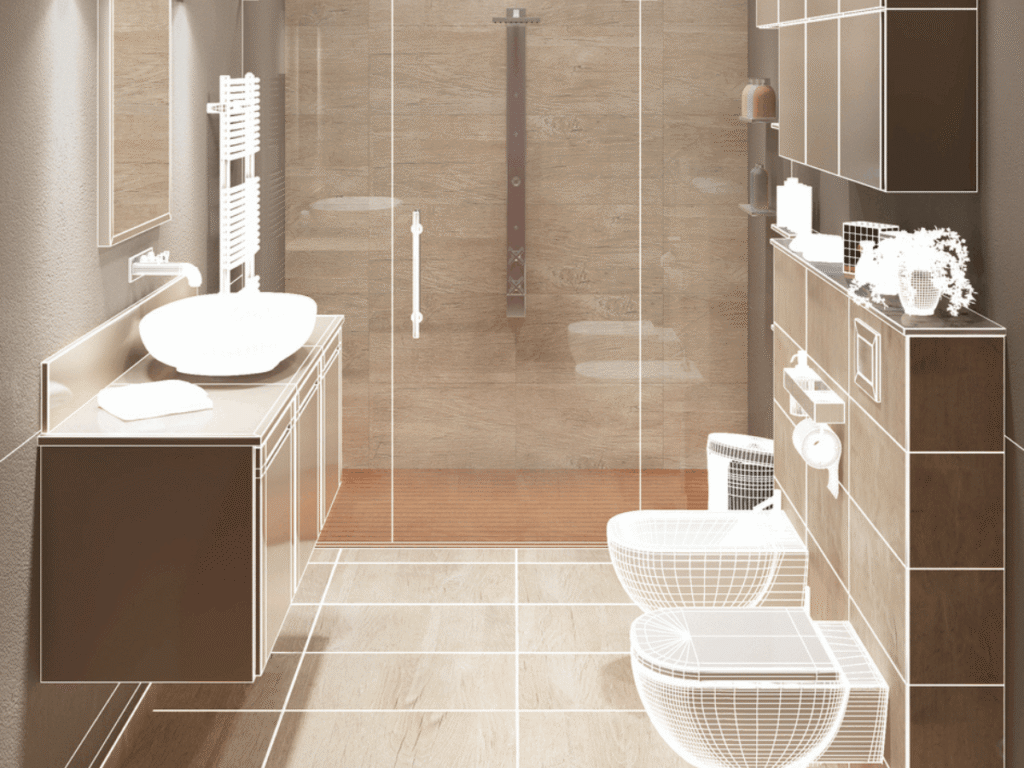
A three-quarter bathroom is designed to deliver the essential elements of a bathing space while using less square footage than a full bathroom. By prioritizing efficiency, this layout offers a practical balance between functionality and space, making it a common choice for guest areas and secondary bathrooms.
Fixtures Included: Sink or vanity, toilet, and shower. Unlike a full bathroom, a three-quarter bathroom does not include a bathtub.
Typical Dimensions: Three-quarter bathrooms generally require less space than full bathrooms, making them a flexible option for many floor plans.
Minimum: 32–35 sq ft
Average: 40–50 sq ft
These layouts are often designed to fit efficiently within guest suites, secondary bathrooms, or compact living spaces.
Size Requirements: To function comfortably, the layout must accommodate three fixtures while maintaining clear circulation within the room. Compact planning often positions the shower along one wall, with the vanity and toilet arranged nearby to maximize usable space.
Functionality: A three-quarter bathroom provides a complete showering space while maintaining a smaller footprint than a full bathroom.
Best For: Guest bathrooms, secondary bathrooms, basement bathrooms, and homes where showers are preferred over bathtubs.
Average Cost: Because they include fewer fixtures than a full bathroom, three-quarter bathrooms generally cost less to remodel. Renovation projects typically range from $5,000–$9,000, depending on the materials, layout, and design choices.
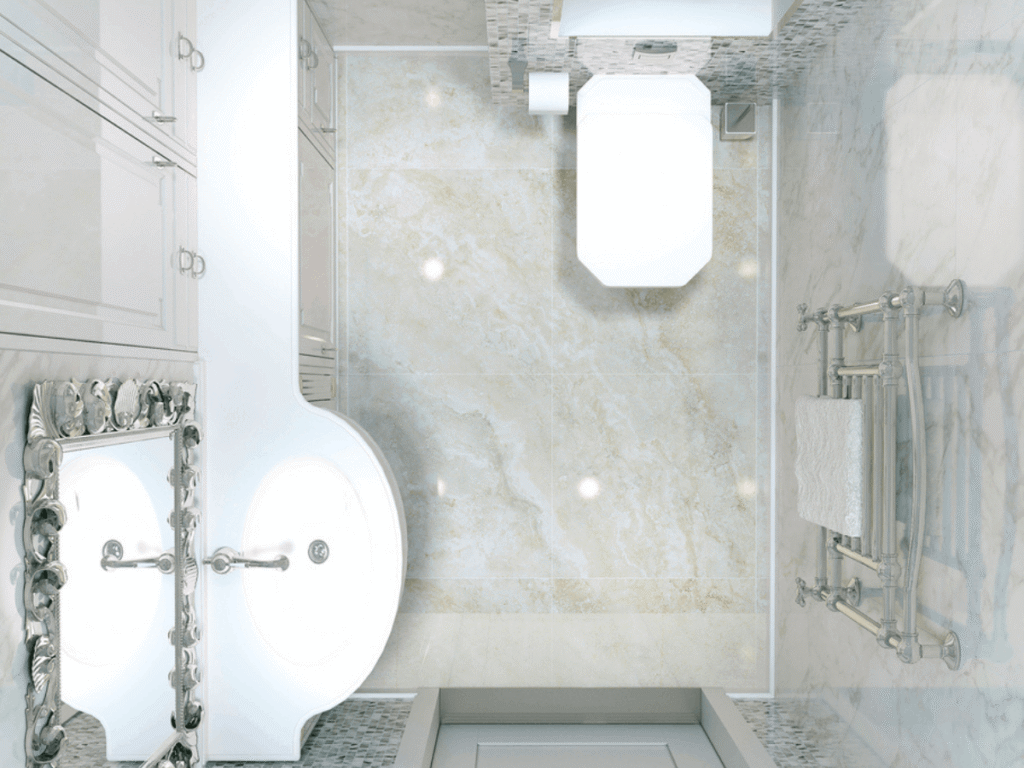
A half bathroom is designed for convenience rather than bathing. Often referred to as a powder room, it provides a compact and accessible space for guests and shared living areas, allowing homeowners to add functionality without requiring significant square footage.
Fixtures Included: Sink or vanity and toilet. Unlike full and three-quarter bathrooms, powder rooms do not include a bathtub or shower.
Typical Dimensions: Because they contain fewer fixtures, half bathrooms require the least amount of space.
Size Requirements: Even in a compact footprint, the layout must allow enough room for comfortable movement and proper spacing between fixtures. Powder rooms typically place the toilet along one wall with a small vanity or sink nearby to maximize usable space.
Functionality: A half bathroom provides a convenient space for handwashing and quick visits without the need for bathing fixtures.
Best For: Guest bathrooms, entryways, hallways, and shared living areas where accessibility and convenience are priorities.
Average Cost: Because powder rooms contain fewer fixtures and simpler plumbing requirements, they are typically the most affordable bathroom type to renovate. Remodeling costs often start around $2,000–$4,000, depending on the materials and design choices.
While each bathroom type serves a different purpose, the right choice ultimately depends on how the space will be used and how it fits within the overall layout of the home.
Bathroom renovations often recover roughly 60–70% of their cost, and many homeowners see them as an investment in long-term home value. Choosing the right bathroom size goes beyond simply fitting fixtures into a room. The layout should support how the space will be used, who will use it, and how it fits within the overall design of the home. A well-planned bathroom balances function, comfort, and available square footage.
Here are a few considerations that can help guide the decision.
The number of people living in the home often influences the type of bathroom that works best. Larger households typically benefit from full bathrooms that support both bathing and showering, while smaller homes may find that three-quarter or half bathrooms provide sufficient functionality without requiring additional space.
Different households may prioritize different bathing options. Families with young children often prefer having a bathtub available, while many adults may rely more heavily on showers for everyday routines.
The existing layout of the home can determine which bathroom configuration is most practical. Larger floor plans may accommodate full bathrooms comfortably, while smaller areas may be better suited for a three-quarter bath or powder room.
Bathroom size also influences renovation costs. Larger bathrooms with more fixtures generally require more extensive plumbing, materials, and installation, while smaller bathrooms can often be completed with a more modest budget.
If certain features are important, such as a freestanding tub, a double vanity, or a spacious walk-in shower, the bathroom layout should allow enough room to incorporate them comfortably.
With the right balance of space, function, and thoughtful planning, a bathroom can become a comfortable and well-integrated part of the home. These design choices also influence the scope of a renovation, as layout, fixtures, and materials all play a role in the overall investment.
Seeing how different bathroom types come together in real spaces can help bring layout and design decisions into clearer focus. From compact powder rooms to spacious full bathrooms and well-chosen fixtures can transform even simple layouts into refined and functional spaces.
The following examples highlight how full, three-quarter, and half bathrooms can be designed to balance comfort, efficiency, and visual harmony within the home.
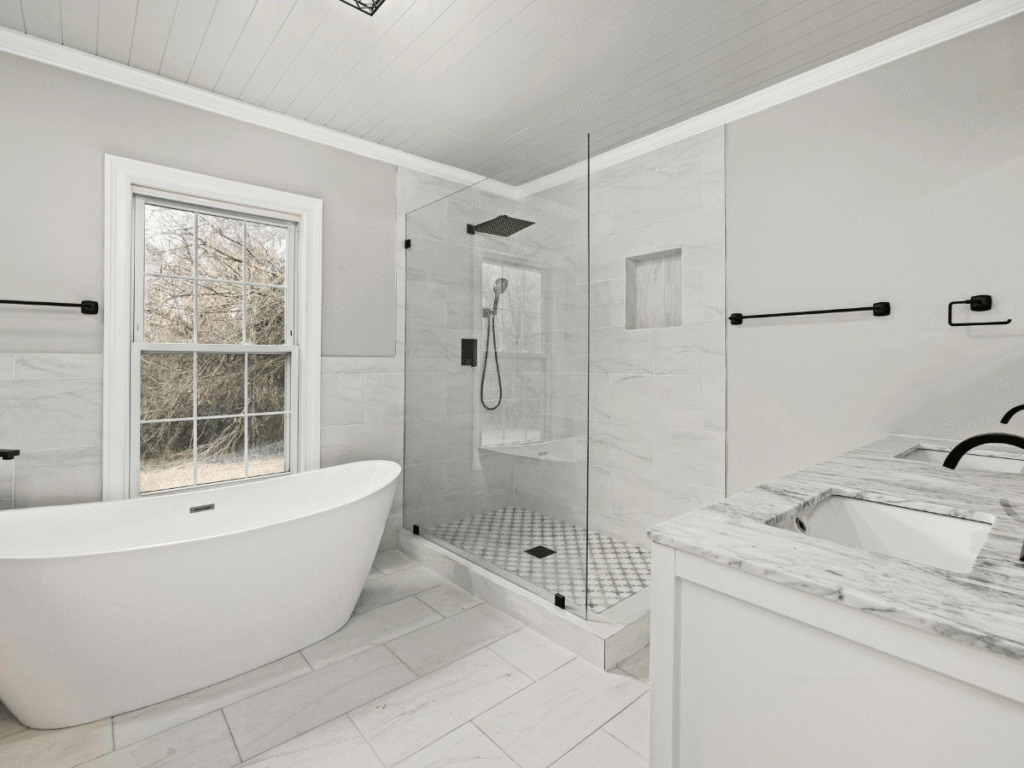
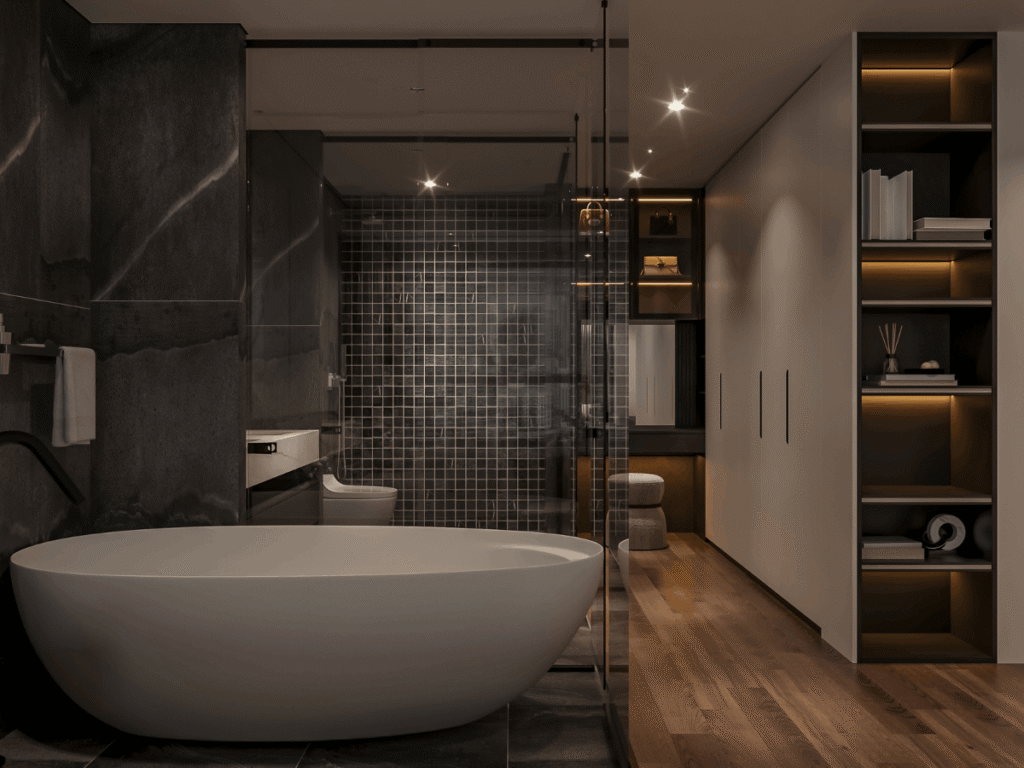
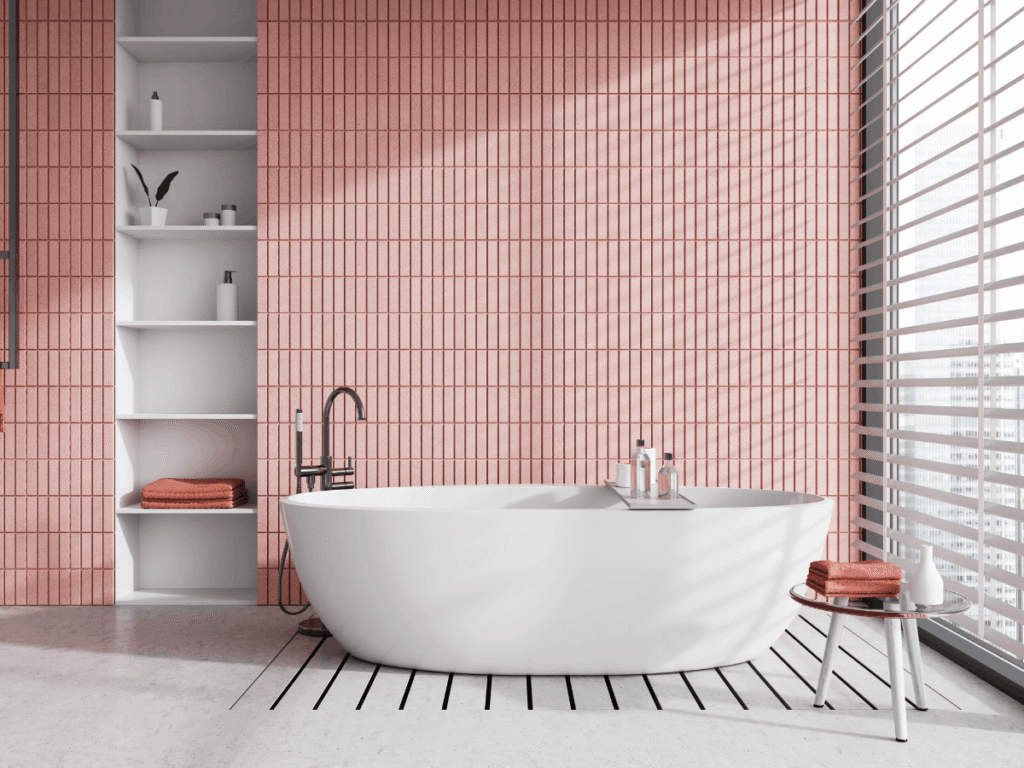
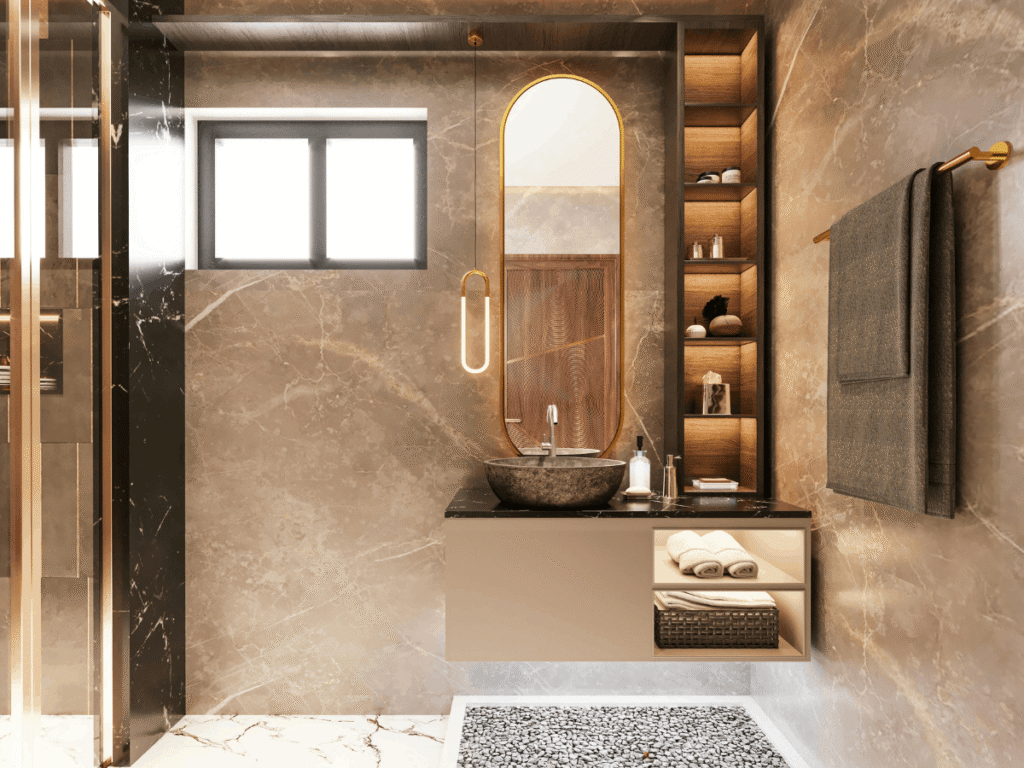
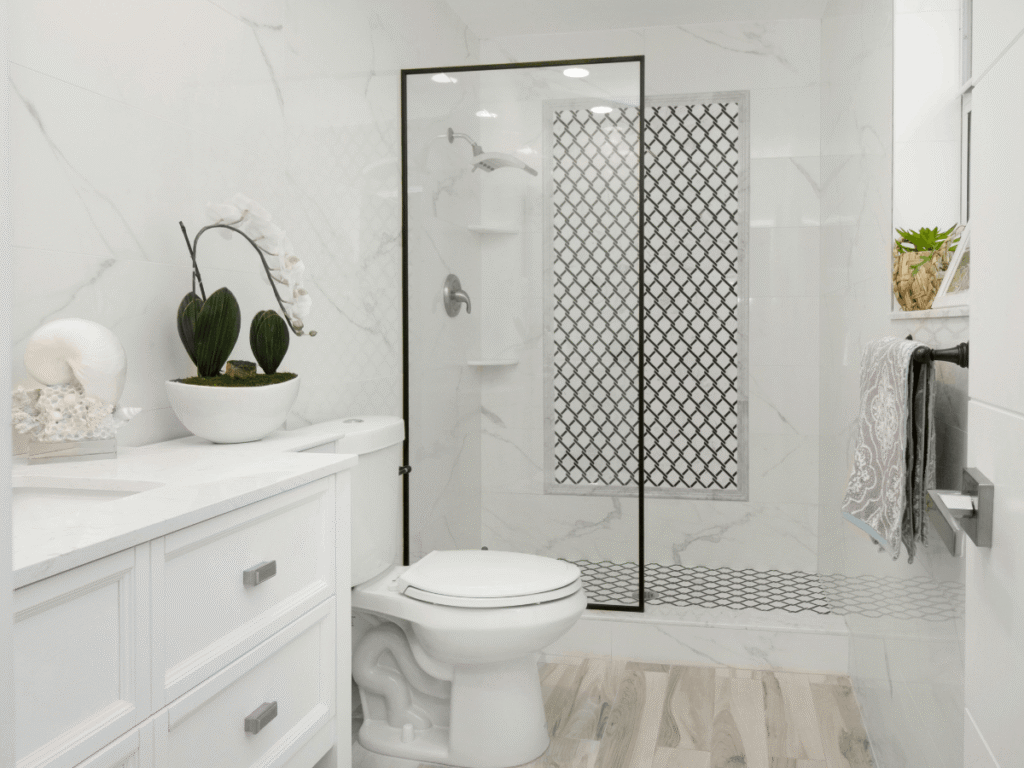
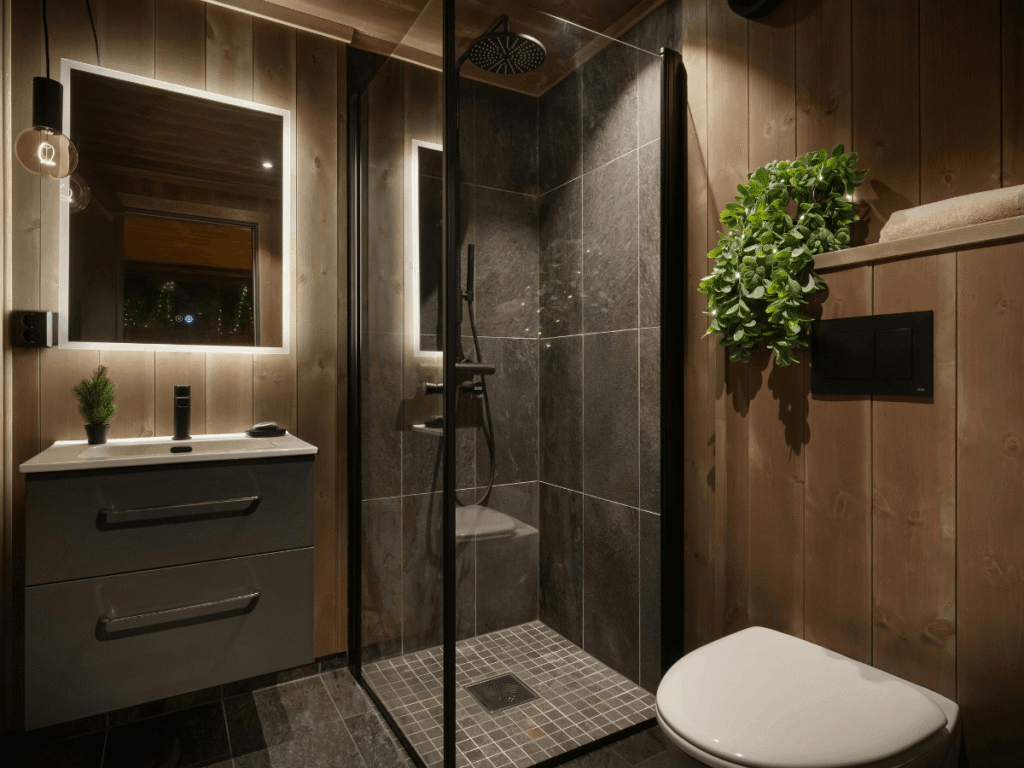
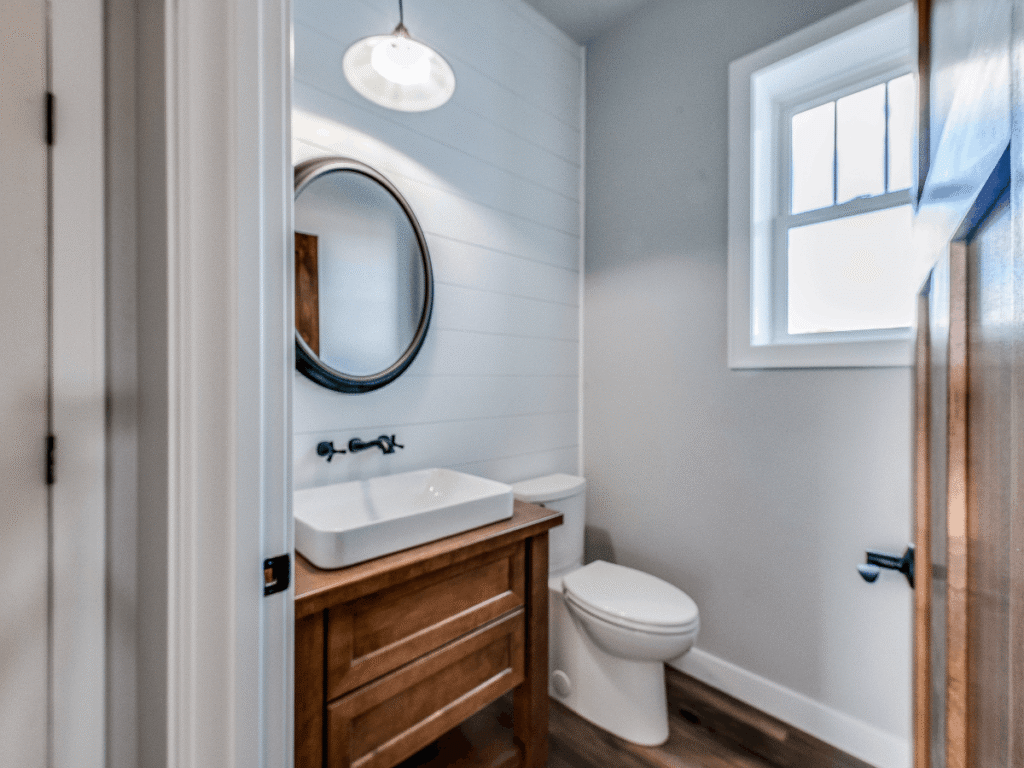
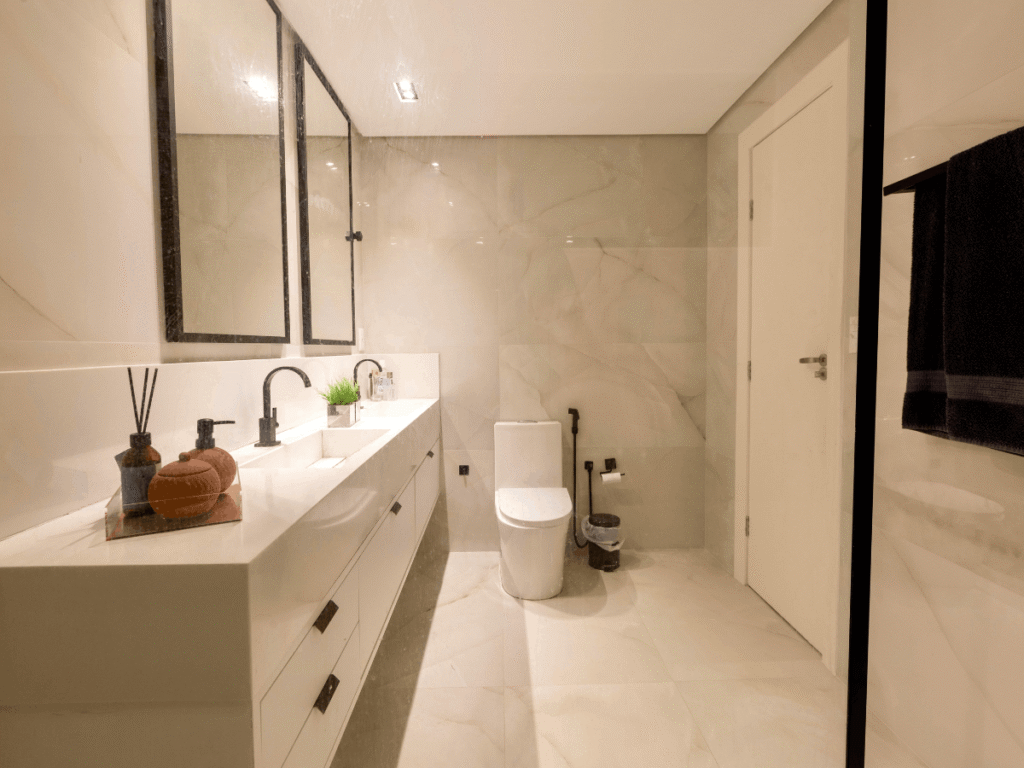
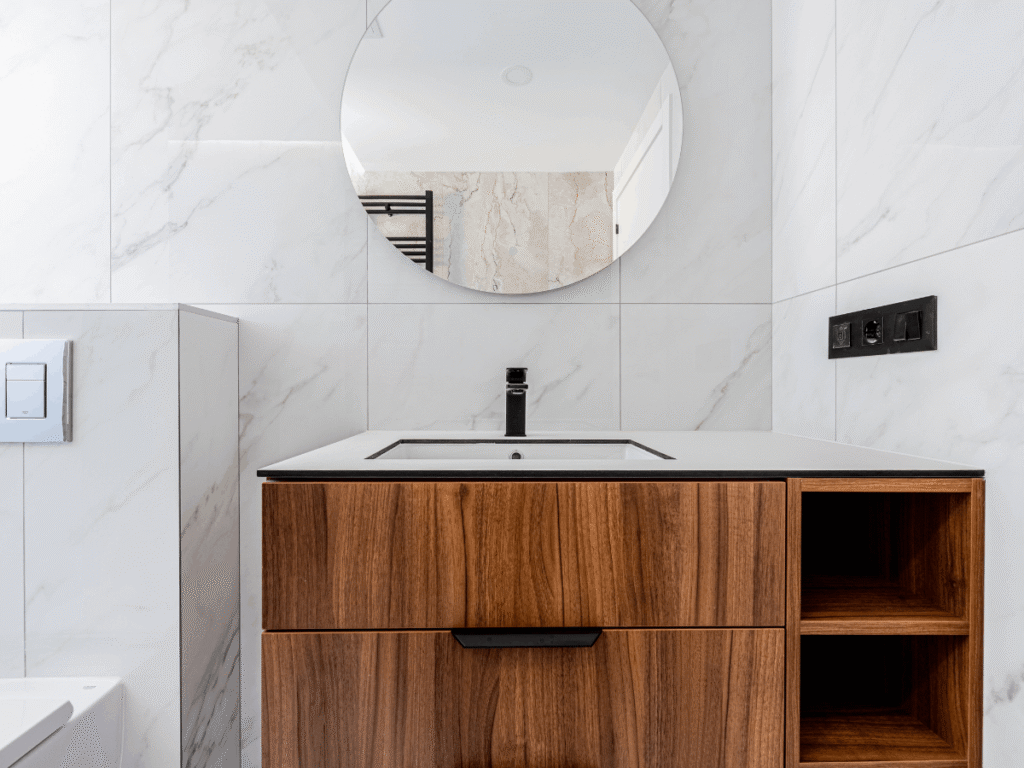
Even the most compact layouts can feel refined when space and fixtures are planned with intention. Many of today’s bathroom designs reflect a broader shift toward cleaner layouts, sculptural fixtures, and materials that elevate everyday spaces.
Choosing the right bathroom size is ultimately about creating a space that fits both the home and the way it is used every day. A full bathroom supports daily routines, a three-quarter bath offers an efficient balance of space and function, and a powder room provides convenience for guests. Layout decisions often involve choosing between a bathtub or shower, especially when considering long-term value. Our guide to bathtubs vs. showers and their impact on resale value explores this consideration in greater detail.
Careful planning helps ensure the space feels comfortable, well-proportioned, and naturally integrated into the overall design of the home.

Eric is the founder and president of Badeloft USA. He has been the president of Badeloft’s US division for over ten years and oversees all marketing and branding aspects of Badeloftusa.com.
His expertise lies in small business development, sales, and home and bathroom industry trends and information.
Contact us with any business related inquiries.
Badeloft is dedicated to helping homeowners make informed decisions about their bathrooms. We adhere to strict editorial guidelines to ensure our content is accurate, trustworthy, and useful.
Request free stone resin and stainless steel material samples. Delivered to your door.
The modern residential landscape is currently undergoing a profound architectural and psychological shift, moving away from the utilitarian “all-in-one” bathroom
Acrylic bathtubs have become one of the most widely used materials in modern bathrooms, offering a balance of affordability, comfort,
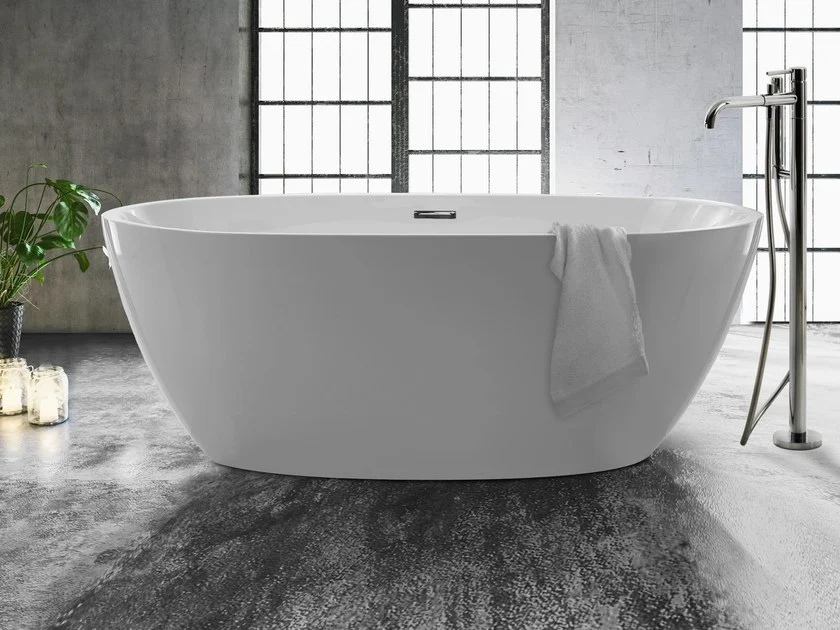
When you’re shopping for a freestanding bathtub, the material matters just as much as the shape or size. It changes
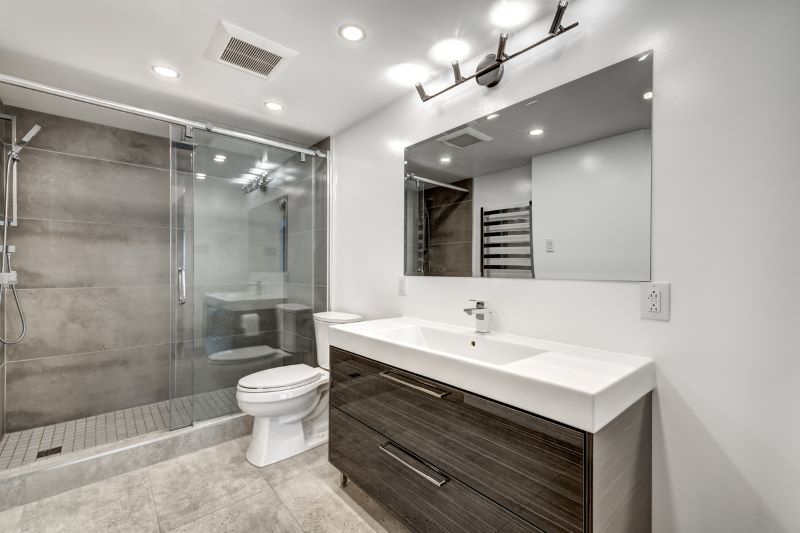
A well-designed bathroom begins long before fixtures are selected or materials are introduced. It starts with understanding the space itself.
Request your free material sample below. By submitting, you agree to receive occasional product updates and offers from Badeloft. Unsubscribe anytime.
"*" indicates required fields
2 thoughts on “A Guide to Full, Three-Quarter, and Half Bathrooms: Sizes, Layouts, and Design Planning”
Awesome! Helped me know we need to cut into the closet!
Amazing! Your guide is definitely very helpful. I can’t wait to try. Thanks and keep sharing.