
Stone Resin vs. Acrylic Tubs: Which Material Is Right for You?
When you’re shopping for a freestanding bathtub, the material matters just as much as the shape or size. It changes
A .75 bathroom, also known as a ¾ bath, includes three fixtures: one sink, one toilet, and either a shower or a bathtub.
Unlike a full bathroom, which contains both a shower and a bathtub, a .75 bathroom includes just one of those bathing fixtures.
Because it delivers nearly all the functionality of a full bath while requiring less square footage, the ¾ bath is one of the most common bathroom layouts in modern homes.
This layout is especially ideal for:
For homeowners looking to maximize usability without sacrificing comfort, a .75 bathroom offers a smart balance between functionality and efficient use of space.
Understanding how a ¾ bath differs from a full bath helps you make more informed design and renovation decisions, especially when space, budget, or layout flexibility are key considerations.
| Bathroom Type | What It Includes | Location |
|---|---|---|
| Half Bath | Sink and toilet only | Most commonly located near main living areas for guests |
| .75 Bathroom | Sink, toilet, and either a shower or a bathtub | Offers strong everyday functionality while saving space |
| Full Bathroom | Sink, toilet, shower, and bathtub | Typically located in primary suites or as the main shared bathroom |
| Primary or En Suite Bathroom | Often a full bath attached directly to the primary bedroom | May include upgraded features such as double vanities, walk in showers, or soaking tubs |
Half baths and .75 bathrooms are the most common types in most homes. This is because these two bathroom types provide strong functionality while requiring a reasonable amount of space.
It is fairly common for a home to have one to two half baths or .75 baths, especially in smaller to mid sized properties.
Full baths are also common, but there is usually only one located in most homes. Because full bathrooms include a sink, toilet, shower, and bathtub, they tend to require more square footage and are typically located near or inside the primary bedroom.
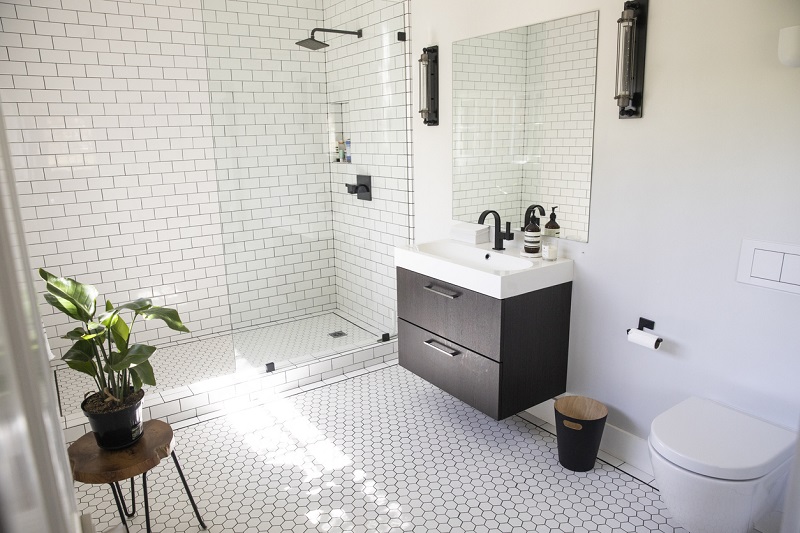
Understanding the differences between bathroom types helps homeowners plan renovations, assess resale value, and design layouts that balance comfort with efficient use of space.
The primary difference between a .75 bath and a full bath is that a full bath contains both a shower and a bathtub, whereas a .75 bath only contains one of those items. Because of this, a full bath tends to be quite a great deal larger than a .75 bath because it needs to fit both a shower and a bathtub. Generally, full baths are seen as more appealing bathrooms, and thus are more valuable for your house’s overall value than .75 bathrooms, but .75 are more economical for space.
The difference between a .75 and a .25 or quarter bath is that a .75 has nearly all the fixtures of a normal bathroom, such as a toilet, a sink, and either a shower or bathtub. A quarter bath has only one fixture; either a toilet, a sink, a shower or bathtub. But commonly, a quarter bathroom only has either a toilet or sink. This greatly limits the functionality of this room, but quarter baths are a necessity for homes with space issues.
Adding a new bathroom can cost anywhere between $5,000-50,000. This price tag is dependent on two factors: if this is a new addition to your home or work on an existing space and of course the size. The larger the bathroom, the more expensive this cost will be, conversely, working on an existing space will be around 30-40% cheaper than adding a new addition to your home. Since a .75 bath still requires at least 3 amenities, it will still require a fair amount of space. For a small .75 bath, the average cost is anywhere between 10-15,000 if you are installing on an existing space. Medium and large will run you an average of 20-35,000 if you are installing on an existing space. If you are trying to add a new medium or large ¾ bath to your home, your price will be around 35,000 and up.
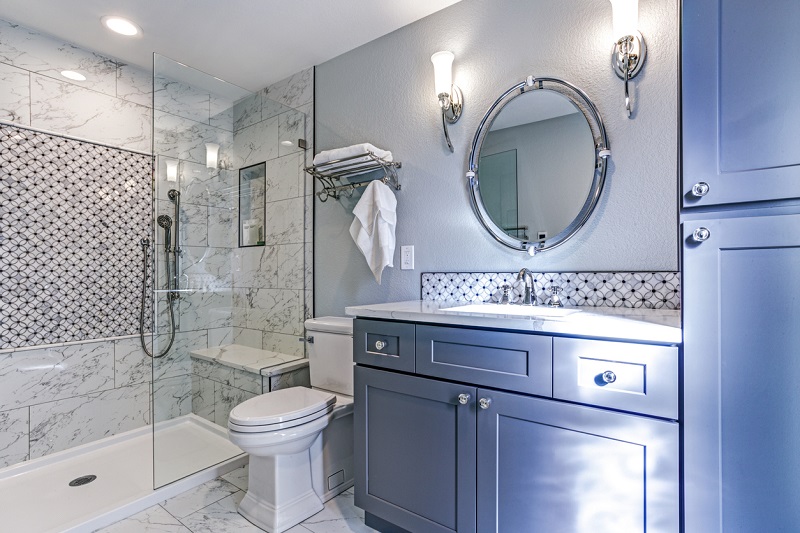
In general, yes, having more baths in your home will add value to your home. And since its functionality is higher than a half or quarter bath, .75 are quite desirable. But if you want to add more value to your home, remember that a full bath is still the most desirable of all the bathrooms. Conversely, a bathtub is much more valuable than a shower, as most homebuyers gravitate more towards a bathtub than a shower.
In general, this question will depend on what the needs of your home are. For those living alone, adding a bathtub to a ¾ and making it a full bath may not be very economical. A ¾ bath is a great bathroom that allows for a great deal of functionality while still saving your home some space. If you have a large family with multiple kids and pets, then perhaps a full bath is more desirable as it can suit the needs of multiple people at once. If so, then you should consider converting to a full bath.
A .75 or ¾ bath is a great option for those living alone and for those that want to save a little space. Not every house can have multiple full bathrooms, so .75 are a great economical option. Although it may not appear as attractive as a full bath, a .75 is still a good value for those looking for all the functionality of a normal bathroom while still being economical about space. For those considering the design of a .75 bath, it’s essential to be aware of the minimum bathroom dimensions for 2024 to ensure compliance with current regulations. This will help maximize the available space while maintaining comfort and accessibility. With thoughtful planning, a .75 bath can effectively meet the needs of any single occupant or small family without feeling cramped.
Yes, it is possible to fit a vanity into a .75 bathroom, but careful space planning is essential. Since a .75 bath includes three fixtures, layout efficiency matters.
Most homeowners choose compact single sink vanities between 18 and 30 inches wide. Floating or wall mounted vanities are also popular because they create the appearance of more open space.
If you are working within an existing layout, plumbing placement may limit your options. However, with thoughtful design and the right dimensions, incorporating a functional vanity into a .75 bathroom is both practical and common.
No matter the size of your bathroom, choosing the right layout and fixtures can dramatically improve both functionality and comfort. Whether you are designing a compact .75 bath, upgrading a full bathroom, or planning a spacious primary suite, thoughtful fixture selection makes all the difference.
Badeloft offers freestanding bathtubs designed to complement bathrooms of every size. From space conscious designs that fit smaller layouts to statement pieces built for larger primary baths, their stone resin tubs combine durability, modern aesthetics, and efficient design.
If you are planning a remodel or new installation, exploring Badeloft bathtubs can help you create a bathroom that feels intentional, balanced, and built to last.

Eric is the founder and president of Badeloft USA. He has been the president of Badeloft’s US division for over ten years and oversees all marketing and branding aspects of Badeloftusa.com.
His expertise lies in small business development, sales, and home and bathroom industry trends and information.
Contact us with any business related inquiries.
Badeloft is dedicated to helping homeowners make informed decisions about their bathrooms. We adhere to strict editorial guidelines to ensure our content is accurate, trustworthy, and useful.
Request free stone resin and stainless steel material samples. Delivered to your door.
When you’re shopping for a freestanding bathtub, the material matters just as much as the shape or size. It changes
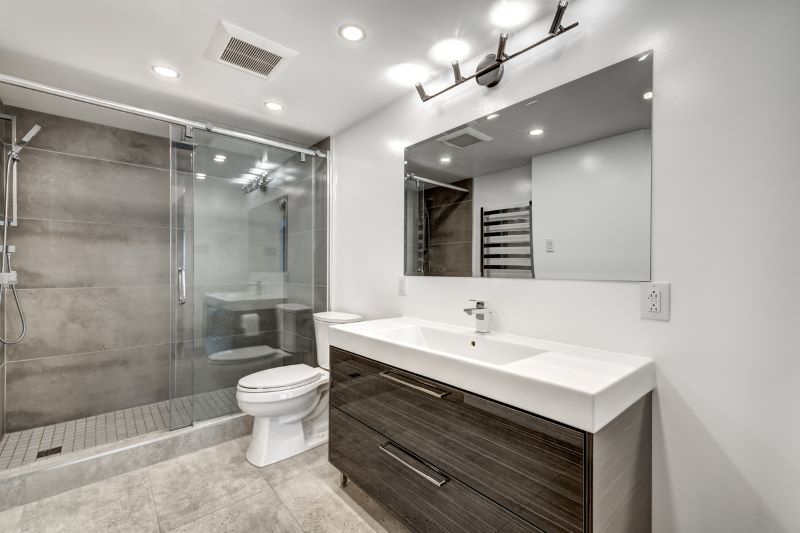
When remodeling your home, you may struggle finding which bathroom size is appropriate for your home. The full sized bathroom
Today’s bathtub choices are plentiful with a host of styles, shapes, sizes, and materials to choose. The choice often comes
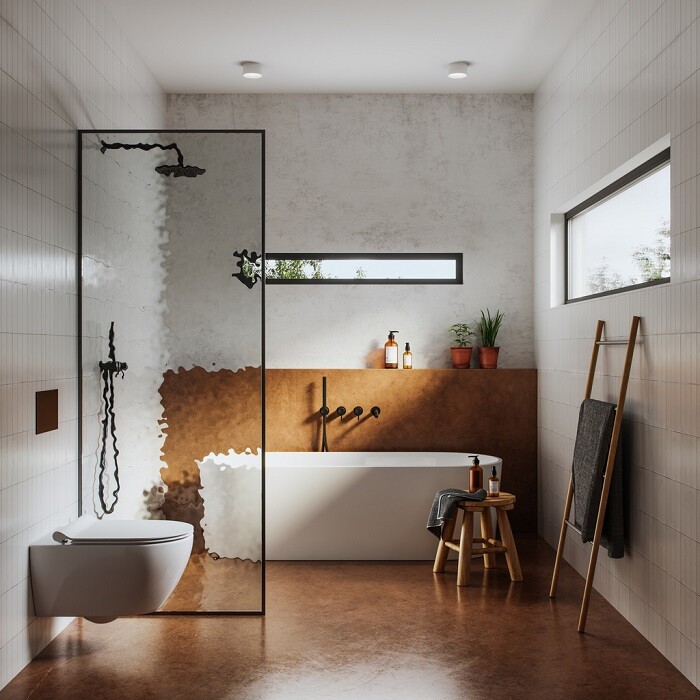
Does adding a bathtub to your home increase its resale value? The short answer is yes, with many US homeowners
Request your free material sample below. By submitting, you agree to receive occasional product updates and offers from Badeloft. Unsubscribe anytime.
"*" indicates required fields