
Why Homeowners Are Rethinking the Traditional Tub-Shower Setup in 2026
The modern residential landscape is currently undergoing a profound architectural and psychological shift, moving away from the utilitarian “all-in-one” bathroom
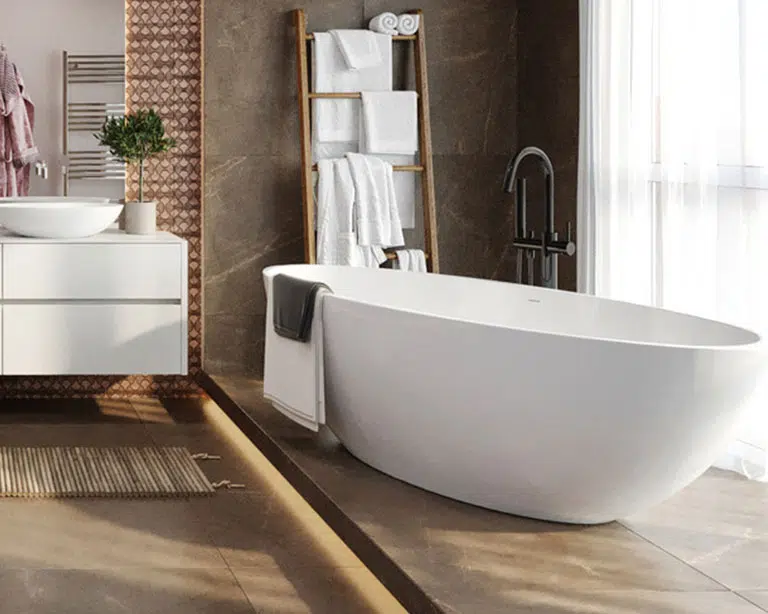
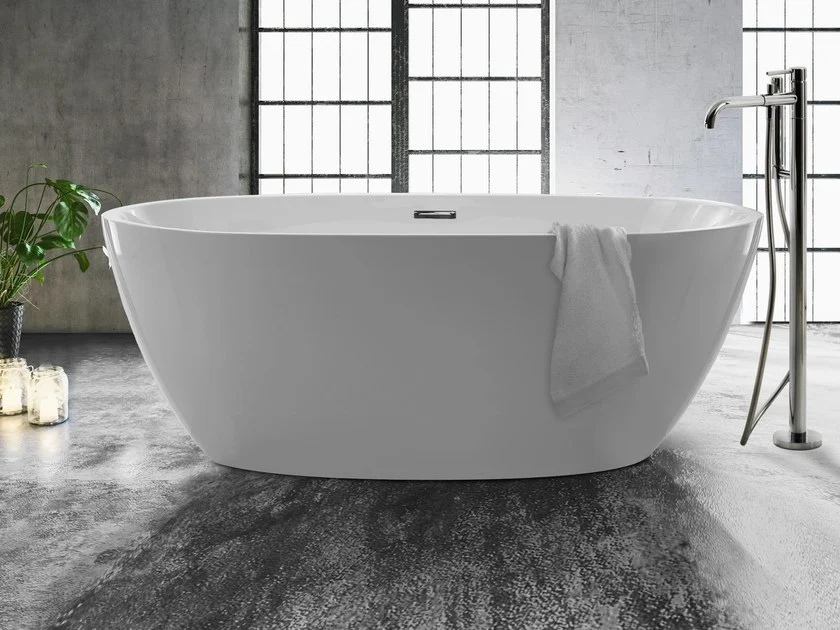
Freestanding tubs are one of the most popular options chosen by homeowners during a bathroom renovation. There are many reasons for this, including the wide variety of styles, the elegant aesthetic the tub brings to any space, and the excellent heat retention and comfort that comes with a freestanding bathtub.
But as with any other major purchase for your home renovation, there are pros and cons. From the elegance of the design to the cost of a freestanding bathtub, there are many factors to consider to help you determine if you should buy one.
A freestanding bathtub is finished on all four sides, creating an artful design piece that can be placed almost anywhere in the bathroom. The elegant lines and curves make a freestanding bathtub a statement piece and focal point for the bathroom, one that you can build an entire design around. They tend to be comfortable and great for deep soaks.

While many homeowners buy a freestanding tub and find that it suits their every need, there may be better options for some. Some aspects of a freestanding tub, such as the weight and the higher cost, make them impractical for some homeowners.
Let’s address the pros and cons of a freestanding bathtub to help you figure out if one of these beauties is right for you. Freestanding bathtubs can serve as a stunning centerpiece in your bathroom, offering both style and comfort. However, they may require additional space and plumbing considerations. If you’re weighing your options, exploring the best bathtub alternatives might also provide you with innovative ideas that suit your needs and preferences.
A freestanding bathtub brings numerous advantages as it turns your bathroom into a relaxing oasis.
Some of the most common pros include:
Since freestanding tubs aren’t limited by the need to fit into an alcove, designers have the freedom to be creative with the shape and size of the tub. They take full advantage of that, creating everything from double-slipper designs that are suitable for two to round and deep tubs that allow for a full-body soak. A freestanding tub can suit any style.
The look of a freestanding tub is second to none. Whether you choose a tub with a more modern look or a classic form, the unique shapes and design of freestanding tubs are strongly associated with luxury. In fact, most high-end homes will use freestanding tubs, and they are a staple of expensive spas and resorts. If you want to turn your bathroom into an oasis of relaxation, a freestanding tub will help you achieve that goal.
Since freestanding tubs need only to be connected to plumbing, they can be installed almost anywhere—and much more easily than alcoves or other built-in bathtubs. The installation is as simple as carrying the tub into the room, maneuvering it into the proper place, and making sure the plumbing lines route to the tub. That’s it.
Unlike alcove bathtubs, freestanding bathtubs allow you to use the space in a creative way that suits your fancy. Freestanding bathtubs don’t require walls for proper placement and installation; instead, they let your imagination run wild as you plan out exactly how to use your space effectively to get the desired effect.
Are you the kind of person who wants to change things up now and then? Rather than settling for the placement of a built-in tub that won’t change for decades, opting for a freestanding tub allows you to move things around in your bathroom on a regular basis. If you get tired of the tub sitting in a certain place, it’s easy to enlist the help of a contractor to move it for you, with no demolition work necessary.
Those four finished sides mean that you can move around the outside of the tub freely, which makes it much easier to clean. As with an alcove tub, you start cleaning on one side—but rather than stretching to reach the other side, you can simply move around the freestanding tub as you go. The durable materials stand up to cleaning products, making it easy to get the tub sparkling clean.
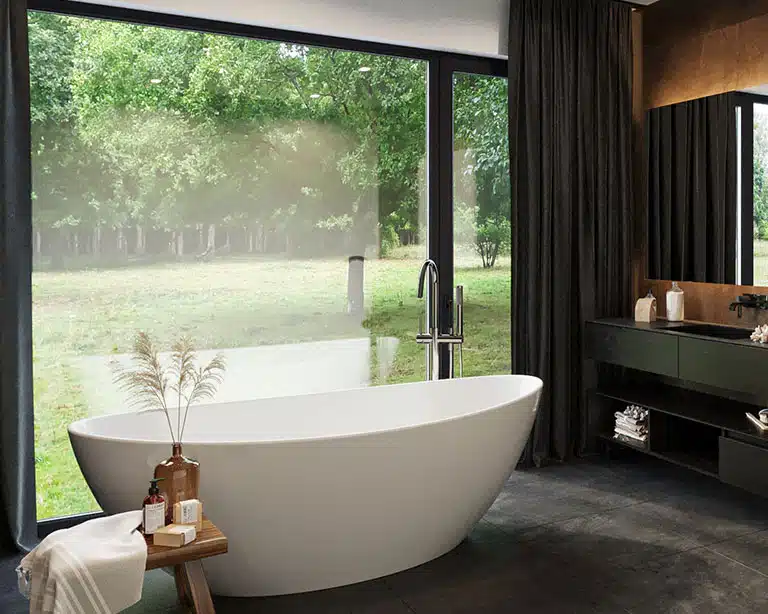
It’s obvious why it makes sense to buy a freestanding bathtub. But are there reasons that might hinder your choice?
For some, the following are disadvantages that might discourage you from choosing a freestanding bathtub.
This is the biggest turn-off for those who want to buy a freestanding bathtub. Freestanding bathtubs are on the more expensive side, with alcove tubs being much more affordable. Part of that is the design options, as freestanding tubs are made with luxury in mind. The materials are often of much higher quality than you get with a standard tub, and while those materials mean more durability and heat retention, they also mean that the price goes up.
Freestanding tubs are often larger than other types of tubs, which means that they weigh more, especially when full of water and the user’s body weight. But they can also be heavy thanks to the materials, such as cast iron. Even though stone resin is a relatively light material compared to cast iron, it’s still heavier than the typical acrylic used to make most alcove tubs. That higher weight often means that the floor underneath the tub must be reinforced.
Though it is possible to mount a shower kit on a freestanding tub, most find that it looks ungainly and takes away from the sleek aesthetic of the tub. In addition, a shower in a freestanding tub requires a wrap-around curtain, which can be unsightly and ruin the look you were hoping to achieve with the elegant freestanding option.
While being able to move around a freestanding tub does make cleaning easier, there is a caveat: freestanding tubs are often deeper than other types, which means you must lean in over the edge to clean the bottom of the tub. That can be difficult for those who are shorter or have a limited range of motion. Getting in and out of the bathtub can be tough as well, especially those that are larger or taller than the norm.
A freestanding tub does not have a ledge, deck, or rim that allows for storage of small everyday items you use when you bathe. Rolling caddies or bathtub trays can help with this—in fact, an elegant bathtub tray is often a welcome addition to the freestanding look. However, if you want more storage than that, you’re probably out of luck. Though it’s possible to store some things underneath the tub, keep in mind that option could ruin the look you’re trying to achieve.
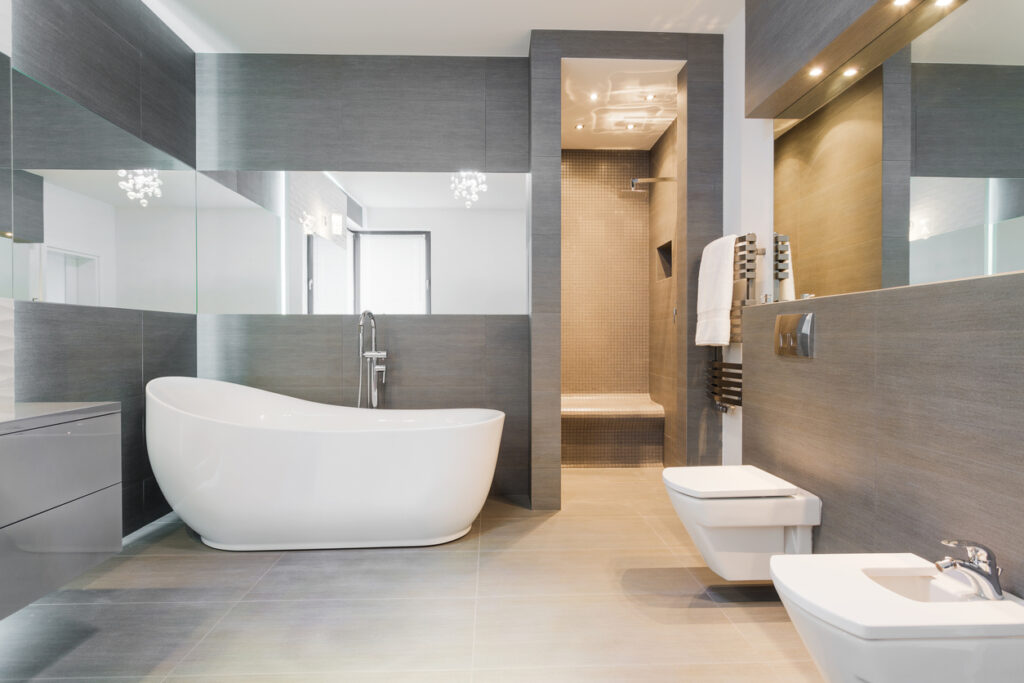
Freestanding tubs are often seen as the centerpiece of a bathroom, offering a high-end, spa-like aesthetic that built-in tubs simply can’t match. However, that design flexibility comes with trade-offs in functionality, installation, and day-to-day use. Before committing, it’s important to think through how a freestanding tub will fit into your routine, your space, and your long-term maintenance expectations.
Unlike built-in tubs that sit against a wall and often include ledges or recessed niches, freestanding tubs are fully exposed on all sides. This means you won’t have a natural place to store everyday essentials like shampoo, soap, or razors within arm’s reach.
If your current routine relies on having everything easily accessible, you’ll need to plan for added storage solutions to maintain convenience.
Freestanding tubs require a different plumbing approach than traditional alcove tubs, and this is where costs and complexity can increase quickly. Because these tubs are not anchored to a wall, supply lines and drains often need to be installed through the floor rather than the wall.
In many remodels, this step becomes one of the biggest considerations, especially if your bathroom wasn’t originally designed for a freestanding layout.
While freestanding tubs create a clean, open look visually, they can introduce more detailed cleaning requirements in practice. The exposed space around the tub means there are more areas where dust, hair, and moisture can accumulate.
If you prefer low-maintenance cleaning routines, this is an important factor to weigh, as freestanding tubs typically require a bit more upkeep to keep the space looking pristine.
A freestanding tub must sit completely level to function properly, both for stability and for proper drainage. In homes where floors are slightly sloped or uneven—common in older properties or bathrooms designed for drainage—additional preparation may be required.
Taking the time to assess your flooring beforehand can help prevent installation issues and ensure the tub performs as expected.
Freestanding tubs are designed primarily for soaking and relaxation, which can be a shift if you’re used to a more shower-focused routine. While it’s possible to pair them with a shower fixture, doing so often introduces compromises in both function and aesthetics.
If quick, convenient showers are part of your daily routine, it’s worth considering whether a freestanding tub aligns with how you actually use your bathroom.
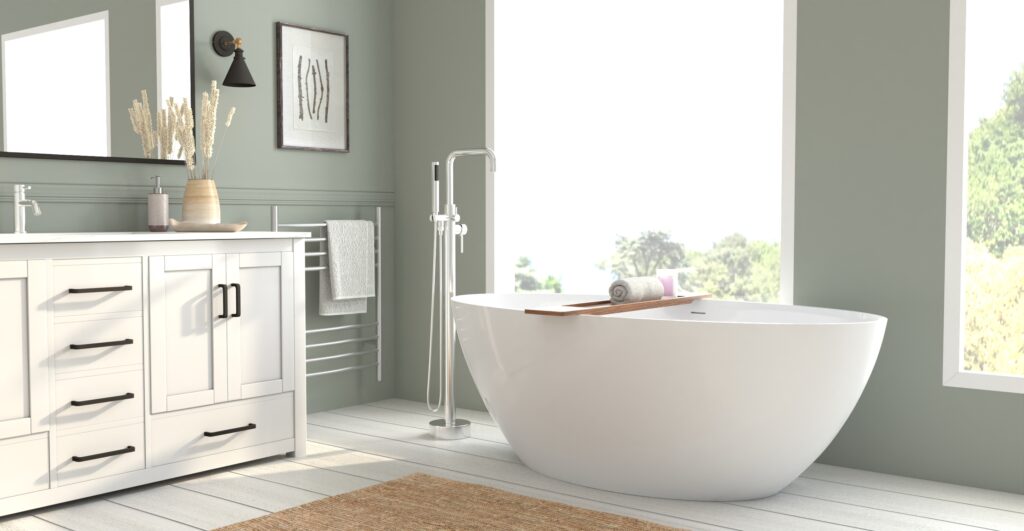
Every freestanding tub has pros and cons. Fortunately, the advantages usually outweigh the disadvantages, making a freestanding tub a strong contender for creating the bathroom you really want. Badeloft provides elegant stone resin freestanding tubs in a variety of shapes, sizes, and colors to suit your design dreams. Take a look today to start the journey of buying a freestanding tub of your own.

Eric is the founder and president of Badeloft USA. He has been the president of Badeloft’s US division for over ten years and oversees all marketing and branding aspects of Badeloftusa.com.
His expertise lies in small business development, sales, and home and bathroom industry trends and information.
Contact us with any business related inquiries.
Badeloft is dedicated to helping homeowners make informed decisions about their bathrooms. We adhere to strict editorial guidelines to ensure our content is accurate, trustworthy, and useful.
Request free stone resin and stainless steel material samples. Delivered to your door.
The modern residential landscape is currently undergoing a profound architectural and psychological shift, moving away from the utilitarian “all-in-one” bathroom
Acrylic bathtubs have become one of the most widely used materials in modern bathrooms, offering a balance of affordability, comfort,
When you’re shopping for a freestanding bathtub, the material matters just as much as the shape or size. It changes
A well-designed bathroom begins long before fixtures are selected or materials are introduced. It starts with understanding the space itself.
Request your free material sample below. By submitting, you agree to receive occasional product updates and offers from Badeloft. Unsubscribe anytime.
"*" indicates required fields