
Bathroom Storage Trends 2026: The Planning Guide That Changes When You Choose a Freestanding Tub
Bathroom storage fails the same way every time: it gets planned last. By the time the tiles are in and
A soaking tub is defined by one thing: depth. Where a standard alcove tub sits around 14 inches deep, a soaking tub starts at 16 inches and typically reaches 20–23 inches, which is enough water to cover your shoulders when seated. No jets, no air channels. Just the weight of hot water and time.
That depth changes every calculation. You need to verify rough-in plumbing, floor load capacity, and water heater volume before picking a model. A 40-gallon water heater cannot fill most soaking tubs in a single heat cycle. These are things you want to know before you fall in love with a specific tub online.
This guide covers what separates a soaking tub from a standard tub, how to match dimensions to your space, which materials hold heat longest, and how to decide whether one is actually right for how you use a bathroom.
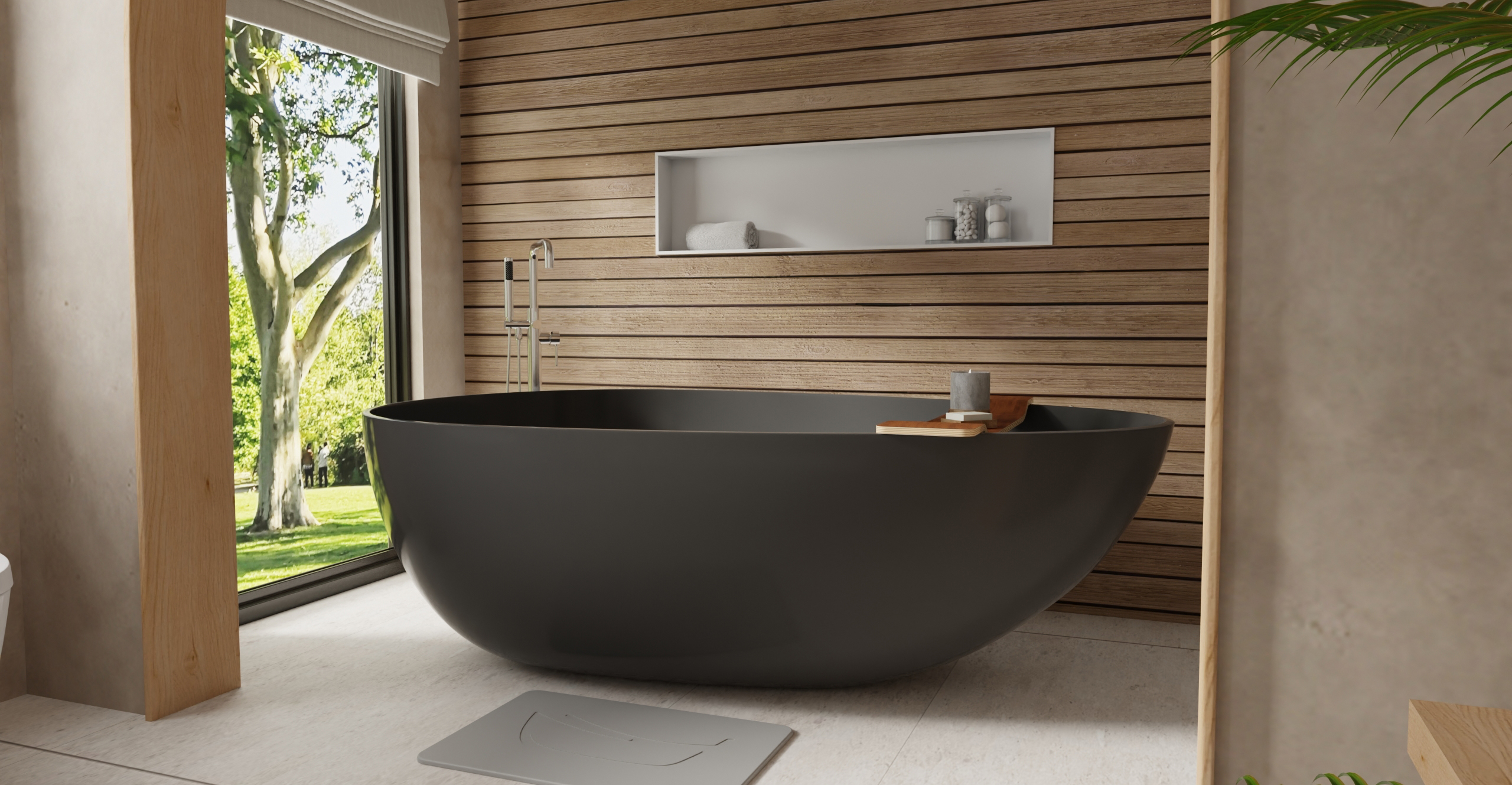
The difference is water depth, not brand or price. A soaking tub holds a minimum of 16 inches of water at fill. Standard alcove tubs average 12–14 inches — enough to cover your torso if you lie flat, not enough to submerge your shoulders sitting up.
Freestanding soaking tubs prioritize depth over length. Most models run 55–63 inches long — shorter than a standard 60-inch alcove — because the depth delivers the experience, not the length. If you’ve ever found a standard bathtub unsatisfying for actual relaxation, this is usually why.
The trade-off is volume. A proper soak requires 60–80 gallons of hot water. Your water heater’s recovery time and total capacity matter before you commit to a model.
The most common buying mistake: choosing a tub based on exterior footprint without checking interior depth and water volume. These are the numbers that actually determine whether the tub fits your space and delivers the experience.
Exterior dimensions are marketing measurements. The interior usable length is what matters. A tub listed as 63 inches may have an interior length of 57 inches due to wall thickness and contour. If you’re over 5’10”, check the manufacturer’s interior dimension spec before ordering.
Most freestanding soaking tubs range 55 to 67 inches in usable interior length.
A 40-gallon water heater cannot fill most soaking tubs in one heat cycle. We recommend a 50–80-gallon capacity for consistent performance. Tankless water heaters with adequate flow rates work well for soaking tubs, but verify the BTU output against your fill volume before assuming compatibility.
A filled stone-resin soaking tub will put 600–800 pounds on your floor — the tub itself (150–250 lbs), 60–80 gallons of water (500–665 lbs), and the person in it. Older homes with softwood subfloors or homes with bathrooms above finished living space may require structural reinforcement. Ask your contractor to assess before installation.
Before choosing a soaking tub, it’s essential to understand your bathroom’s physical constraints. Assessing your available space not only ensures a proper fit but also helps you plan for comfort, accessibility, and installation logistics. By taking accurate measurements and accounting for clearances and delivery paths, you can avoid costly mistakes and create a balanced layout that maximizes both functionality and style.
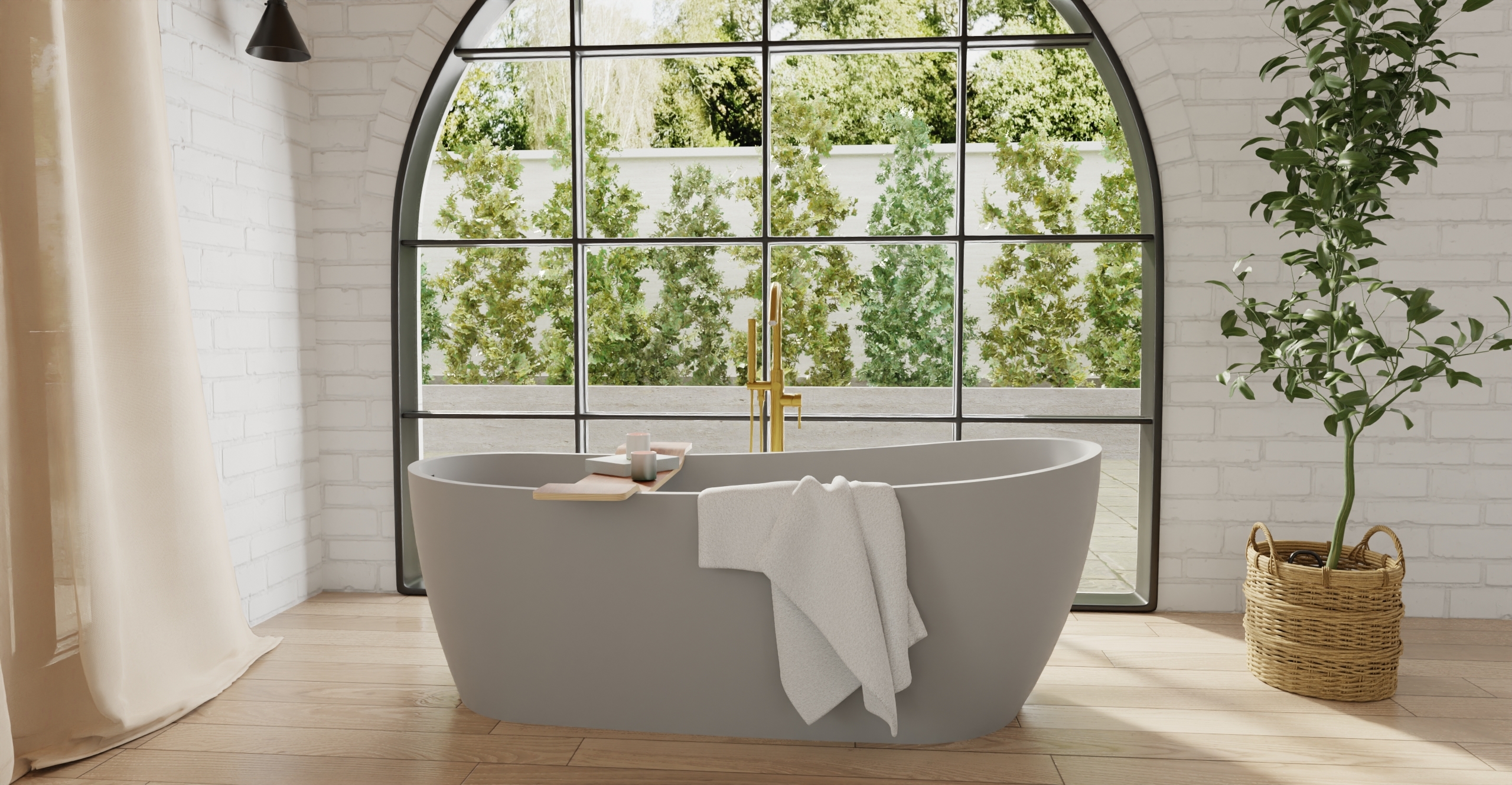
Example: If your bathroom measures 8×6 feet, a compact soaking tub around 55 inches in length and 30 inches in width, like Badeloft’s smaller freestanding options, would fit comfortably without overwhelming the room.
Adequate clearance around the tub is essential for both functionality and cleaning. Leave at least 6–12 inches of space between the tub and the walls or other fixtures. This clearance ensures ease of movement and makes the area more accessible for routine cleaning.
Pro Tip: Opt for wall-mounted or corner tubs in especially tight spaces to maximize floor area.
A beautiful tub is only worth it if you can get it into your bathroom. Before purchasing, measure doorways, hallways, and staircases to ensure the tub can be delivered and installed easily. For example, compact soaking tubs, like those from Badeloft, are often designed with lighter materials such as stone resin, making them easier to maneuver into small spaces.
According to industry data, delivery issues account for 15% of bathtub returns, emphasizing the importance of planning.
By understanding your bathroom’s dimensions, clearance needs, and delivery logistics, you’ll be well-prepared to choose a soaking tub that fits both your space and your lifestyle. With thoughtful planning and the right brand—such as Badeloft—you can achieve a perfect balance of luxury and practicality in your small bathroom.
Finding the right soaking tub style is essential for balancing aesthetics and functionality in a small bathroom. Different styles cater to various layouts and preferences, allowing you to create a spacious and luxurious design.
Freestanding mini tubs like those from Badeloft USA combine flexibility with a contemporary aesthetic. These tubs are smaller than standard freestanding models, making them perfect for compact spaces. They can be positioned anywhere in the room, allowing for creative layouts. For example, the Badeloft BW-01-S Tub offers a modern design, combining sleek aesthetics with unmatched comfort.
Example: A freestanding mini tub near a window can enhance natural light and provide a spa-like atmosphere.
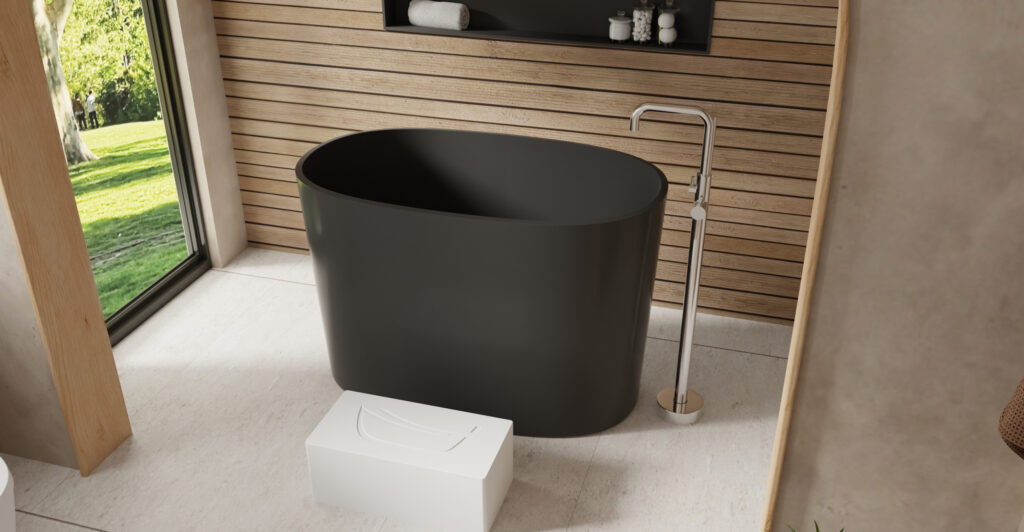
Japanese soaking tubs, or ofuro tubs, are an excellent choice for small bathrooms. Their deep, compact design allows for full-body immersion while taking up minimal floor space. These tubs are often round or square and can be placed in corners or even as freestanding pieces.
Pro Tip: Pair a Japanese soaking tub with a small step stool for easy access, especially in bathrooms with limited floor space.
Corner tubs are ideal for maximizing floor area by utilizing underutilized corner spaces. These triangular tubs offer a larger soaking area without extending into the room’s center. Corner tubs work especially well in asymmetrical or irregularly shaped bathrooms where traditional placements might feel awkward.
Example: A corner tub with built-in seating can serve dual purposes, providing a space to sit and relax outside of bath time.
Drop-in tubs are installed within a built-in enclosure, saving space by integrating with existing structures. They often feature flat surfaces around the tub, which can double as storage or display areas for bath products and décor.
Pro Tip: Customize the enclosure with marble or tile to match your bathroom’s design while maintaining a seamless, space-saving look.
The material of your soaking tub influences its durability, heat retention, weight, and overall cost. Choosing the right material is particularly important in small bathrooms, where functionality and practicality are key.
Acrylic tubs are lightweight and affordable, making them popular for small bathrooms, especially on upper floors. They resist stains and scratches, ensuring longevity with minimal maintenance. However, they may retain heat less than other materials.
Example: An acrylic freestanding tub is an excellent option for renters or budget-conscious homeowners looking for easy installation.
This is the material Badeloft specializes in, so it’s worth explaining what it actually is rather than just listing it. Stone resin is a solid composite; natural minerals and high-grade resin cast as a single body, not a shell over a hollow substrate. That construction difference matters in three ways:
1. Heat retention: The thermal mass of solid stone resin holds heat noticeably longer than hollow-cast acrylic. We see this in our own products with every production run. A Badeloft stone resin tub stays warm through a full 45-minute soak in a way that thin-gauge acrylic does not. It’s a real difference, not a marketing distinction.
2. Surface durability: A scratch or ding in stone resin is in the material, it can be buffed and addressed. A crack in an acrylic tub goes through a thin shell to the backing. The failure modes are categorically different.
3. Weight: Stone resin is heavier than acrylic — 150–250 lbs for most models. That requires a floor load assessment before installation. It also means the tub doesn’t flex, creak, or feel hollow
Fiberglass is an affordable, lightweight option that’s easy to install. However, it’s less durable than acrylic or stone resin, making it better suited for infrequent use or as a temporary solution in rental properties.
Pro Tip: Choose a fiberglass tub with a protective coating to extend its lifespan.
Cast iron tubs are renowned for their durability and excellent heat retention, making them ideal for long baths. However, they are heavy and may require floor reinforcement, particularly in older homes or upper-level bathrooms.
Example: For homeowners who can accommodate the weight, a compact cast iron tub can add timeless charm to a small bathroom.
Strategic placement is critical when incorporating a soaking tub into a small bathroom. Choosing the right location can optimize space and enhance functionality.
Placing a soaking tub along a wall is a practical way to free up floor space in the bathroom’s center. This layout works well with freestanding and drop-in tubs, creating a streamlined look. Positioning a soaking tub near a window can create an open, airy feel in a small bathroom. Natural light reflects off the tub’s surface, making the space feel larger.
Pro Tip: Pair a wall-mounted faucet with a freestanding tub for a sleek, space-saving combination.
Corner tubs maximize space by fitting snugly into unused corners. This placement is particularly effective in square or rectangular bathrooms, where corners often go underutilized.
Example: A corner soaking tub can be paired with built-in shelving above for added storage and visual interest.
Pro Tip: Install frosted or textured glass for privacy while maintaining the benefits of natural light.
Small bathrooms often require plumbing adjustments to accommodate a soaking tub. Proper planning ensures seamless installation and long-term functionality.
Many soaking tubs require specific faucet placements, such as floor-mounted or wall-mounted fixtures. This may necessitate relocating existing plumbing, especially when transitioning from a built-in to a freestanding tub.
Example: For a freestanding mini tub, consult a plumber to install floor-mounted fixtures that align with the tub’s design.
Ensure the bathroom floor can support the tub’s weight, particularly for heavier materials like stone resin or cast iron. Reinforcing the floor may be necessary, especially in older buildings.
Stat to Consider: A filled stone resin tub can weigh 400–600 pounds, making floor support a critical consideration.
For floor-mount faucet rough-ins, the standard placement is 14–18 inches from the tub edge, measured on center. This needs to be confirmed before finalizing tub placement, it’s one of the most common installation mistakes we see when customers move from an alcove setup to a freestanding soaking tub.
Due to the complexities of plumbing and structural requirements, professional installation is highly recommended. Professionals can ensure proper leveling, secure plumbing connections, and compliance with building codes.
Pro Tip: Always verify the installer’s experience with soaking tubs to avoid potential issues.
In small bathrooms, maximizing functionality around the soaking tub can significantly improve the overall experience.
Built-in shelves or wall-mounted storage can organize bath essentials without wasting valuable floor space. Install recessed shelving near the tub wall for a clean and modern look.
Example: Floating shelves above a corner tub provide space for towels, candles, and bath products.
Choose soaking tubs with features like built-in seating or wide ledges that can double as storage. These features reduce the need for extra furniture or fixtures, keeping the space uncluttered.
Example: A Japanese-style soaking tub with an integrated step provides both convenience and added seating.
Keeping the area around the tub uncluttered is key to creating the illusion of more space. Opt for streamlined fixtures and neutral color palettes to enhance the room’s openness.
Pro Tip: Incorporate mirrors to reflect light and make the bathroom feel larger and more inviting.
You can create a small bathroom that feels both functional and luxurious by selecting the right style, material, placement, and enhancements. With thoughtful planning and quality products like those from Badeloft USA, your dream soaking tub can fit seamlessly into even the coziest spaces.
Budgeting for a soaking tub in a small bathroom involves more than just the cost of the tub itself. Installation expenses and long-term maintenance are also critical factors to consider. Here’s how to create a realistic budget for your project.
Soaking tubs are available at various prices, depending on the material, style, and brand. Compact tubs are often more affordable due to their smaller size, but quality and features can still affect the price.
Example: A compact freestanding tub from Badeloft, like the BW-01, combines high-end aesthetics with affordability, making it a wise investment for small bathrooms.
Installation costs depend on the type of tub and the modifications needed in your bathroom. Additional plumbing adjustments or floor reinforcements might be required for small bathrooms, especially for heavier materials like cast iron or stone resin.
Professional installation of a freestanding soaking tub typically takes a licensed plumber 4–8 hours for a straightforward swap. The $400–800 estimate is realistic when existing rough-in plumbing stays in place. If you’re relocating drains or switching from a floor-mount to a wall-mount faucet configuration, plan for $1,500–2,500 in plumbing work beyond the labor rate.
Investing in quality materials can save money in the long run by reducing maintenance and replacement costs. Stone resin, for example, is highly durable, resistant to stains and scratches, and retains heat well, making it an excellent choice for homeowners prioritizing longevity.
Stat to Consider: A 2023 HomeAdvisor study found that tubs made from durable materials like stone resin and cast iron last 30–50% longer than budget options, offering more excellent value over time.
The honest answer depends on how you actually use a bathtub.
If you take a bath once or twice a week and stay in for 20–30 minutes, a soaking tub pays for itself in experience every time. The depth, the heat retention, the stillness — it’s genuinely different from a standard tub in ways you feel immediately.
If you use a bathtub primarily to bathe children, or for quick 10-minute rinses before bed, a soaking tub is probably not the right investment. The fill time (10–15 minutes for a full 70-gallon tub), the water volume, and the depth are liabilities rather than assets if the use case doesn’t match.
At Badeloft, we make stone-resin freestanding soaking tubs for people who have already decided to soak. Our tubs don’t have jets, chromotherapy lights, or digital controls. They’re built for one thing: lying in hot water that stays hot, in a tub that doesn’t flex or feel cheap, in a bathroom where the tub is meant to be seen.
If that matches what you’re looking for, or reach out directly and we can help you match dimensions to your space and answer specific installation questions before you order.
Creating a beautiful, functional small bathroom starts with smart design choices that make every inch count. From strategic color schemes to clever storage and lighting, the right design elements can make your space feel larger, brighter, and more luxurious. Whether you’re remodeling a guest bath or updating a compact master suite, these expert-backed tips will help you turn your soaking tub area into a spa-worthy retreat—no square foot wasted.
Light colors like white, beige, or soft pastels create an airy and open feel in small bathrooms. These shades reflect more light, making the space appear larger.
Pro Tip: Pair a white soaking tub with soft gray walls and light wood accents to achieve a serene, modern aesthetic.
Quote: “In small spaces, light colors are your best friend. They open up the room and create a sense of calmness, essential in a bathroom.” — Joanna Gaines, Magnolia Home.
Mirrors effectively expand a small bathroom by reflecting natural and artificial light. A large, frameless mirror above the sink or beside the soaking tub can amplify the room’s brightness and openness.
Example: A mirrored wall adjacent to a freestanding soaking tub can create the illusion of a larger space while enhancing the room’s elegance.
Quote: “Mirrors are the easiest way to add depth and dimension to any small space. They double the impact of your lighting.” — Kelly Hoppen, interior designer and author.
Lighting is essential for setting the mood in a small bathroom. To highlight the soaking tub as a focal point, use recessed lights, wall sconces, or pendant lights.
Pro Tip: Install dimmable lighting to create a cozy, spa-like ambiance for evening soaks.
Quote: “Good lighting transforms how we experience a space. Layer your lights strategically to make even a tiny room feel luxurious.” — Nate Berkus, celebrity designer.
Maximize storage by utilizing vertical space. Wall-mounted shelves or recessed niches above or near the tub can store bath essentials without taking up valuable floor space.
Example: Floating shelves above a corner soaking tub can hold towels, candles, and decorative items, keeping the bathroom tidy and stylish.
Quote: “Storage should be functional and beautiful—especially in small spaces. Use height to your advantage without overcrowding.” — Marie Kondo, organizing consultant.
Opt for fixtures designed for small spaces, such as wall-mounted sinks or floating vanities. These free up floor space, making the bathroom feel less crowded.
Pro Tip: Select a soaking tub with built-in ledges or steps to double as seating or storage.
Quote: “Every element in a small bathroom must earn its place. Multi-functional pieces are key to maximizing the room’s utility and beauty.” — Jonathan Adler, designer and potter.
Introduce textures through tiles, rugs, or decorative accents to break up the monotony of a small space. Subway tiles or herringbone patterns can add character while maintaining a clean look.
Pro-Tip: Use mosaic tiles on the wall behind the tub to create a feature wall that draws the eye.
Quote: “Pattern and texture bring personality to a space. In a small bathroom, use them sparingly but intentionally to avoid overwhelming the design.” — Emily Henderson, stylist and blogger.
Keeping the design minimal is critical to making a tiny bathroom feel larger. Avoid overloading the space with décor or unnecessary fixtures.
Pro Tip: Stick to a cohesive design theme and limit the number of accessories to maintain a clean, open aesthetic.
Quote: “Minimalism isn’t about empty spaces; it’s about purposeful design. Every piece should have meaning.” — Leanne Ford, HGTV’s Restored by the Fords.
Adding plants to your bathroom can bring life and a sense of tranquility to the space. Choose small, low-maintenance plants that thrive in humid conditions, such as ferns or pothos.
Pro Tip: For a touch of greenery, place a small potted plant on a floating shelf near the tub or hang a planter from the ceiling.
Quote: “Plants breathe life into small spaces, softening hard edges and creating a relaxing vibe. Bathrooms are perfect for humidity-loving greenery.” — Justina Blakeney, founder of
Natural materials like stone, wood, and bamboo can make even the smallest bathrooms feel inviting and harmonious. Pair a stone resin soaking tub with a wood vanity or woven accents to balance modern design with organic warmth. These textures also add depth and contrast without crowding the space.
Pro Tip: Add a teak bath tray or bamboo mat near the tub for a subtle, spa-like touch that complements light color palettes and smooth stone finishes.
Quote: “Natural textures ground a design and create emotional warmth—even in compact bathrooms. The key is to use them sparingly but purposefully.” —Shea McGee, Studio McGee co-founder and designer.
Designing a small bathroom that feels spacious, comfortable, and luxurious is entirely possible with the right soaking tub and thoughtful planning. By carefully assessing your available space, selecting the right materials, and integrating smart design choices—from light color palettes to multifunctional fixtures—you can transform even the most compact room into a calming retreat.
Compact soaking tubs, especially modern stone resin models like those from Badeloft USA, prove that you don’t have to sacrifice style or relaxation for size. With durable materials, elegant designs, and efficient layouts, these tubs deliver a spa-like experience that fits seamlessly into everyday life.
Whether you’re starting a renovation or upgrading a guest bath, investing in a high-quality soaking tub is more than just a design decision—it’s an investment in comfort and lasting value for your home.
Designing a small bathroom that feels both functional and luxurious starts with the right soaking tub. From careful measurements and smart placement to thoughtful material choices, every decision plays a role in creating a relaxing, spa-like atmosphere—even in limited square footage. Compact soaking tubs, especially freestanding models, allow homeowners to enjoy deep, restorative baths without sacrificing valuable space.
Badeloft’s freestanding soaking tubs are designed to strike the right balance of comfort and efficiency. Crafted from high-quality stone resin, they offer superior heat retention, durability, and a refined matte finish that enhances any modern or minimalist space. With sleek contours and compact dimensions ranging from 50–60 inches, Badeloft tubs fit beautifully into small bathrooms while maintaining a sense of openness and elegance.
Whether you’re renovating a primary suite or refreshing a guest bath, investing in a Badeloft freestanding tub transforms everyday routines into moments of calm and restoration. Explore Badeloft’s collection to discover how luxury, craftsmanship, and smart design can coexist perfectly—even in the smallest spaces.

Eric is the founder and president of Badeloft USA. He has been the president of Badeloft’s US division for over ten years and oversees all marketing and branding aspects of Badeloftusa.com.
His expertise lies in small business development, sales, and home and bathroom industry trends and information.
Contact us with any business related inquiries.
Badeloft is dedicated to helping homeowners make informed decisions about their bathrooms. We adhere to strict editorial guidelines to ensure our content is accurate, trustworthy, and useful.
Request free stone resin and stainless steel material samples. Delivered to your door.
Bathroom storage fails the same way every time: it gets planned last. By the time the tiles are in and
A waterfall faucet is one of the most visually compelling fixtures a bathroom can have. It’s also one of the
Choosing a bathtub color is one of the few bathroom decisions you’ll live with for 15 to 20 years. Get
Most bathtub decisions come down to what fits the space and what fits the budget. That is a reasonable starting
Request your free material sample below. By submitting, you agree to receive occasional product updates and offers from Badeloft. Unsubscribe anytime.
"*" indicates required fields