
Bathroom Storage Trends 2026: The Planning Guide That Changes When You Choose a Freestanding Tub
Bathroom storage fails the same way every time: it gets planned last. By the time the tiles are in and
A roll-top bath is one of the most recognizable fixtures in residential design and one of the most frequently misunderstood at the point of purchase. Buyers fall in love with the look, underestimate the logistics, and occasionally end up with a tub that doesn’t work for their bathroom, their floor, or the way they actually bathe.
This guide covers the full picture: what roll-top baths are, how the shapes and materials differ in real-world use, what installation actually involves, and how to match a roll-top bath to your bathroom and lifestyle before you commit.
A roll-top bath is a freestanding bathtub with a curved, rolled rim at the top edge. The rim rolls outward from the interior basin to the exterior surface, creating a smooth, rounded profile that eliminates sharp edges and gives the tub its distinctive silhouette. The rolled rim also functions as a resting surface: you can drape a hand or arm over the edge comfortably, which is part of what makes roll top baths so associated with long, leisurely soaks.
In the United States, these tubs are often sold under the clawfoot or freestanding label, with the roll top descriptor used more commonly in the British market. In practice, the terms overlap: most clawfoot tubs feature a rolled rim, and most roll top baths stand on four legs. What distinguishes a roll-top bath from a generic freestanding tub is the specific rolled-rim profile, rather than the leg configuration.
Roll-top baths have been in production since the mid-1800s, when cast-iron manufacturing made it practical to produce large, heavy tubs with smooth interior coatings. They fell out of fashion when built-in alcove tubs became standard in new construction, and have been experiencing a steady return as homeowners prioritize design-forward primary bathrooms over purely functional ones.
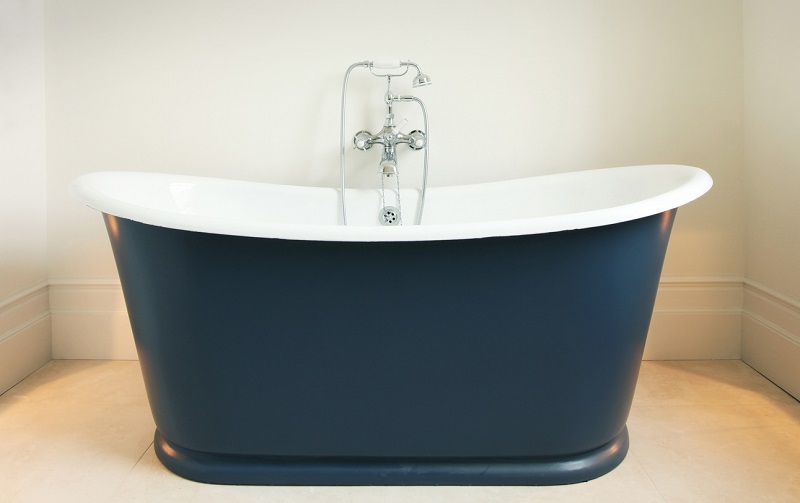
Roll top baths come in five distinct shapes, and the shape affects both function and visual presence. Most buyers see a roll top tub and think of one shape — the classic oval with matching ends — but the variations are meaningful.
The standard double-ended roll top is the most familiar shape: an oval basin that rises symmetrically at both ends. The drain sits in the center or offset to one end. Both ends can be used as headrests, which makes this shape genuinely comfortable for two people bathing simultaneously. It’s also the easiest shape to position in a room because it reads identically from both sides.
A single-ended roll top has one sloped end for the back and one flat end for the feet. The drain is positioned at the foot end. The sloped back is angled for reclining, which makes solo soaking more ergonomically comfortable than a fully symmetrical tub. If you plan to use the bath primarily alone and want proper lumbar support, single-ended is the better functional choice.
A slipper roll top has one raised end, typically the head end, that rises significantly higher than the foot end. This creates a chaise-like reclining position. Slipper tubs are more dramatic visually and more comfortable for long soaks, but they read as directional — the high end faces toward the room. Positioning matters more with a slipper tub than with double-ended models.
A double slipper raises both ends equally, creating an elevated basin in the center with matching rises at head and foot. This shape has the most architectural presence and the smallest effective soaking area relative to the tub’s exterior dimensions. It reads as more of a sculptural object than a functional fixture, which makes it a statement piece in a large bathroom and potentially cramped for taller users.
Some roll top baths sit on a solid base rather than legs, creating a pedestal or plinth profile. These are technically roll top baths by rim shape but freestanding pedestal tubs by configuration. They’re easier to clean around than leg-mounted models and read as more contemporary. The leg configuration is the primary visual cue that distinguishes a traditional roll top bath; if you want the Victorian or European aesthetic, legs are part of the look.
Material selection is where most buyers rely on surface-level guidance and later discover that real-world performance differs from what the spec sheet suggested. Here is how the four most common roll top bath materials actually compare across the factors that matter.
Stone resin roll top baths are made from a composite of natural stone aggregate and resin binder, cast into a solid form. The result is a bath that is warm to the touch, non-porous, and substantially lighter than cast iron while maintaining excellent heat retention.
Heat retention is where stone resin genuinely competes with cast iron. The dense composite material holds water temperature longer than acrylic or fiberglass and performs comparably to cast iron in most residential use scenarios. The key practical difference is weight: a stone resin roll top bath typically weighs 200 to 350 pounds, compared to 300 to 500 pounds for a cast iron equivalent of the same size. That 100 to 150-pound difference is meaningful for floor reinforcement requirements and for delivery logistics.
Stone resin tubs are also non-porous, which means they resist staining, odor absorption, and bacterial growth without requiring sealing. The surface is solid throughout: if it chips or scratches, the material beneath is the same color and texture as the surface, making minor repairs far less visible than they would be on a porcelain-coated cast iron tub.
Cleaning stone resin requires only mild, non-abrasive products. Avoid acid-based cleaners, which can affect the resin surface over time. A soft cloth with a pH-neutral cleaner is the standard for long-term maintenance.
Cast iron is the original roll top bath material and the benchmark against which all others are compared. A cast-iron tub is a solid metal casting coated with a layer of porcelain enamel on the interior. The enamel provides the smooth, bright finish; the cast iron provides the thermal mass.
Heat retention in cast iron is excellent, though the tub takes longer to warm up than stone resin because the iron itself absorbs heat before transferring it to the water. Running hot water for the first few minutes before filling is standard practice with cast iron.
The principal challenges with cast iron are weight and finish vulnerability. A cast-iron roll-top bath typically weighs 300 to 500 pounds empty. Filled with water and in use, the total load can reach 800 to 1,000 pounds or more. Most residential floors require reinforcement before a cast iron tub installation. This is not optional; it is a structural requirement in most cases.
The porcelain enamel finish is durable but can chip with impact. A chip on a cast iron tub exposes bare metal beneath, which will rust if not repaired. Enamel touch-up kits exist, but the repair is visible. This is a meaningful long-term maintenance consideration.
Acrylic roll top baths are formed from sheets of acrylic that are vacuum-molded into shape and reinforced with fiberglass backing. They are significantly lighter than stone resin or cast iron, typically weighing 100 to 150 pounds, and substantially less expensive.
The trade-offs are heat retention and durability. Acrylic holds water temperature less effectively than stone resin or cast iron: expect a noticeable temperature drop over 30 minutes of soaking. Acrylic surfaces also scratch more easily than stone resin or enamel and can flex perceptibly under weight, which affects the perceived quality of the product in use.
For a secondary bathroom or a household where the roll top bath will be used infrequently, acrylic is a reasonable choice. For a primary bathroom that will see regular soaking use, the performance gap between acrylic and stone resin or cast iron is worth the price difference.
Copper roll top baths are manufactured from hand-hammered or machine-formed copper sheet. They are the most expensive option and among the most distinctive. Copper is naturally antimicrobial, develops a patina over time (which buyers may find appealing or objectionable), and retains heat well.
The cleaning and maintenance requirements of copper baths are specific: conventional bathroom cleaners damage the copper surface. Copper-specific care products and regular patina management are ongoing requirements. If you’re drawn to the look, go in with realistic expectations about the upkeep.
Fiberglass is the entry-level material for roll top baths: lightweight, inexpensive, and the least durable of the five options. Fiberglass tubs can fade, crack, and flex in ways the other materials do not. For a roll top bath in a primary bathroom, fiberglass is generally not the right choice. It is included here for completeness, not as a recommendation.
The weight of a roll top bath is the most practically important specification many buyers overlook.
Material weights by type:
A cast iron roll top bath filled with water and occupied can put 800 to 1,200 pounds on a residential floor over a relatively small footprint. Standard residential floors are rated for 40 pounds per square foot of live load. That rating is almost certainly exceeded by a filled cast iron tub in use.
Before purchasing a stone resin or cast iron roll top bath, have a contractor or structural engineer assess the floor in the installation area. In most cases, this means either:
Do not skip this step. The alternative is discovering the problem after the tub is installed, when the fix is significantly more complex and expensive.
A standard roll top bath is 55 to 67 inches long and 27 to 31 inches wide. In addition to the footprint, you need clearance around the tub on all exposed sides: a minimum of 12 inches to clean underneath and around the legs, and at minimum 24 inches on the access side to enter and exit comfortably.
In a 5×8 bathroom, roll top bath is possible but tight. A 55-inch roll top positioned lengthwise leaves roughly 35 inches between the tub and the opposite wall, which is adequate for access but not generous. In bathrooms under 60 square feet, measure the specific tub model you’re considering against your actual dimensions before purchasing.
A roll top bath is a soaking fixture, not a daily shower. Most roll top baths are used in combination with a separate shower, either in the same bathroom or adjacent to it. If a roll top bath will be your only bathing option, read the shower conversion section below before deciding.
If your household includes young children, note that the roll top bath’s height (the rim is typically 22 to 26 inches off the floor) requires more assistance for entry and exit than a standard built-in tub. The rounded rim, however, provides a comfortable grip point for adults.
A roll top bath can function as a shower with the right accessories, though the experience is different from a purpose-built shower enclosure.
The standard conversion requires three elements: a floor-mounted or wall-mounted faucet that includes a handheld showerhead, a shower curtain rod that encircles the tub (typically a circular or oval ring that mounts to the ceiling or wall), and a curtain that hangs from the rod to contain water.
This setup works. The containment is imperfect, water occasionally escapes at the curtain seams — and the enclosure feels smaller than a standard shower. For occasional showering, it is a reasonable solution. For daily showering as the primary bathing method, most people find it less satisfactory over time than a dedicated shower.
The ideal configuration for a roll top bath is a bathroom that also includes a separate walk-in shower for daily use, with the roll top reserved for longer soaking baths. If your bathroom can accommodate both, that’s the layout that gets the most use out of both fixtures.
Like most things, roll-in bathtubs has several advantages and disadvantages over the regular shower, but the first disadvantage would be space. A shower is generally more compact, providing you a wider range of options for fitting in a small, medium or large space. While it is smaller than other freestanding tubs, roll top bathtubs are still considered freestanding tubs and will require a decent sized bathroom to fit inside.
On the other side, a roll top bathtub is aesthetically more inviting as it is a freestanding bathtub and thus will be much more attractive than just a simple shower. The rolled over edge also makes it much more comfortable for lounging and sitting compared to standing in a regular shower. Price point wise, they are quite similar, so there isn’t much discussion there.
Conversely you could always attach a shower curtain and a wall faucet and combine your roll top bathtub into a shower combo, grabbing the benefits of both.
Roll top baths are commonly available in these lengths:
As a practical rule: the tub interior should be at least 10 inches longer than the user’s height for comfortable full-length soaking. Most people are more comfortable in a tub slightly longer than they need than in one that’s marginally short.
Width also matters, though the range across standard models is narrower (27 to 31 inches). Narrower tubs may feel restrictive for broader-shouldered users. If you have the opportunity to test a floor model before purchasing, do.
Stone resin and acrylic: clean with a soft cloth and a pH-neutral cleaner. No abrasive pads, no acid-based products. Rinse thoroughly after cleaning. These surfaces are the lowest-maintenance of the options.
Cast iron with enamel: clean with a non-abrasive, non-acid cleaner. Avoid steel wool or metal-based scrubbers. Inspect the enamel surface periodically for chips or cracks and address them promptly with a touch-up kit to prevent rust formation.
Copper: use copper-specific cleaners. The patina will develop over time; whether to maintain or remove the patina is a matter of preference, but maintaining a specific look requires regular attention.
The exterior of a roll top bath requires the same attention as the interior. Polish the legs and feet using the appropriate product for the finish (chrome, brushed nickel, oil-rubbed bronze, and gold finishes each have specific care requirements). Cleaning underneath and around the legs is the ongoing maintenance task most buyers underestimate: a floor-mount freestanding tub requires regular mopping and wiping of the floor space beneath and around it.
Bath caddy or tray: spans the width of the tub and holds soap, a book, and a drink. More useful than it sounds. Look for one with adjustable ends that fit your specific tub width.
Drain kit: confirm your drain kit is compatible with your tub’s drain opening size and your home’s drain line. Standard residential drains are 1.5 to 1.75 inches; confirm the match before the tub arrives.
Bath mat: a non-slip mat on the floor beside the tub is a genuine safety item, not a decorative one. The area beside a roll top bath gets wet during entry and exit.
Shower curtain ring and curtain: if you plan to shower in the roll top, invest in a quality ceiling-mount ring and a weighted curtain that reaches the floor. Cheap alternatives leak and look wrong.
Floor-mounted faucet and fixtures (required for most roll top configurations): $300–$1,200 additional, depending on finish and quality.
Delivery and installation: roll top baths require specialized delivery due to weight. Professional installation including plumbing connection runs $500–$1,500 in most markets, excluding any floor reinforcement work.
The full cost of a stone resin roll top bath in a typical residential installation — tub, fixtures, delivery, and installation — runs $2,500 to $5,000 before any floor reinforcement. Cast iron configurations run higher. Plan accordingly.
A roll top bath is right for a bathroom that has the space to accommodate it properly, a floor that can support the weight, and a household that will actually use it for what it’s designed for: long soaks, quiet time, an intentional counterpoint to a rushed daily routine.
It is probably not the right choice if your bathroom is below 50 square feet and you have no separate shower, if floor reinforcement is financially out of scope, or if the primary users of the bathroom are children or individuals with significant mobility constraints.
If you’ve measured the space, confirmed the floor, and know this is the fixture you want to build the bathroom around, a roll top bath is one of the most durable and visually distinctive investments in residential design. Stone resin models at the mid-range price point deliver the heat retention, weight, and surface quality that most buyers are looking for, without the maintenance complexity of cast iron or copper.
The tub that fits your bathroom and your life is the one worth buying. Take the time to find it before you commit.

Eric is the founder and president of Badeloft USA. He has been the president of Badeloft’s US division for over ten years and oversees all marketing and branding aspects of Badeloftusa.com.
His expertise lies in small business development, sales, and home and bathroom industry trends and information.
Contact us with any business related inquiries.
Badeloft is dedicated to helping homeowners make informed decisions about their bathrooms. We adhere to strict editorial guidelines to ensure our content is accurate, trustworthy, and useful.
Request free stone resin and stainless steel material samples. Delivered to your door.
Bathroom storage fails the same way every time: it gets planned last. By the time the tiles are in and
A waterfall faucet is one of the most visually compelling fixtures a bathroom can have. It’s also one of the
Choosing a bathtub color is one of the few bathroom decisions you’ll live with for 15 to 20 years. Get
Most bathtub decisions come down to what fits the space and what fits the budget. That is a reasonable starting
Request your free material sample below. By submitting, you agree to receive occasional product updates and offers from Badeloft. Unsubscribe anytime.
"*" indicates required fields