
40+ Luxury Bathroom Ideas for 2026 – Designs That Actually Make the Investment Worth It
Spring is peak bathroom renovation season – and with remodel costs up 15–20% this year, the pressure to get it
Most people don’t realize how big a decision choosing a bathtub can be. The material of a tub affects how warm the water stays, how much you will clean, how long the tub lasts, and of course, how much you will spend. Whether you are replacing a worn-out tub in a home you have lived in for years or choosing materials for your first real bathroom renovation, getting this decision right saves you from costly replacements and the quiet frustration of a tub that never quite felt worth it.
This guide breaks down the most popular bathtub materials, their pros and cons, and how much they will cost you in 2026.
Bathtubs are made from a variety of materials. The right selection goes a long way in making your tub perform optimally for a long time without requiring excessive maintenance. Here are a few factors to consider when making your choice.
Long soaks may need more than a few minutes to hit that sweet spot. Some materials retain more heat than others. For example, cast iron, copper, and stone resin bathtubs are heat-retentive, while fiberglass and enameled steel bathtubs are heat dissipative. Some materials lose heat in 15 to 20 minutes, while others retain heat for long without needing to replace the water.
The heavier the bathtub, the stronger the support it needs. Cast iron bathtubs without any additions can weigh anywhere from 300 to 500 pounds, and stone resin bathtubs are in that same range. Therefore, if you live in an old house and are doing a second-floor installation, it may require costly sub-floor reinforcement. On the other hand, acrylic and fiberglass bathtubs are the lightest materials and are therefore the easiest and cheapest to put in any home. This is one of the most common surprises during a renovation, discovering the floor needs reinforcement after you’ve already committed to a material. If you are leaning toward cast iron or stone resin, confirm your subfloor situation with a contractor before you fall in love with a specific tub
Certain materials are virtually self-maintaining. Stone resin, cast iron, and copper, for example, require little more than warm water and mild soap. Other materials, however, require more careful consideration and cleaning. Fiberglass wears down more easily and needs gentler handling to avoid making things worse. Ceramic tile tubs need regular regrouting to keep water from getting behind the surface. And wood tubs need consistent resealing to prevent rot. Be honest about how much time you are willing to spend on upkeep. The best material is the one that fits your actual habits, not the cleaning routine you wish you had.
Fiberglass and acrylic are the most affordable options to buy and install. But a cheap tub that needs replacing in 10 years can end up costing more over time than a stone resin or cast iron tub that lasts for decades with very little upkeep. When comparing prices, it helps to think beyond the sticker price and consider the full picture: installation, potential floor reinforcement, cleaning products, and how many years you will realistically get out of the tub. Homeowners who have replaced a budget tub once tend to invest further up the range the second time. If longevity matters to you, it is worth doing that math before you buy.
Different materials lend themselves to different looks. Stone resin has a clean, matte finish that works naturally in modern and minimalist bathrooms. Cast iron and porcelain are better suited to traditional or vintage spaces. Copper and wood tend to work best as statement pieces where the rest of the room is designed around them. Acrylic is the most flexible of the bunch. It comes in more shapes, sizes, and colors than any other material, which makes it easy to work into just about any bathroom style.
Bathtubs come in a wide range of materials. At the cheaper end, fiberglass, enameled steel, and basic acrylic keep costs low, but some of these are porous, which means they soak up water over time and need more scrubbing (and eventually, replacement). At the higher end, stone resin, cast iron, and copper are denser, non-porous, and hold heat much better, so your bathwater stays warm longer.
What it is: Fiberglass is a type of reinforced plastic formed into layers, molded into a bathtub shape, and then coated with a layer of gelcoat resin.
Fiberglass is the most budget-friendly bathtub material available. It is extremely lightweight, which makes delivery and installation fast and inexpensive. For guest bathrooms, rental properties, or quick renovations where the tub will not see heavy daily use, fiberglass is a practical and economical choice.
On the other hand, fiberglass is one of the more fragile options. It is porous, meaning it absorbs water over time, which can lead to cracking, warping, and internal damage. The finish tends to fade and scratch with regular use, and the material has a tendency to flex underfoot, which makes it feel less stable than heavier materials. If the surface does get scratched or cracked, minor repairs are usually doable without replacing the whole tub. However, most fiberglass tubs will need full replacement within 10 to 15 years.
One concern we hear often from buyers who chose fiberglass: they did not expect how quickly the surface would show wear. If you are outfitting a primary bathroom you plan to keep for more than a decade, the savings upfront rarely hold up over the full timeline
Fiberglass tubs typically cost between $200 and $800.
Pros:
Cons:
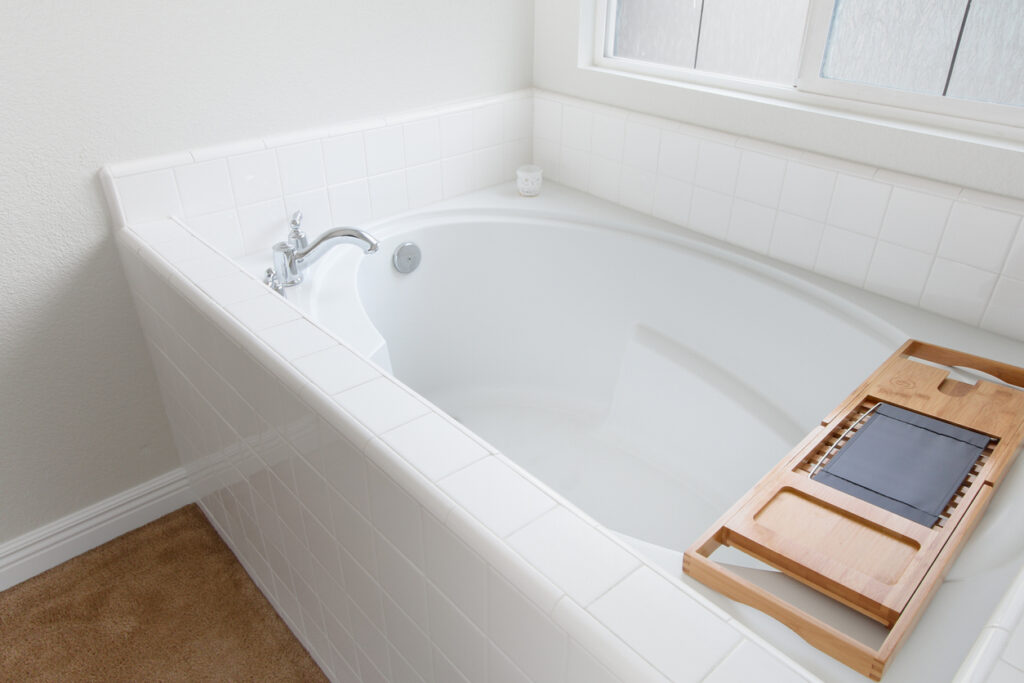
What it is: A stamped steel shell coated with a layer of porcelain enamel. It is one of the most common materials found in builder-grade bathrooms and apartments.
Enameled steel tubs are a familiar fixture in many homes, particularly in apartments and newer construction. They are affordable, relatively lightweight compared to cast iron, and have a smooth, glossy surface that resists stains and is easy to clean. They also feel more solid underfoot than fiberglass or acrylic, which is a noticeable improvement in terms of everyday comfort.
The main limitation is heat retention. Steel does not hold warmth well, so bathwater cools down faster than it would in a cast iron or stone resin tub. The enamel coating can also chip if struck by heavy objects, and once chipped, the exposed steel underneath is prone to rust. These tubs can feel cold to the touch before filling and tend to be noisy when water hits the surface.
Enameled steel tubs generally cost between $200 and $600.
Pros:
Cons:
What it is: Porcelain tubs are typically constructed from cast iron or stamped steel, then coated with porcelain enamel. Porcelain enamel is made by fusing powdered glass to the surface at high temperatures until it melts and hardens into a smooth, durable finish.
Porcelain is the material most people associate with a traditional bathtub. It has a glossy, smooth finish that looks clean and feels solid. Cleaning is straightforward. A little baking soda and warm water handles most stains, and the enamel surface resists scratches well under normal use.
However, porcelain enamel is brittle under impact. A dropped shampoo bottle or heavy object can chip the finish, and once chipped, repairs are difficult to make look seamless. The surface is also quite slippery, which can be a safety concern for some households. Heat retention is moderate and depends largely on what sits underneath the enamel. This is a detail worth asking about when you shop, two tubs that look identical on the surface can perform very differently depending on what is underneath the enamel. A porcelain-coated cast iron tub will hold warmth much longer than one built on a stamped steel base. Porcelain tubs are heavier than acrylic, so some additional planning may be needed during installation.
Porcelain tubs range from $400 to $2,000, depending on whether the base is steel or cast iron.
Pros:
Cons:
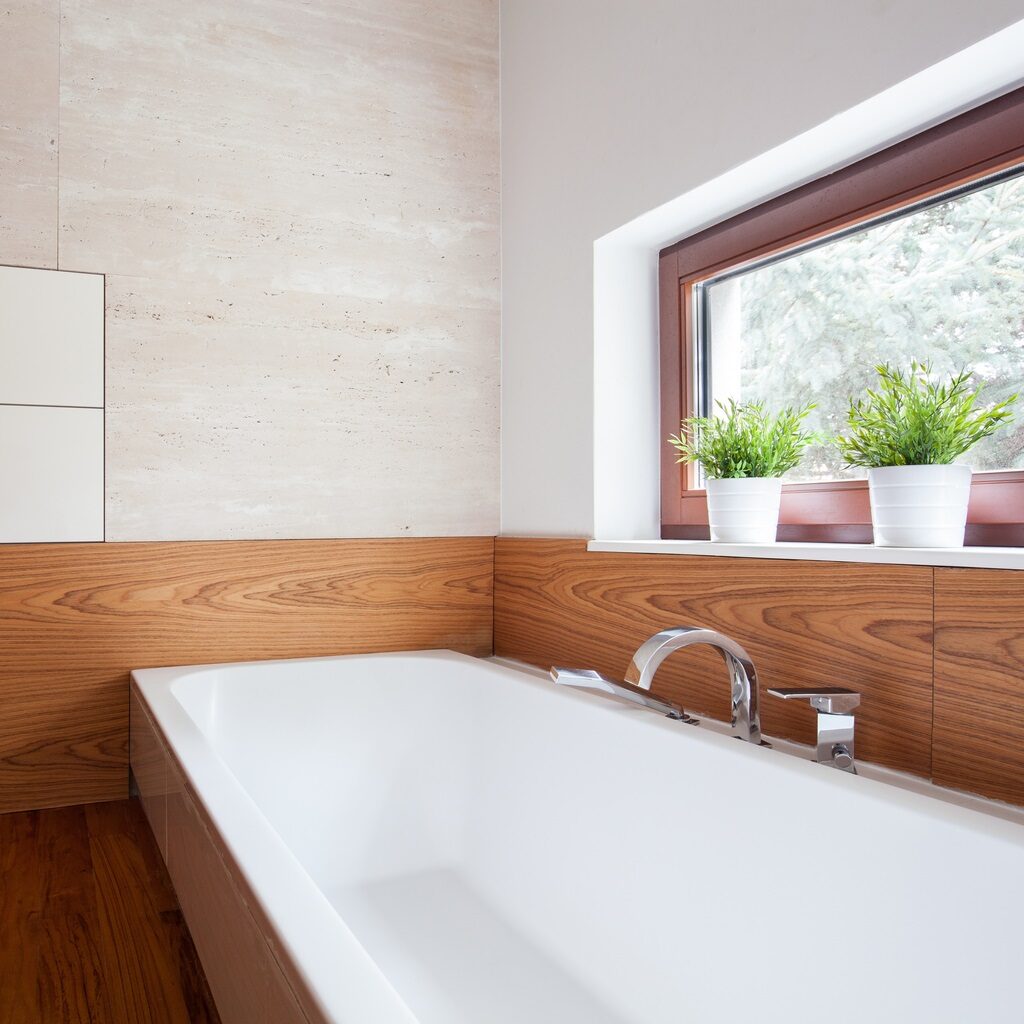
What it is: Acrylic tubs are made from solid sheets of acrylic (a type of plastic derived from petrochemicals, stabilizers, resins, and fillers) that are heated, molded into a tub shape, and then reinforced with fiberglass on the underside.
Acrylic is the most widely used bathtub material today. It is lightweight enough for second-floor installations and remodels where weight is a concern, and it comes in more shapes, sizes, and colors than any other material on the market. Whether you are doing a full bathroom renovation or simply replacing an old tub, acrylic is a practical option for most setups.
The surface is non-porous, so it does not absorb water. It retains heat better than fiberglass or steel, resists mildew and stains, and is easy to keep clean with mild soap and a soft cloth. Acrylic works well for standard alcove configurations as well as freestanding designs.
On the downside, acrylic can flex underfoot, particularly in cheaper models with thin walls and minimal reinforcement. The surface scratches more easily than porcelain or cast iron, and budget versions may discolor over time. That said, mid-range and higher-end acrylic tubs with thicker reinforcement perform well and can last 15 to 20 years with proper care.
For first-time buyers navigating a renovation on a realistic budget, acrylic offers the most room to work with a wide selection, manageable installation, and a lifespan that holds up when you buy in the mid-range or above. Where people run into trouble is buying at the very low end of the acrylic price range and expecting premium performance
Acrylic tubs typically range from $400 to $1,400, depending on size and design.
Pros:
Cons:
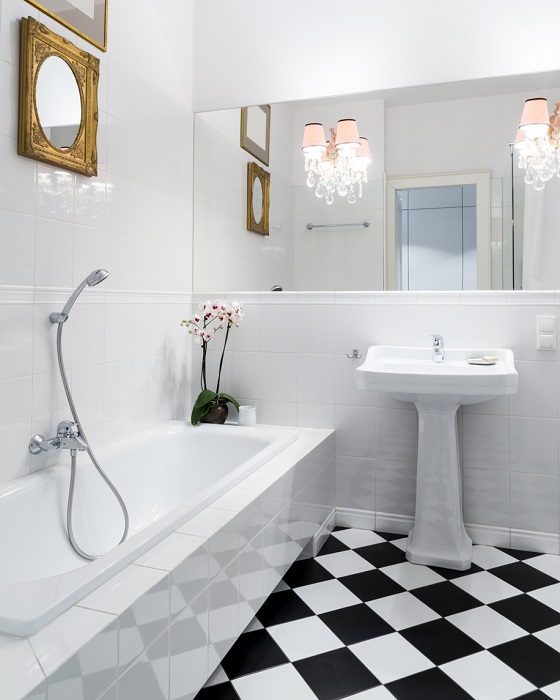
What it is: Ceramic bathtubs are created by forming ceramic tiles together. Ceramic itself is clay that has been heated to high temperatures until it hardens.
Ceramic tubs are less common than other materials today, but they still appear in custom projects and vintage-style bathroom renovations. The main appeal is aesthetic. Ceramic surfaces are smooth, highly polished, and available in a wide range of colors and tile-like finishes. This gives them a handcrafted, artisanal quality that works well in traditional or restoration-style bathrooms.
The tradeoff is maintenance. Because these tubs are typically constructed from tiled surfaces, they require ongoing grout care. If the grout deteriorates, water can seep behind the tiles and cause structural damage over time. The tiled surface can also feel uneven and bumpy against bare skin, which some people find uncomfortable for soaking. Heat retention is poor compared to solid-body materials like stone resin or cast iron. While ceramic looks sturdy, it can chip or crack if hit with enough force.
The tub itself generally costs between $500 and $1,000. However, the total installed cost can run significantly higher, often $5,000 to $10,000 or more, due to the tile labor involved.
Pros:
Cons:
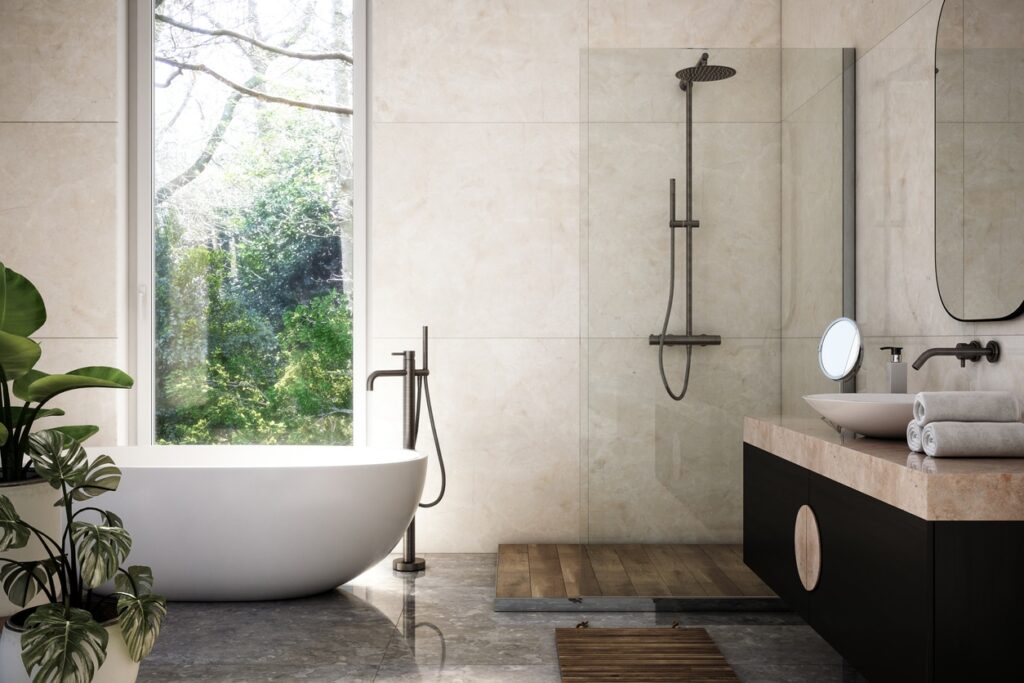
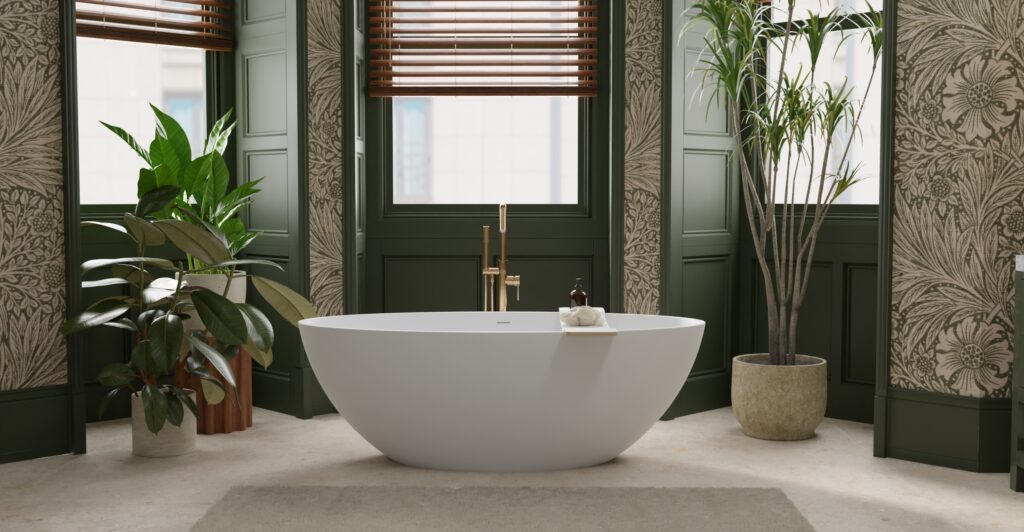
What it is: Stone resin is a composite of crushed natural stone bound with polymer resin and natural minerals. The result is a material that has the weight and feel of real stone without the extreme cost or the need for specialty installation.
Stone resin is non-porous, highly durable, and resistant to scratching, staining, and cracking. It retains heat well, which means bathwater stays warm for longer periods without needing to be topped off. The surface has a smooth, matte or satin finish that looks and feels like natural stone but is significantly lighter and easier to work with during installation.
One of the practical advantages of stone resin is how little maintenance it requires. Most stains and mildew wash away with warm water, and mildly abrasive cleaners like Comet or Ajax can handle tougher buildup. The color does not fade with repeated water exposure, and the material is 100% recyclable. Stone resin is also lighter than natural stone, making it available in a wider range of freestanding shapes and easier to position in the bathroom.
Stone resin does cost more upfront than acrylic or fiberglass, typically between $1,200 and $4,000. However, it is still well below natural stone or copper. The long lifespan (25 years or more) and minimal upkeep tend to offset the higher initial investment over time. For homeowners who have been putting off a master bathroom upgrade because they are not sure the investment is worth it, stone resin tends to be the material that settles that question. The look is premium, the maintenance is minimal, and the cost per year of ownership over a 25-plus-year lifespan often compares favorably to replacing a cheaper tub twice in the same window. For a stone resin freestanding bathtub that is one of the strongest options available, shop Badeloft’s stone resin tubs.
Pros:
Cons:
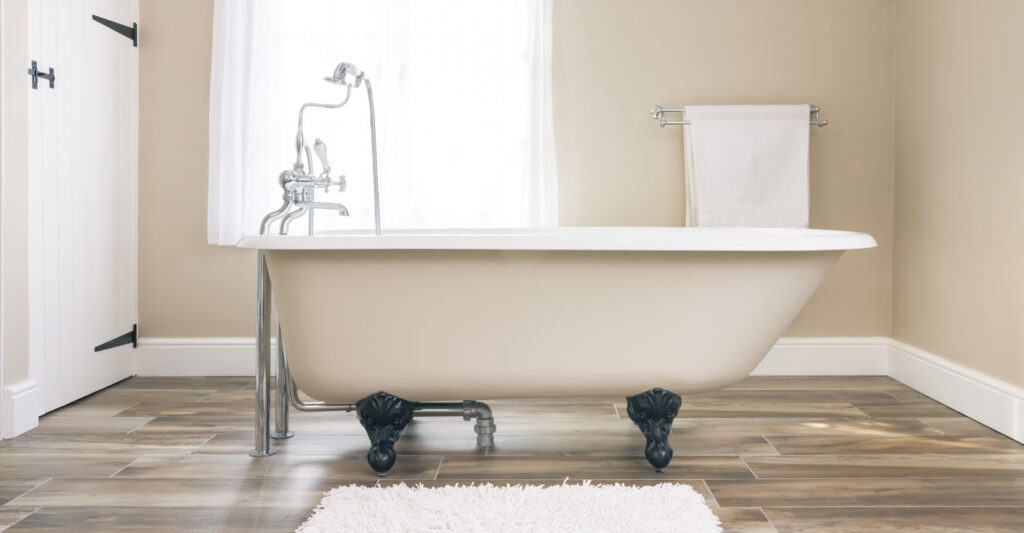
What it is: Molten iron poured into a bathtub mold, smoothed, and then coated with a layer of enamel.
Cast iron bathtubs have been a standard bathroom fixture for well over a century. They are heavy, solid, and built to last for decades with minimal upkeep. The standout feature is heat retention. Once the tub warms up, it holds onto that warmth exceptionally well, making it one of the best options for long soaks.
The enamel coating is smooth, glossy, and resistant to scratches, dents, and most cleaning chemicals. Cleaning is simple. Most mildew comes off with warm water and baking soda. Cast iron tubs are commonly found in clawfoot and freestanding designs and are often chosen for traditional or vintage-style bathrooms.
The main consideration is weight. Cast iron tubs typically weigh 300 to 500 pounds, which means your floor may need reinforcement before installation. That can add a few thousand dollars to the overall project cost. The tubs are also more difficult to transport and maneuver into place. If the enamel does chip, the exposed iron underneath can rust if not repaired quickly.
Cast iron tubs generally cost between $800 and $3,000.
Pros:
Cons:
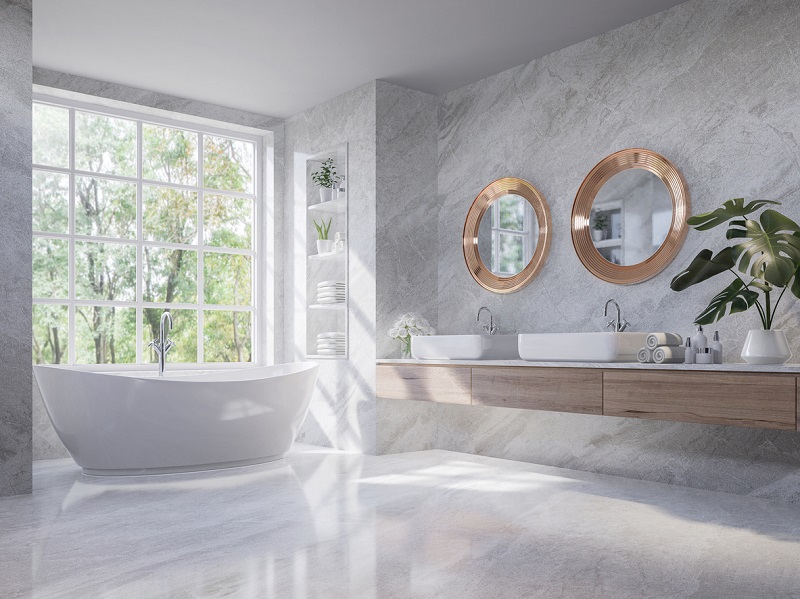
What it is: Cultured marble is made from crushed limestone mixed with resin, then finished with a layer of gelcoat. It is designed to look and feel like natural marble without the full weight or cost.
Cultured marble offers a polished, high-end appearance at a lower price point than real marble. It retains heat well, comes in a wide variety of shapes, sizes, and colors, and has a rich finish that gives the impression of a more expensive material. Minor scratches or dull spots on the surface can typically be repaired with car wax or silica-based polishing products.
The main consideration with cultured marble is upkeep. For best results, the tub should be wiped down after each use with a mixture of soap and distilled vinegar. Without that regular attention, cultured marble is prone to discoloration and mildew buildup over time. It is also heavier and more expensive than acrylic. Cultured marble works best for homeowners who appreciate the marble aesthetic and are comfortable with a more involved cleaning routine.
Cultured marble tubs typically cost between $700 and $2,000.
Pros:
Cons:
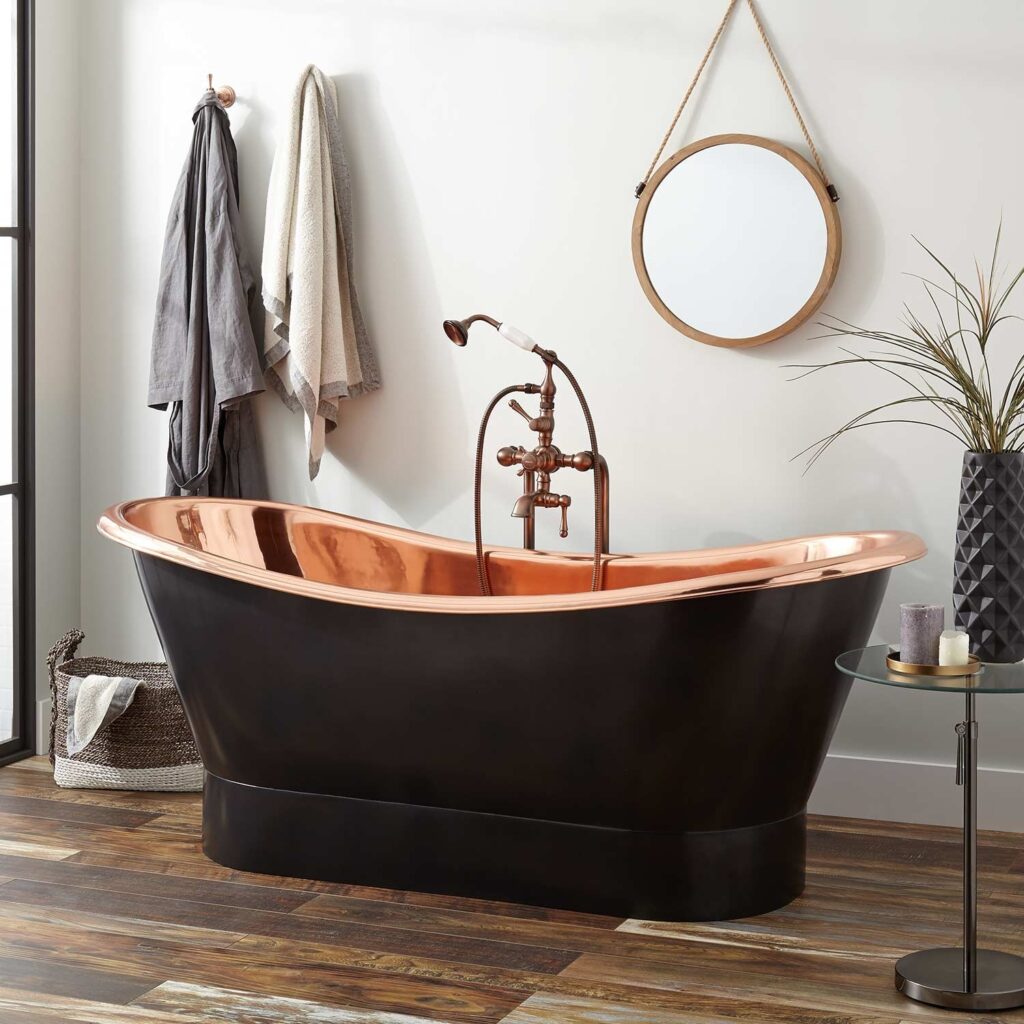
What it is: Copper bathtubs are made by hammering sheets of pure copper into a bathtub shape. The process is labor-intensive, which contributes to the high price.
Copper is a more niche material than most options on this list. These tubs are typically handcrafted, meaning each one has its own character. Copper has a rich, warm tone and a hammered texture that adds a sense of craftsmanship to the bathroom. Over time, the surface develops a natural patina that gradually changes the appearance of the tub. Some homeowners appreciate this evolving finish, while others find it harder to control.
From a practical standpoint, copper performs well. It retains heat very effectively, has natural antimicrobial properties that resist bacteria and mold, and is relatively easy to keep clean with mild soap and water. No harsh chemicals are needed.
The tradeoffs are cost and weight. Copper tubs are among the most expensive bathtub materials available and are heavy enough to require some planning around installation and floor support. They are best suited for bathrooms where the tub serves as a focal point and the overall design is built around it.
Copper tubs usually start around $3,000 and can exceed $10,000, depending on the size, thickness of the copper, and level of craftsmanship involved.
Pros:
Cons:
What it is: A custom-made bathtub constructed from waterproof or water-resistant wood species such as teak, hinoki (Japanese cypress), or cedar.
Wooden bathtubs are rare and typically custom-made. They are crafted from hardwoods that naturally resist water and are sealed and treated to prevent absorption and cracking. The result is a warm, organic aesthetic that no other bathtub material can replicate.
The surface stays naturally warm to the touch, and certain wood species like hinoki release a subtle, calming fragrance when wet. Since wood is easy to shape, these tubs can be built in almost any size or configuration. They are commonly found in spa-inspired bathrooms and high-end custom projects.
The tradeoff is maintenance. Wood requires the most consistent care of any bathtub material. The waterproof sealant needs regular reapplication, and the tub should be fully drained and dried after each use. Chemical cleaners cannot be used. Overuse of the tub washes away the sealant, while extended periods of disuse dry out the wood and accelerate rotting. These tubs are also expensive, heavy, and not well-suited for households with heavy daily use. They work best in settings where the bathroom is designed around the tub itself.
Wooden tubs typically start around $3,000 and can exceed $10,000 depending on the wood species, craftsmanship, and level of customization.
Pros:
Cons:
If you are curious about what other people are actually buying, the industry data from the past couple of years paints a pretty clear picture. Acrylic is still the most popular bathtub material by a wide margin. It held roughly 40% of the global bathtub market by revenue in 2023 (Source).
Stone resin (sometimes listed as solid surface) has been gaining ground fast, especially in freestanding tubs. Stone resin and solid surface options now make up about 18% of the freestanding bathtub market, and that share keeps growing. (Source)
At the end of the day, the best bathtub material is the one that fits how you actually live. A simple acrylic alcove tub works perfectly for a lot of people. A freestanding stone resin tub is worth the investment if you want something that looks and feels premium without the hassle. Whatever you pick, getting the material right from the start saves you from dealing with replacements, repairs, and regret down the road.
1. Decide how often you actually soak. If heat retention matters, eliminate fiberglass and enameled steel immediately.
2. Check your floor. If you are on a second floor or in an older home, confirm what the subfloor can support before shortlisting cast iron or stone resin.
3. Be honest about your maintenance tolerance. If you want something that takes care of itself, focus on stone resin, cast iron, or acrylic and remove wood, ceramic, and cultured marble from consideration.
4. Request material samples before you commit. Seeing and feeling the finish in your bathroom light makes a bigger difference than any product photo.
What is the best material for a bathtub?
It depends on your priorities. For most homeowners, acrylic offers the best balance of affordability, variety, and easy installation. If you want something more premium, stone resin delivers better durability, heat retention, and a high-end look without the extreme weight of cast iron or the maintenance demands of natural stone. Cast iron is the top choice if heat retention is your main concern and your floor can handle the weight. There is no single “best” — the right material is the one that fits your budget, bathroom layout, and how you actually use the tub.
Is fiberglass or acrylic better for a bathtub?
Acrylic is better in almost every practical category. Both are lightweight and affordable, but acrylic is non-porous, retains heat longer, resists stains more effectively, and lasts 15 to 20 years compared to 10 to 15 for fiberglass. Fiberglass absorbs water over time, which leads to cracking, warping, and discoloration. The main advantage fiberglass still holds is price — it is the cheapest bathtub material on the market. But the gap has narrowed. Budget acrylic tubs now start around $400, making it worth spending a little more upfront to avoid an early replacement.
What tubs do plumbers recommend?
Most plumbers recommend acrylic for standard installations because it is lightweight, easy to fit, and works with common plumbing setups without complications. For homeowners looking for a longer-lasting option, many plumbers also recommend stone resin or cast iron — though both require more planning around weight and floor support. The material plumbers most often advise against is cheap fiberglass. Its short lifespan and tendency to flex and crack frequently leads to callbacks and premature replacements.
What are luxury bathtubs made of?
Luxury bathtubs are typically made from stone resin, cast iron, copper, natural stone (such as marble or granite), or wood. Stone resin is the most popular choice in the premium segment right now because it delivers a high-end appearance and feel — smooth, matte, and sculptural — without the extreme weight of natural stone or the upkeep of wood. Copper and wood tubs tend to be the most expensive options and are usually chosen as statement pieces in custom or spa-inspired bathrooms. Cast iron remains a classic luxury material, particularly in clawfoot and freestanding designs.
What is the best bathtub material for longevity?
Cast iron has the longest lifespan of any common bathtub material — a well-maintained cast iron tub can last 50 years or more. Copper is similarly long-lasting. Stone resin typically lasts 25 years or longer with very little maintenance, making it one of the best values in terms of durability relative to cost. At the shorter end, fiberglass has a lifespan of only 10 to 15 years, and standard acrylic falls in the 15 to 20 year range. If longevity is a priority, investing in stone resin, cast iron, or copper upfront will save you from dealing with an early replacement.

Eric is the founder and president of Badeloft USA. He has been the president of Badeloft’s US division for over ten years and oversees all marketing and branding aspects of Badeloftusa.com.
His expertise lies in small business development, sales, and home and bathroom industry trends and information.
Contact us with any business related inquiries.
Badeloft is dedicated to helping homeowners make informed decisions about their bathrooms. We adhere to strict editorial guidelines to ensure our content is accurate, trustworthy, and useful.
Request free stone resin and stainless steel material samples. Delivered to your door.
Spring is peak bathroom renovation season – and with remodel costs up 15–20% this year, the pressure to get it
It’s spring, tax refunds are landing, and if you’ve been putting off a bathroom upgrade, you’re in good company. A
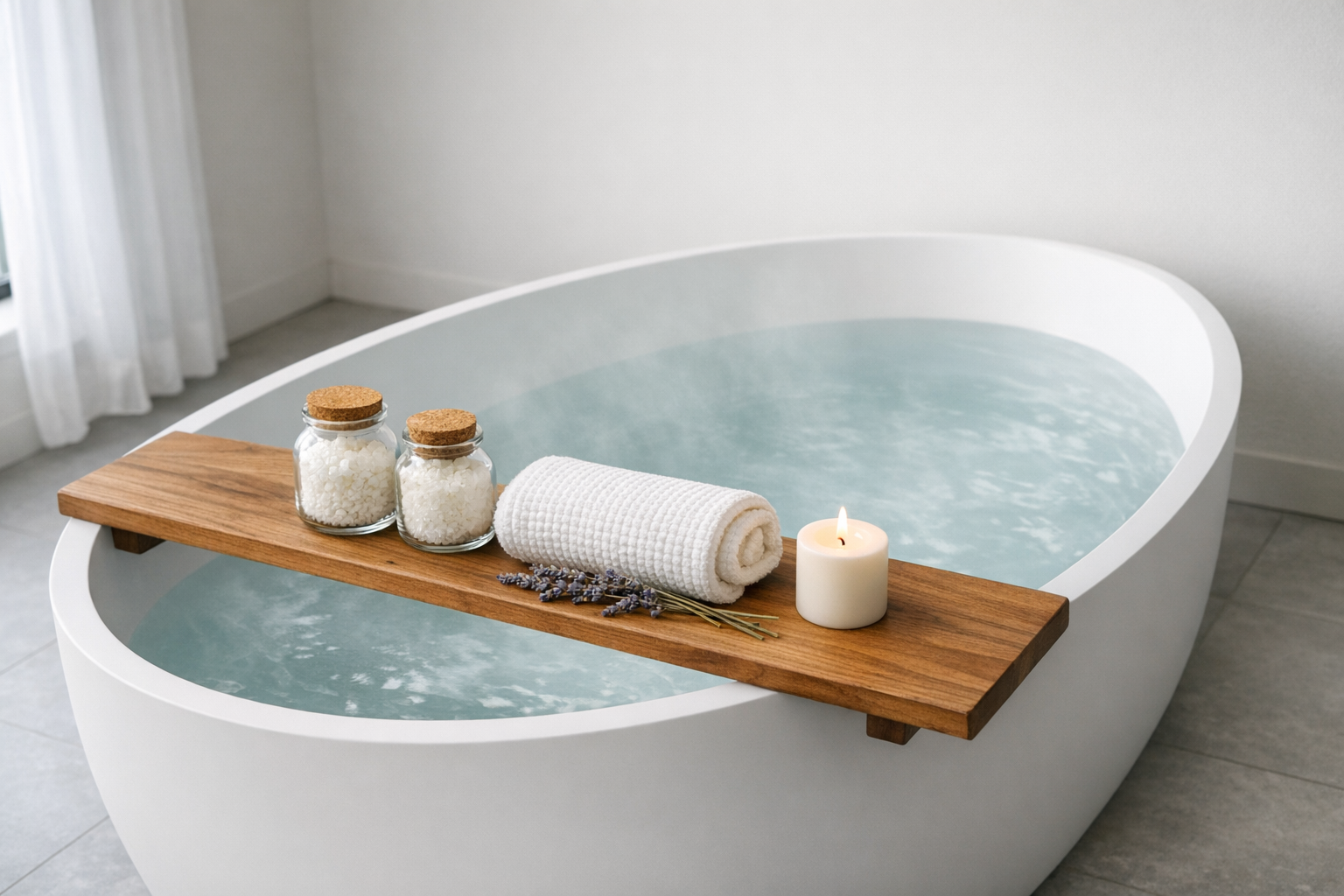
There is something almost ceremonial about drawing a bath. The sound of water filling a deep tub, the slow release
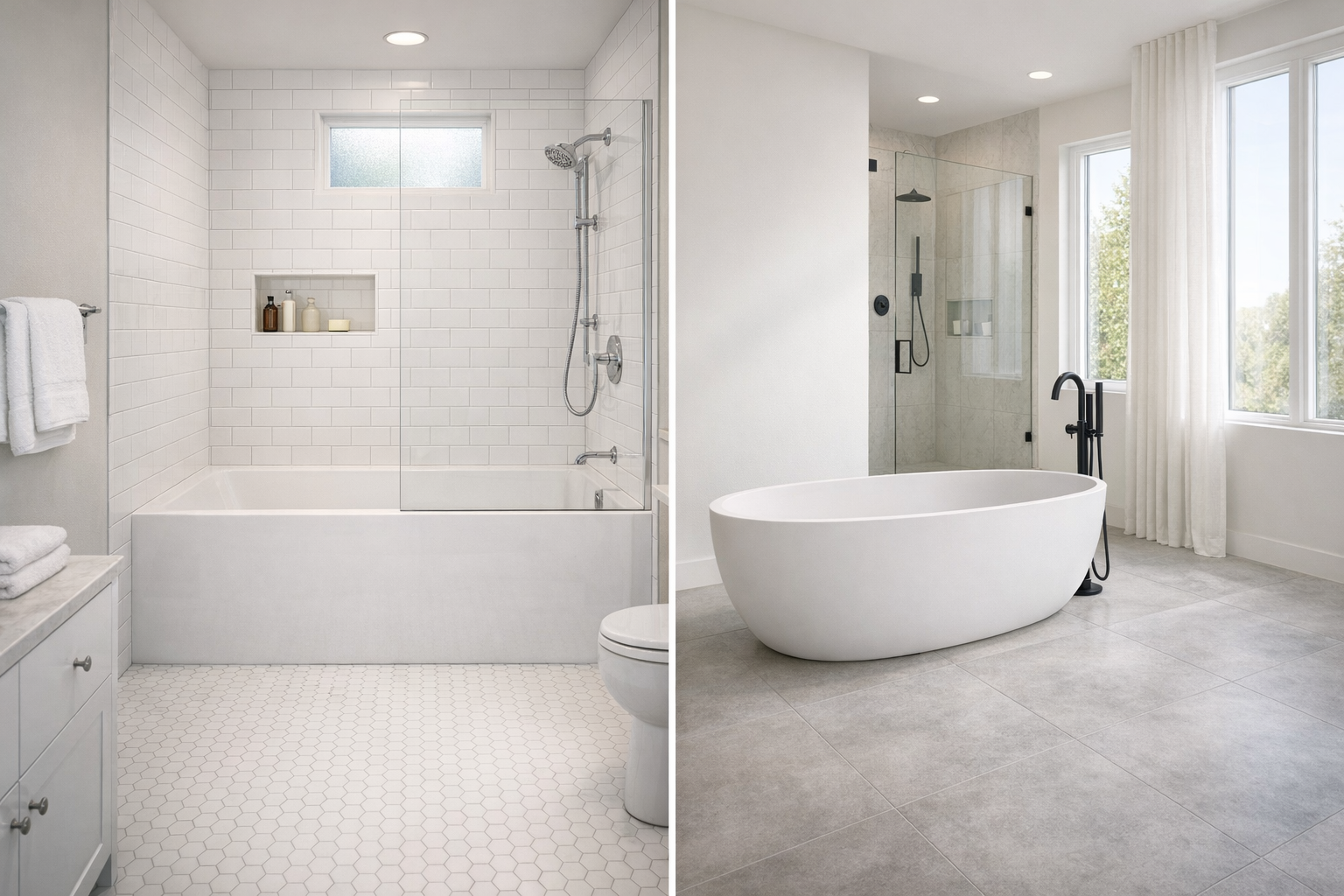
You’re planning a bathroom renovation and staring down one of the most common decisions homeowners face: do you keep a
Request your free material sample below. By submitting, you agree to receive occasional product updates and offers from Badeloft. Unsubscribe anytime.
"*" indicates required fields
7 thoughts on “Common Bathtub Materials: Pros, Cons, and Costs for 2026”
Thank you for your informative & detailed input on all types of tubs. Will make my choice much easier when I redo my master bathroom.
You’re welcome!
The tub is beautiful, however, the drain stop gasket does not seal and water drains out of the tub. Have been trying to contact the company for a replacement part with no results yet. Working with the plumber who will come up with a solution, at no doubt, great expense to me.
Best,
J. Concory
Dear Mr/Ms.
May I ask how to test the heat retention of materials, do you have a standard testing?
Thanks a lot.
Please email usa@badeloft.com with this question.
What is best material for an alcove bathtub?
We’re a bit bias but stone resin is in our opinion the best material you can use on a tub. https://www.badeloftusa.com/buying-guides/stone-resin/