
How to Choose the Best Freestanding Bathtub: Sizes, Materials, and Our Top Picks
“Best” means something different in every bathroom. The best freestanding bathtub for a 5×8 guest bath is a terrible pick
Choosing the right bathtub drain stopper is essential for creating a comfortable and functional bathing experience. With over 20 common and advanced options available, a stopper suits every need, from traditional designs to modern, high-tech solutions. Whether you’re looking for a simple, budget-friendly option, a sleek and stylish upgrade, or a specialized stopper for a custom tub, understanding each type’s pros, cons, and unique features can help you make an informed decision. This guide explores the wide variety of bathtub drain stoppers, offering insights into their functionality, maintenance, and ideal use cases.
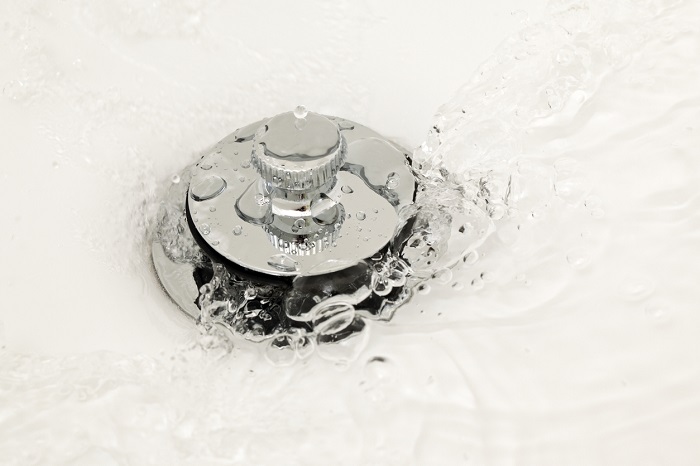
The lift-and-turn stopper operates by lifting the small knob on the stopper and twisting it to either open or close the drain. The stopper remains in the drain and must not be removed for operation. It is commonly used in traditional bathtubs and is relatively straightforward in design.
Pros:
Cons:
Best Use Case:
A lift-and-turn stopper is excellent for traditional bathtubs in homes with moderate water usage. It’s a good choice when durability and ease of use are priorities, but regular maintenance isn’t an issue. For instance, homeowners looking for a timeless design in their guest or family bathrooms might prefer this type.
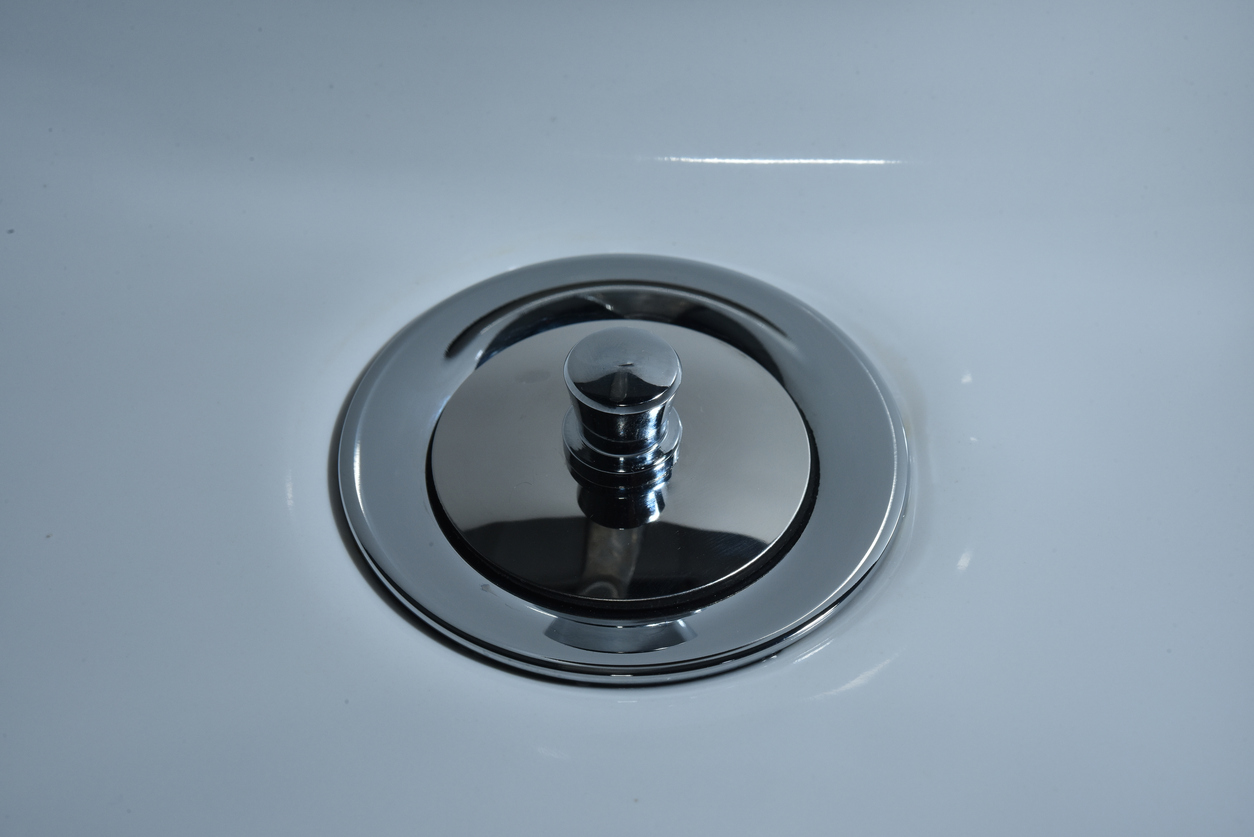
This stopper works similarly to the lift-and-turn but uses a push-and-pull motion to control the drain. It features a knob that you pull up to open the drain and push down to close it. The stopper stays fixed in the drain, eliminating the need for removal during operation.
Pros:
Cons:
Best Use Case:
A push-and-pull stopper is an excellent choice for family bathrooms where ease of operation is essential. It’s instrumental in homes with children or older adults who might struggle with more complex mechanisms. Its durability also makes it ideal for high-traffic bathrooms.
The toe-touch stopper operates with a gentle press of your toe. Pressing it once closes the drain, and pressing it again opens it. It features a spring-loaded mechanism designed for ease of use and a clean, minimalist appearance.
Pros:
Cons:
Best Use Case:
A toe-touch stopper is ideal for modern or minimalist bathrooms whe,re design and convenience are key considerations. It workalso s well in master or guest bathrooms whe,re priorities include a clean look and quick functionality.
The flip-it stopper features a toggle mechanism that flips to open or close the drain. It is a low-maintenance stopper that does not require installation tools and can be easily adjusted by hand. It sits directly in the drain opening.
Pros:
Cons:
Best Use Case:
A flip-it stopper is an excellent choice for temporary solutions or rental properties where easy installation and removal are essential. It’s beneficial for quick fixes or upgrading an old stopper without committing to a permanent installation.
The plunger or pop-up stopper is controlled by a lever or knob on the overflow plate. The lever moves a plunger inside the drain pipe, opening or closing the drain to control water flow.
Pros:
Cons:
Best Use Case:
A plunger or pop-up stopper is perfect for built-in bathtubs in homes that prioritize a seamless, integrated design. It’s ideal for homeowners seeking a secure seal and those willing to invest in professional installation for long-term reliability. This stopper works exceptionally well in traditional or luxury bathrooms.
The trip-lever stopper operates via a lever on the overflow plate, which moves a plunger inside the drain. Depending on the lever’s position, the plunger blocks or unblocks the water flow. This stopper type is commonly found in built-in bathtubs and older bathroom designs.
Pros:
Cons:
Best Use Case:
A trip-lever stopper is ideal for built-in bathtubs in traditional bathrooms or homes with older plumbing systems. It’s a good choice for those who value durability and an integrated design but are prepared for occasional maintenance.
The PresFlo stopper works by pushing down to close the drain and pressing again to open it. It features a spring-loaded mechanism and typically requires no tools for installation.
Pros:
Cons:
Best Use Case:
A PresFlo stopper is ideal for modern bathrooms whe,re simplicity and aesthetics are key. It’s an excellent choice for homeowners lookwho wantinimalistic design and ease of installation.
This stopper consists of a rubber or silicone plug attached to a chain. The plug is manually placed over the drain to seal it and removed by pulling the chain.
Pros:
Cons:
Best Use Case:
The chain-and-plug stopper is a practical choice for vintage-style bathrooms or homes looking for a simple, no-frills solution. It’s instrumental in guest bathrooms or for temporary use.
This stopper is a flexible rubber or silicone disc that suctions directly over the drain to seal it. When pressed into place, it provides a watertight seal.
Pros:
Cons:
Best Use Case:
A flat or suction stopper is perfect for travelers, renters, or anyone looking for a temporary or portable bathtub solution. It’s also a great backup stopper for emergencies or occasional use.
This modern stopper design pops up or down with a gentle press. It is often integrated with an overflow system, providing functionality and a clean aesthetic.
Pros:
Cons:
Best Use Case:
The pop-up drain stopper is ideal for modern, high-end bathrooms that prioritize aesthetics and functionality. It’s an excellent choice for homeowners looking to enhance their bathtub with a contemporary feature.
The push-lock stopper operates by pressing down to lock it into place and pressing again to release it. It functions similarly to a toe-touch stopper but often includes additional locking mechanisms for security.
Pros:
Cons:
Best Use Case:
A push-lock stopper is ideal for those seeking a sleek, functional design with minimal maintenance. It’s a good option for contemporary bathrooms or homes prioritizing convenience.
This stopper resembles an inverted bell or bucket and fits snugly over or into the drain to create a seal. It is commonly found in vintage-style or freestanding bathtubs.
Pros:
Cons:
Best Use Case:
The bucket or bell stopper is perfect for freestanding or clawfoot tubs, particularly in homes with a vintage or traditional design theme. It’s an excellent choice for those prioritizing aesthetic charm over convenience.
The accordion stopper is a rubber stopper with a flexible, accordion-like design that fits tightly into the drain opening. Its shape allows it to compress and expand for a snug fit, creating a secure, watertight seal.
Pros:
Cons:
Best Use Case:
The accordion stopper is ideal for homeowners who need a versatile solution for multiple bathtubs or sinks. It’s beneficial in older homes with non-standard drain sizes or as a backup stopper.
The universal drain cover stopper is a simple silicone or rubber cover that fits over the entire drain to stop water flow. It relies on suction or weight to create a watertight seal.
Pros:
Cons:
Best Use Case:
The universal drain cover stopper is perfect for renters, travelers, or anyone seeking a portable, adaptable solution. It’s also a great backup stopper for emergencies or occasional use.
The spring-loaded stopper uses an internal spring mechanism to open or close the drain. It operates by pressing down on the stopper to activate the spring, allowing it to pop up or lock into place.
Pros:
Cons:
Best Use Case:
The spring-loaded stopper is ideal for modern bathrooms where ease of use and aesthetics are priorities. It’s an excellent choice for homeowners who want a convenient, hands-free stopper with a clean design.
The twist-and-seal stopper operates by twisting the stopper to create a seal or release it. This type is commonly used in larger or specialty tubs, as its design allows for a secure fit in oversized drains.
Pros:
Cons:
Best Use Case:
The twist-and-seal stopper is ideal for large or custom bathtubs, particularly in luxury homes. It’s an excellent choice for homeowners seeking a reliable, heavy-duty stopper with a tight seal for oversized drains.
A magnetic stopper uses a magnetized mechanism to attach securely to the drain, creating a seal. It is typically sleek and modern and is often used in contemporary bathroom settings.
Pros:
Cons:
Best Use Case:
A magnetic stopper is ideal for contemporary bathrooms where style and convenience are priorities. It’s particularly suited for metal drain systems in high-end bathtubs, offering a clean and modern aesthetic.
The weighted stopper is made of heavy rubber or silicone and stays in place over the drain because of its weight. It rests directly on the drain opening, creating a seal.
Pros:
Cons:
Best Use Case:
The weighted stopper is perfect for bathtubs with non-standard or irregularly shaped drains. It’s also an excellent choice for renters or homeowners looking for a portable, hassle-free solution.
This stopper is operated via a remote lever, knob, or control separate from the drain area. It is commonly found in high-end or custom bathtubs, providing convenience and sophistication.
Pros:
Cons:
Best Use Case:
A remote-controlled stopper is ideal for luxury bathrooms or custom tubs where convenience and style are top priorities. It’s a perfect addition for homeowners seeking a high-tech or spa-like bathroom experience.
Definition:
The vacuum-seal stopper creates a vacuum effect to secure the drain, ensuring a tight and watertight seal. It often uses a flexible material like rubber or silicone to adhere firmly to the drain surface.
Pros:
Cons:
Best Use Case:
The vacuum-seal stopper is ideal for travelers, renters, or anyone needing a temporary but secure solution. It’s also great for bathtubs requiring an airtight seal for long soaks.
Definition:
The expandable stopper expands or contracts to fit different drain sizes. It is often made of flexible materials that can be twisted or compressed to achieve a snug fit.
Pros:
Cons:
Best Use Case:
The expandable stopper is ideal for multi-purpose tubs or bathrooms with non-standard drains. It’s an excellent choice for households that want a flexible solution for occasional use or as a backup option.
The fastest way to identify your stopper type:
– Stopper visible in the drain → you have a mechanical stopper (lift-and-turn, push-pull, toe-touch, flip-it, or similar)
– Drain opening is clear → your stopper mechanism is inside the overflow pipe (trip-lever or plunger style)
| Stopper Type | Has Knob? | Has Lever on Overflow? | How It Operates |
|---|---|---|---|
| Lift-and-Turn | Yes | No | Twist knob |
| Push-Pull | Yes | No | Pull up / push down |
| Toe-Touch | No | No | Press with foot |
| Trip-Lever | No | Yes | Lever on overflow plate |
| Pop-Up / Plunger | No | Yes (usually) | Lever or integrated mechanism |
| Flip-It | No | No | Tab on side flips |
| Push-Lock | No | No | Press to lock / press to release |
| Chain-and-Plug | N/A | No | Manual rubber plug |
How to remove:
1. Open the drain (lift the knob upward).
2. Look at the underside of the knob shaft — there is usually a small setscrew on the side. Unscrew it with a flathead screwdriver.
3. With the setscrew loose, turn the knob counterclockwise while lifting. It unscrews from the post below.
4. If there is no setscrew: grip the knob body and turn counterclockwise firmly — it may be threaded directly onto the post.
How to replace:
Match the new stopper to your drain size (standard residential: 1.5″ or 1.625″). Thread the new stopper clockwise onto the post. Tighten the setscrew if present. Test the seal — the stopper should sit flush with the drain ring when closed.
Common problem: Stiff to turn. Apply silicone-based plumber’s grease to the post threads. Do not use petroleum-based lubricants — they degrade the rubber gasket.
How to remove:
1. Open the drain (pull the stopper up).
2. Look at the shaft below the cap for a setscrew (usually on the side). Unscrew it.
3. If no setscrew: hold the body of the stopper still and rotate the cap counterclockwise. The cap threads off the shaft.
4. The shaft itself may also unscrew from the drain shoe — turn counterclockwise to remove if needed.
How to replace:
Thread the new cap clockwise onto the shaft. If replacing the full assembly, thread the shaft clockwise into the drain shoe crosshairs. Test: push down and verify the drain holds water; pull up and verify it drains freely.
Common problem: Won’t hold water. The rubber seal on the cap is worn. Replace the stopper — the rubber cannot be rebuilt.
How to remove:
1. Press to the open position.
2. Grip the cap and rotate counterclockwise — the cap unscrews from the shaft below.
3. If the shaft is also damaged or corroded: unscrew the shaft from the drain shoe crosshairs (counterclockwise).
How to replace:
Thread the new cap clockwise onto the shaft. If replacing the full assembly, thread the shaft clockwise into the drain crosshairs until snug. Do not overtighten — cracking the crosshair is a common mistake with toe-touch replacements.
Common problem: Spring won’t pop back / stopper won’t open. The spring inside is fatigued. Replace the full assembly — the spring is not serviceable separately.
These are the same system. The stopper is not in the drain — it’s a brass plunger inside the overflow pipe, controlled by the lever on the overflow plate.
How to remove:
1. Unscrew the overflow plate (two screws visible on the plate face).
2. Pull the plate outward slowly — the linkage rod and plunger come with it through the overflow pipe. Pull steadily; the plunger may need slight rotation to navigate the pipe bend.
3. The drain opening is now clear. Note: there is no stopper in the drain to remove — the drain is always open on trip-lever systems; water control is entirely via the plunger in the overflow pipe.
How to replace:
Trip-lever assemblies (plate + linkage + plunger) are sold as complete kits. Match to your tub’s rough-in depth. Feed the new plunger down the overflow pipe first, then seat the plate and screw it in.
Common problem: Drain doesn’t hold water / drains too slowly. The linkage length is off — too short means the plunger doesn’t fully block the pipe; too long means it never fully opens. Most trip-lever assemblies have an adjustable linkage: a threaded connection midway on the rod. Turn the adjustment nut to lengthen or shorten the linkage by 1/4 turn at a time, test, and repeat.
How to remove:
1. Lift the stopper out of the drain by hand — it may have a small tab on the side to grip.
2. Look into the drain hole: you’ll see a horizontal pivot rod passing through the drain body. This rod holds the stopper linkage.
3. Unscrew the overflow plate and pull the linkage assembly out.
4. The pivot rod slides out of the drain body laterally once the linkage is released.
How to replace:
Pivot rod assemblies are sold as kits. Feed the new pivot rod through the drain body, align with the stopper tail, then reinstall the linkage through the overflow opening. Secure the overflow plate.
How to remove:
1. Flip to the open position.
2. Pinch the sides of the stopper body firmly (it’s designed with a compressible outer ring) and pull straight up. No tools required.
How to replace:
Compress the new stopper’s outer ring, insert fully into the drain opening, and release. The ring expands to grip the inside of the drain. Verify it seats flush and holds water.
Common problem: Leaks slowly even when closed. The o-ring is worn or the stopper is slightly undersized for your drain. Try a new stopper — they cost $5–10 and sizing varies by brand. A slightly larger diameter will hold better.
How to remove:
Lift the plug from the drain and unhook or unscrew the chain from its mounting point (usually a clip on the overflow plate or a screw on the tub edge).
How to replace:
Match the rubber plug diameter to your drain opening. Standard residential: 1.5″ drain opening. Clip the new chain to the mounting point at the correct length — the plug should reach the drain comfortably without excess slack.
Common problem: Chain is lost or broken. Any rubber bath plug matching your drain diameter works as a replacement. If the chain mount is stripped, a suction-cup style plug requires no mount at all.
How to remove:
Press to unlock (same motion as opening). The stopper body should lift out. If it doesn’t release: look for a setscrew on the shaft and unscrew it, then lift.
How to replace:
Thread or press the new stopper body into the drain crosshairs. Test the lock mechanism — press down firmly to engage; press again to release.
Common problem: Locking mechanism engages but won’t release. The spring inside the locking mechanism is binding. Remove the stopper and inspect the channel — hair or debris caught in the mechanism is the most common cause. Clean with a small brush, lubricate with silicone grease, and reinstall.
The rubber seal or gasket is worn. For mechanical stoppers (lift-and-turn, push-pull, toe-touch): replace the stopper. For trip-lever systems: the linkage length may be off — adjust before replacing. For suction/flat plugs: the suction cup has lost elasticity; replace the plug.
For mechanical stoppers: hair or soap buildup is binding the mechanism. Remove the stopper completely, clean the shaft and seat, and reinstall. For the trip lever: the linkage is too short, preventing the plunger from retracting fully — lengthen the adjustment.
For the trip lever: linkage is too long; the plunger never fully seats. Shorten the linkage adjustment. For mechanical stoppers: the stopper body is worn and no longer seating flush; replace the assembly.
The setscrew is missing or stripped. Hardware stores carry replacement setscrews; match the thread size. Alternatively, replace the full stopper — they’re inexpensive and the setscrew is usually included.
Remove the stopper completely (see removal instructions above for your type) and use a hair drain snake to clear the accumulation below the drain opening. Reinstall the stopper. This should be done every 1–3 months in high-use tubs to maintain drainage speed.
The smell is from bacterial growth in the P-trap or drain line, not the stopper itself. Pour baking soda followed by white vinegar, wait 20 minutes, then flush with hot water. If the smell persists, the P-trap may need cleaning.
Most stopper problems come down to worn rubber, fatigued springs, or misadjusted linkage — and most repairs take under 10 minutes once you know which type you’re working with. If you’ve identified your stopper type, the removal and replacement steps above should get you there.
If you’re replacing an older alcove tub as part of a bathroom renovation, some stopper systems (particularly older trip-lever assemblies integrated into the drain body) are best replaced along with the tub rather than repaired separately. Badeloft freestanding stone resin tubs use accessible floor drains — no built-in stopper assembly in the overflow pipe. Browse our tub collection or contact us if you have questions about drain compatibility for a specific model.

Eric is the founder and president of Badeloft USA. He has been the president of Badeloft’s US division for over ten years and oversees all marketing and branding aspects of Badeloftusa.com.
His expertise lies in small business development, sales, and home and bathroom industry trends and information.
Contact us with any business related inquiries.
Badeloft is dedicated to helping homeowners make informed decisions about their bathrooms. We adhere to strict editorial guidelines to ensure our content is accurate, trustworthy, and useful.
Request free stone resin and stainless steel material samples. Delivered to your door.
“Best” means something different in every bathroom. The best freestanding bathtub for a 5×8 guest bath is a terrible pick
There’s a gap between what a freestanding bathtub listing tells you and what it actually feels like to share one.
The bathtub you choose will shape how you use your primary bathroom every day for the next two decades. Not
A freestanding bathtub is the most permanent aesthetic decision in a bathroom renovation. Get the selection right and it becomes
Request your free material sample below. By submitting, you agree to receive occasional product updates and offers from Badeloft. Unsubscribe anytime.
"*" indicates required fields