
Bathroom Storage Trends 2026: The Planning Guide That Changes When You Choose a Freestanding Tub
Bathroom storage fails the same way every time: it gets planned last. By the time the tiles are in and
Most bathtub decisions come down to what fits the space and what fits the budget. That is a reasonable starting point. It is also how most homeowners end up replacing a tub twice in 20 years when one better decision at the start would have covered them.
The honest answer to “how long does a bathtub last?” is: it depends almost entirely on what it is made of. A fiberglass tub in a family bathroom can look tired in eight years. A cast iron tub installed in 1940 might be doing better than the walls around it. A stone resin soaking tub sits somewhere in between on price, but its lifespan story is closer to cast iron than most buyers realize, and almost no one explains why.
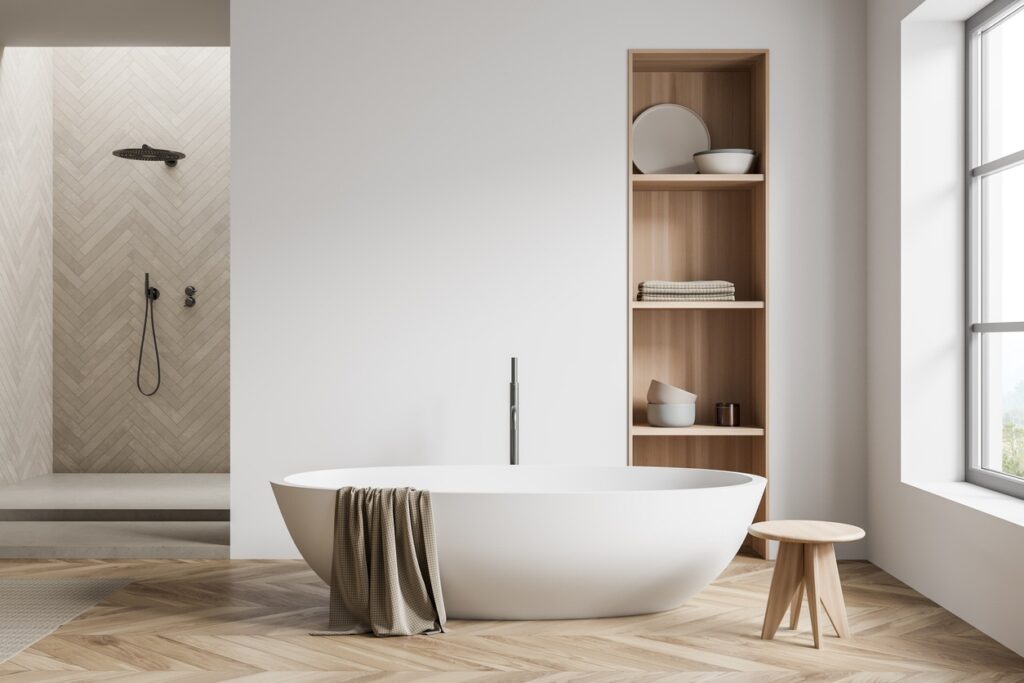
This guide covers every major bathtub material: fiberglass, acrylic, porcelain-enameled steel, cast iron, stone resin, natural stone, copper, and solid surface. It also covers what most bathtub guides skip entirely: the cost-per-year calculation that makes the expensive options look very different, and a clear framework for when refinishing makes more sense than replacing.
If you are in the middle of a bathroom renovation trying to decide whether the jump from acrylic to stone resin is worth the price, that question gets a real answer here. Maybe you have just moved into a home with an older tub and you are trying to figure out whether you are working with a few good years or a few decades. Or you have been quoted a refinishing price and are not sure whether that money makes more sense than a full replacement.
By the end of this piece, you will have a clear picture of what every major material delivers, how the costs compare over a realistic ownership window, and which maintenance habits actually extend a tub’s life rather than quietly shortening it.
So, let’s start with the full picture: every major material side by side, with the lifespan and cost numbers in one place.
The ranges below reflect real-world use under reasonable maintenance conditions, not manufacturer best-case scenarios. These figures cover the tub itself and exclude installation, which typically runs $600–$1,500 for a standard alcove replacement.
| Material | Typical Lifespan | Average Tub Cost | Repairability | Heat Retention |
|---|---|---|---|---|
| Fiberglass | 10–15 years | $200–$600 | Limited (gel coat refinish only) | Poor |
| Acrylic | 10–20 years | $400–$1,500 | Moderate (buff minor scratches) | Low |
| Porcelain-Enameled Steel | 20–30 years | $300–$700 | Good (enamel touch-up kits) | Low (steel conducts cold) |
| Enameled Cast Iron | 50–100+ years | $1,000–$5,000 | Excellent (professional refinish lasts 15–20 years) | Excellent |
| Stone Resin | 25–30+ years | $1,200–$5,000 | Good (surface can be sanded and polished) | Excellent (30+ minutes) |
| Natural Stone | 20–50 years | $2,000–$15,000+ | Complex (requires professional sealing and repair) | Good |
| Solid Surface | 15–30 years | $800–$2,500 | Good (scratches can be sanded out) | Moderate |
| Copper | 100+ years | $1,000–$4,500 | Excellent (patina protects the surface) | Good |
For cast iron, stone resin, or any tub over 200 pounds, budget an additional $200–$500 to assess and potentially reinforce the floor structure before installation. This is a one-time cost that pays for itself many times over when spread across a 50-year lifespan.
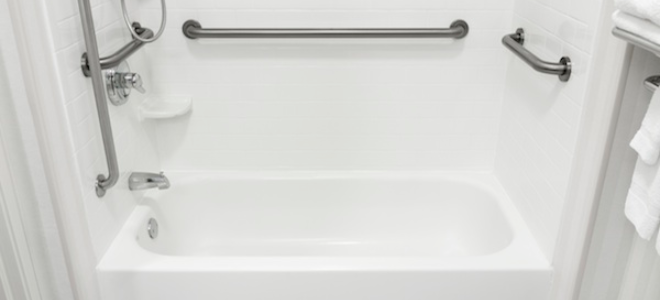
Fiberglass is the lightest and least expensive bathtub material on the market. It is also the one most likely to disappoint. The typical lifespan is 10–15 years, and the reason has everything to do with how it is made.
A fiberglass tub is a vacuum-formed shell, usually no more than 3/16 of an inch thick, coated with a gel coat finish that provides surface color and sheen. That thinness creates a specific problem: every time weight is applied, the shell flexes. Over years of daily use, that micro-flexing causes the gel coat to crack, grout lines to separate, and silicone seals around the perimeter to break down. Water gets behind the tub. The substrate degrades. What started as a surface issue becomes a structural one.
Fiberglass also fades. UV exposure yellows and chalks the gel coat, and no amount of cleaning reverses it. Once the surface reaches that point, the tub reads as old regardless of its condition underneath.
Fiberglass makes sense as a short-term solution in a rental, a budget flip, or a secondary bathroom where longevity is not the priority. In a primary bath you plan to keep, it is a false economy. You will replace it again, and the second round will cost more when you account for labor.
To extend the life of a fiberglass tub: use only pH-neutral cleaners, never abrasive scrubbers or bleach, and reseal the perimeter silicone every two to three years. These habits can push a fiberglass tub toward the high end of its lifespan. They will not get you past it.
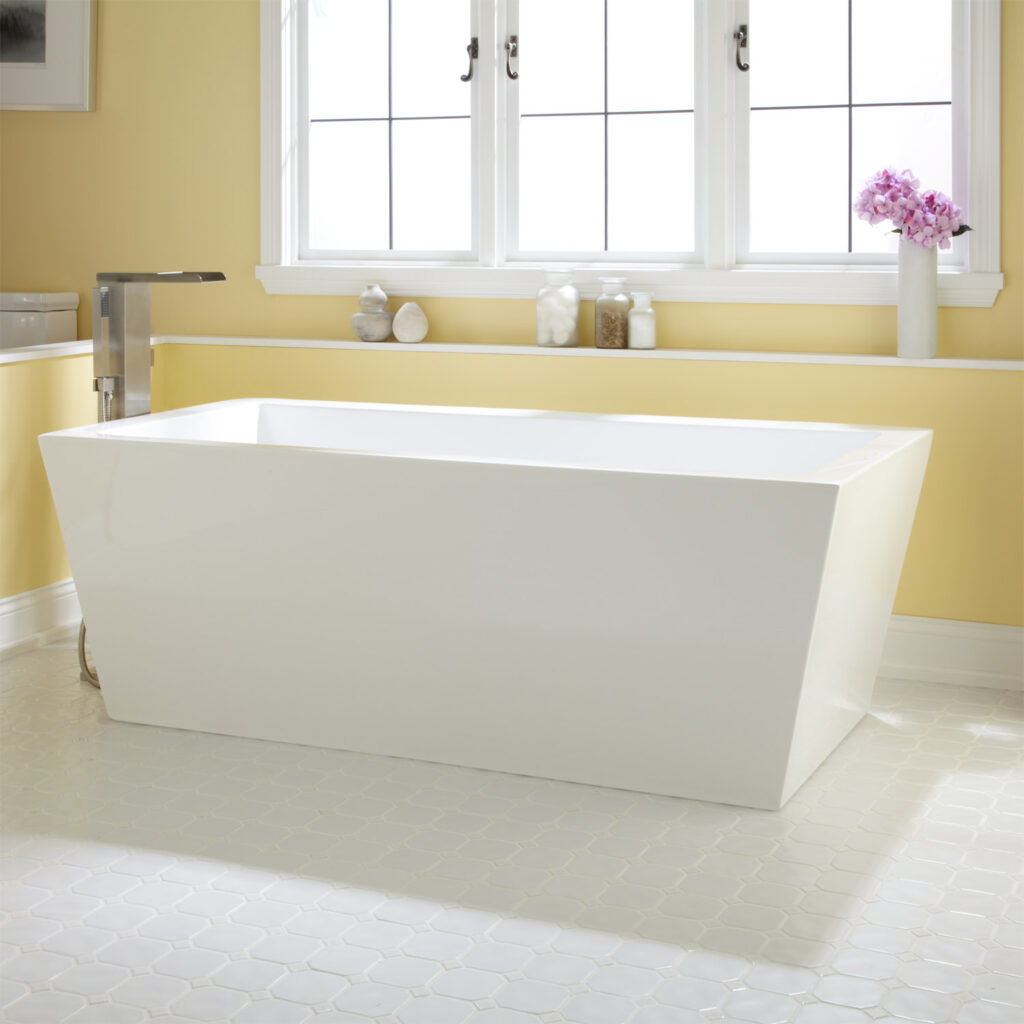
Acrylic is the most common bathtub material sold today, and its lifespan range of 10–20 years is wide enough to mean very different things depending on which product you are buying.
Better acrylic tubs use a thicker sheet of acrylic reinforced with a fiberglass backing, giving the surface enough structural integrity to resist the flexing that destroys fiberglass tubs. Cheaper acrylic tubs are essentially the same construction as fiberglass with a thin acrylic veneer on top. The price difference between these two products is often $200–$400. The lifespan difference can be five years.
Surface issues are where acrylic shows its age first: yellowing (accelerated by direct sunlight and harsh cleaners), scratches that collect soap residue and discolor, and stress cracks at corners and around the drain where flexing concentrates. Unlike stone resin or cast iron, these surface issues cannot be easily reversed once they are established.
Minor scratches on acrylic can sometimes be buffed with a fine automotive compound if caught early. Yellowed or deeply scratched acrylic has reached the point where professional refinishing or replacement is the realistic path forward.
If you are buying an acrylic tub, the thickness of the acrylic sheet matters more than the brand name. Ask your supplier. Anything under 6mm will flex. Reinforced acrylic at 8mm or above behaves substantially better over a 15–20 year window and is worth the modest premium.
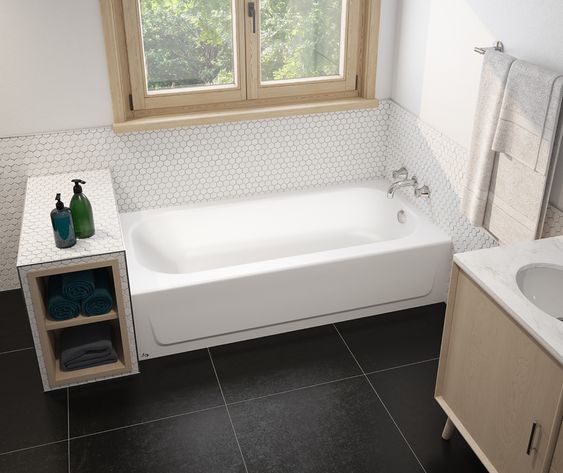
Porcelain-enameled steel bathtubs are often dismissed as budget options. A well-maintained one will outlast most acrylic tubs by a decade. The typical lifespan is 20–30 years, and the key variable is the enamel.
The construction is a thin steel shell with a glass enamel coating fired on at high temperature. When that enamel is intact, the surface is hard, non-porous, easy to clean, and highly resistant to chemical damage. The problem is that enamel chips. A dropped shampoo bottle can expose the bare steel beneath, and left unaddressed, bare steel rusts within weeks.
The protocol for a chipped porcelain-steel tub: repair it immediately with an enamel touch-up kit, available at most hardware stores for $10–$20. This is a genuine repair, not a cosmetic patch, and it extends the tub’s life significantly. Ignore the chip for a season and you are looking at a rust problem that no kit resolves.
Porcelain-steel tubs are notably cold to the touch and loud when filling. For some buyers those are dealbreakers. For buyers prioritizing durability per dollar spent, this material consistently delivers.
If you are inheriting a porcelain-steel tub in a home you have just bought: examine it carefully. No chips, no rust, intact perimeter silicone — that tub has 15–20 years of useful life ahead of it. Replacing it for aesthetic reasons is often the more expensive decision long term.
Cast iron bathtubs last 50–100 years, and the upper end of that range is not hypothetical. Tubs installed in the 1920s and 1930s are still in daily use across the country — not because their owners are sentimentally attached, but because the tubs still work.
The construction explains the durability. Cast iron is essentially indestructible as a base material. The enamel coating on cast iron is substantially thicker than on a porcelain-steel tub, making it more resistant to chipping. The combined mass retains heat exceptionally well: water stays warm far longer than in acrylic or fiberglass, which is a genuine quality-of-use advantage, not a marketing claim.
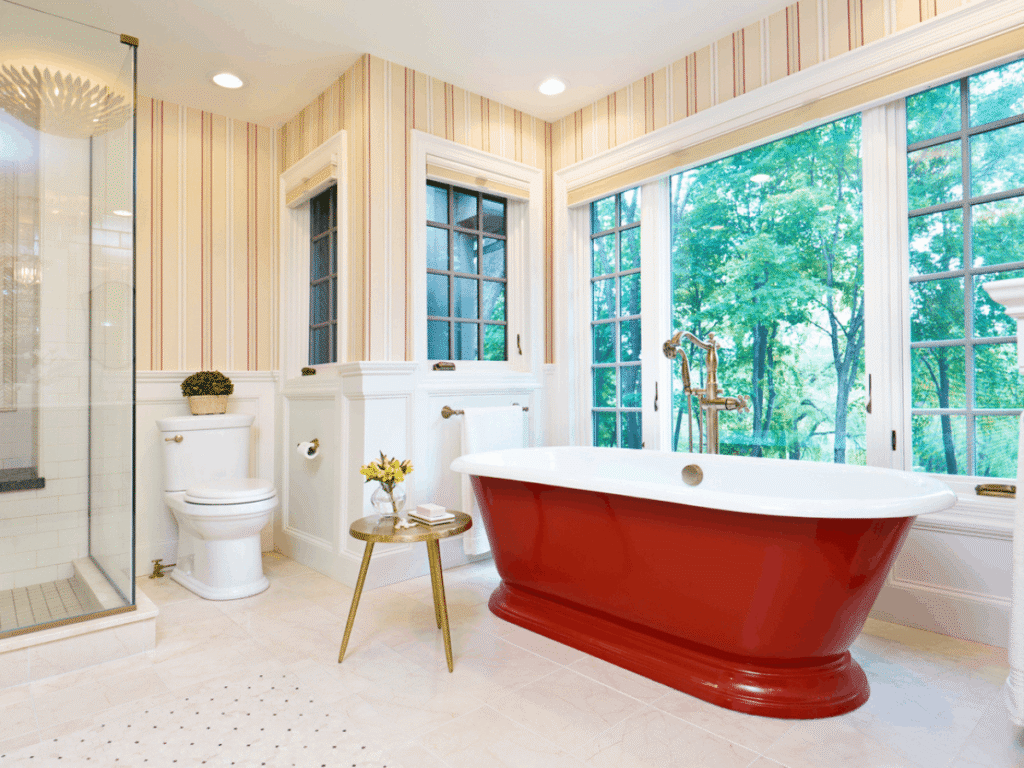
The significant installation consideration is weight: a standard cast iron tub runs 300–500 pounds. Before installation, confirm the floor structure can handle the load. Older homes with wood-joist floors may need reinforcement. This is a $200–$500 conversation with a structural contractor before installation, a modest one-time cost against a 50-year investment.
What can go wrong: chips in the enamel (repair immediately, same protocol as porcelain-steel), and in rare cases, cracks from severe impact. Professional refinishing of a cast iron tub costs $300–$600 and restores the surface to near-original condition. The results hold for 15–20 years. This is why worn cast iron tubs are almost always worth refinishing rather than replacing.
If you are a first-time buyer who has found a cast iron tub in an older home you are restoring, have it professionally evaluated before removal. A refinished cast iron tub will almost always be a better long-term decision than a new acrylic one at twice the tub price.
Stone resin is the most misunderstood material in the current bathtub market. That misunderstanding costs buyers either money they did not need to spend or a purchase they did not fully understand going in.
Here is what stone resin actually is: a composite of natural mineral powder (typically quartz, limestone, or granite dust) bound with a resin, usually PMMA (polymethyl methacrylate) or polyester. The result is a solid, homogeneous material cast into a mold. There is no coating, no enamel, no veneer. The material is the same composition from surface to base.
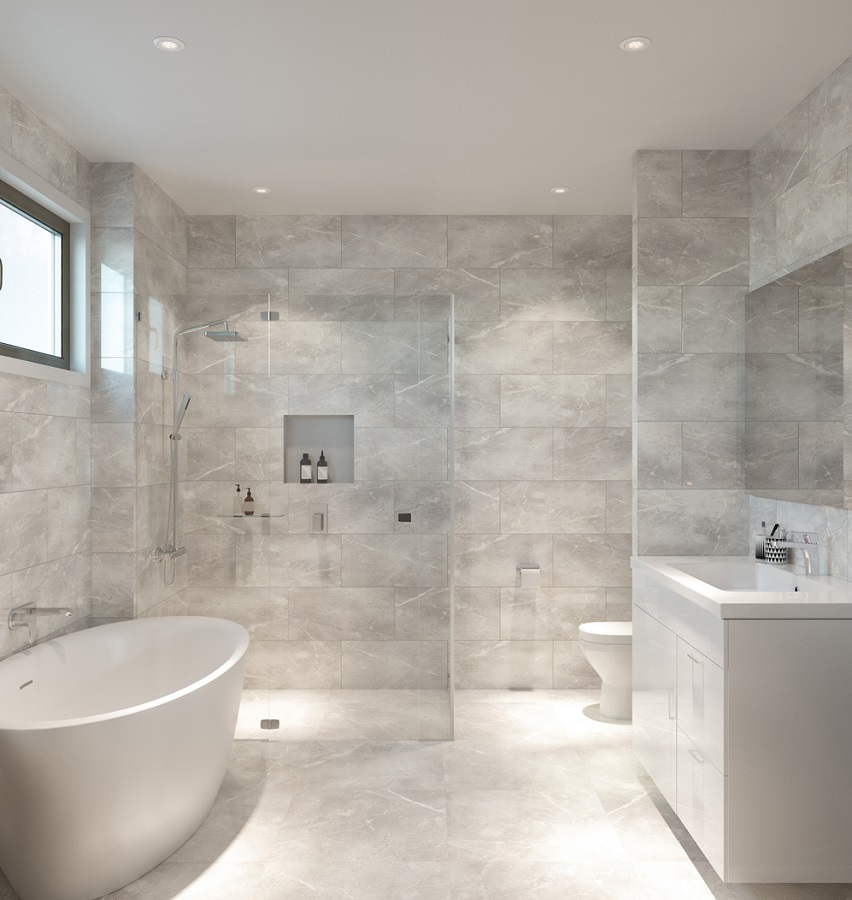
That distinction matters directly for lifespan. A scratch on an acrylic tub cuts through the surface layer into a different substrate beneath. A scratch on a stone resin tub cuts into the same material. Which means it can be addressed the same way you would address a scratch on a stone countertop: fine-grit sandpaper, polishing compound, mineral oil. Not a professional refinish. An afternoon.
The typical lifespan for stone resin is 25–30 years, with many manufacturers offering lifetime structural warranties. The non-porous surface resists mold, bacteria, and staining without the annual sealing that natural stone requires. It does not yellow the way acrylic does. UV exposure does not degrade it.
Heat retention: the practical difference most buyers do not know about. Acrylic loses warmth in 10–15 minutes. The surface heats up quickly but has no thermal mass to sustain it. Stone resin, because of its mineral content, retains warmth for 30 minutes or longer. For a freestanding soaking tub, this is the difference between a bath worth taking and one you are racing to finish. If you are considering any freestanding tub at all, this single factor makes stone resin the rational choice at any comparable price point.
Weight runs 200–400 pounds depending on size and shape — heavier than acrylic, lighter than cast iron. Most standard residential floors handle this without modification, but confirm before installation if you are on an older wood-joist floor.
Two things stone resin is commonly confused with, and why the distinctions matter:
Natural stone bathtubs are carved from a single block of marble, granite, or travertine. They are not cast. They require annual sealing, etch with acidic cleaners, and cost $2,000–$15,000 or more. Stone resin gives you 90% of the aesthetic at a fraction of the maintenance obligation.
Solid surface materials (such as Corian-type products) use acrylic polymers as their primary binder, with mineral filler added for body. Stone resin is the inverse: the mineral content is primary. Stone resin is heavier, retains heat better, and is generally harder and more durable. Solid surface is lighter and more affordable, but these are different materials with different performance profiles.
If you are comparing stone resin to acrylic at the $1,500–$2,500 price point and wondering whether the difference is worth it: the lifespan (30 years versus 12–15), the heat retention, and the repairability make the case clearly. The tub that costs twice as much upfront often costs less over the full ownership period.
Natural stone bathtubs , carved from marble, granite, or travertine are a different category from stone resin entirely. The aesthetic is exceptional. The maintenance commitment is real, and most buyers underestimate it.
Marble etches when it contacts acidic substances, including many common soap formulas, leaving a dull mark on the surface that requires professional honing to reverse. Travertine is porous and requires annual sealing; without it, water penetrates the stone, causing staining and eventually structural degradation. Granite is the hardest of the natural stone options and the most forgiving, but it still requires sealing and careful cleaner selection.
The lifespan of a natural stone tub with proper care runs 20–50 years. With neglect, that range compresses significantly.
Natural stone makes sense for a specific buyer: someone who wants the visual and tactile experience of genuine carved stone, understands the maintenance protocol, and has the household discipline to follow it. For households with children, hard water, or a preference for low-maintenance fixtures, stone resin delivers the look with a fraction of the upkeep.
Copper bathtubs last more than 100 years, and the reason is as much chemistry as craftsmanship. Copper is naturally antimicrobial: the oligodynamic effect (copper ions killing bacteria, fungi, and viruses on contact) means the surface actively resists biological growth without any cleaning product. Over time, copper develops a patina, a brown-to-green oxidation layer called verdigris.
The critical point most copper tub owners do not know until they have made the mistake: the patina is not damage. It is protection. Stripping the patina with aggressive cleaners removes the very layer that makes copper so durable. The correct maintenance protocol is mild soap, a thorough rinse, and drying after each use. Some owners apply a light coat of car wax to preserve the finish. Nothing abrasive, ever.
Cost runs $1,000–$4,500 depending on gauge (the thickness of the copper sheet) and whether the surface is hammered or smooth. Heavier gauge copper lasts longer and resists denting better. For a tub intended to last a century, choosing the heavier gauge is worth the additional cost.
Copper is an aesthetic choice as much as a practical one, suited to farmhouse, rustic, industrial, and artisan design directions. For anyone drawn to that aesthetic and willing to care for the surface correctly, the lifespan makes the investment case straightforwardly.
Solid surface bathtubs occupy a practical middle position between acrylic and stone resin: more durable and repairable than acrylic, lighter and less expensive than stone resin, and consistently underrated in most buying conversations.
Like stone resin, solid surface is homogeneous throughout. Scratches and surface damage can be sanded and buffed to a smooth finish. This is a meaningful advantage over acrylic, where surface damage is essentially permanent without professional refinishing.
The typical lifespan is 15–30 years. Heat retention is moderate better than acrylic, not as good as stone resin. The aesthetic tends toward clean and uniform rather than the mineral-grain texture of stone resin.
Cost typically runs $800–$2,500, making solid surface a practical option for buyers who want repairability and a longer lifespan than acrylic but are not ready for the stone resin price point. It is worth considering when the budget falls in the middle of the range and longevity matters.
The price on the tag is not the cost of a bathtub. The cost is what you spend per year of use — and that number looks very different across materials once you actually calculate it.
| Material | Average Tub Cost | Expected Lifespan | Cost Per Year |
|---|---|---|---|
| Fiberglass | $300 | 12 years | $25/yr |
| Porcelain-Enameled Steel | $500 | 25 years | $20/yr |
| Acrylic | $700 | 15 years | $47/yr |
| Solid Surface | $1,500 | 22 years | $68/yr |
| Stone Resin | $2,500 | 30 years | $83/yr |
| Enameled Cast Iron | $2,000 | 75 years | $27/yr |
| Natural Stone | $5,000 | 35 years | $143/yr |
| Copper | $2,500 | 100 years | $25/yr |
Cast iron at $27 per year is cheaper to own over time than acrylic at $47 per year, despite costing nearly three times as much at the point of sale. Porcelain-enameled steel is the best cost-per-year value of any material in this list. Stone resin costs more annually than cast iron, but offers what cast iron does not: freestanding design options, superior heat retention for soaking, and easier installation without structural reinforcement concerns. The premium is real. So is the return, particularly for freestanding tubs where cast iron is rarely the right fit.
These figures cover the tub only. Installation is a one-time cost that longer-lifespan materials amortize over far more years. And this calculation does not account for replacement disruption: the labor, the tile and fixture risk, and the time involved when a tub is removed and replaced. On a 12-year fiberglass tub across a 40-year homeownership window, you are potentially running that replacement project three times. That context belongs in the decision.
Material is the most important variable in bathtub lifespan. It is not the only one. Three factors consistently shorten tub life and are routinely underweighted in buying and maintenance decisions.
Installation quality. A well-made acrylic tub installed poorly inadequate substrate support beneath the tub floor, incorrect silicone application at the perimeter will fail faster than a mediocre fiberglass tub installed correctly. Before any tub installation, confirm with your contractor that the substrate is cement board or equivalent (not standard drywall), and that the tub has solid, continuous support under its base. A tub that flexes during use because it lacks support is a tub with a shortened lifespan regardless of what it is made of.
Water hardness. Water above 250–300 parts per million causes mineral buildup that gradually etches and degrades softer surfaces: acrylic, fiberglass, and even stone resin over time. If you are in a hard water area (much of the Southwest, Midwest, and Rocky Mountain regions), a water softener is one of the best investments you can make for any bathroom surface. If a softener is not viable, a dedicated monthly descaling treatment designed for bathroom mineral deposits makes a meaningful difference.
Cleaning habits. Abrasive scrubbing pads and bleach-based cleaners are the leading cause of premature surface failure on acrylic, fiberglass, and solid surface tubs. The surface does not fail from aging in those early years: it fails from being cleaned aggressively for a decade. Use pH-neutral cleaners, soft cloths or non-scratch sponges, and rinse thoroughly after each use. For stone resin and natural stone, avoid anything acidic including vinegar-based “natural” cleaning products.
Silicone maintenance. The bead of silicone around the tub perimeter is the first line of defense against water infiltration. When it cracks or separates, moisture gets behind the tub surround, into the wall substrate, and eventually into the floor structure. By the time visible mold or soft spots appear, the damage is often already significant. Inspect and reseal the perimeter silicone every three to five years. It takes 30 minutes and a $15 tube of bathroom-grade silicone — and it prevents the kind of moisture damage that ends a tub’s life years ahead of schedule.
Refinishing gets recommended loosely as a way to extend tub life, and sometimes it is exactly the right call. Sometimes it is spending money on a surface that is already structurally compromised. The difference matters.
Refinishing makes sense when:
Refinishing is the wrong choice when:
A practical benchmark: if refinishing costs more than 35% of what a replacement tub would cost (tub price only, not installation), and the material is not cast iron or porcelain-steel, replacement often wins the long-term calculation. Get both numbers before deciding.
Not all warning signs are created equal. Some are cosmetic and addressable. Some indicate structural failure that no surface repair resolves. Knowing the difference determines whether you need a refinish, a repair, or a replacement.
Stress cracks: cracks in the floor or walls that flex slightly when pressed. These are structural, not cosmetic. They indicate the shell has failed, and refinishing will not fix them. This tub needs to be replaced.
Soft spots underfoot: any area of the tub floor that has give beyond the material’s normal flex. This means the substrate beneath has absorbed moisture and degraded. The tub needs to come out, and the floor structure needs assessment before a replacement goes in.
Persistent leaks at the drain or overflow: once the hardware connections have degraded to the point of persistent leaking despite repairs, the seal between the tub and the drain assembly has failed. Depending on how long this has been happening, inspect for water damage behind the walls before replacement.
Mold that returns within weeks of cleaning: surface mold is a cleaning issue. Mold that returns consistently is a moisture problem behind the surround, meaning water has been bypassing the perimeter seal and entering the wall cavity. Address the moisture source before replacing the tub.
Yellowing or staining that no cleaner addresses: the surface has degraded past the point where cleaning helps. For fiberglass and older acrylic tubs, this is typically the end of the surface’s useful life. If the structure is sound, professional refinishing can address this. If stress cracks or soft spots are also present, move directly to replacement.
Most of what extends a bathtub’s life is straightforward. A few points get overlooked consistently.
The material you install is a decision you will live with for 10 years at minimum and potentially for 50. The sticker price of the tub is only one number in that equation. The cost per year, the maintenance obligation, the repairability when something goes wrong, and the replacement disruption when you eventually do need a new one those numbers matter more over any realistic ownership window.
You now have a clear picture of what each material delivers, where the real lifespan variables are, and how the costs compare once they are calculated over time rather than at the point of sale.
The short version: if longevity per dollar spent is the goal, cast iron and porcelain-enameled steel are difficult to argue with. If you are buying a freestanding soaking tub where heat retention and aesthetic matter, stone resin is the rational choice in the $1,500–$3,500 range. Acrylic and fiberglass make sense in specific contexts budget projects, rentals, secondary bathrooms — but require honest accounting of how often you will be back at this decision again.
Four concrete next steps:

Eric is the founder and president of Badeloft USA. He has been the president of Badeloft’s US division for over ten years and oversees all marketing and branding aspects of Badeloftusa.com.
His expertise lies in small business development, sales, and home and bathroom industry trends and information.
Contact us with any business related inquiries.
Badeloft is dedicated to helping homeowners make informed decisions about their bathrooms. We adhere to strict editorial guidelines to ensure our content is accurate, trustworthy, and useful.
Request free stone resin and stainless steel material samples. Delivered to your door.
Bathroom storage fails the same way every time: it gets planned last. By the time the tiles are in and
A waterfall faucet is one of the most visually compelling fixtures a bathroom can have. It’s also one of the
Choosing a bathtub color is one of the few bathroom decisions you’ll live with for 15 to 20 years. Get
Most bathtub decisions come down to what fits the space and what fits the budget. That is a reasonable starting
Request your free material sample below. By submitting, you agree to receive occasional product updates and offers from Badeloft. Unsubscribe anytime.
"*" indicates required fields