
20+ Common Bathtub Drain Stopper Types in 2025 – Which is best for your bathtub?
Choosing the right bathtub drain stopper is essential for creating a comfortable and functional bathing experience. With over 20 common
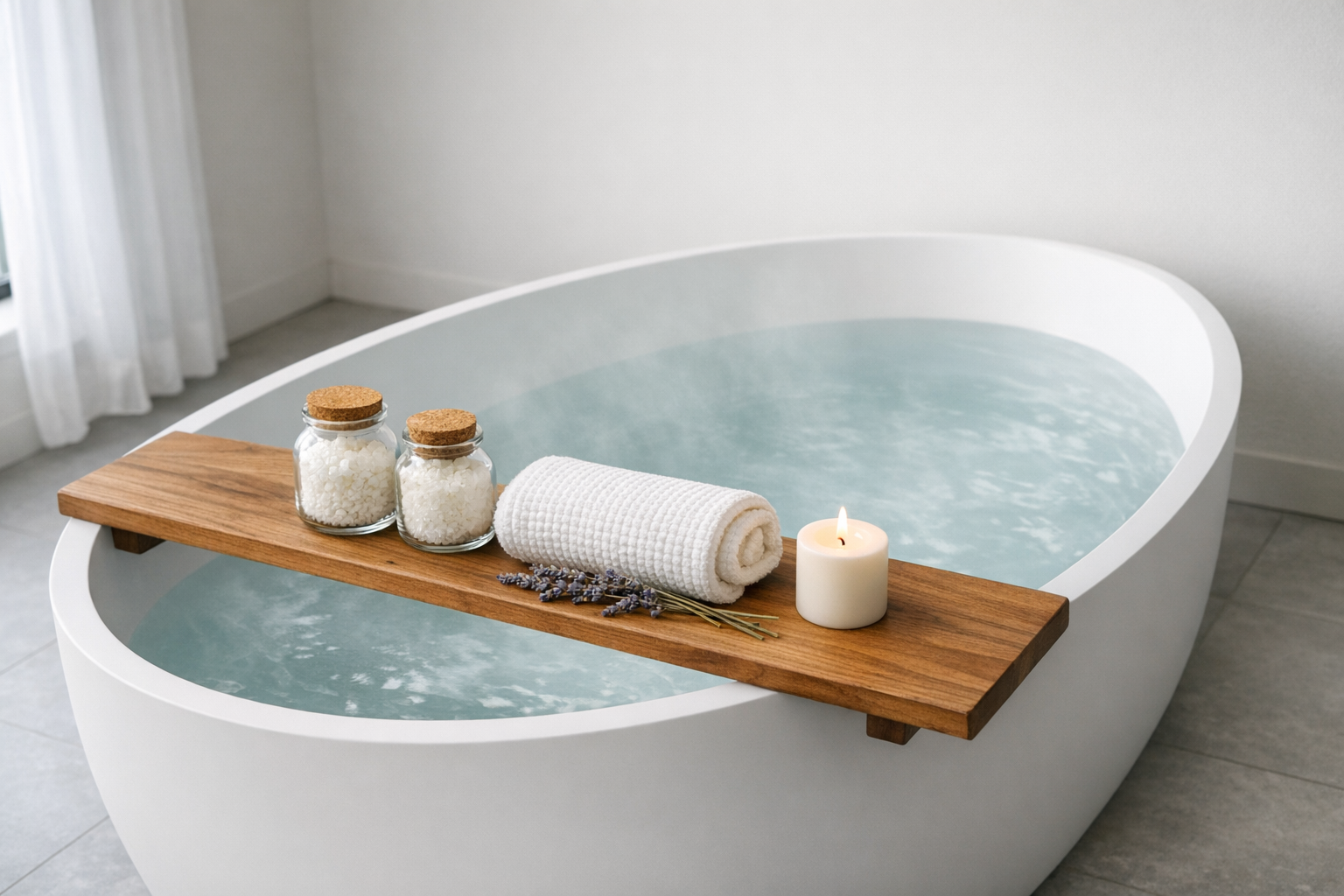
There is something almost ceremonial about drawing a bath. The sound of water filling a deep tub, the slow release of tension as you lower in, it is one of the few rituals that genuinely quiets the noise of a day. And for millions of people, epsom salt is part of that ritual.
Maybe a friend recommended it after a long run. Maybe your grandmother kept a box under the bathroom sink. Maybe you have heard it helps with everything from sore muscles to stress to skin and you are trying to figure out what is actually true. That is exactly what this guide is for.
We will walk through what epsom salt really is, what the science says about its benefits, how to take a proper epsom salt bath, and because we manufacture bathtubs, something no other guide covers: which tub materials handle regular epsom salt soaks best, and which ones you need to treat with care.
Epsom salt is not table salt. It is a naturally occurring mineral compound called magnesium sulfate (MgSO4), first discovered in the waters of Epsom, England in the early 1600s. When you dissolve it in bathwater, it breaks apart into magnesium and sulfate ions.
That chemistry matters because magnesium is one of the most important minerals in the human body, involved in over 300 enzymatic processes, including muscle contraction, nerve function, and sleep regulation. The question that researchers are still actively debating is whether those ions actually cross the skin barrier in meaningful amounts during a bath. More on that in a moment.
What is not debated: epsom salt baths feel good. And there are plausible biological reasons why.
So does epsom salt actually work or is it just warm water doing the heavy lifting?
The honest answer is: probably both, and that is not a bad thing.
The transdermal magnesium debate. A small but frequently cited 2004 study by Dr. Rosemary Waring at the University of Birmingham found that magnesium and sulfate levels in blood and urine increased after epsom salt baths, suggesting some transdermal absorption does occur. However, larger, more rigorous studies have not consistently replicated these results. Most dermatologists note that intact skin is a highly effective barrier.
What we do know with more confidence:
The practical takeaway? Whether the magnesium is absorbed through your skin or not, epsom salt baths consistently deliver the outcomes people seek from them. The placebo effect explanation undersells it – there is enough plausible mechanism here to take the practice seriously.
Manufacturer’s Take: At Badeloft, we hear from customers regularly about their epsom salt routines, particularly those who chose a deep-soaking freestanding tub specifically to maximize immersion. A tub that holds more water allows more of your body to benefit from the warm soak, which may matter more than the precise concentration of dissolved minerals. Soaking depth is an underappreciated variable.
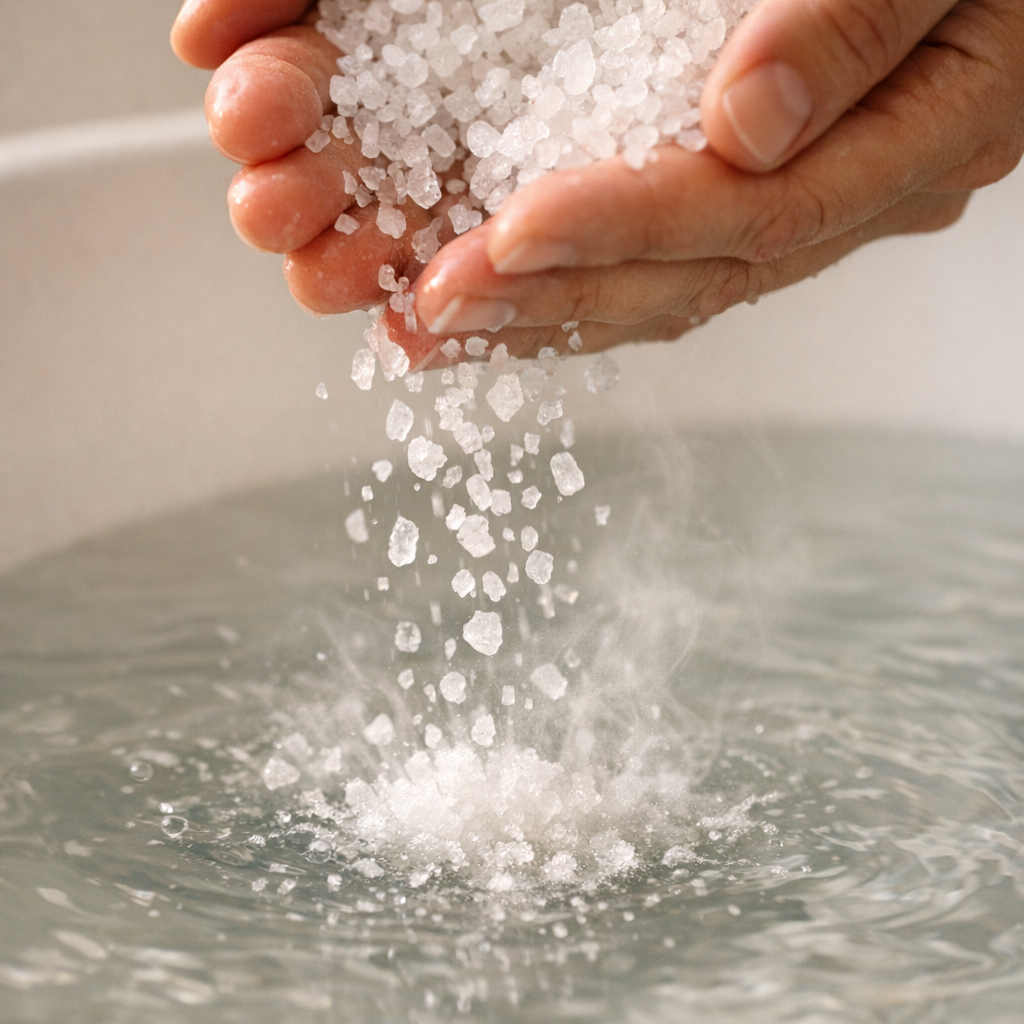
Here is what people commonly experience from regular epsom salt baths, and the level of evidence behind each:
What people report: Less next-day soreness after exercise, faster recovery from physical labor, relief from chronic muscle tension.
The evidence: Strong for the warm water component. The heat increases blood flow to muscles, reduces lactic acid buildup, and physically relaxes muscle fiber tension. The magnesium angle is more speculative but consistent with what we know about oral magnesium’s role in muscle function.
Best for: Post-workout recovery, end-of-day tension, lower back tightness, neck and shoulder stiffness.
What people report: Feeling calmer after a bath, falling asleep more easily, waking up less tense.
The evidence: Well-supported. Warm baths in the 90-105°F range have been shown in clinical studies to improve sleep onset by dropping core body temperature after you exit the tub. Magnesium supplementation (oral) has robust evidence for reducing anxiety and improving sleep quality. The combination may compound these effects.
Best for: Evening wind-down routine, high-stress periods, insomnia support (not treatment).
What people report: Temporary relief from arthritis stiffness, reduced swelling after minor injuries, easier morning mobility.
The evidence: Moderate. Warm water hydrotherapy has genuine anti-inflammatory effects for musculoskeletal conditions. The Arthritis Foundation has historically recommended warm baths as a complementary therapy. Magnesium’s role in inflammatory pathways is documented, though again the transdermal route is uncertain.
Best for: Arthritis, general joint stiffness, post-injury swelling (after the acute phase).
What people report: Softer skin after regular soaks, relief from dry or itchy skin, improvement in minor eczema or psoriasis symptoms.
The evidence: Mixed. Some dermatologists find dilute magnesium sulfate solutions soothing for inflammatory skin conditions. Others caution that salt of any kind can be drying if you do not moisturize immediately after. The key is post-bath routine.
Best for: Dry skin in winter months, mild irritation, softening rough patches.
What people report: Feeling noticeably better after a bath, lighter, calmer, more positive.
The evidence: Magnesium is involved in serotonin production. Stress depletion of magnesium is real. Even if transdermal absorption is minimal, the consistent ritual of warm, quiet immersion has measurable effects on nervous system state. This one should not be dismissed as purely anecdotal.
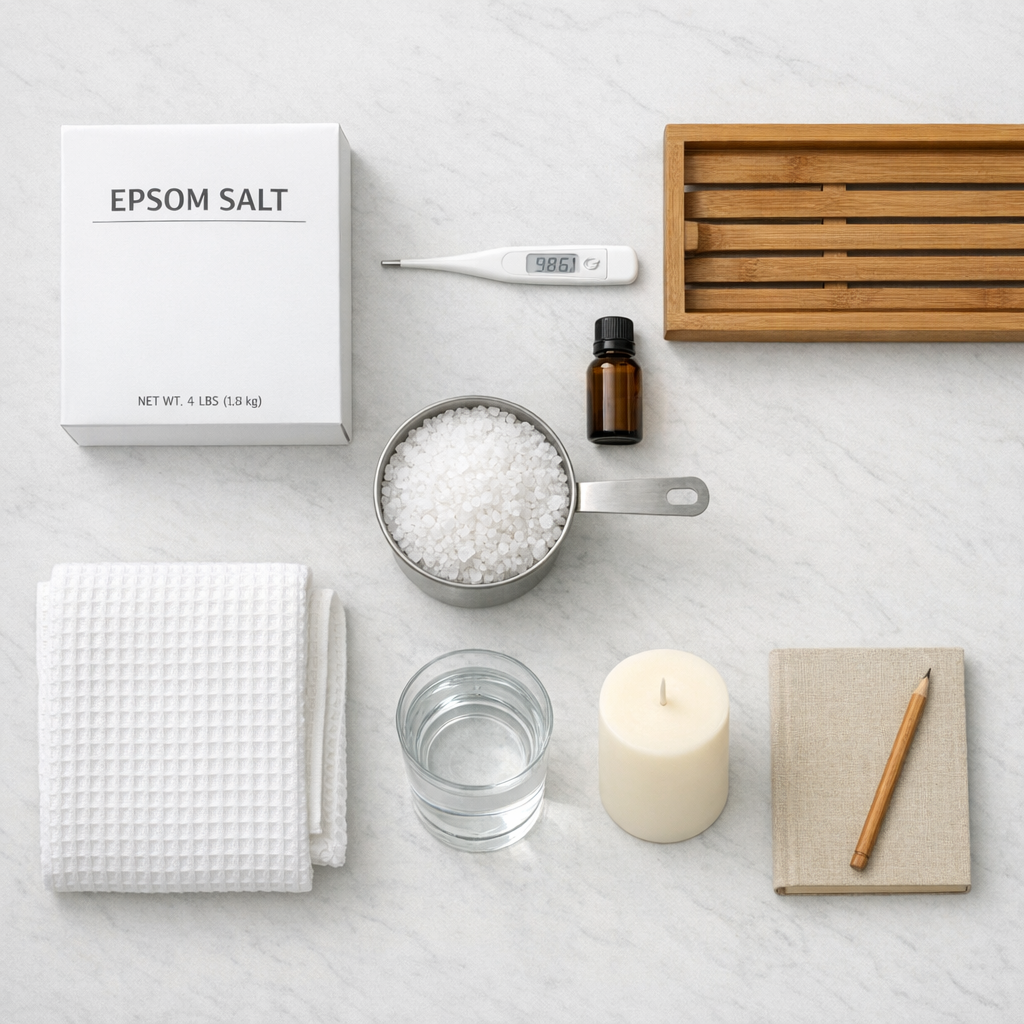
Getting the most from an epsom salt soak is less complicated than most articles make it seem. Here is the straightforward version.
Step 1: Fill your tub with warm water – not scalding.
Target a water temperature between 98°F and 105°F (37°C-40°C). This range is warm enough to dissolve the salt effectively and open your pores, but cool enough to soak comfortably for 15-20 minutes without overheating. Water that is too hot will cause you to exit early and may stress your cardiovascular system.
Step 2: Add epsom salt as the tub fills, not after.
Adding the salt while the water is running ensures complete dissolution. Undissolved crystals sitting on the tub floor are harder on tub surfaces and less effective therapeutically.
Step 3: Use the right amount for your tub size.
| Tub Type | Epsom Salt Amount |
|---|---|
| Standard 5-foot tub | 2 cups |
| Large soaking tub (60-67 inches) | 2-3 cups |
| Deep freestanding tub (over 20 inches depth) | 3-4 cups |
| Foot soak (small basin) | 1/2 cup |
| Child’s bath | 1/2 cup |
Step 4: Soak for 15-20 minutes.
This is the effective window. Less than 12 minutes limits the thermal and relaxation benefits. More than 30 minutes can begin to draw moisture from skin rather than replenish it, and may cause lightheadedness.
Step 5: Rinse and moisturize immediately.
Rinse your body with fresh water after the soak to remove salt residue from your skin. Pat dry and apply moisturizer within three minutes of exiting, this locks in hydration while your skin is still slightly damp.
Step 6: Clean your tub after each use.
Rinse the tub walls and floor with warm water to remove any salt residue before it can concentrate and dry. A quick wipe-down takes 60 seconds and protects your tub surface long-term. For a thorough guide on tub maintenance, see our how to clean your bathtub.
Manufacturer’s Take: One detail almost no bathing guide mentions: tub depth matters for therapeutic benefit. A standard 14-inch-deep tub leaves your torso largely out of the water when you lie back. A deep soaking freestanding tub, typically 18-23 inches of water depth, immerses your body fully, meaning more muscle mass is in contact with the warm mineral water simultaneously. If you are taking epsom salt baths for muscle recovery or stress, the geometry of your tub is a real variable.
More is not necessarily better here. Is there a point of diminishing returns?
At 2 cups per standard tub, you reach a concentration that most research and clinical recommendations support. Going to 3 or 4 cups for a larger tub maintains roughly the same concentration, you are scaling to tub volume, not stacking benefit.
Using too much epsom salt can:
Using too little (under 1 cup in a full tub) dilutes the concentration enough that you are essentially just soaking in warm water, which still has benefits, but diminishes any role the mineral content plays.
The sweet spot: 1-2 cups per standard tub, scaled up proportionally for larger soaking or freestanding tubs.
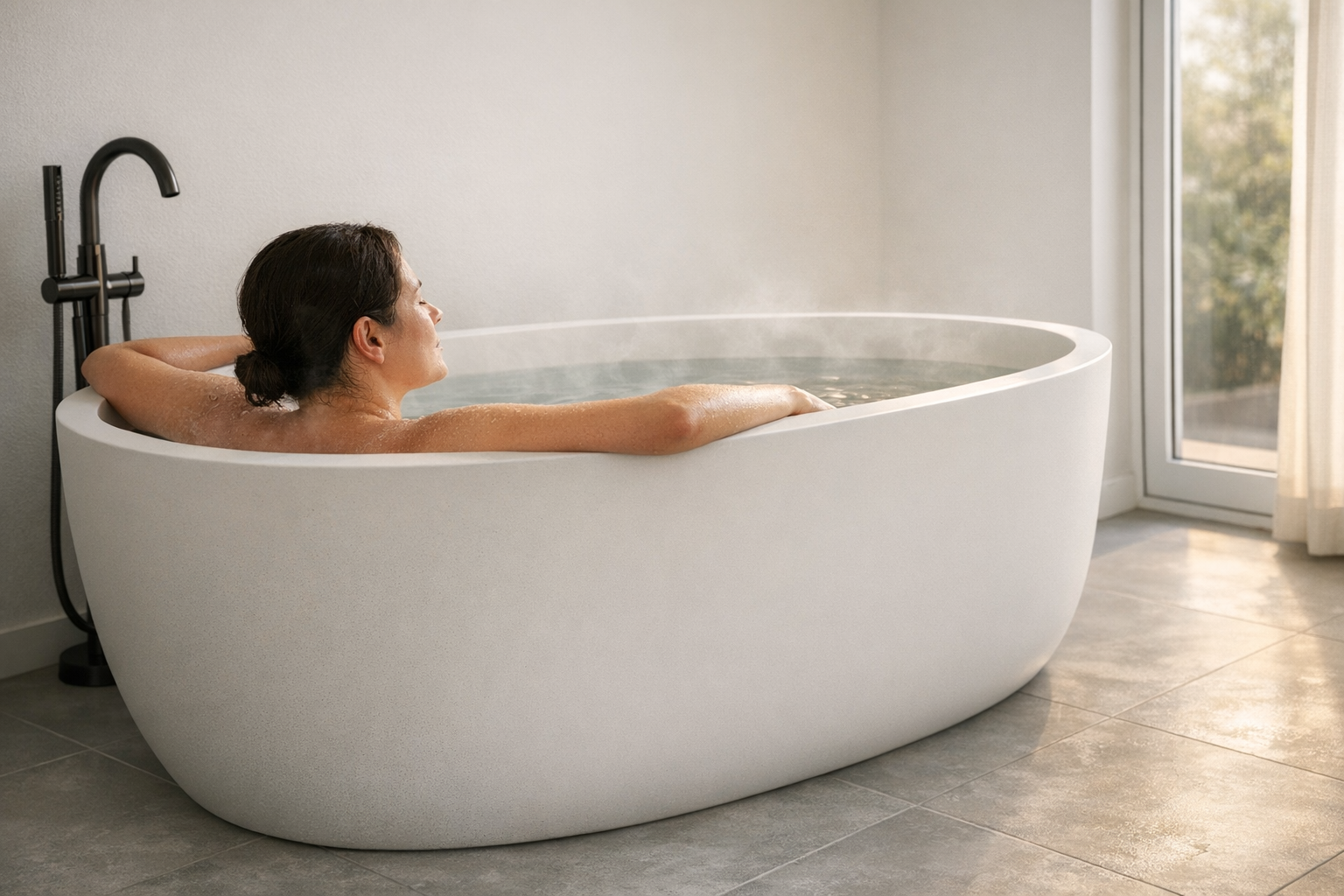
This is the question worth taking seriously, because the internet gives you two equally unhelpful extremes: breathless claims that epsom salt is a miracle cure, and dismissive debunking that ignores the real experience millions of people have.
Here is the measured answer:
Epsom salt baths work for what they are commonly used for. People take them to feel better after physical exertion, to wind down before sleep, to soothe joint stiffness, and to carve out intentional recovery time. By every reported outcome measure, they deliver on these goals consistently.
The mechanism is partially unclear. Whether the magnesium crosses the skin barrier in therapeutically meaningful amounts remains genuinely unsettled science. But the warm water delivers real, well-documented physiological effects and if additional magnesium absorption occurs, that is additive.
The risk profile is very low. Epsom salt is inexpensive, widely available, and has minimal side effects when used as directed. The main cautions are:
Yes and this is a documented use, but one that requires important context.
Epsom salt has been used as a laxative for centuries. The FDA still recognizes it as an OTC saline laxative. When dissolved in water and consumed, magnesium sulfate draws water into the intestines and stimulates bowel movements.
However:
The bathtub epsom salt and the laxative-use epsom salt are chemically the same product (pure magnesium sulfate), but the applications, doses, and safety profiles are completely different. Do not confuse bath-use guidance with oral-use guidance.
But have you thought about what regular salt exposure does to your tub surface over time?
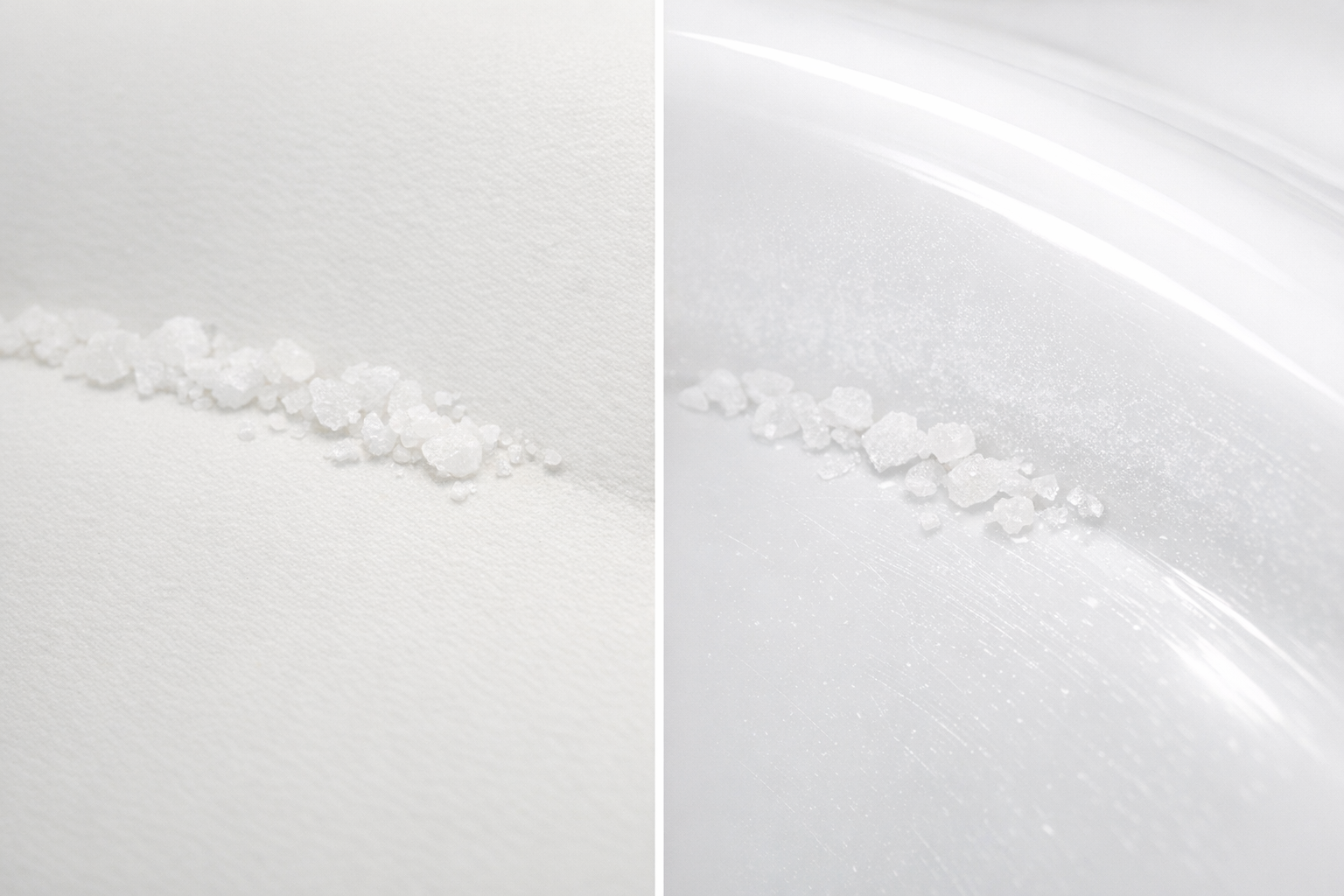
Here is the angle that nobody in the epsom salt space covers, because they are not bathtub manufacturers.
Not all tub materials respond equally to regular salt exposure. If you are taking epsom salt baths two or three times a week, the surface chemistry of your tub matters for its long-term appearance and durability.
Stone resin (the material Badeloft bathtubs are made from) is a composite of natural stone powder and high-grade resin, resulting in a non-porous, dense surface. It is the most salt-compatible material you will find in a freestanding tub.
Care: Rinse after each soak. Occasional wipe-down with a mild non-abrasive cleaner. That is all.
For more on why stone resin is a preferred material for serious bathers, see our bathtub material comparison and bathtub materials guide.
Cast iron tubs with a properly applied porcelain enamel glaze are highly resistant to salt. The vitrified enamel surface is essentially glass, impermeable, hard, and chemically stable.
Caution: If the enamel has chips or cracks (common in older cast iron tubs), the exposed cast iron beneath can rust when exposed to salt water. Inspect your enamel before establishing a regular epsom salt routine.
Acrylic is a thermoplastic surface, softer, warmer to the touch, and more affordable, but more vulnerable to abrasion and chemical exposure over time.
Fiberglass is the most vulnerable material for regular epsom salt use. Its gel-coat surface is relatively porous and prone to surface degradation over time with mineral exposure.
This deserves special mention. Most jetted tub manufacturers explicitly advise against using epsom salt. The salt water is circulated through pumps, jets, and internal tubing, accelerating corrosion of seals, O-rings, and metal components. Unless your manufacturer specifically approves it, do not use epsom salt in a jetted or whirlpool tub.
Manufacturer’s Take: This is where a stone resin freestanding tub pays dividends over time. The non-porous surface means your salt baths leave no lasting trace, no mineral buildup in the material, no surface degradation, no discoloration. Customers who take regular therapeutic baths often tell us this was a deciding factor they did not anticipate when they were comparing materials. The tub you choose now shapes the bathing routine you can sustain for decades.
If you have kidney disease or serious heart or circulation issues, talk to your doctor before using epsom salt. This is not something to self-treat casually.
If you have open wounds, severely broken skin, or an active skin infection, wait until your skin has healed. Salt can sting irritated skin and make the experience worse rather than better.
If you have a jetted or whirlpool tub, check the manufacturer’s guidance before adding epsom salt. Many brands advise against it because salt water can be hard on internal components.
If you are pregnant, ask your OB or midwife first. Warm baths are often considered safe, but it is worth confirming the temperature range and routine that makes sense for you.
If your goal is simply relaxation, muscle recovery, and better sleep, you are probably a good candidate for an epsom salt bath. Start with 1-2 cups, keep the water between 98-105°F, and soak for 15-20 minutes.
If you are hoping to treat a specific medical condition such as arthritis, a skin condition, or ongoing pain, think of epsom salt baths as a supportive habit rather than a replacement for medical care. They can still be low-risk and helpful, but it is smart to discuss them with your healthcare provider.
Bottom line: if none of the caution flags above apply to you, epsom salt baths are generally a reasonable, low-risk practice to try once or twice a week and then adjust based on how you feel.
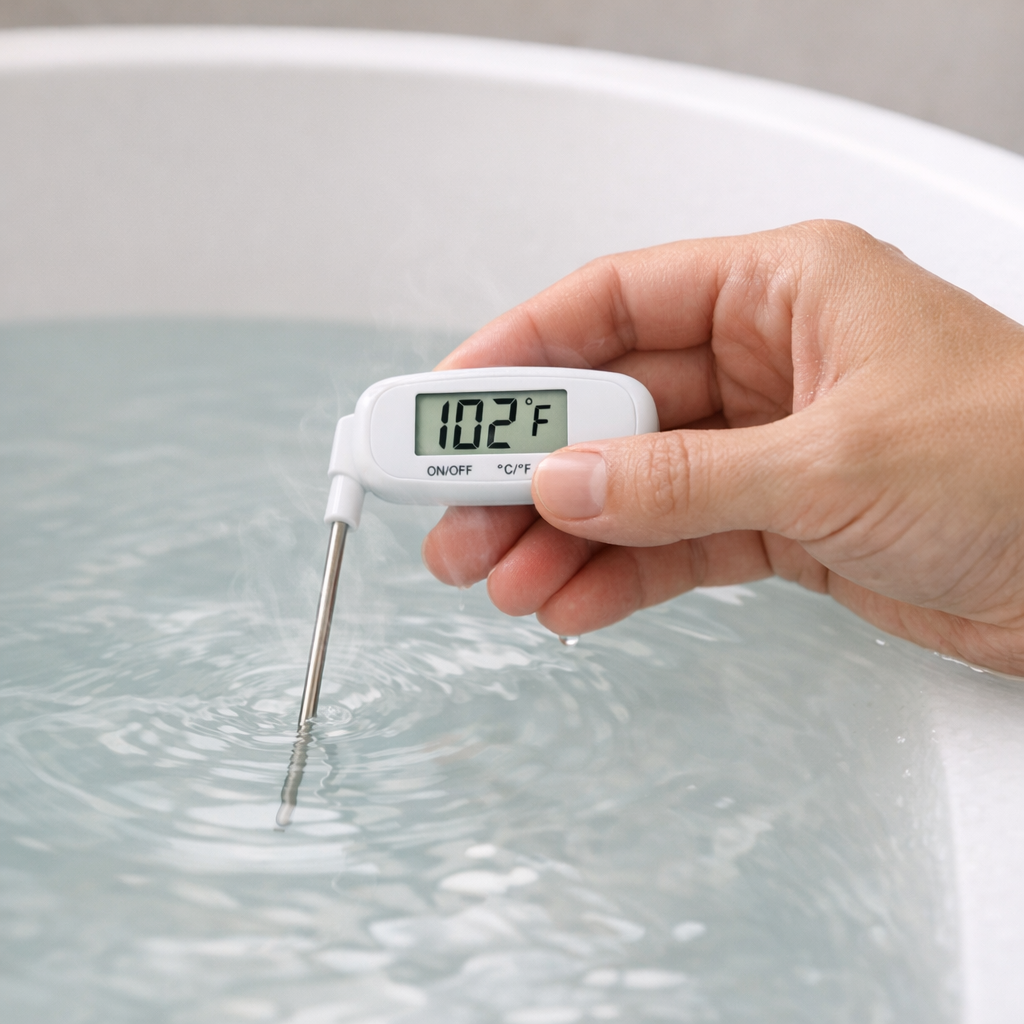
One of the most consistent mistakes people make with epsom salt baths is running the water too hot.
Extremely hot baths above 110°F feel luxurious for about four minutes and then become uncomfortable. More importantly, they shorten your effective soaking time (you will exit before 15 minutes), raise your heart rate, and can cause dizziness when you stand up.
The therapeutic sweet spot is 98-105°F. Here is why:
Water temperature and tub material interact. This is a point we have not seen covered elsewhere: a stone resin tub retains water temperature significantly longer than an acrylic tub. The dense mass of the stone composite holds heat the way a cast-iron pan holds heat. You will spend less time topping up with hot water and can maintain that optimal 100-104°F window more passively throughout your soak.
Manufacturer’s Take: When customers ask us why stone resin freestanding tubs command a higher price point than acrylic alternatives, heat retention is one of the three answers we always give. A deep stone resin tub filled to the brim at 102°F will still be comfortably warm 25-30 minutes later with no top-up. An acrylic tub of the same size will drop several degrees in that time. For epsom salt soaks, that difference is not trivial, it is the difference between a full therapeutic soak and a rushed one.
Want to enhance your soak? Here is what pairs well, and what to skip.
Good additions:
Skip these:
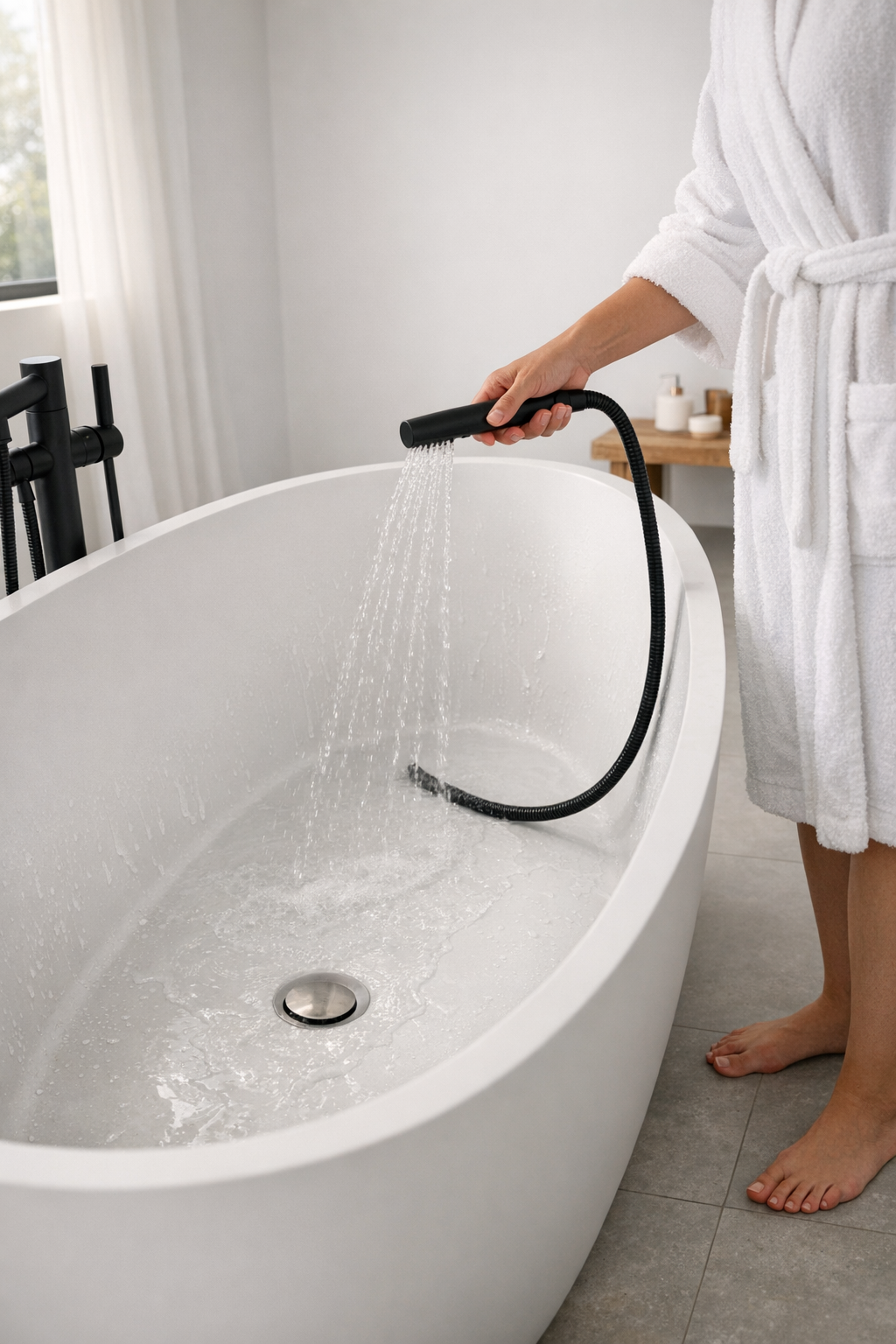
What you do in the ten minutes after an epsom salt bath matters nearly as much as the soak itself.
For your body:
For your tub:
Manufacturer’s Take: Customers sometimes ask whether their Badeloft stone resin tub needs a special cleaner after epsom salt baths. The short answer is no, warm water rinse is sufficient for routine maintenance. For periodic deep cleaning, a non-abrasive bathroom cleaner works perfectly. We cover this in detail in our how to clean your bathtub guide.
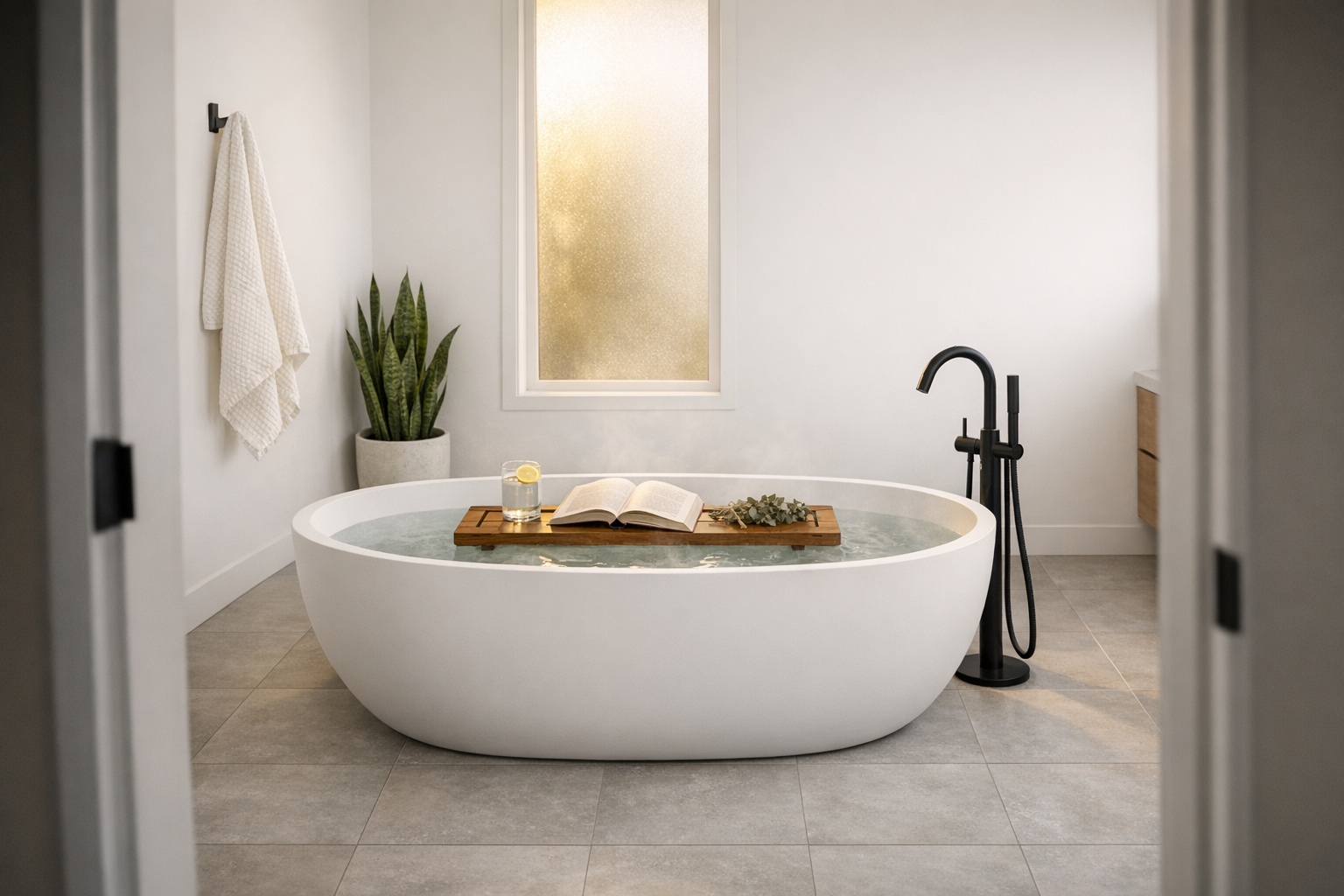
If you are committed to making epsom salt baths a regular practice, say, two to three times per week, your tub choice shapes the experience in ways that are worth thinking about before you buy.
Depth over everything. A standard alcove tub is typically 14-15 inches deep. When you lie back, your chest, stomach, and shoulders are largely above the waterline. A proper soaking tub, especially a deep freestanding model, offers 18-23 inches of water depth and full-body immersion. For therapeutic soaking, this is a meaningful difference.
Material for longevity. As we covered above, stone resin is the most durable and salt-compatible material for regular therapeutic soaks. It is also the most heat-retentive, which extends the effective warm window of your bath.
Size for comfort. For a tall person or someone with mobility considerations, a longer tub (67 inches versus the standard 59 inches) allows true stretching out. This sounds obvious, but many buyers prioritize bathroom fit and realize post-purchase that the tub is too short for comfortable full-body soaking.
If you are in the process of choosing, our freestanding bathtub buying guide walks through every key decision – dimensions, materials, drain placement, and filler compatibility.
For a standard 5-foot bathtub, 2 cups of epsom salt is the most widely recommended amount. For a larger soaking or freestanding tub (60-67 inches), use 2-3 cups. For an extra-deep tub, you can go up to 4 cups. For a foot soak, 1/2 cup in a basin is sufficient. Scale to water volume, the goal is roughly 1 cup per gallon of water.
When dissolved in bathwater, epsom salt breaks into magnesium and sulfate ions. The warm water promotes muscle relaxation, circulation, and stress relief. Whether the magnesium is absorbed through your skin in significant amounts is still debated by researchers, but epsom salt baths consistently deliver the outcomes people use them for: less muscle soreness, reduced stress, improved sleep, and temporary joint pain relief.
15 to 20 minutes is the effective window. This is enough time to receive the full thermal and relaxation benefits without overdoing it. Soaking longer than 30 minutes can leave skin dehydrated and may cause mild lightheadedness. Always exit slowly, especially if you have run a warm bath.
Yes, with precautions. Always add epsom salt while the water is running so it fully dissolves before you enter, undissolved crystals can abrade acrylic surfaces. After the soak, rinse the tub immediately with warm water. Never use high concentrations or leave salt water to air-dry in an acrylic tub. With these habits, occasional epsom salt use is fine.
Pure magnesium sulfate does not expire in the way food does. However, it can absorb moisture from the air and clump into hard blocks over time. Clumped epsom salt is still effective once you dissolve it in hot water; it has not degraded chemically. Store it in an airtight container in a cool, dry location to prevent clumping.
Technically yes, epsom salt has been used as an OTC saline laxative for generations, and the FDA still recognizes this use. However, it works very aggressively as a laxative and should only be used as directed on the package, not as a daily supplement or detox drink. Oral epsom salt should never be consumed in bath-use quantities. Children, pregnant women, and anyone with kidney conditions should avoid oral use without medical guidance.
For most healthy adults, two to three times per week is a reasonable and sustainable frequency. Daily epsom salt baths are unlikely to cause harm for most people, but daily long hot baths of any kind can disrupt skin’s natural moisture barrier over time. If you bathe daily and want to include epsom salt, use a moderate amount (1-2 cups), keep the temperature comfortable rather than scalding, and moisturize consistently afterward.
It depends on the material. Stone resin and cast iron with intact enamel handle regular epsom salt use without issue. Acrylic can be used with proper precautions (full dissolution before entry, thorough rinsing after). Fiberglass is the most vulnerable, limit frequency and rinse immediately. Never use epsom salt in a jetted or whirlpool tub unless the manufacturer explicitly approves it, as the salt water can corrode internal pump components.
The right tub makes all the difference between a bath you rush through and one you genuinely look forward to. If you are serious about therapeutic soaking, whether that includes epsom salt, essential oils, or simply deep, hot immersion – the geometry, material, and depth of your bathtub matter more than most people realize before they buy.
Explore our full collection of freestanding bathtubs, all made from non-porous stone resin, designed for deep soaking, and built to handle a lifetime of therapeutic bathing without surface degradation.
Or browse our soaking tub collection to find the depth, length, and profile that fits your bathroom and your routine.
Questions about which tub is right for your space? Our team has been helping customers find the right fit since 2011. We are here to help.

Eric is the founder and president of Badeloft USA. He has been the president of Badeloft’s US division for over ten years and oversees all marketing and branding aspects of Badeloftusa.com.
His expertise lies in small business development, sales, and home and bathroom industry trends and information.
Contact us with any business related inquiries.
Badeloft is dedicated to helping homeowners make informed decisions about their bathrooms. We adhere to strict editorial guidelines to ensure our content is accurate, trustworthy, and useful.
Request free stone resin and stainless steel material samples. Delivered to your door.
Choosing the right bathtub drain stopper is essential for creating a comfortable and functional bathing experience. With over 20 common
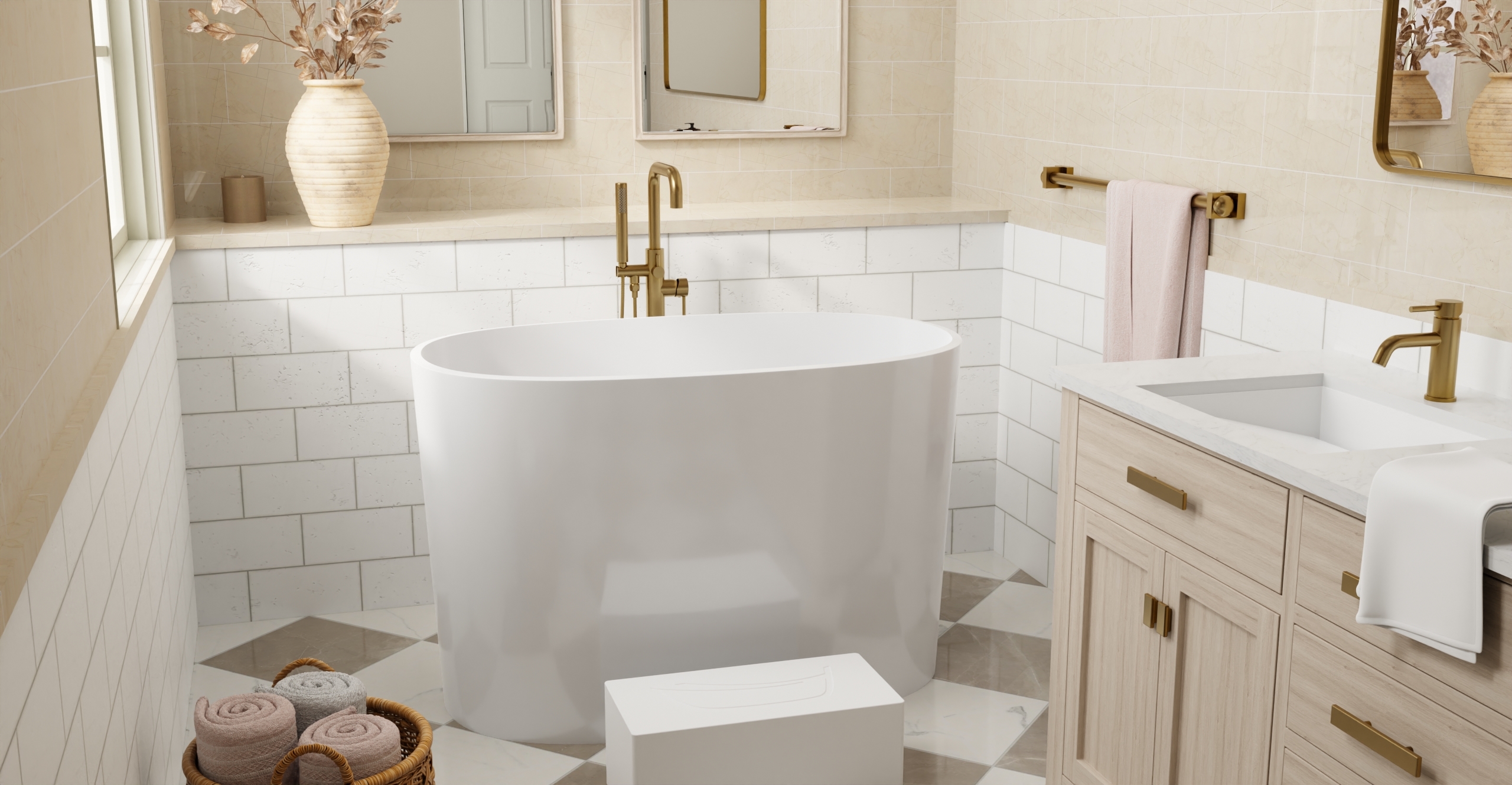
A soaking tub is defined by one thing: depth. Where a standard alcove tub sits around 14 inches deep, a
Spring is when most bathroom remodels get serious. The weather breaks, contractors open up, and that upgrade you have been
A Japanese soaking tub, known traditionally as an ofuro, is designed for one purpose: full-body immersion. Unlike Western bathtubs built
Request your free material sample below. By submitting, you agree to receive occasional product updates and offers from Badeloft. Unsubscribe anytime.
"*" indicates required fields