
Japanese Soaking Tub Guide: Ofuro Tubs Explained
A Japanese soaking tub, known traditionally as an ofuro, is designed for one purpose: full-body immersion. Unlike Western bathtubs built
Tired of the traditional alcove tub and looking for something more distinctive? Standard bathtubs are no longer your only option.
In 2026, homeowners are choosing alternatives that better align with their space, lifestyle, and design preferences. From compact soaking tubs for smaller bathrooms to spa-inspired options designed for deeper relaxation, today’s alternatives offer greater flexibility and functionality.
Many of these options also enhance accessibility, water efficiency, and overall comfort.
Below, we’ll explore the best standard bathtub alternatives for 2026, including their key benefits and potential drawbacks, so you can confidently choose the right fit for your home.
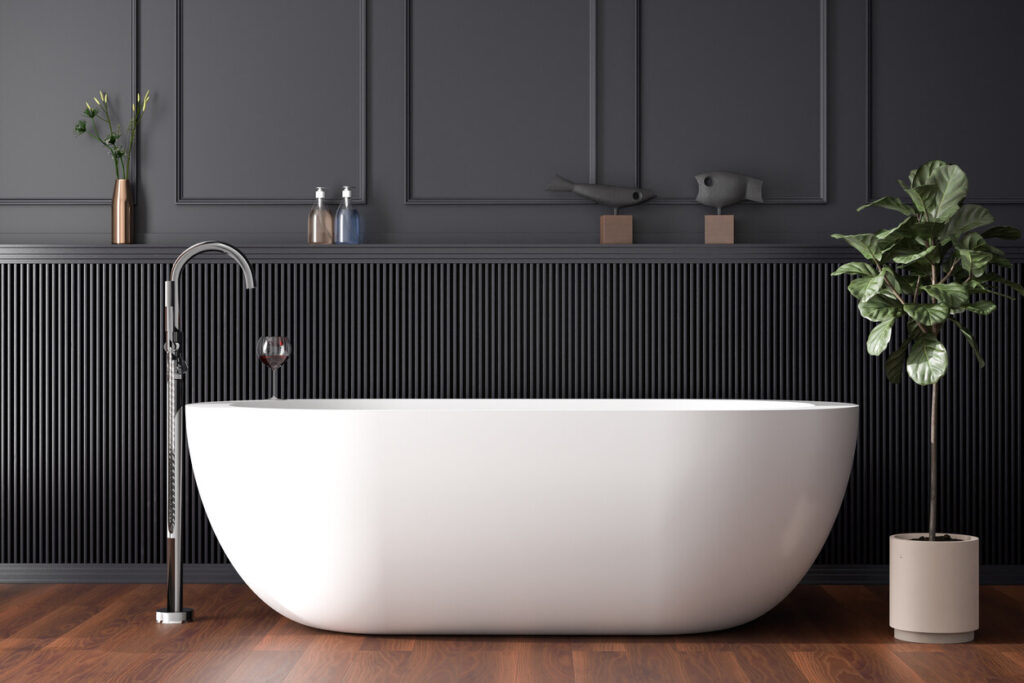
A freestanding bathtub is any bathtub that can stand on its own. What makes freestanding bathtubs unique is their ability to be placed anywhere in the bathroom. In addition, freestanding bathtubs are available in many high-quality materials, allowing them to retain heat over long periods of time.
Price
Freestanding bathtubs vary widely in cost depending on size and material, with entry-level acrylic models starting around $700–$1,000, while luxury stone resin or cast iron options can exceed $5,000. Though the upfront cost can be higher than built-in tubs, the variety of price points makes them accessible for both mid-range and high-end projects. Their durability often offsets the initial expense, providing long-term value.
Installation & Maintenance
Installation is generally straightforward, requiring only proper plumbing placement, but the weight of some models may demand reinforced flooring. Maintenance is relatively easy since there are no surrounding enclosures where grime can build up, and surfaces like acrylic or fiberglass only require gentle cleaning. Cast iron or stone resin tubs may need occasional resealing, but overall upkeep is minimal.
Resale/Value
Freestanding bathtubs are considered a premium design feature that can increase a home’s resale value. Their aesthetic appeal often signals luxury and modern design, which can help position a property as more desirable to buyers. In higher-end real estate markets, a freestanding tub is frequently seen as a “must-have” in master bathrooms.
Freestanding tubs are often chosen as a statement piece in bathrooms, but for those with limited space or a preference for compact designs, Japanese soaking tubs offer an appealing alternative.
Pros
Cons
Freestanding tubs are often chosen as a statement piece in bathrooms, but for those with limited space or a preference for compact designs, Japanese soaking tubs offer an appealing alternative.
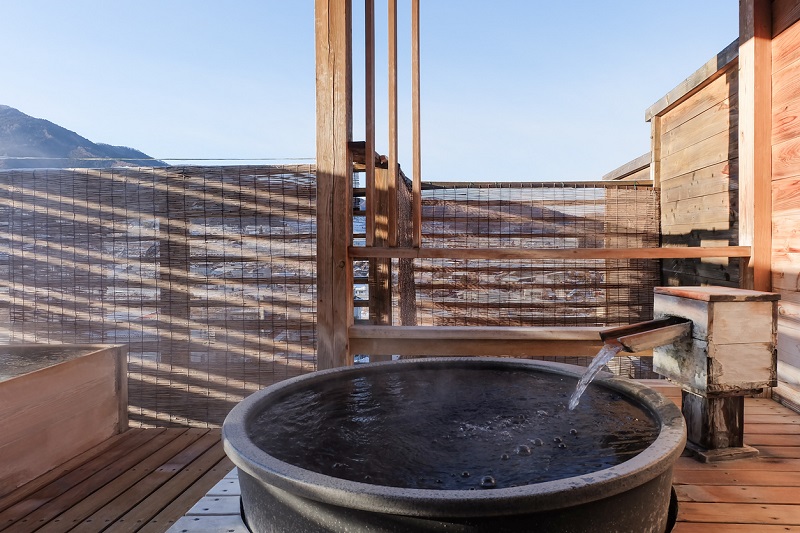
A Japanese soaking tub, also called an ofuro, is a deep, compact bathtub designed for sitting rather than reclining. Unlike standard tubs, these are typically circular or square and prioritize depth over length, allowing a person to submerge comfortably in a smaller footprint. They are especially popular in bathrooms where space is limited but relaxation and immersion are still desired.
Price
Japanese soaking tubs typically range from $1,500–$6,000 depending on size, material, and craftsmanship. Entry-level acrylic models are more affordable, while premium wood or stone designs command higher prices due to their artisanal construction. Though more expensive than many standard tubs, they are considered a long-term investment in comfort and design.
Installation & Maintenance
These tubs are relatively easy to install, requiring only proper plumbing and enough floor support for the smaller but often heavier structure. Maintenance depends heavily on material: acrylic and fiberglass are low-maintenance, while wood models require sealing and careful upkeep to prevent water damage. Because of their depth, cleaning may take a bit more effort compared to shallower tubs.
Resale/Value
Japanese soaking tubs are a unique, luxury feature that can differentiate a home, especially in urban or space-conscious markets. Their design conveys modernity and wellness-oriented living, appealing to buyers looking for spa-like elements. While niche, they can increase value for buyers prioritizing relaxation and efficient use of space.
Pros
Cons
For homeowners who want a freestanding look with a timeless, vintage feel, clawfoot bathtubs remain a classic and charming alternative.
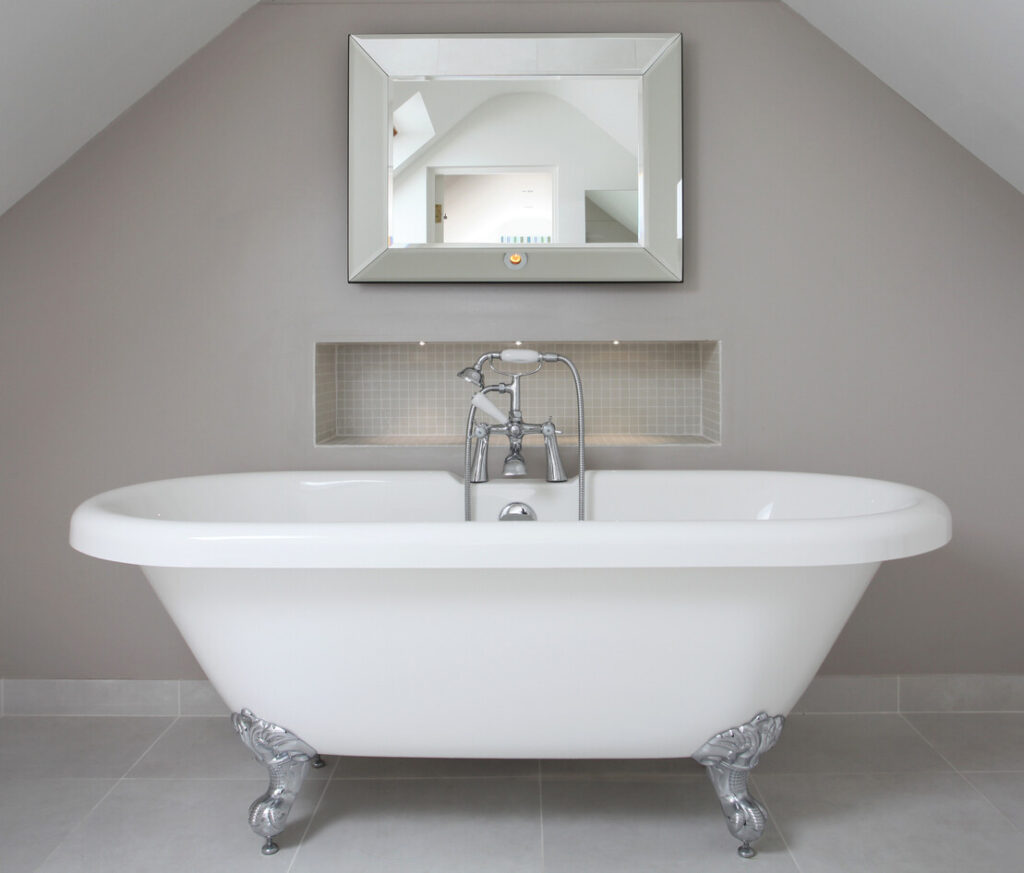
A clawfoot bathtub is a classic style of freestanding tub characterized by its four decorative legs, often styled as claws or ornate supports. These tubs have been popular for centuries and remain a staple in traditional and vintage-inspired bathrooms. While they share similarities with modern freestanding tubs, clawfoot models stand out for their historical charm and ability to create a statement piece in both classic and eclectic designs.
Price
Clawfoot bathtubs generally range from $1,000–$4,000, with acrylic options on the lower end and cast iron or copper models on the higher end. Antique or custom designs can be significantly more expensive due to rarity and craftsmanship. Their affordability compared to other luxury tubs makes them a popular choice for homeowners seeking elegance without extreme cost.
Installation & Maintenance
Installation is fairly straightforward but does require plumbing that connects through the exposed base of the tub. Because they are heavy, especially cast iron models, reinforced flooring may be necessary. Maintenance is relatively easy: surfaces are smooth and accessible for cleaning, though keeping the space beneath and around the legs dust-free may require extra attention.
Resale/Value
Clawfoot tubs are considered a desirable vintage feature that can add both charm and value to a home. Buyers often view them as a timeless luxury, especially in historic homes or properties with period design. In modern markets, they can also serve as a unique differentiator, though they may not appeal to buyers looking for minimalist, space-saving solutions.
Pros
Cons
While clawfoot tubs highlight vintage charm, homeowners seeking a spa-like experience often turn to jet tubs or Jacuzzis, which bring hydrotherapy and modern luxury into the bathroom.
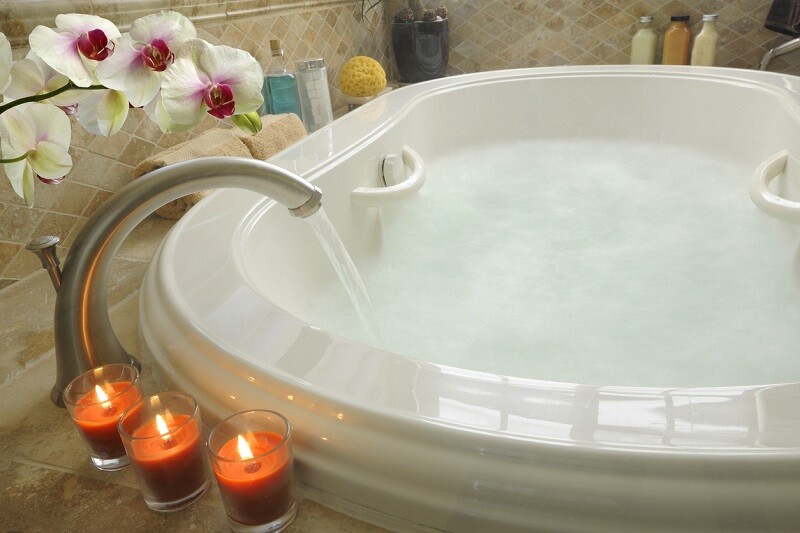
Jet tubs, commonly known as Jacuzzis, are designed to provide a spa-like experience at home. These tubs use heated water or air jets to massage muscles and joints, creating both a therapeutic and luxurious bathing option. Their unique design includes multiple nozzles and a motorized pump system, making them especially appealing for those who prioritize relaxation, hydrotherapy, and overall wellness.
Price
Jet tubs and Jacuzzis are among the most expensive bathtub options, typically ranging from $2,500–$8,000 depending on size, brand, and features. High-end models with advanced controls, LED lighting, or aromatherapy integration can exceed $10,000. While the initial cost is high, many homeowners view the investment as worthwhile for its health benefits and luxury appeal.
Installation & Maintenance
Installation is more complex than other tub types, often requiring both plumbing and electrical work. Professional installation is recommended to ensure the motor, jets, and heating elements are properly connected. Maintenance can also be demanding, as the jets need regular cleaning to prevent buildup and the pump system requires periodic servicing. These tubs also use a significant amount of water and may increase energy bills due to heating requirements.
Resale/Value
A well-maintained Jacuzzi can add considerable luxury value to a home, particularly in upscale markets where spa-like features are highly desirable. However, the appeal can vary—some buyers may be deterred by the higher maintenance needs. Overall, they are most attractive to homeowners or buyers who prioritize relaxation and wellness.
Pros
Cons
For homeowners who prefer practicality and efficiency over luxury, showers remain one of the most common and space-saving alternatives to bathtubs.
Showers are one of the most common alternatives to bathtubs, offering a quick and efficient way to bathe. Unlike tubs, which require filling, showers use a continuous spray of water, making them highly practical for everyday routines. They are available in a variety of designs—from simple stall showers to walk-in glass enclosures—and can be customized with features like rainfall heads, body sprays, and steam systems.

Price
Showers vary widely in cost depending on design and features. A basic prefabricated shower unit can start around $800–$1,500, while custom tiled walk-in showers can range from $3,000–$8,000 or more. Luxury options with multiple heads, steam functions, and premium finishes can easily exceed $10,000.
Installation & Maintenance
Installation depends on complexity. Prefabricated units are relatively easy to install, while custom walk-ins require extensive plumbing, waterproofing, and tiling. Maintenance often involves regular cleaning of grout, glass, and fixtures to prevent buildup of soap scum and mold. While showers generally use less water than bathtubs, sealing and waterproofing must be properly maintained to avoid leaks and water damage.
Resale/Value
Showers are highly appealing to modern buyers, especially in urban markets where efficiency and accessibility matter. Walk-in showers in particular are considered a must-have feature in many home remodels, boosting property value. However, in family homes, buyers may still expect at least one bathtub for children, which can make shower-only homes slightly less versatile.
Pros
Cons
While showers emphasize efficiency and space-saving, shower chairs add an additional layer of safety and accessibility, making them an essential option for individuals with limited mobility or injuries.
Walk-in bathtubs are designed with accessibility and safety in mind, making them especially popular among seniors and individuals with limited mobility. These tubs feature a built-in door that allows users to enter without stepping over a high ledge, along with safety grips, built-in seating, and anti-slip flooring. Their design emphasizes comfort and independence, while still providing the full soaking experience of a standard bathtub.
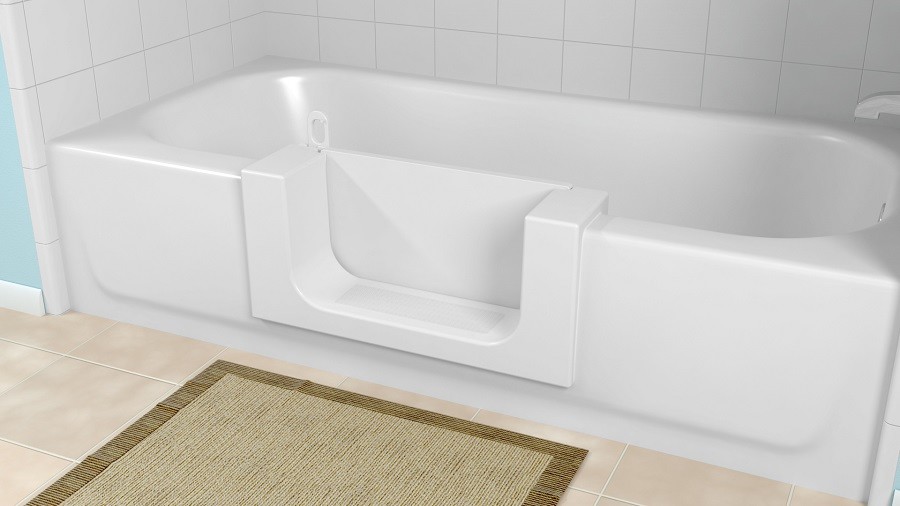
Price
Walk-in bathtubs generally range from $2,500–$7,500, depending on size, material, and added features such as hydrotherapy jets or heated surfaces. Premium models with advanced accessibility functions can exceed $10,000. While more expensive than traditional tubs, they are often viewed as a health and lifestyle investment.
Installation & Maintenance
Installation is more involved than a standard bathtub, often requiring professional remodeling to accommodate the tub’s size, plumbing, and electrical features. Maintenance varies depending on the model: simple versions are easy to clean, while hydrotherapy-equipped models require more upkeep for the jets and pumps. One drawback is that users must remain inside the tub while it fills and drains, which can make the experience less convenient compared to standard tubs.
Resale/Value
Walk-in tubs can increase a home’s value in markets with older buyers or in properties designed with aging-in-place features. They are highly attractive to buyers who prioritize accessibility, but may be less appealing in younger family markets where a standard tub or shower may be preferred. Overall, they are seen as a specialized feature that boosts value for the right audience.
Pros
Cons
Less appealing to families with young children
Below you will find the most popular standard bathtub choices on the market today:
When it comes to bathroom design, standard bathtubs remain the most popular choice because of their functionality, affordability, and adaptability to different spaces. Each style has unique benefits, from maximizing limited square footage to providing a more seamless, built-in aesthetic. Understanding the common types can help homeowners choose the best fit for their layout, budget, and design goals.
| Bathtub Type | Best For | Space Efficiency | Design Style | Budget Range | Key Advantage |
|---|---|---|---|---|---|
| Alcove | Small bathrooms, apartments | Excellent | Classic, practical | $ | Most space-efficient and affordable option |
| Drop-In | Custom layouts | Moderate | Customizable, transitional | $$ | Flexible surround design options |
| Undermount | Modern remodels | Moderate | Sleek, seamless | $$–$$$ | Flush, high-end appearance |
| Corner | Tight floor plans | Good | Contemporary, space-optimized | $$ | Maximizes unused corner space |
| Bath & Shower Combo | Families, multi-use bathrooms | Excellent | Functional, adaptable | $–$$ | Combines bathing and showering in one unit |
Alcove bathtubs are a classic option for smaller bathrooms, designed to fit into a recessed area bordered by three walls. Their space-efficient layout makes them ideal for compact homes and apartments, often paired with a shower for added functionality. The design is straightforward, budget-friendly, and practical for everyday use.
Drop-in bathtubs are installed into a framed enclosure, with the rim of the tub visible above the surrounding deck. They are popular for their affordability and versatility, since the surrounding structure can be customized with tile, stone, or wood finishes. This makes them a practical and stylish choice that works in many different bathroom layouts.
Similar to drop-ins, undermount bathtubs are installed beneath the surrounding deck, creating a seamless, flush appearance with the surface material. While they don’t necessarily save space, they offer a sleek, modern look and allow for more customization in bathroom design. Homeowners often choose this style to highlight high-end materials like marble or quartz.
Corner bathtubs are designed for bathrooms with limited floor space, fitting neatly into a corner with a triangular, round, or oval shape. They are larger than alcove tubs and can feel more luxurious while still optimizing square footage. This style is often chosen when homeowners want both comfort and efficiency.
Bath and shower combos are among the most practical and versatile options, combining two essential fixtures into one. Installed in alcove or standard tubs, this setup allows for both quick showers and relaxing baths. Their adaptability makes them one of the most common choices for families and households that want maximum functionality in a single space.
Standard bathtubs provide a great asset to any bathroom, but they are a bit limited in design. Additionally, they take up a fair bit of room as well. Alternative bathtub designs help address these issues by providing a bathtub that has the same functionality while providing its own benefits as well.
Standard bathtubs tend to take up a great deal of space. Alternative styles are designed to save space such as corner and soaking tubs. The round design means that you have more room to install a larger sink or extra storage space if you desire.
Standard bathtubs are a bit limited in their design. Perhaps your space is small and you need a bathtub that can allow you extra space in your apartment or home. Having a greater selection of designs can allow you to better customize your bath space.
Lifestyle change can signal the need for a new bathtub. As you get older, you need a bathtub that is easily accessible for both children and the elderly so a new design is warranted. Alternatively, you may find yourself more stressed and in need of a bathtub that can allow you better muscle relief than a standard bathtub.
Choosing an alternative bathtub is more than a design decision. It is an investment in comfort, function, and long term value. Before making a final decision, keep these key considerations in mind:
Start by asking yourself why you want a new tub.
Are you upgrading for aesthetics, saving space, improving accessibility, or creating a spa like experience?
Understanding your primary motivation helps narrow your options and prevents overspending on features you may not need.
Not all alternatives function the same way. Compare styles such as soaking tubs, walk in tubs, freestanding models, Japanese style tubs, or hydrotherapy systems.
Consider:
Reading reviews and consulting professionals can help you avoid costly mistakes.
Improper sizing is one of the most common renovation issues. Confirm door widths, plumbing locations, floor load capacity, and overall bathroom dimensions before buying.
A beautiful tub that does not fit properly can quickly become an expensive problem.
Bathtubs can range widely in price, especially when jets, specialty materials, or custom finishes are involved.
Set a total budget that includes:
Staying disciplined helps you avoid financial strain while still achieving a meaningful upgrade.
Some materials require more upkeep than others. Consider how easy the tub will be to clean, how well it retains heat, and whether replacement parts are readily available.
Durability matters just as much as design.
Even if accessibility is not a concern today, planning ahead can be wise. Lower entry points, built in seating, or grab bar compatibility can make your bathroom more functional for years to come.
Your bathtub will likely become the focal point of the space. Think beyond the tub itself and consider:
When everything works together, the result feels intentional and elevated.
Standard bathtubs remain a practical option for many homes. However, as bathroom layouts evolve and lifestyle needs change, alternative bathtubs offer flexibility, style, and improved functionality.
If you are ready for something different, take the time to research your options carefully and choose the bathtub alternative that best fits your space, budget, and long term goals.
If you’re ready to move beyond a standard built-in tub, Badeloft freestanding bathtubs offer a refined balance of modern design, deep soaking comfort, and long-lasting durability. Crafted from premium stone resin for superior heat retention and strength, each tub is designed to serve as a statement piece while delivering everyday functionality. Explore Badeloft’s collection to find a freestanding bathtub that transforms your bathroom into a true spa-inspired retreat.

Eric is the founder and president of Badeloft USA. He has been the president of Badeloft’s US division for over ten years and oversees all marketing and branding aspects of Badeloftusa.com.
His expertise lies in small business development, sales, and home and bathroom industry trends and information.
Contact us with any business related inquiries.
Badeloft is dedicated to helping homeowners make informed decisions about their bathrooms. We adhere to strict editorial guidelines to ensure our content is accurate, trustworthy, and useful.
Request free stone resin and stainless steel material samples. Delivered to your door.
A Japanese soaking tub, known traditionally as an ofuro, is designed for one purpose: full-body immersion. Unlike Western bathtubs built
A good bathtub tray turns an ordinary soak into something you actually look forward to. It holds your book, your
Spring is peak bathroom renovation season – and with remodel costs up 15–20% this year, the pressure to get it
It’s spring, tax refunds are landing, and if you’ve been putting off a bathroom upgrade, you’re in good company. A
Request your free material sample below. By submitting, you agree to receive occasional product updates and offers from Badeloft. Unsubscribe anytime.
"*" indicates required fields