
Japanese Soaking Tub Guide: Ofuro Tubs Explained
A Japanese soaking tub, known traditionally as an ofuro, is designed for one purpose: full-body immersion. Unlike Western bathtubs built
Acrylic bathtubs have become one of the most widely used materials in modern bathrooms, offering a balance of affordability, comfort, and design flexibility. Made from molded acrylic reinforced with fiberglass, these tubs are lightweight yet durable enough for everyday use.
If you’re remodeling or comparing materials, understanding the real-world pros and cons of acrylic bathtubs can help you decide if they’re the right fit for your space and lifestyle.
Acrylic bathtubs are not just still popular, they have become one of the most widely used materials in modern bathroom design, especially as homeowners continue to prioritize comfort, flexibility, and cost efficiency. The broader shift toward spa-inspired, wellness-focused bathrooms has driven demand for freestanding and soaking tubs, and acrylic naturally fits that trend because it can be molded into sleek, modern shapes without the higher price point of materials like cast iron or stone.
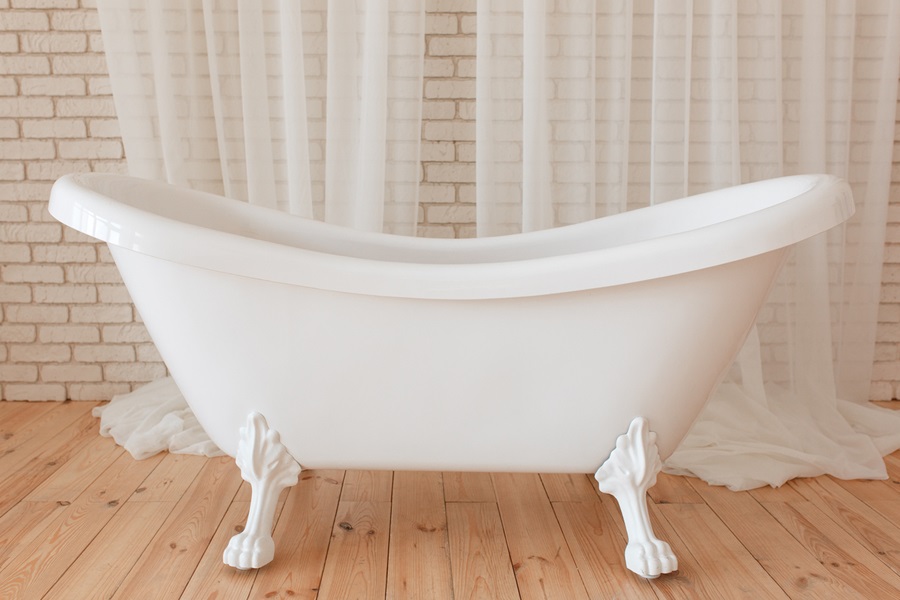
At the same time, practicality plays a major role. Acrylic is lightweight, easier to install, and simpler to maintain than heavier materials, making it especially appealing for both remodels and new builds. As noted by industry sources such as the National Kitchen & Bath Association, acrylic bathtubs have become a go-to option in recent remodeling trends due to their balance of affordability, durability, and design flexibility, reinforcing their position as a leading choice for 2025 to 2026.

That said, how tubs are used is evolving. While primary bathrooms continue to feature statement tubs, many homeowners are replacing secondary bathtubs with walk-in showers to maximize space and convenience. As a result, acrylic bathtubs remain highly relevant, especially in freestanding and soaking designs, but are now being incorporated more intentionally rather than automatically included in every bathroom.
Acrylic bathtubs continue to stand out not just for affordability, but for how well they balance everyday practicality with comfort and performance. Many of their advantages are not just surface-level; they directly impact installation, long-term use, and the overall bathroom experience.
Acrylic bathtubs are significantly lighter than materials like cast iron or stone, which makes them easier to move, position, and install, especially in remodels or upper-level bathrooms. This can simplify the entire renovation process, often reducing labor time and avoiding the need for additional structural reinforcement. In practical terms, that means fewer installation hurdles, faster timelines, and lower overall costs for homeowners.
Acrylic naturally retains heat better than materials like steel, helping bathwater stay warmer for longer without constant reheating. This makes a real difference for those who take longer baths or use their tub for relaxation, as the water temperature remains more consistent. As noted by Angi, acrylic tubs are known for retaining heat and keeping bathwater warmer for extended periods, which can also reduce how often you need to add hot water during a soak.
Unlike metal tubs, acrylic does not feel cold when you step in, which creates a more comfortable and inviting experience from the start. This is especially noticeable in colder climates or during early mornings when materials like steel or cast iron can feel harsh. For families with children or anyone using the tub regularly, that warmer surface makes daily use feel more approachable and less abrupt.
Acrylic bathtubs are often designed to replicate the clean, modern look of more expensive materials like stone or solid surface, allowing homeowners to achieve a premium aesthetic without stretching their budget. This is one of the reasons acrylic is so common in mid-range remodels where design still matters. As noted by Bath Fitter, acrylic bathtubs offer a glossy, high-end appearance at a more accessible price point, making them a practical way to elevate a bathroom’s overall look without overspending.
Because acrylic is highly moldable, it is available in nearly every bathtub style, including freestanding, alcove, soaking, and corner designs. This flexibility makes it easier to design around both spatial constraints and aesthetic goals without being limited by material. Whether you are working with a compact bathroom or building a statement layout, acrylic gives you more freedom to choose a tub that actually fits your space and vision.
Acrylic tubs feature a non-porous surface that naturally resists mold, mildew, and buildup, which simplifies routine cleaning. In most cases, all that is needed is a mild soap and a soft cloth to keep the surface looking clean and polished. Over time, this reduces the need for harsh chemicals and heavy scrubbing, making acrylic a practical choice for households that want a low-maintenance option that still looks good.
One of the more overlooked advantages of acrylic is its forgiving nature over time. Unlike materials that require full replacement when damaged, acrylic surfaces can often be repaired with simple buffing or refinishing if scratches or scuffs occur. This makes it a practical choice for high-use households where minor wear is expected, since those imperfections do not automatically turn into costly replacements.
While acrylic is lightweight, it is durable enough for everyday use when properly reinforced. Most quality acrylic tubs last between 10 and 20 years, which aligns well with the typical lifecycle of a bathroom before it is updated again. According to HomeAdvisor, many acrylic tubs hold up well under regular use, making them a reliable option for homeowners who want durability without committing to heavier, longer-lasting materials.
Acrylic has a natural flexibility that allows it to absorb small amounts of pressure or impact without cracking. In real-world use, this can help prevent the kind of sudden damage you might see with more rigid materials. For households with frequent use or shared bathrooms, that added resilience can make a noticeable difference in how well the tub holds up over time.
While acrylic bathtubs offer a strong balance of affordability and flexibility, there are some trade-offs to consider, especially regarding long-term durability and overall feel. Many of these drawbacks are manageable, but it is important to understand them before choosing the right material for your space.
Acrylic is softer than cast iron or steel, so it can be scratched more easily by abrasive tools or sharp objects. Over time, small scratches can accumulate if the surface is not properly cared for, especially in high-use bathrooms. While many of these marks can be buffed out, maintaining the finish requires a bit more attention, including avoiding harsh scrubbers and sticking to gentle cleaning methods.
Lower-quality acrylic tubs can be more prone to staining or slight yellowing over time, particularly when exposed to harsh chemicals or poor ventilation. This tends to be more common in budget models that use thinner acrylic layers. Choosing a higher-quality, well-constructed tub can significantly reduce this risk, but it is still something to be aware of, especially if your cleaning habits and bathroom environment are less than ideal.
Although acrylic is generally easy to clean, it does not respond well to strong chemical cleaners or abrasive solutions. Using the wrong products can dull the surface or cause premature wear, affecting the tub’s overall appearance. In practice, this means homeowners need to be a bit more intentional with cleaning products, sticking to mild soaps and non-abrasive materials to preserve the finish.
Because acrylic is lightweight, it can feel less solid than materials like cast iron or stone, which are often associated with luxury and durability. This difference is mostly about perception rather than performance, but it can be noticeable in higher-end bathroom designs where weight contributes to the overall experience. As noted by The Home Depot, acrylic tubs may not have the same solid feel as heavier materials, which can influence how some homeowners perceive their quality.
Because acrylic is lightweight and slightly flexible, it can feel unstable or develop movement if it is not installed with proper support underneath. This is not an issue with well-installed tubs, but in lower-quality installations, it can lead to a slight “give” when standing or shifting weight. Over time, improper support can also contribute to stress on the material, which is why a solid base and professional installation are important.
While acrylic tubs are durable enough for everyday use, they generally do not last as long as materials like cast iron or stone, which can last several decades. Most acrylic tubs fall within a 10 to 20 year lifespan, depending on quality and maintenance. As noted by This Old House, acrylic is considered a mid-range material in terms of longevity, making it a good fit for homeowners who plan to remodel again in the future rather than keep the same tub long term.
With regular use and cleaning, acrylic tubs can gradually lose some of their original glossy finish. This is especially true if improper cleaning products are used or if the surface experiences frequent wear. While refinishing can restore some of that shine, it is worth considering for homeowners who want a material that maintains a like-new appearance with minimal upkeep.
One of the more important considerations with acrylic bathtubs is how much quality can vary between manufacturers. Lower cost models often use thinner acrylic and less reinforcement, which can lead to a less stable feel and faster wear over time. On the other hand, higher-end acrylic tubs are built with multiple layers and reinforced backing, making them far more durable and comfortable to use. This makes product selection especially important, as performance differences can be noticeable depending on what you choose.
Although acrylic tubs are durable enough for everyday use, they generally do not last as long as materials like cast iron or stone, which can remain in place for several decades. For homeowners planning a long-term or “forever” bathroom, that difference in lifespan may be a deciding factor. That said, for many remodel timelines, acrylic still holds up well and often aligns with the frequency with which bathrooms are updated.
Acrylic bathtubs continue to dominate the market because they align closely with how most homeowners design and use their bathrooms today. They offer a strong balance of affordability, comfort, and flexibility, making them a practical choice across a wide range of homes.
At the same time, their limitations, particularly regarding long-term durability and perceived luxury, are worth weighing against your goals. For most homeowners, acrylic is a smart and well-rounded option, but for those prioritizing maximum longevity or a more premium-feeling material, it may be worth exploring alternatives.

Eric is the founder and president of Badeloft USA. He has been the president of Badeloft’s US division for over ten years and oversees all marketing and branding aspects of Badeloftusa.com.
His expertise lies in small business development, sales, and home and bathroom industry trends and information.
Contact us with any business related inquiries.
Badeloft is dedicated to helping homeowners make informed decisions about their bathrooms. We adhere to strict editorial guidelines to ensure our content is accurate, trustworthy, and useful.
Request free stone resin and stainless steel material samples. Delivered to your door.
A Japanese soaking tub, known traditionally as an ofuro, is designed for one purpose: full-body immersion. Unlike Western bathtubs built
A good bathtub tray turns an ordinary soak into something you actually look forward to. It holds your book, your
Spring is peak bathroom renovation season – and with remodel costs up 15–20% this year, the pressure to get it
It’s spring, tax refunds are landing, and if you’ve been putting off a bathroom upgrade, you’re in good company. A
Request your free material sample below. By submitting, you agree to receive occasional product updates and offers from Badeloft. Unsubscribe anytime.
"*" indicates required fields