

Heated Toilet Seats: What to Know Before You Buy
Spring is when most bathroom remodels get serious. The weather breaks, contractors open up, and that upgrade you have been
The 5×8 bathroom is the most common full bathroom in American homes, and it’s also the one most renovation cost guides don’t actually help you plan for. The numbers in a generic bathroom remodel guide range from $6,000 to $80,000. That range is useless if you have 40 square feet and a real budget to plan around.
This guide is built specifically for the 5×8. The cost figures, the prioritization advice, and the framing are all specific to that footprint. If you’re trying to decide how much to spend, where to spend it, and what to expect when the demo starts, this is the guide.
A 5×8 bathroom is 40 square feet: five feet wide and eight feet long. It’s the standard layout for a full bathroom in homes built from the 1950s through the early 2000s, and it’s still one of the most commonly renovated spaces in residential real estate. The typical 5×8 includes a toilet, a vanity with sink, and either a tub/shower combination or a dedicated shower.
The 40-square-foot constraint is real. There isn’t room to add square footage, reconfigure the layout dramatically, or absorb mistakes. Every decision about what to spend money on and what to skip matters more in a small bathroom than in a larger one, because there’s nowhere to hide a mediocre choice and no extra space to absorb a budget overrun..
Remodeling a 5×8 bathroom can yield a strong return on investment—particularly because it improves both the home’s visual appeal and daily functionality. According to Remodeling Magazine’s 2023 Cost vs. Value Report, a midrange bathroom remodel recoups approximately 66% of its cost at resale, while an upscale remodel recoups around 36-40%. For homes with only one full bathroom, modernizing the space can also increase marketability and attract more buyers.
Beyond resale value, updating a bathroom provides lifestyle upgrades. Replacing outdated fixtures, old tile, or worn cabinetry not only improves aesthetics, but can also lead to better energy efficiency and water savings. New low-flow toilets, LED lighting, and water-efficient showerheads can help reduce monthly utility bills.
In a smaller bathroom, strategic design choices—like recessed storage, wall-mounted vanities, or bright lighting—can make a big visual impact. Plus, smaller spaces require fewer materials, which often allows homeowners to choose more premium finishes without a significant increase in budget. Whether you’re prepping for a sale or improving your forever home, remodeling a 5×8 bathroom can make a meaningful difference in how your space looks, feels, and functions.
| Aspect | Renovation | Remodel |
| Definition | Cosmetic or surface-level updates without changing layout or function | Structural changes that alter the layout, function, or footprint |
| Examples in 5×8 | Replacing tile, painting walls, updating vanity or lighting | Converting tub to walk-in shower, moving toilet or sink, expanding space |
| Cost Range | Lower ($4,000–8,000 depending on materials and finishes) | Higher ($8,000–15,000+ due to plumbing, electrical, and layout changes) |
| Permit Required | Usually not required unless plumbing/electrical is involved | Often required due to layout or structural changes |
| Project Timeline | Shorter (1–2 weeks) | Longer (2–4+ weeks depending on complexity) |
| Impact on Home | Refreshes appearance and may slightly boost value | Improves usability, layout, and can significantly increase resale value |
| Best For | Budget-conscious updates or preparing home for sale | Fixing layout issues, long-term usability, or custom personal upgrades |
Before you budget, clarify which type of project you’re planning. The cost difference between these three tiers is not incremental. It’s structural.
A cosmetic remodel updates the appearance without changing the plumbing, layout, or tile substrate. In a 5×8, this typically includes: painting, replacing the vanity and mirror, swapping fixtures and hardware, and adding new lighting. If the existing tile is in good condition, a cosmetic remodel may leave it in place or add a tile overlay.
This scope works when the bones are solid. It does not solve aging plumbing, cracked tile backer, subfloor problems, or a tub that’s at the end of its service life. If you go cosmetic on a bathroom that needs more, you’ll likely do the project again within five years.
A pull-and-replace remodel removes everything down to the studs and subfloor, then replaces all fixtures, tile, and finishes in the same configuration. No plumbing is relocated. The layout stays identical.
This is the right scope for most 5×8 remodels in homes 20 to 40 years old. You get a complete update, fresh waterproofing, and new infrastructure, without paying for the layout changes that nearly double the project cost. For most homeowners, this is the practical sweet spot: a bathroom that looks and functions like new, at a cost that pencils out against the home’s value.
A gut renovation that includes plumbing relocation, layout reconfiguration, or structural changes pushes costs significantly higher. Relocating a toilet drain in a 5×8 bathroom can add $2,000 to $7,500 to the project depending on your foundation type and local labor rates. Moving a tub or converting from a tub to a walk-in shower adds comparable costs.
Whether to move plumbing is the single most consequential budget decision in a 5×8 renovation. The guidance on that question is below.

For a pull-and-replace remodel in a 5×8 bathroom, budget using these ranges by project tier:
On a per-square-foot basis, a 5×8 pull-and-replace remodel typically runs $200–$375 per square foot. That range sits above the national average for larger bathrooms because the fixed costs of plumbing, electrical, and labor don’t scale down proportionally with a smaller footprint. The toilet costs the same to install whether your bathroom is 40 or 100 square feet.
These ranges reflect materials only for a pull-and-replace 5×8 remodel:
Labor accounts for 40 to 60 percent of a bathroom remodel budget. In a 5×8 project budgeted at $10,000, that’s $4,000 to $6,000 in labor across multiple trades.
The trades you’ll need:
General contractor or project manager: coordinates all trades, manages sequencing and timeline. Typically charges 10 to 20 percent of project cost as an oversight fee, or bills hourly for limited-scope projects.
This is the decision most homeowners don’t know to ask about until it surprises them mid-project.
In a 5×8 bathroom, the original plumbing rough-in determines where the toilet, tub, and sink can go without additional cost. If you want to keep the toilet, tub, and sink in their existing positions, your plumber reconnects everything in place. If you want to move any of them, you pay for the relocation.
The recommendation for most 5×8 remodels: keep the plumbing where it is. The layout of a 5×8 bathroom doesn’t offer many configuration alternatives anyway, and the cost of moving drains in an existing home is substantial relative to the total budget. Spend that $3,000 on better fixtures or tile, not on moving the toilet three inches to the left.
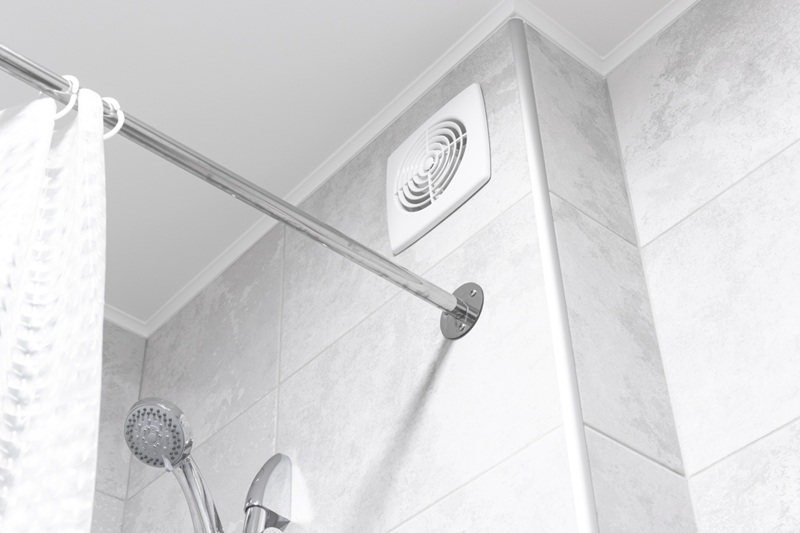
The exception: if you’re converting from a tub/shower combo to a dedicated walk-in shower and the existing drain location requires relocation to make it work, the investment may be justified depending on who uses the bathroom and how long you plan to stay in the home.
This is where a 5×8-specific guide diverges from a generic bathroom cost guide, and it’s the most practically useful section for most homeowners planning this project.
Spend on tile work. In 40 square feet, every surface is close and visible. Cheap tile that chips, grout that discolors, or a tile pattern that feels dated will read constantly. The cost difference between acceptable tile and genuinely good tile is often $200 to $600 for a 5×8. That’s not where you cut the budget.
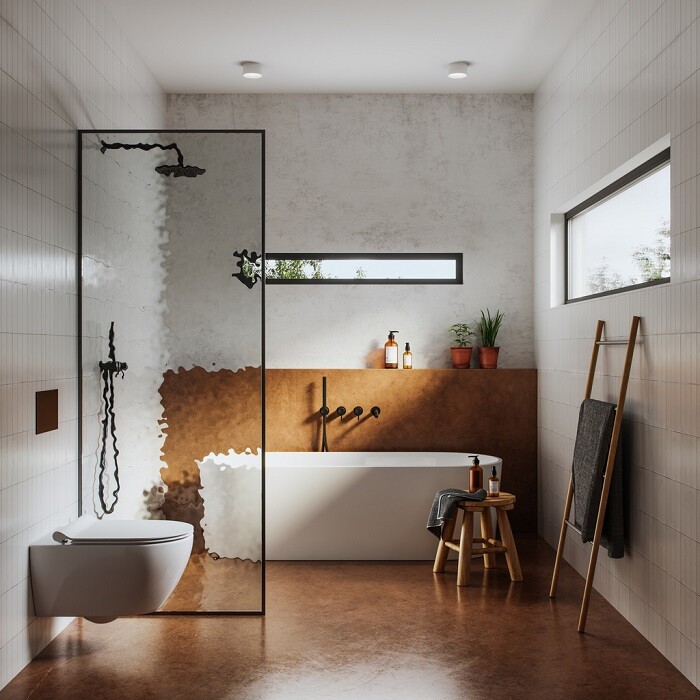
Spend on the vanity. The vanity is the statement piece in a 5×8 bathroom. A well-chosen vanity with good hardware and a solid countertop elevates the entire room. A cheap vanity with mediocre hardware makes an otherwise good renovation feel incomplete.
Spend on lighting. A 5×8 bathroom with poor lighting feels small and dim. Good vanity lighting at the right height, ideally on either side of the mirror rather than above it, changes how the room reads. The fixture cost is modest. The impact is not.
Save on the shower valve trim. The internal valve is where quality matters for durability. The trim kit around it is where you can pull back. A mid-range trim kit from the same finish family as your other hardware looks identical to the premium version once it’s installed.
Save on the toilet if the bathroom already has adequate plumbing. A $300 toilet from a quality manufacturer performs identically to an $800 toilet in a standard residential installation. The exception is if you’re planning a smart toilet or bidet seat, where the platform matters for the upgrade.
Save on the exhaust fan motor — but spend on the housing. A quiet, well-sized exhaust fan (rated for the bathroom’s cubic footage) is worth the investment. The decorative housing around it is not. Match the finish to your other hardware and move on.
Every renovation guide mentions contingency. Most don’t give you a useful number.
For a 5×8 bathroom remodel in a home more than 20 years old, budget 15 to 20 percent of your total project cost as contingency. This is not pessimism. It’s the rate at which older bathrooms reveal surprises once demo begins: subfloor rot under the tub, outdated wiring that needs bringing to code, deteriorated backer board behind the tile.
The surprises that most commonly affect a 5×8 bathroom budget:
Subfloor damage under the tub: found in most tub demo projects involving tubs that were installed 15 or more years ago. Repair cost: $400–$1,500 depending on extent.
GFCI and electrical code requirements: electrical work that was acceptable when the home was built may not pass current code once you open the walls. Budget $300–$800 if your home is 30+ years old.
Mold or water damage inside the walls: present in a meaningful percentage of bathrooms where grout or caulk has aged. Cost depends on extent; minor remediation runs $500–$2,000.
If your contingency goes unspent, you have money left over. That never happens if you don’t budget for it.
The midrange bathroom remodel has one of the more reliable ROI profiles in residential renovation. Industry data suggests midrange bathroom remodels recoup approximately 66 percent of cost at resale, meaning a $12,000 project contributes roughly $8,000 to home value. Upscale bathroom remodels tend to recoup 36 to 40 percent.
This math leads to a reasonable conclusion: the sweet spot for a 5×8 remodel optimized for resale is a clean pull-and-replace with mid-range materials. Everything is new, everything works, and the aesthetic is current and neutral. This outperforms both the under-invested cosmetic patch and the over-capitalized luxury renovation when ROI is the objective.
If you’re renovating a bathroom you’ll live with for 10 or more years, ROI is less important than livability. In that case, spend on the fixtures and finishes that will make the room genuinely pleasant to use every day. A stone resin tub or a walk-in shower that fits the way you actually live is a quality-of-life upgrade, not just a line item. The financial return matters more when the timeline to sale is short.

Budget ranges tell you where to set expectations. An accurate estimate requires a real bid from a contractor who has seen the bathroom.
Before you contact contractors:
1. Decide which tier you’re pursuing: cosmetic, pull-and-replace, or gut renovation.
2. Make a short list of what you will not compromise on. For most people in a 5×8, this is one or two things: the tub, the tile, or the vanity.
3. Get at least three bids from licensed contractors who have completed comparable bathroom projects.
4. Ask each contractor specifically about subfloor condition, plumbing access, and whether the electrical panel can support any new circuits you’re planning.
The contractor who bids lowest is not always the wrong choice. The contractor who can’t tell you what they’ll do if they find subfloor damage or outdated wiring is.
A detailed written scope with a clear change order process protects you when surprises appear. They will. The question is whether you planned for them or not.
For most homeowners renovating a 5×8 bathroom in 2026:
The 5×8 bathroom rewards intentional choices. Everything in it is visible. Everything in it gets used. Spend where it shows and where it lasts, and you’ll be satisfied with the result for years.

Eric is the founder and president of Badeloft USA. He has been the president of Badeloft’s US division for over ten years and oversees all marketing and branding aspects of Badeloftusa.com.
His expertise lies in small business development, sales, and home and bathroom industry trends and information.
Contact us with any business related inquiries.
Badeloft is dedicated to helping homeowners make informed decisions about their bathrooms. We adhere to strict editorial guidelines to ensure our content is accurate, trustworthy, and useful.
Request free stone resin and stainless steel material samples. Delivered to your door.
Spring is when most bathroom remodels get serious. The weather breaks, contractors open up, and that upgrade you have been
A Japanese soaking tub, known traditionally as an ofuro, is designed for one purpose: full-body immersion. Unlike Western bathtubs built
Spring is peak bathroom renovation season – and with remodel costs up 15–20% this year, the pressure to get it
It’s spring, tax refunds are landing, and if you’ve been putting off a bathroom upgrade, you’re in good company. A
Request your free material sample below. By submitting, you agree to receive occasional product updates and offers from Badeloft. Unsubscribe anytime.
"*" indicates required fields