
Choosing a Bathtub for Two: Sizes, Features, Installation & Other Considerations Before You Purchase
There’s a gap between what a freestanding bathtub listing tells you and what it actually feels like to share one.
A 54-inch bathtub occupies a specific place in the market and in a lot of bathrooms. It’s the go-to size for compact alcoves, mobile homes, guest bathrooms, and renovation projects where the rough opening is already fixed and there’s no flexibility. It’s also the size that prompts the most pre-purchase anxiety, because buyers worry they’re compromising before they’ve even confirmed whether the compromise is real.
After years of working with buyers across every bathroom configuration imaginable, we’ve found that most of the hesitation around 54-inch tubs comes from unanswered questions, not actual problems with the product. This guide answers all of them.
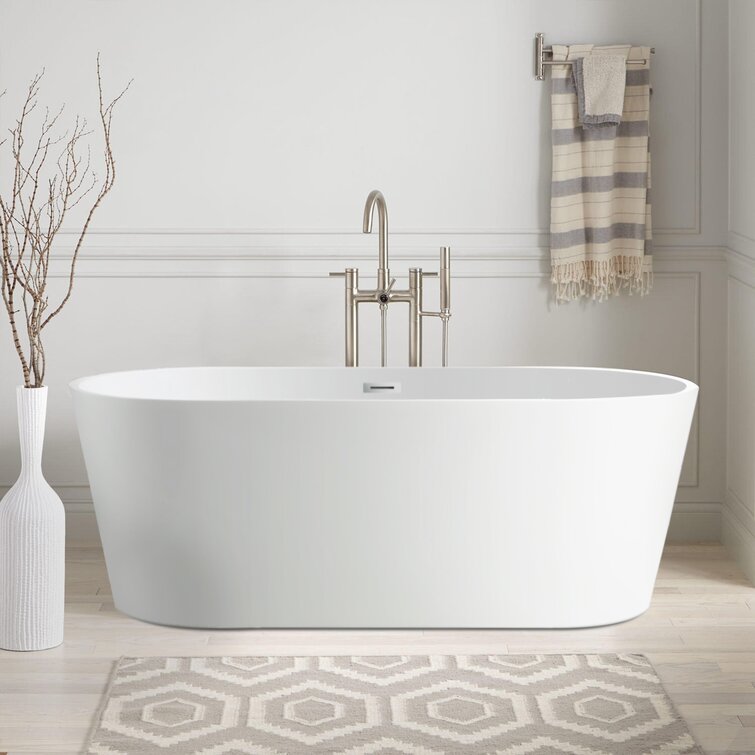
A 54-inch bathtub is a standard-width alcove tub with a length of 54 inches (4.5 feet) rather than the more common 60-inch (5-foot) residential standard. Width typically ranges from 27-32 inches, and depth runs from 14-16 inches in most alcove configurations.
The 54-inch format exists primarily for spaces that can’t accommodate a 60-inch tub, whether due to alcove framing, bathroom footprint, doorway clearance, or the specific requirements of mobile home and manufactured housing construction. It is not a junior version of a real bathtub. It is a purpose-built size for bathrooms that need it.
Standard specifications across the category:
This is the question most buyers are thinking and not asking. Let’s answer it directly.
For an adult of average height (5’6″ to 5’10”), a 54-inch bathtub is a functional but noticeably compact bathing experience. Your knees will be slightly bent, or your shoulders will be at or near the end of the tub. It’s comfortable enough for a soak, but it doesn’t have the expansive feel of a 60-inch or larger tub.
For most children, teenagers, and adults under 5’5″, a 54-inch tub is genuinely comfortable, not a compromise.
For bathing young children or pets, 54 inches is often easier to manage than a longer tub because the space is more contained and controllable.
Here’s the real question: is the 54-inch tub too small for your bathroom, or too small for your bathing experience? Those are different problems with different solutions.
If your alcove is 54 inches and you’re doing a like-for-like replacement, the answer to “is it too small?” is that the size is already decided, the question is which 54-inch tub best serves the space. If you’re designing a new bathroom and have a choice, read the next section before deciding.
This is the most common decision buyers face when the bathroom hasn’t been built yet or when there’s some flexibility in the renovation. Here’s how to think through it.
Go with 54 inches if:
Go with 60 inches if:
One thing we’d push back on: stretching a 54-inch alcove to fit a 60-inch tub is almost never worth the cost unless you’re already doing a full tile renovation. The framing work, tile patching, and plumbing adjustment rarely justify the extra 6 inches of soaking length.
A 54-inch bathtub’s unique benefits make it a standout choice for small or compact spaces. From its versatility in design to cost-saving efficiency, this size offers practical and aesthetic advantages that cater to various needs and preferences.
A 54-inch bathtub is the perfect solution for maximizing space in small bathrooms. Its compact size allows you to create a functional bathing area without compromising on other essential fixtures, such as vanities or storage cabinets. Saving valuable square footage opens up design possibilities for more efficient layouts in even the smallest spaces, making it ideal for urban apartments, condos, or homes with limited bathroom space.
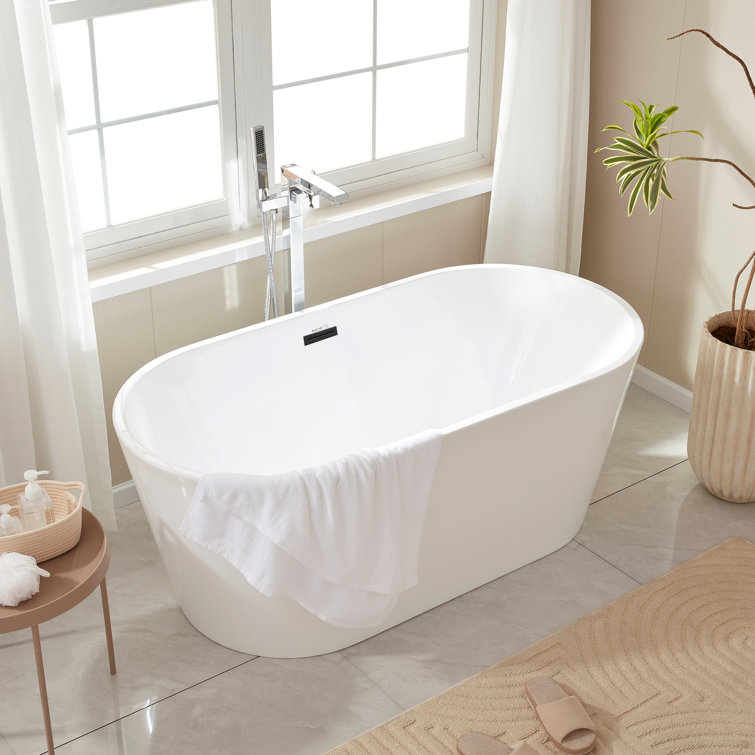
Despite its smaller size, a 54-inch bathtub offers various styles and materials to suit different tastes and needs. From freestanding and clawfoot tubs to alcove and drop-in designs, every aesthetic has an option. These tubs are available in materials like acrylic, fiberglass, cast iron, and stone resin, which cater to durability, cost, and design preferences. This versatility ensures you find a tub that complements your bathroom’s style while meeting practical requirements.
A 54-inch bathtub is typically more affordable than larger models, offering significant savings without sacrificing quality. Smaller tubs use less material, reducing manufacturing costs and lowering homeowners’ prices. Additionally, they use less per fill, reducing water and energy bills over time. This makes them a budget-friendly option for homeowners upgrading their bathrooms without breaking the bank. Moreover, a 54-inch bathtub can fit into tighter spaces, making it ideal for smaller bathrooms or guest rooms. When evaluating your choices, it’s essential to keep in mind key bathtub buying considerations, such as installation ease and overall design. By prioritizing both functionality and aesthetics, homeowners can achieve a delightful balance in their bathroom upgrades.
A 54-inch bathtub is perfectly sized for guest bathrooms or secondary spaces that don’t require a full-sized tub. It provides visitors with a functional and comfortable bathing solution without overwhelming the room. Its smaller footprint ensures that even compact bathrooms can have a touch of luxury and practicality. For homeowners with multiple bathrooms, it’s an excellent way to maximize space and utility without overspending.
Due to their compact size and lighter weight, 54-inch bathtubs are generally easier to install than larger models. This reduces installation time and costs, making them a practical choice for quick bathroom renovations. Their smaller surface area also means less cleaning time, and materials like acrylic or fiberglass are resistant to stains and scratches. This ease of maintenance ensures the tub stays looking great with minimal effort.
Smaller tubs require less water, making them eco-friendly for environmentally conscious homeowners. This helps conserve water and reduces the energy needed to heat the water, leading to lower utility bills. Over time, the reduced water usage contributes to sustainability efforts while providing a relaxing bathing experience. This makes a 54-inch bathtub a thoughtful and responsible choice for modern living.
Less common at 54 inches but available. A freestanding tub at this length has a smaller footprint that works in bathrooms where a 60-inch freestanding tub would overwhelm the space. Works best when floor clearance on all four sides is available.
The most common configuration for 54-inch tubs. Three walls on three sides, with the fourth side open and apron-paneled. Designed to fit precisely into a tub alcove opening. The format that most mobile homes, older homes, and compact bathrooms use.
Set into a deck or surround, with the rim sitting at or just above the deck surface. Offers design flexibility in terms of surrounding material. Requires a built deck structure, which adds installation cost and floor space requirements
Some 54-inch corner configurations exist, typically with two finished sides. Less common and less widely available than alcove models, but useful in corner-facing bathroom layouts.
Available at 54 inches for bathrooms where accessibility is the primary concern. Features a door in the side panel that allows entry without stepping over a rim. Water must drain before the door can be opened, which extends the bathing process, important to know before specifying.
Acrylic: The most common material for 54-inch tubs, particularly at the mid-range price point. Lightweight (typically 50-80 lbs), warm to the touch, and easy to clean. Chips and scratches are repairable. The material performs well at this size, the lower weight is an advantage for mobile home and upper-floor installations where floor load matters.
Fiberglass: The most affordable option. Lighter than acrylic and less durable over time. Surface is more porous and more prone to fading and cracking. For a guest bath or rental property, fiberglass at the lower price point is practical. For a primary bath, it typically doesn’t hold up to daily use as well.
Enameled Steel: Heavy, durable, and resistant to chipping better than acrylic when maintained. Cold to the touch initially but heats quickly. The weight can be a consideration — enameled steel 54-inch tubs often run 100+ lbs without water. For mobile homes or framed floors, verify load capacity.
Stone Resin: The premium option. Non-porous, excellent heat retention (the water stays warm significantly longer than in acrylic), and a substantial feel that matches the aesthetic of higher-end bathroom design. Heavier installation requirements. At the 54-inch size, stone resin works particularly well for compact bathrooms where the material quality makes the space feel considered rather than compromised.
What material decision-making actually looks like in practice: for a like-for-like replacement in a mobile home or rental, acrylic or fiberglass at the right price point is the right answer. For a primary bath renovation where the tub will be used daily for years, stone resin or premium acrylic will deliver a noticeably better experience and longer lifespan.
The weight of a 54-inch bathtub is an important consideration, especially when selecting materials like cast iron or stone resin, which can be significantly heavier than acrylic or fiberglass. The floor beneath the tub must be strong enough to support the combined weight of the tub, water, and the person using it. For instance, a cast iron tub can weigh several hundred pounds when filled, potentially requiring reinforced flooring or additional structural support. This is particularly relevant in older homes or multi-story residences where structural integrity may not meet modern standards. Homeowners installing a heavier tub should consult a contractor to ensure their floor can handle the load, avoiding costly repairs or safety hazards later.
The depth of the bathtub significantly influences the comfort and relaxation it can provide. Deeper tubs, such as those with soaking capabilities, allow for complete immersion, enhancing the bathing experience, especially for those seeking a spa-like atmosphere at home. For example, a 54-inch tub with a depth of 14 to 16 inches is ideal for someone who enjoys deep soaks, while a shallower tub may be better for families with small children who need easy access. Choosing the proper depth ensures the tub meets the user’s needs, whether for a quick rinse or an indulgent soak after a long day.
Placing the drain—left-hand, right-hand, or center—is crucial for compatibility with your existing plumbing setup. Selecting a tub with the wrong drain configuration can lead to costly adjustments during installation. For example, if your bathroom’s plumbing is designed for a left-hand drain and you purchase a tub with a right-hand drain, you may need to reroute the pipes, adding unnecessary expense and time. Understanding your bathroom’s plumbing layout and matching it with the appropriate drain placement ensures a smooth installation process and avoids unexpected delays.
When choosing a 54-inch bathtub, these additional features can enhance functionality, comfort, and safety:
These features allow you to customize your tub to fit your lifestyle, whether you prioritize relaxation, safety, or convenience.
Product pages list water capacity, but they don’t tell you what it means for your bathing experience. For a 54-inch tub with a 40-gallon capacity, here’s the practical reality:
Fill time: at a standard residential water flow rate of 4-5 gallons per minute, a 54-inch tub fills in approximately 8-10 minutes. This is meaningfully faster than a larger soaking tub (15-25 minutes) and comparable to most standard 60-inch alcove tubs.
Hot water: a standard 40-gallon water heater can fill a 54-inch tub without running cold, the water volume is matched to the most common residential water heater size. This is actually an advantage over larger soaking tubs, which can exhaust a standard water heater before the tub is full.
Immersion depth: at 40 gallons in a standard 54-inch alcove tub with 14-15 inch depth, water level for a seated adult will reach approximately 10-12 inches. This provides adequate coverage for a relaxing soak but is not a deep soaking experience. If deep immersion is the goal, a soaking tub with 22+ inch depth is a different product entirely.
Heat retention: acrylic and fiberglass tubs lose heat faster than stone resin. In a 54-inch acrylic tub, water temperature will drop noticeably over a 20-30 minute bath. If you’re a long-soak bather, this is worth knowing, and it’s one of the places where stone resin material makes a real difference in the experience.
DIY installation is possible for a like-for-like alcove replacement if the existing plumbing lines up precisely with the new tub. It is not recommended for first-time installers or for any project that involves drain relocation, subfloor work, or new plumbing rough-in.
Before deciding whether to tackle the installation or hire a professional, consider your experience level and the project’s complexity. While a lightweight acrylic or fiberglass tub may be manageable for a DIY enthusiast, heavier materials like cast iron or installations requiring plumbing adjustments are best left to professionals. A professional installer ensures that the tub is correctly leveled, the drain is appropriately aligned, and the plumbing connections are secure, reducing the risk of leaks or future repairs.
For example, a professional might be necessary if your bathroom requires new drain placement or reinforced flooring.
Preparation is key to a successful installation. Here are the essential steps:
Installing a 54-inch tub can come with challenges, but these tips will help you address them:
The price of a 54-inch bathtub can vary significantly depending on the materials, features, and design. This table outlines the cost differences between entry-level, mid-range, and high-end 54-inch tubs and compares them with larger tubs. Understanding these price ranges can help you find an option that fits your budget and style preferences.
| Type | Entry-Level ($) | Mid-Range ($) | High-End ($) | Materials/Features |
|---|---|---|---|---|
| 54-Inch Tub | 300–600 | 700–1,500 | 1,600–4,000+ | Acrylic, fiberglass, cast iron, whirlpool jets |
| Larger Tub (66+ Inches) | 500–1,000 | 1,500–3,000 | 4,000–10,000+ | Cast iron, stone resin, chromotherapy lighting |
Installation costs are crucial when purchasing a bathtub, as they can significantly impact your overall budget. The table below breaks down the plumbing, labor, and material costs for 54-inch tubs compared to larger tubs. This comparison highlights the ease and affordability of installing a smaller tub versus the additional expenses required for larger, heavier models.
| Type | Plumbing & Labor ($) | Additional Materials ($) | Total Installation Cost ($) | Notes |
|---|---|---|---|---|
| 54-Inch Tub | 500–1,500 | 100–300 | 600–1,800 | Easier to install due to smaller size and weight |
| Larger Tub (66+ Inches) | 1,000–3,000 | 200–500 | 1,200–3,500+ | May require reinforced flooring and extra labor |
Maintenance costs can add up over time, so it’s essential to understand the long-term expenses associated with your bathtub choice. This table compares the cleaning, sealing, and repair costs for 54-inch tubs and larger tubs. By reviewing this information, you can select a tub that aligns with your maintenance preferences and budget.
| Type | Cleaning & Maintenance ($/Year) | Repairs & Sealing ($/Year) | Total Annual Cost ($) | Notes |
|---|---|---|---|---|
| 54-Inch Tub | 50–100 | 100–300 | 150–400 | Smaller size reduces cleaning time and cost |
| Larger Tub (66+ Inches) | 100–200 | 150–500 | 250–700 | Larger surface area and heavier materials increase upkeep costs |
To help you quickly compare the overall advantages and disadvantages of 54-inch tubs versus larger tubs, this table summarizes affordability, installation, maintenance, and best-use scenarios. It provides a high-level overview to guide your decision-making process and find the best fit for your space and lifestyle.
| Category | 54-Inch Tub | Larger Tub (66+ Inches) |
|---|---|---|
| Affordability | Lower upfront and installation costs. | Higher cost due to size and material use. |
| Installation | Easier to install with minimal structural changes. | May require reinforced flooring and plumbing. |
| Maintenance | Lower maintenance and cleaning costs. | More expensive to maintain due to size/materials. |
| Best Use | Ideal for small bathrooms or budget-conscious buyers. | Perfect for spacious bathrooms and luxury setups. |
A 54-inch bathtub is a versatile option that works well in various home types, including condos, townhomes, and mobile homes. Its compact size and adaptable design make it an excellent choice for smaller spaces, but specific factors like plumbing, weight, and structural support must be considered for each setting.
The 54-inch format is common in compact condo bathrooms, particularly in older buildings where bathroom layouts were designed for efficiency, not luxury. Key considerations are weight (stone resin and enameled steel add floor load in multi-story buildings) and HOA requirements around what types of modifications are permitted. Some buildings restrict full tub replacements in certain units due to shared plumbing stack access, verify before ordering.
the 54-inch tub is the standard for mobile home bathroom alcoves. However, mobile home alcoves are typically built to tighter tolerances than site-built homes, and the subfloor materials (often OSB or thinner plywood) are more vulnerable to moisture damage. Before installing a new tub in a mobile home:
Verify the subfloor is solid , probe the edges with a screwdriver; soft spots indicate water damage that needs repair before a new tub goes in
Confirm the tub is rated for mobile home usem some manufacturers specifically note mobile home compatibility; others are designed for site-built construction only
Use leveling pads or a mortar bed to ensure the tub is fully supported across its base, not just at the edges
Most alcove models run 14-16 inches deep. Soaking configurations at 54 inches can reach 18-20 inches. Standard alcove depth is generally sufficient for a comfortable bath; if depth is a priority, confirm the spec before ordering.
Yes. A wall-mounted diverter and handheld head work with any alcove tub regardless of length. The shower curtain rod should span the full 54-inch opening; standard curtain rods at 54-60 inches accommodate this.
Standard bath liners and shower curtains fit 54-inch tubs, most are designed for alcove openings of 54-60 inches. Confirm the product’s stated alcove width before purchasing.
With proper care, no abrasive cleaners, no harsh chemicals, regular cleaning, a quality acrylic tub lasts 15-25 years. Stone resin lasts 25+ years with routine maintenance. Fiberglass typically runs 10-15 years before surface wear becomes noticeable.
On integral apron tubs, the apron is part of the tub body — it cannot be replaced separately. On modular designs, the apron panel can be replaced. Confirm which type you’re purchasing if the apron condition is a concern.
It probably is if your alcove is already built for it, if the bathroom is a secondary or guest bath, if weight or footprint constraints make it the practical choice, or if your budget is better allocated elsewhere in the renovation and the tub is primarily functional rather than the centerpiece of the space.
It’s probably not the right choice if you’re designing a primary bath from scratch and have room to go to 60 inches, if you’re over 5’10” and the bath experience is central to why you’re renovating, or if soaking depth is important — in that case, look at soaking tub configurations rather than standard alcove formats.
Browse our 54-inch bathtub collection to see available configurations — or reach out if you have specific questions about fit, material, or installation for your space.

Eric is the founder and president of Badeloft USA. He has been the president of Badeloft’s US division for over ten years and oversees all marketing and branding aspects of Badeloftusa.com.
His expertise lies in small business development, sales, and home and bathroom industry trends and information.
Contact us with any business related inquiries.
Badeloft is dedicated to helping homeowners make informed decisions about their bathrooms. We adhere to strict editorial guidelines to ensure our content is accurate, trustworthy, and useful.
Request free stone resin and stainless steel material samples. Delivered to your door.
There’s a gap between what a freestanding bathtub listing tells you and what it actually feels like to share one.
The bathtub you choose will shape how you use your primary bathroom every day for the next two decades. Not
A freestanding bathtub is the most permanent aesthetic decision in a bathroom renovation. Get the selection right and it becomes
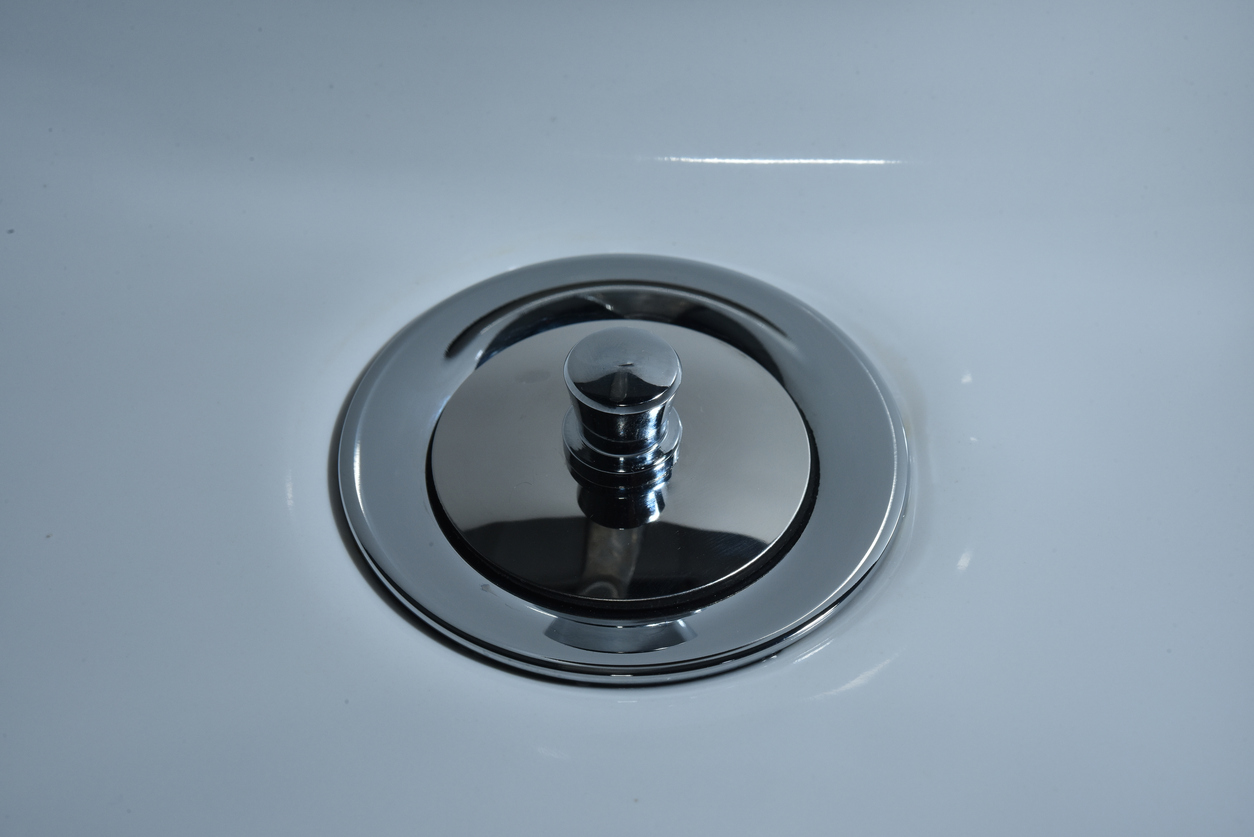
Choosing the right bathtub drain stopper is essential for creating a comfortable and functional bathing experience. With over 20 common
Request your free material sample below. By submitting, you agree to receive occasional product updates and offers from Badeloft. Unsubscribe anytime.
"*" indicates required fields