
Choosing a Bathtub for Two: Sizes, Features, Installation & Other Considerations Before You Purchase
There’s a gap between what a freestanding bathtub listing tells you and what it actually feels like to share one.
A bathroom exhaust fan is the least glamorous fixture in a renovation and one of the most consequential to get right. In a bathroom with a new tub, custom tile, and quality finishes, a fan that’s undersized, poorly installed, or vented to the wrong place will quietly degrade every other investment over time. Moisture that has nowhere to go becomes humidity that warps cabinetry, loosens grout, peels paint, and feeds mold behind walls.
This guide covers what exhaust fan installation costs, how costs vary by fan type and installation complexity, and how to spec the right fan for the bathroom you’re building.
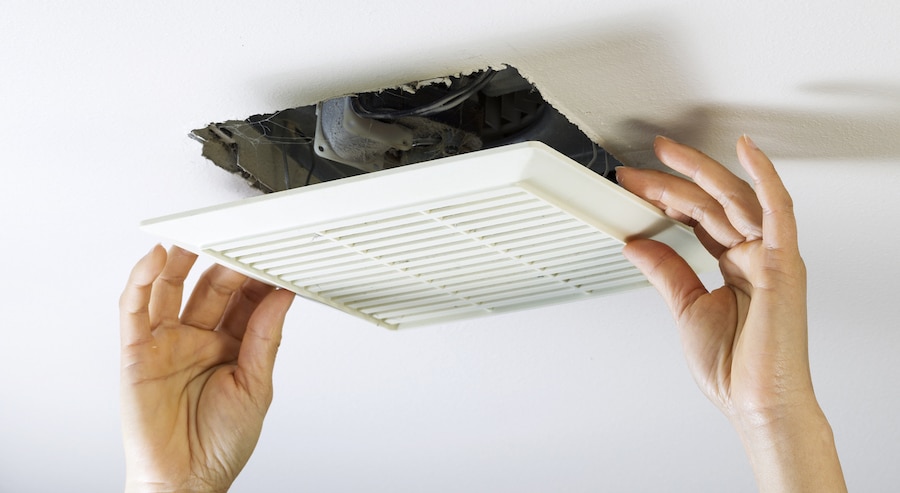
A single shower produces roughly a pint of water vapor. In a sealed bathroom, that vapor condenses on every cold surface: tile grout, mirror edges, the back of the vanity cabinet, the gap between the wall and the toilet. Grout that stays perpetually damp loses its seal. Paint that’s constantly moist peels from the wall. Wood framing inside walls absorbs moisture over years and weakens.
Proper ventilation removes that moisture from the m before it can settle. For a bathroom with premium finishes; stone tile, custom cabinetry, a natural stone vanity, or a soaking tub — the exhaust fan protects every other fixture in the room. Specifying it correctly is not an optional upgrade.
There are a few bathroom fan types to choose from. Combined, they provide full coverage to your bathroom space and help ventilate.
Wall-mounted fans install directly in an exterior wall, eliminatin,g the need for ceiling ductwork routing. Used when attic access is limited or the bathroom is on an exterior wall. Fan unit: $20–$345. Installation including wall penetration and vent cap: $300–$500.
Ceiling-mounted fans vent through the ceiling to the attic and then to the exterior. The most common residential configuration. Fan unit: $20–$400. Installation with existing ductwork: $100–$300. New ductwork installation: $200–$500.
Inline (remote) fans mount in the attic or ceiling cavity rather than the bathroom ceiling itself. A duct opening in the bathroom ceiling connects to the fan via ductwork. Significantly quieter than direct-mount fans because the motor is remote. Suitable for large bathrooms or when one fan needs to serve multiple spaces. Fan unit: $100–$310. Total installation: $200–$500 depending on ductwork complexity.
Bathroom fans cost anywhere between $150-550 if you have existing ductwork in place. A new fan replacement will be double because ductwork and other elements need to be in place. Below you will find common fan costs and their associated types. The final cost is determined by the complication of installation, the type of fan you purchase, and labor costs.
| Adjustable speed fan | $90-380 |
| Basic Fan (fan only) | $20-50 |
| Ceiling Mounted | $20-400 |
| Continuous running fan | $120-330 (electricity bill not included) |
| Exterior Fan | $150-330 |
| Bluetooth Fan | $75-190 |
| Fan with Heater | $90-280 |
| Motion sensing fan | $100-400 |
| Light fixture fan | $40-330 |
| Light and heater with fan | $50-360 |
| Fan with timer | $90-290 |
| Inline/Remote Fan | $100-310 |
| Wall-mounted Fan | $20-345 |
Existing ductwork is the single biggest cost variable. If ductwork already routes from the bathroom to an exterior vent, replacement is straightforward. If ductwork needs to be run for the first time, costs increase by $100–$400 depending on routing length and whether the exit is through the wall or roof.
Vent location: Wall venting is simpler and less expensive than roof venting in most cases. Roof venting requires attic access, a roofing penetration, and a weatherproof vent cap. Wall venting requires only an exterior wall penetration.
Electrical access: If the bathroom has an accessible existing circuit, the fan connects to it directly. If a new dedicated circuit is needed, add $150–$400 for the electrician’s time.
Fan placement: Ceiling-mounted fans in rooms with attic access are the simplest installation. Fans in bathrooms on upper floors with finished ceilings below require more complex ductwork routing horizontally to an exterior wall or through a longer attic path.
Fan capacity is measured in CFM (cubic feet per minute). Undersizing a fan is the most common ventilation mistake. The result is a fan that runs constantly and still leaves humidity in the room.
Basic calculation: 1 CFM per square foot of floor area, with a minimum of 50 CFM.
For bathrooms with specific fixtures, add to the base CFM:
A 60-square-foot primary bathroom with an enclosed toilet, a separate shower, and a soaking tub requires at minimum 260 CFM. Most standard ceiling fans are rated 50–110 CFM. A bathroom of this type needs either a high-capacity fan or an inline fan. Specifying a standard 80 CFM fan for a bathroom of this size is a common mistake that leaves the room perpetually humid.
Sone rating (noise): Fan noise is measured in Sones. A rating of 4.0 Sones is noticeably loud; 1.0 Sone is quiet; 0.3 Sones is nearly silent. The difference between a 4.0 and a 1.0 Sone fan is significant in a room as small as a bathroom. Quiet fans cost $30–$80 more than loud ones at equivalent CFM ratings. Worth the upgrade in any bathroom used for regular soaking or longer stays.
Humidity sensing: A humidity-sensing fan activates automatically when moisture levels rise and shuts off when they return to normal. Eliminates the need to remember to run the fan after a shower. Add approximately $50–$100 over a comparable basic model.
Timer control: A built-in timer runs the fan for a set period after the light is turned off, typically 10 to 30 minutes. Ensures the bathroom is fully ventilated even when users forget to leave the fan running. Add $30–$80.
Integrated LED lighting: Combination fan/light units reduce the need for a separate ceiling fixture in smaller bathrooms. Add $20–$150.
Integrated heater: Combination fan/light/heater units add supplemental warmth in winter months. Useful in bathrooms without a dedicated heat source or in homes where the forced air doesn’t reach the bathroom adequately. Add $50–$150.
A direct replacement of an existing fan (same location, no electrical changes) typically does not require a permit in most jurisdictions.
Installing a new fan where none existed previously requires:
– Electrical permit: $50–$500 depending on jurisdiction and scope
– Roofing permit (if roof penetration): $70–$250
When to check: if the bathroom has never had a fan, if you’re changing the fan location, or if new electrical circuits are being added. Your contractor should pull the permits; confirm this in writing before work begins.
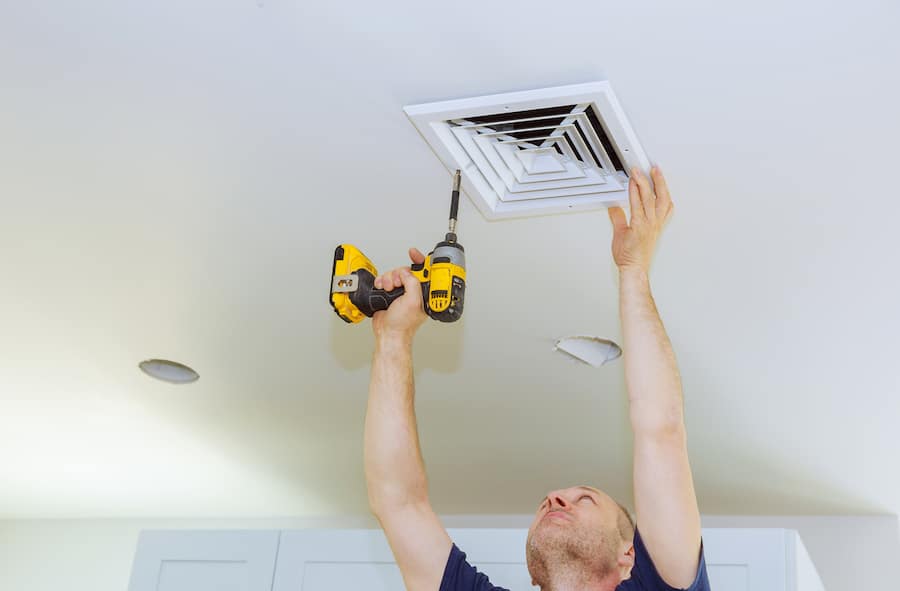
The short answer is yes, if you want to install a bathroom fan by yourself, you will need the following tools:
However, keep in mind that even with experience, you are working in a damp area with electricity. Any mistake can be dangerous and the possibility of injury is quite high. Additionally, if you don’t install your fan correctly, your bathroom won’t properly ventilate which will lead to water damage. For this reason, it is highly recommended that you hire a professional to install your fan as they are experienced and equipped to handle the installation.
There are several factors that influence the cost of a bathroom fan, mostly the size of your fan, the presence of electric connections, and existing ductwork.
In a bathroom renovation, the exhaust fan line item is small relative to tile, fixtures, and cabinetry. It also has the highest consequence-per-dollar ratio of any decision in the room.
A $50 fan that moves 50 CFM in a 120-square-foot primary bathroom with a soaking tub is inadequate before the first shower. The moisture stays; the damage is invisible for years and then isn’t. A properly sized, quietly rated fan removes the moisture reliably and extends the service life of every other fixture in the room.
Spec the right fan, vent it properly to the exterior, and it will run for 10 to 15 years without requiring further attention.
Straightforward replacement (same location, existing ductwork, existing circuit): Manageable for a confident DIYer with basic electrical knowledge. Main risks are improper wire connection and inadequate ductwork sealing. Expected savings: $100–$200 in labor.
New installation with new ductwork: Requires cutting through ceilings and walls, routing ductwork to an exterior vent, and electrical connection. Licensed electrician and possibly an HVAC contractor required in most jurisdictions.
Any project requiring a new electrical circuit: Licensed electrician required. Unpermitted electrical work creates insurance and liability complications.
You want your fan to cover one cubic foot per minute per square foot of floor space. Many fans will have a CFM rating that covers the calculation. Afterward, you look at your space and calculate. You want 50 CFM per toilet, then 50 CFM per shower or bath, and 100 CFM if you have a whirlpool. Higher humidity items will require a higher CFM count to accommodate.
If you have existing ductwork, hire an electrician or handyman to install your fan. If there is no current setup, then you will need a plumber or HVAC specialist to install new ductwork and vents. To ensure you hire only the best, follow these tips:
There are many things to take into consideration with your bathroom vents, we always recommend discussing more with a professional.
In a bathroom renovation, the exhaust fan line item is small relative to tile, fixtures, and cabinetry. It also has the highest consequence-per-dollar ratio of any decision in the room.
A $50 fan that moves 50 CFM in a 120-square-foot primary bathroom with a soaking tub is inadequate before the first shower. The moisture stays; the damage is invisible for years and then isn’t. A properly sized, quietly rated fan removes the moisture reliably and extends the service life of every other fixture in the room.
Spec the right fan, vent it properly to the exterior, and it will run for 10 to 15 years without requiring further attention.

Eric is the founder and president of Badeloft USA. He has been the president of Badeloft’s US division for over ten years and oversees all marketing and branding aspects of Badeloftusa.com.
His expertise lies in small business development, sales, and home and bathroom industry trends and information.
Contact us with any business related inquiries.
Badeloft is dedicated to helping homeowners make informed decisions about their bathrooms. We adhere to strict editorial guidelines to ensure our content is accurate, trustworthy, and useful.
Request free stone resin and stainless steel material samples. Delivered to your door.
There’s a gap between what a freestanding bathtub listing tells you and what it actually feels like to share one.
The bathtub you choose will shape how you use your primary bathroom every day for the next two decades. Not
A freestanding bathtub is the most permanent aesthetic decision in a bathroom renovation. Get the selection right and it becomes
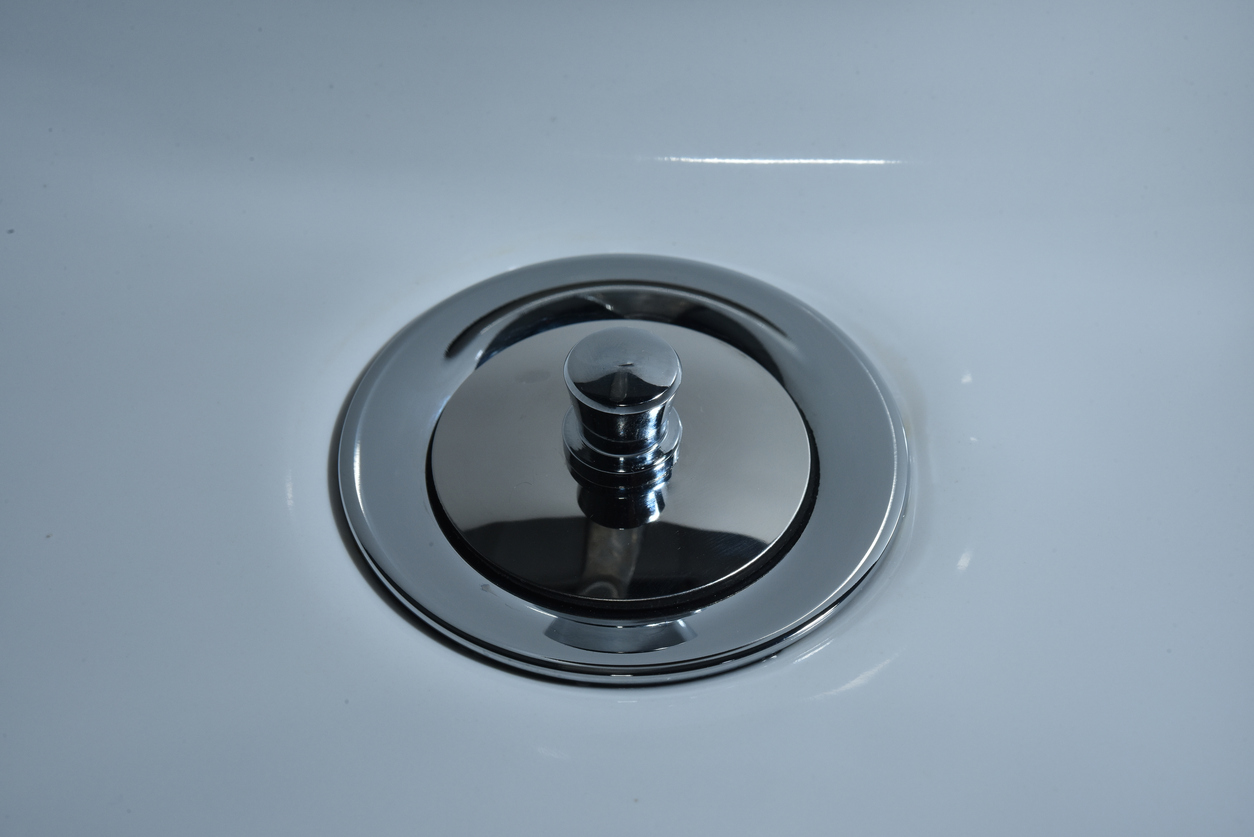
Choosing the right bathtub drain stopper is essential for creating a comfortable and functional bathing experience. With over 20 common
Request your free material sample below. By submitting, you agree to receive occasional product updates and offers from Badeloft. Unsubscribe anytime.
"*" indicates required fields